Small Bird With White and Black Head: Easy ID Guide
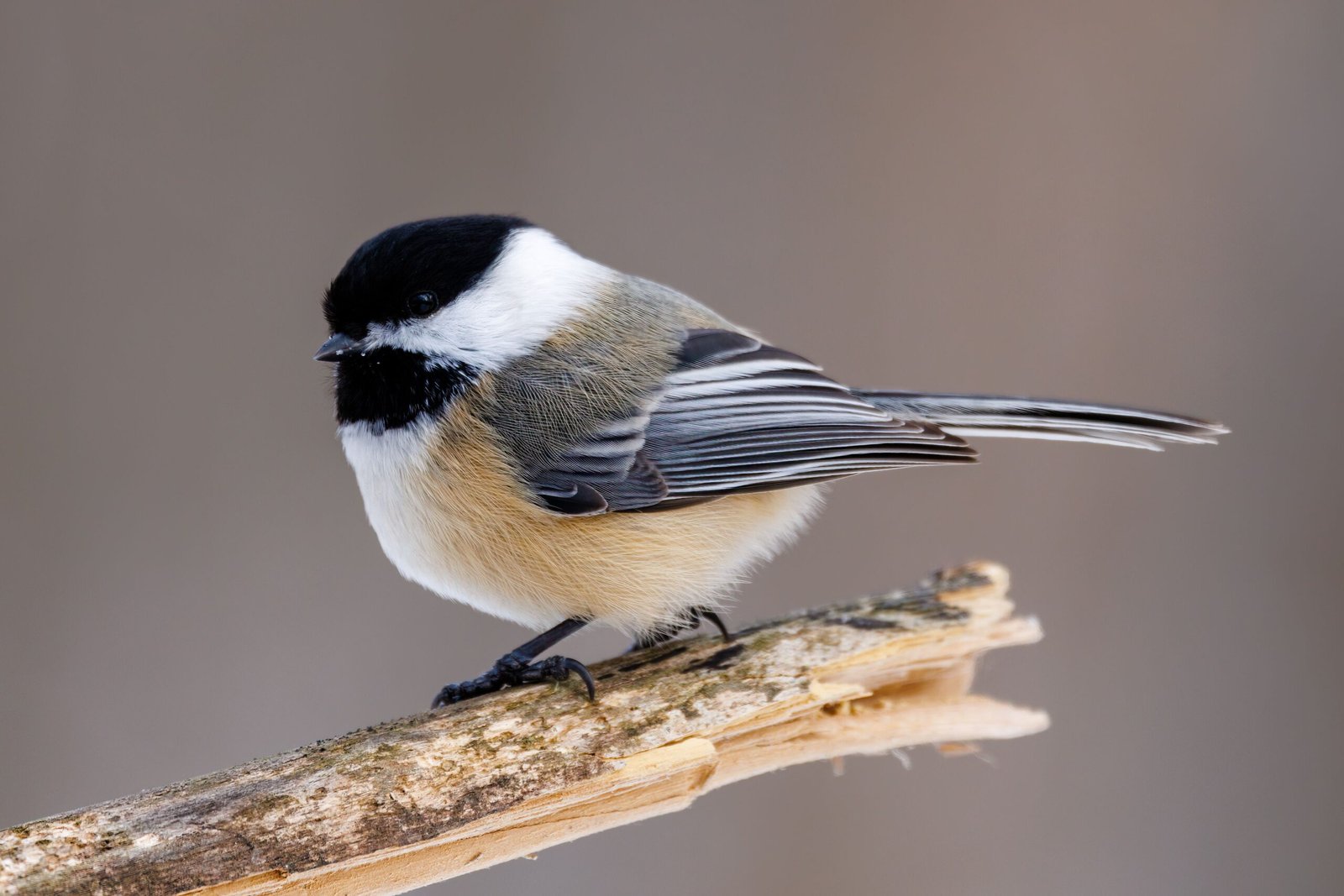
You probably saw a small bird with white and black head markings for just a few seconds, then it vanished into a hedge, tree, or feeder crowd. The tricky part is that this description fits several birds, not one obvious answer. A chickadee, nuthatch, sparrow, tit, wagtail, warbler, or woodpecker could all match.
As of 2026, the Cornell Lab of Ornithology hosts millions of bird photos, videos, and sound recordings through Macaulay Library. That matters because photos, calls, range, and behavior often solve what color alone cannot. Let’s start with the fastest answer, then narrow it down by what you actually saw.
Image source: Bing (Web (fair-use with source credit))
Small Bird With White and Black Head: Easy ID Guide
Quick Answer
A small bird with white and black head markings is often a chickadee. It may also be a nuthatch, sparrow, tit, wagtail, or woodpecker. Look for cheek color, crown stripes, bill shape, and behavior.
Location and season usually narrow the answer fast.
Why Head Pattern Alone Isn’t Enough for Bird Identification
Head pattern is a strong clue, but it rarely gives the whole answer. Many unrelated birds share black-and-white markings. A black cap, white cheek, white eyebrow, or striped crown can appear in very different bird families.
Birders use “field marks” to avoid guessing. A field mark is any visible clue that helps identify a bird. The best ones include head pattern, bill shape, body size, wing markings, posture, and behavior.
Think of the head as your starting clue. If the bird clings upside down on bark, a nuthatch becomes likely. If it braces with its tail and taps a trunk, think woodpecker.
If it hops under shrubs with a striped crown, a sparrow may fit better.
Location matters just as much. A Black-capped Chickadee is common across much of northern North America. A Coal Tit is familiar in the UK and parts of Europe.
A Pied Wagtail is far more likely in Britain than in a backyard in Ohio.
If you want longer looks, improve the space where birds pause. Dense shrubs, clean feeders, and fresh water help bring birds closer without chasing them. These yard habitat ideas can make quick mystery sightings much easier to confirm.
Step-by-Step Visual Clues to Check Before You Decide
Start with size, then check pattern, bill, behavior, and location. That order keeps you from jumping to the first familiar bird. It also helps when the bird gives you only a short look.
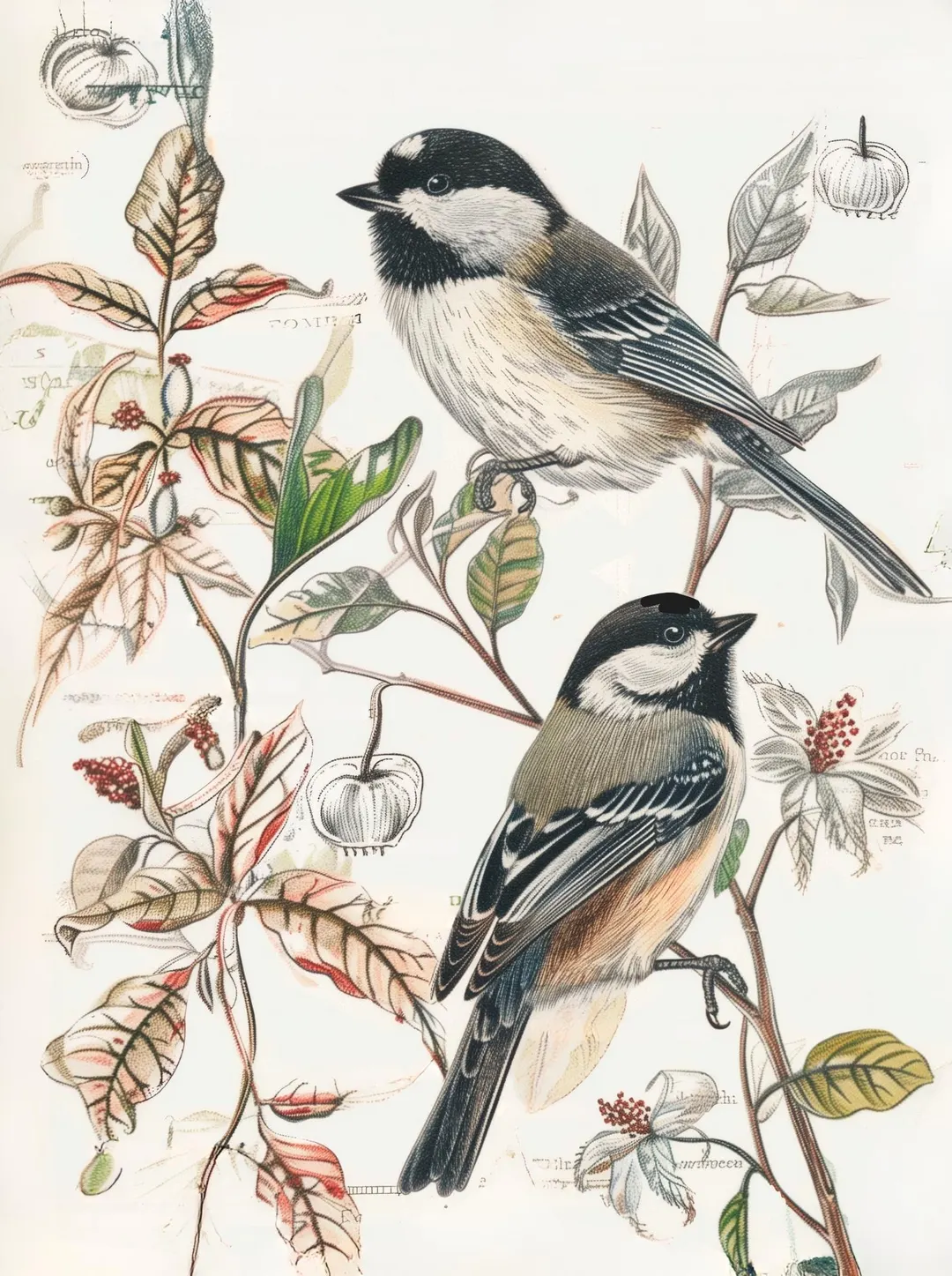
Image source: Bing (Web (fair-use with source credit))
Use this quick field checklist:
| Clue to check | What it can tell you |
|---|---|
| Size | Chickadee-sized, sparrow-sized, or woodpecker-sized |
| Head pattern | Cap, cheek patch, eye stripe, crown stripe, or bib |
| Bill shape | Seed eater, insect eater, bark climber, or woodpecker |
| Behavior | Hopping, trunk climbing, tail bobbing, feeder visits |
| Place and season | Local resident, migrant, winter visitor, or rarity |
Size and body shape
Compare the bird with something familiar. Was it smaller than a House Sparrow, about sparrow-sized, or closer to a small woodpecker? Size is hard without a reference, so use nearby branches, feeders, or other birds.
Chickadees and tits usually look round and compact. Nuthatches look short-tailed and sturdy. Sparrows look fuller-bodied, with a seed-cracking bill.
Woodpeckers look longer, stiffer, and more upright on trunks.
Black cap, white cheeks, stripes, bib, or mask
A black cap with white cheeks points strongly toward chickadees and some tits. A bold black-and-white striped crown points more toward White-crowned Sparrow. A black eye stripe with a pale eyebrow can suggest wagtails, warblers, or nuthatches.
Try to name the pattern, not just the colors. Ask yourself where the black sits. Is it on the crown, throat, eye line, or back of the head?
Then ask where the white sits.
Bill shape and feeding behavior
A short, cone-shaped bill usually means seeds. A thin pointed bill suggests insects. A chisel-like bill points to a woodpecker.
A long, straight bark-probing bill can be a nuthatch clue.
Behavior often confirms the bill clue. Seed eaters crack and chew. Insect hunters pick at bark, leaves, or crevices.
Woodpeckers drill, tap, and brace with stiff tail feathers.
Location, season, and habitat
Check your region before chasing rare options. The eBird database is useful because it shows what birders are reporting nearby. Woodland, backyard feeders, open lawns, streamsides, and hedgerows all favor different birds.
Season can change the answer too. Some birds are year-round residents. Others pass through during spring or fall migration.
Juveniles and molting birds can also look less crisp than field guide illustrations.
Most Likely Birds With Black-and-White Heads
The most likely bird depends on your country, habitat, and season. Still, a few groups come up again and again when people describe a small black-and-white headed bird.
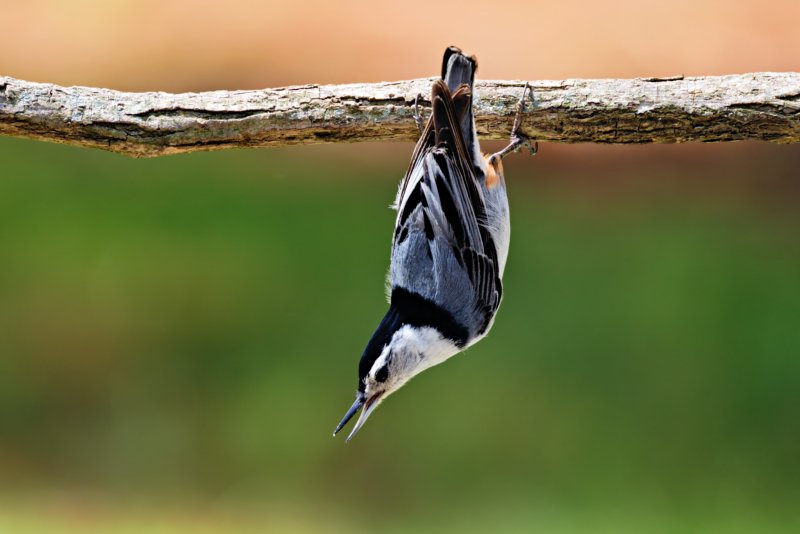
Image source: Bing (Web (fair-use with source credit))
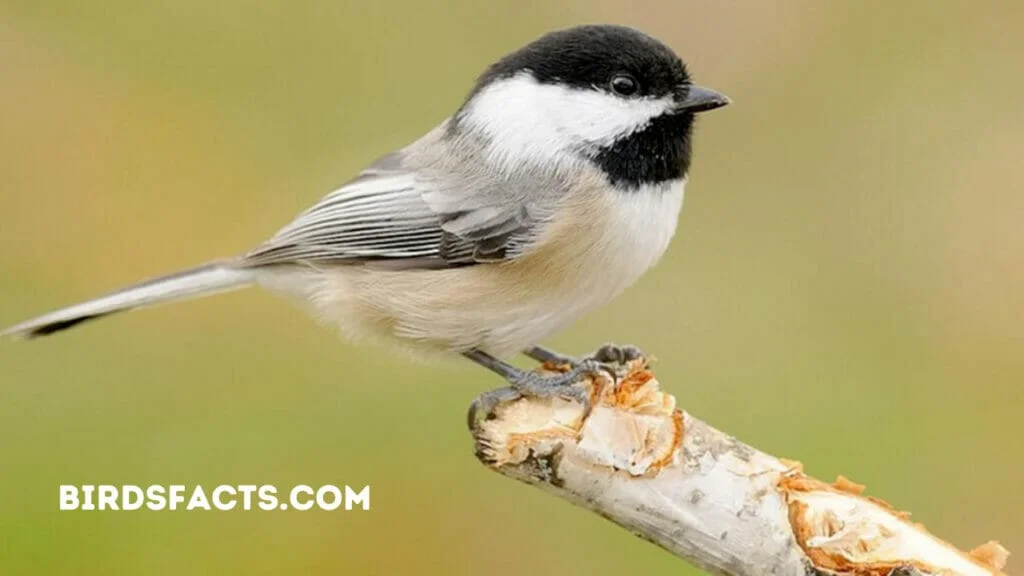
Black-capped Chickadee and Carolina Chickadee
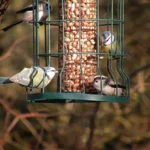
These are classic “black cap, white cheeks” birds in North America. They’re tiny, round, active, and common at feeders. Black-capped Chickadees are more northern.
Carolina Chickadees are more southern.
Listen for calls if you can. Chickadees often give a clear “chick-a-dee-dee-dee” call. In overlap zones, visual ID can be difficult, so voice and location help.
White-breasted Nuthatch and Red-breasted Nuthatch
Nuthatches look compact, with short tails and strong bills. White-breasted Nuthatch has a white face and dark cap. Red-breasted Nuthatch has a bold eye stripe and warmer underparts.
That upside-down movement is the giveaway. Chickadees bounce through twigs. Nuthatches work bark like tiny climbers, often moving headfirst down a trunk.
Downy Woodpecker and Hairy Woodpecker
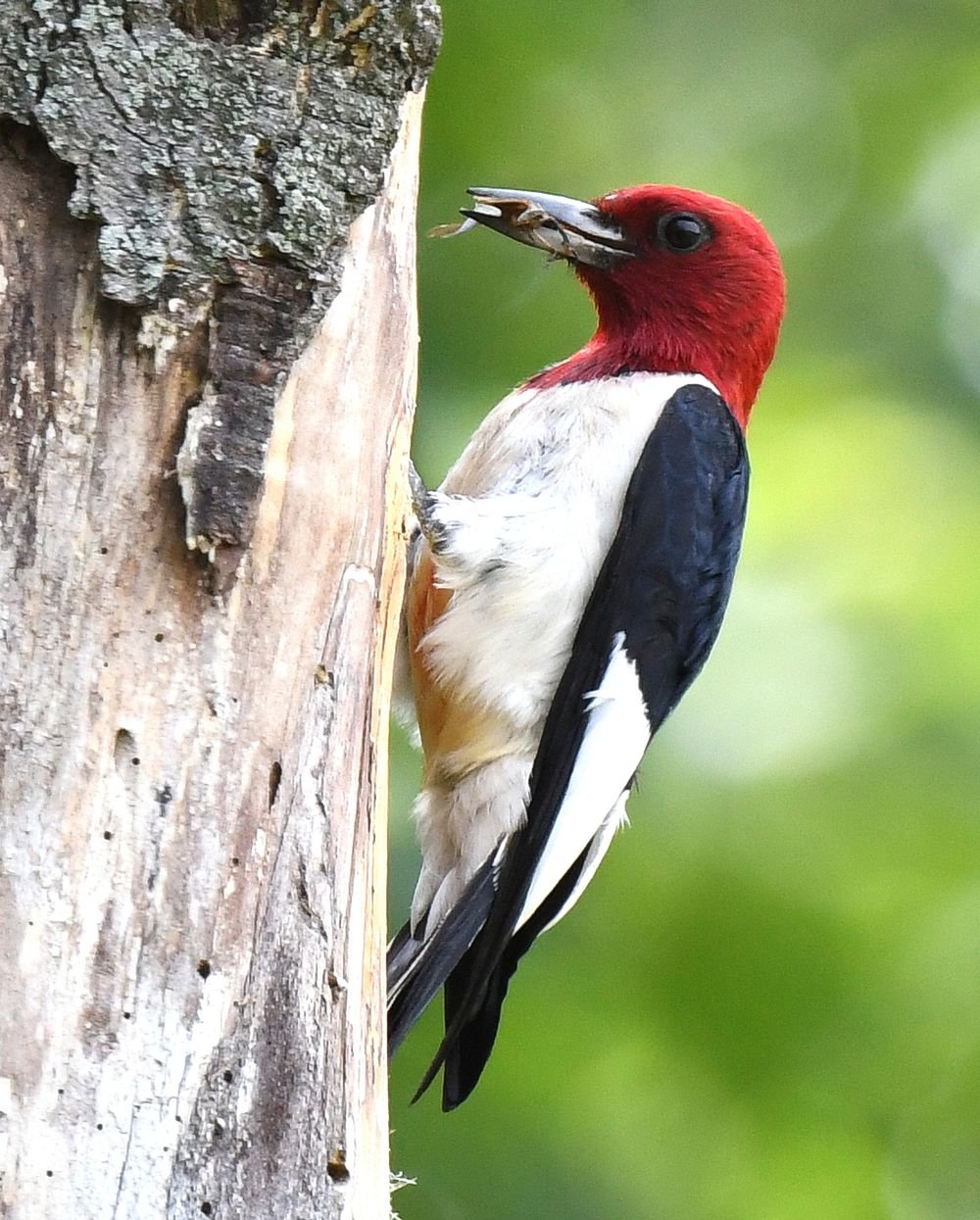
Both are black-and-white woodpeckers with patterned heads. Downy Woodpecker is smaller and common at backyard suet feeders. Hairy Woodpecker is larger, with a longer and heavier bill.
If the bird braces with its tail and taps wood, it is not a chickadee. Bill length is the cleanest clue. Downy has a short bill.
Hairy has a bill that looks almost as long as the head.
White-crowned Sparrow and White-throated Sparrow
These sparrows can look striking. White-crowned Sparrow has bold black-and-white crown stripes. White-throated Sparrow usually shows a white throat, striped head, and yellow patches near the eyes.
They feed low, often scratching leaf litter or hopping under shrubs. They’re especially noticeable during migration and winter in many areas. A ground-feeding bird with a striped crown is worth checking closely.
Coal Tit, Great Tit, Marsh Tit, and Willow Tit
In the UK and Europe, tits are frequent answers. Coal Tit is small, with a black head, white cheeks, and a pale patch on the back of the head. Great Tit is larger, with a black head, white cheeks, and yellow underparts.
Marsh Tit and Willow Tit are harder. They can look very similar. Voice, habitat, and fine plumage details often separate them.
Pied Wagtail and White Wagtail
Pied Wagtail and White Wagtail are slim, ground-walking birds with black-and-white head patterns. They often appear on lawns, car parks, farm tracks, and open edges. Their long tails pump up and down as they walk.
That tail action is a major clue. Chickadees flit through branches. Wagtails stride on the ground and wag constantly.
Common Lookalikes and Easy Visual Mistakes
The easiest mistake is trusting one feature too much. A black cap does not automatically mean chickadee. A white cheek does not rule out tit, nuthatch, or woodpecker.

Image source: Bing (Web (fair-use with source credit))
Watch for these common traps:
- Confusing Downy Woodpecker with Hairy Woodpecker
- Calling every black-capped feeder bird a chickadee
- Mixing up White-crowned Sparrow and White-throated Sparrow
- Mistaking nuthatch bark-climbing for woodpecker behavior
- Reading colors wrong in shade or backlight
- Forgetting that juveniles can look duller than adults
- Treating an app result as final from one blurry photo
Lighting causes plenty of bad IDs. A gray head can look black at sunset. A white cheek can disappear when the bird turns away.
Wet feathers, molt, and camera exposure can also change the look.
Behavior often saves the ID. Chickadees grab food and dart away. Nuthatches creep along bark and may go headfirst down a trunk.
Sparrows stay lower and scratch. Wagtails walk on the ground and pump their tails.
If the sighting seems unusual, slow down before reporting it as rare. Native migratory birds are protected under the U.S. Migratory Bird Treaty Act, which the [U.S.
Fish and Wildlife Service](https://www.fws.gov) oversees. Don’t chase, flush, or crowd a bird just to get a better photo.
What to Do If You Have a Photo, Video, or Bird Call
A photo helps most when it shows the head, bill, wings, and tail. One sharp side view beats five blurry zoomed shots. If the bird is moving fast, switch to video and let the recording capture behavior.
Use this simple review checklist:
| What you captured | Best clue to review |
|---|---|
| Side of head | Cap, cheek, eye stripe, throat |
| Full body | Size, posture, tail length |
| Back and wings | Wing bars, streaks, white patches |
| Feeding moment | Seed bill, insect bill, bark-climbing bill |
| Video | Tail pumping, trunk climbing, hopping style |
If you have a call, record at least 10 seconds if you can. Background noise is fine, but avoid talking over the bird. Apps can help, but treat the result as a lead, not a verdict.
When the bird visits often, make viewing easier. A clean water source and steady feeding station can bring repeat visits. A bird-friendly setup gives you more time to study field marks.
If you submit the sighting to a citizen science platform, use a cautious label when unsure. “Chickadee species” or “woodpecker species” is better than forcing a wrong name. Good bird records value honesty over confidence.
Safe, Ethical Birdwatching and Feeder Tips
Good birdwatching keeps the bird’s safety first. Stay back from nests, avoid flushing birds for photos, and keep playback quiet or skip it completely. Repeated calls can stress territorial birds, especially during breeding season.
Feeders need basic care too. Dirty feeders can spread disease when many birds gather in one spot. Wash feeders regularly, clear old seed, and move feeding stations if droppings build up below them.
A safer backyard helps you see field marks without disturbing birds. Place feeders near shrubs, but not where cats can hide below them. Window decals, screens, or external patterns can also reduce collisions.
Build comfort into the space rather than chasing birds around it. Native plants, brushy cover, and fresh water encourage birds to linger. These simple garden bird tips fit that goal.
A few practical habits make a real difference:
- Keep cats indoors or supervised.
- Clean seed feeders and suet cages often.
- Offer fresh water in shallow dishes.
- Skip pesticides where birds feed.
- Watch from a steady spot with binoculars.
- Never handle wild birds unless trained and licensed.
If a bird looks injured, contact a licensed wildlife rehabilitator. Don’t try to feed or treat it yourself. Stress and wrong food can make things worse.
Frequently Asked Questions
What is the tiny bird with a black cap and white cheeks?
It’s often a chickadee in North America or a tit in the UK and Europe. Black-capped Chickadee, Carolina Chickadee, Coal Tit, and Great Tit all fit parts of that description. Check the body color, call, and location before deciding.
What bird has a black-and-white striped head?
A White-crowned Sparrow is a strong possibility in North America. It has bold black-and-white crown stripes and a sparrow-shaped body. White-throated Sparrow can look similar, but it usually shows a white throat and yellow patches near the eyes.
How can I tell a chickadee from a nuthatch?
A chickadee looks rounder and hops through twigs. A nuthatch has a longer bill and often creeps along bark, sometimes headfirst down a trunk. If you want closer views, better backyard cover can help birds pause longer.
Why did my bird ID app give a different answer?
Bird ID apps depend on photo quality, sound clarity, and location data. A shadowed face or odd angle can confuse the result. Use the app answer as a shortlist, then compare bill shape, behavior, range, and season.
What should I feed small black-and-white headed birds?
Many feeder visitors like black oil sunflower seed, suet, peanuts, or mealworms. Chickadees and nuthatches often take sunflower seed and suet. Sparrows prefer seed on or near the ground.
A steady feeding spot makes repeat visits easier to study.
How do I get a better look without scaring the bird?
Stand still, lower your voice, and let the bird settle. Watch from a window, porch, or quiet garden seat. Birds learn safe routines quickly, so a welcoming yard layout often works better than trying to follow them.

Similar Posts