Heart Shaped Bird Seed Feeder: Easy DIY Guide
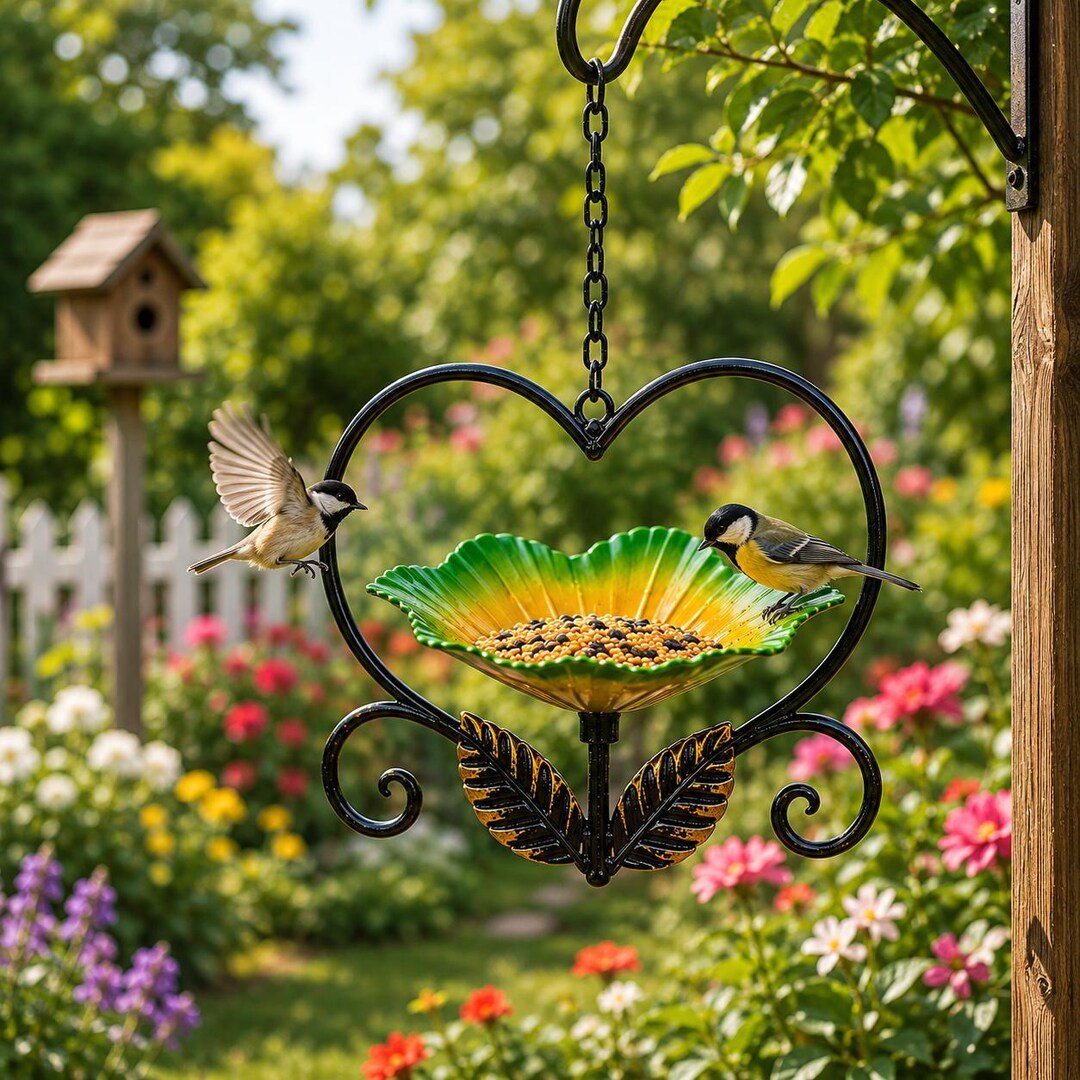
A heart shaped bird seed feeder is a sweet way to feed backyard birds without turning your garden into a cluttered feeding station. The trick is choosing one that works as well as it looks. Some heart feeders are proper refillable feeders, while others are seed cakes or decorative ornaments that only last a short time.
In our research, the most useful models have drainage holes, weather-resistant materials, and enough space for small birds to perch comfortably. Cornell Lab of Ornithology’s Project FeederWatch recommends keeping feeders clean to help reduce disease spread at shared feeding spots. Let’s start with the quick answer.
Quick Answer
A heart shaped bird seed feeder holds seed in a decorative heart form. The best ones drain well and clean easily. Metal and recycled plastic last longer outdoors.
Seed cakes are cute but less durable. Use black oil sunflower for most backyard songbirds.
Image source: Bing (Web (fair-use with source credit))
Heart Shaped Bird Seed Feeder Options Compared
Not all heart feeders work the same way. Some are made for daily feeding. Others are better as seasonal garden decor, short-term gifts, or simple craft projects.

Image source: Bing (Web (fair-use with source credit))
| Feeder type | Best for | Watch out for |
|---|---|---|
| Hanging heart feeder | Gardens, trees, feeding poles | Wind swing and squirrel access |
| Window-mounted heart feeder | Close birdwatching | Window strike risk and suction wear |
| Heart seed cake | Gifts, crafts, short-term feeding | Rain, crumbling, and spoilage |
| DIY heart feeder | Family projects and seasonal decor | Weak binders and unsafe materials |
Hanging heart feeders
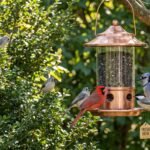
Hanging heart feeders are the most practical choice for regular use. Look for metal, mesh, or tray-style designs with a strong chain. The feeder should hang level when full, not tilt and dump seed.
A decorative feeder can still be useful if it holds real seed and cleans easily. If you like traditional garden pieces, artisan-style feeders can give you ideas for sturdier materials and better hanging hardware.
Window-mounted heart feeders
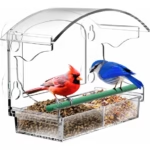
A window-mounted heart feeder is best if you want close-up views from a kitchen, office, or apartment window. Choose one with strong suction cups and a removable tray. Check the cups often, especially after heat, frost, or heavy rain.
Window placement matters. A feeder very close to glass can reduce high-speed impact. A feeder a few feet away can create more collision risk if birds flush suddenly.
Heart seed cakes and ornaments
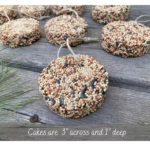
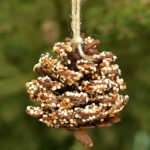
Seed cakes are usually made with bird seed and a binder. They look lovely, especially for Valentine’s Day, but they’re not the best wet-weather option. They can soften, crack, or grow mold if left out too long.
Use them as a short-term treat, not your main feeder. Hang one during dry weather and remove it if it smells sour, feels slimy, or starts falling apart.
Key Features to Compare Before You Choose
The shape gets your attention. The build quality decides whether birds actually use it.
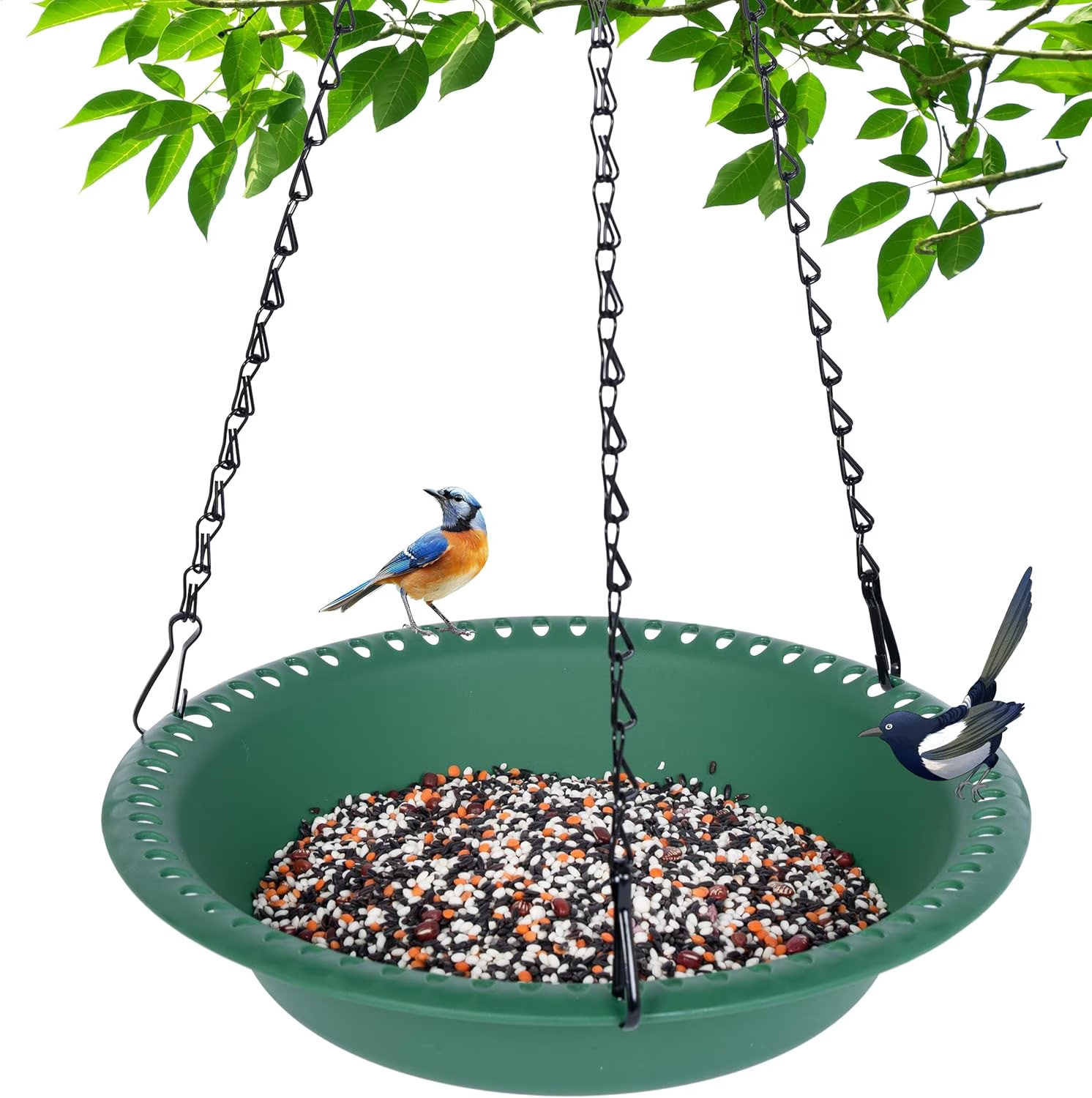
Image source: Web (Bing) / walmart.com (Web image (fair-use with source credit))
Material and weather resistance
Powder-coated steel, stainless steel, cedar, and recycled plastic are the strongest everyday options. Thin painted metal can rust fast. Cheap plastic may crack after sun exposure or winter freeze-thaw cycles.
As of 2026, many small decorative feeders still list basic dimensions, but not outdoor lifespan. That means you need to inspect the details yourself. Check seams, coating, hanger strength, and cleaning access before relying on it outside.
Drainage, airflow, and seed protection
Good drainage is non-negotiable. Wet seed spoils quickly, especially in humid weather. A heart feeder should have tray holes, mesh sides, or a raised feeding surface.
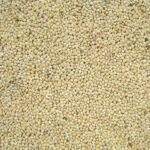
Seed choice matters too. Black oil sunflower suits many backyard birds. White proso millet can attract ground-feeding birds, and this guide to small pale millet explains where it fits best.
Cleaning access and refill design
Choose a feeder you can open fully. If you can’t reach the corners, old seed and droppings will build up. Tiny decorative cavities are a common problem with novelty feeders.
For deeper cleaning, follow a proper feeder washing routine rather than just shaking out the crumbs. Scrub, rinse, and let the feeder dry before adding fresh seed.
Size, seed capacity, and hanging hardware
Small heart feeders often hold about 0.25 to 1 lb of seed. That’s enough for light backyard feeding, but not enough for a busy yard full of cardinals, sparrows, and finches.
The hanger matters as much as the feeder body. Choose chain, coated wire, or a strong metal hook. Thin twine looks rustic, but it can rot, fray, or snap after wet weather.
Best Heart Bird Feeder for Your Yard, Balcony, or Gift
The best heart feeder depends on where you’ll use it. A balcony, garden tree, and memorial flower bed all need slightly different designs.
Best for small songbirds
A mesh or tray-style feeder works well for chickadees, finches, titmice, nuthatches, and sparrows. Small birds need stable footing and easy seed access. Avoid deep novelty feeders with tiny openings that trap seed inside.
If you’re feeding mixed backyard visitors, use sunflower, millet, or shelled sunflower hearts. For a broader food list, this guide to safe outdoor foods is a helpful companion.
Best for patios and balconies
Window-mounted or compact hanging feeders suit small spaces. Keep the feeder easy to reach, because balcony feeders need frequent cleaning. If seed shells are a problem, consider shelled sunflower hearts or a low-mess seed mix.
Check building rules before hanging anything over a railing. Wind can knock a lightweight feeder against glass or siding. A shorter hanger usually swings less.
Best decorative garden choice
For a flower bed, memorial corner, or cottage-style garden, choose a metal or cedar heart feeder. These materials usually look better after weathering than glossy plastic. They also pair nicely with bird baths, native plants, and simple feeding poles.
Skip feeders with heavy paint, glitter, glued decorations, or sharp wire ends. Birds don’t care about fancy trim. They care about fresh food, safe footing, and a quiet place to feed.
Best handmade or giftable feeder
A heart seed cake or engraved wooden feeder makes a thoughtful gift. It’s especially fitting for Valentine’s Day, Mother’s Day, or a memorial garden. For more nature-themed ideas, bird lover presents can help you pair the feeder with seed, a brush, or a small bird journal.
If you’re giving one as a gift, include cleaning instructions. Many people receive decorative feeders and don’t know how often to wash them. A small seed scoop and storage tub make the gift more useful.
Common Problems With Decorative Heart Feeders
Decorative feeders often fail in boring ways. The seed gets wet, the hanger bends, or birds ignore it. Most of these problems come down to drainage, placement, and maintenance.
Wet seed, mold, and poor drainage
Wet seed is the biggest problem. If rain collects inside the heart frame, empty it right away. Moldy seed can make birds sick, so don’t try to dry and reuse it.
The U.S. Geological Survey National Wildlife Health Center tracks wildlife disease concerns, including issues linked to shared feeding areas. Clean feeders matter most during wet spells and heavy bird traffic.
Squirrels, raccoons, and larger birds
Squirrels can empty a small heart feeder in minutes. Raccoons may bend thin hooks or pull down light chains. If squirrels are constant visitors, compare your setup with peanut feeder defenses for better pest control ideas.
Large birds can also crowd out smaller birds. A smaller feeding surface helps. So does hanging the feeder near light cover, but not so close that cats can hide and ambush.
Birds ignoring the feeder
Birds may need days or weeks to trust a new feeder. Placement, seed type, and nearby cover all affect results. If nothing happens right away, this explainer on how birds locate food helps set realistic expectations.
Start with fresh black oil sunflower seed. Keep the feeder still, clean, and visible. Once one bird finds it, others often follow.
How to Set Up and Maintain a Heart Shaped Bird Seed Feeder
Good setup makes a small feeder work much harder. Hang it where birds can spot it, but not where cats can hide underneath. A height of about 5 to 6 feet is practical for refilling and safer than low railing hooks.
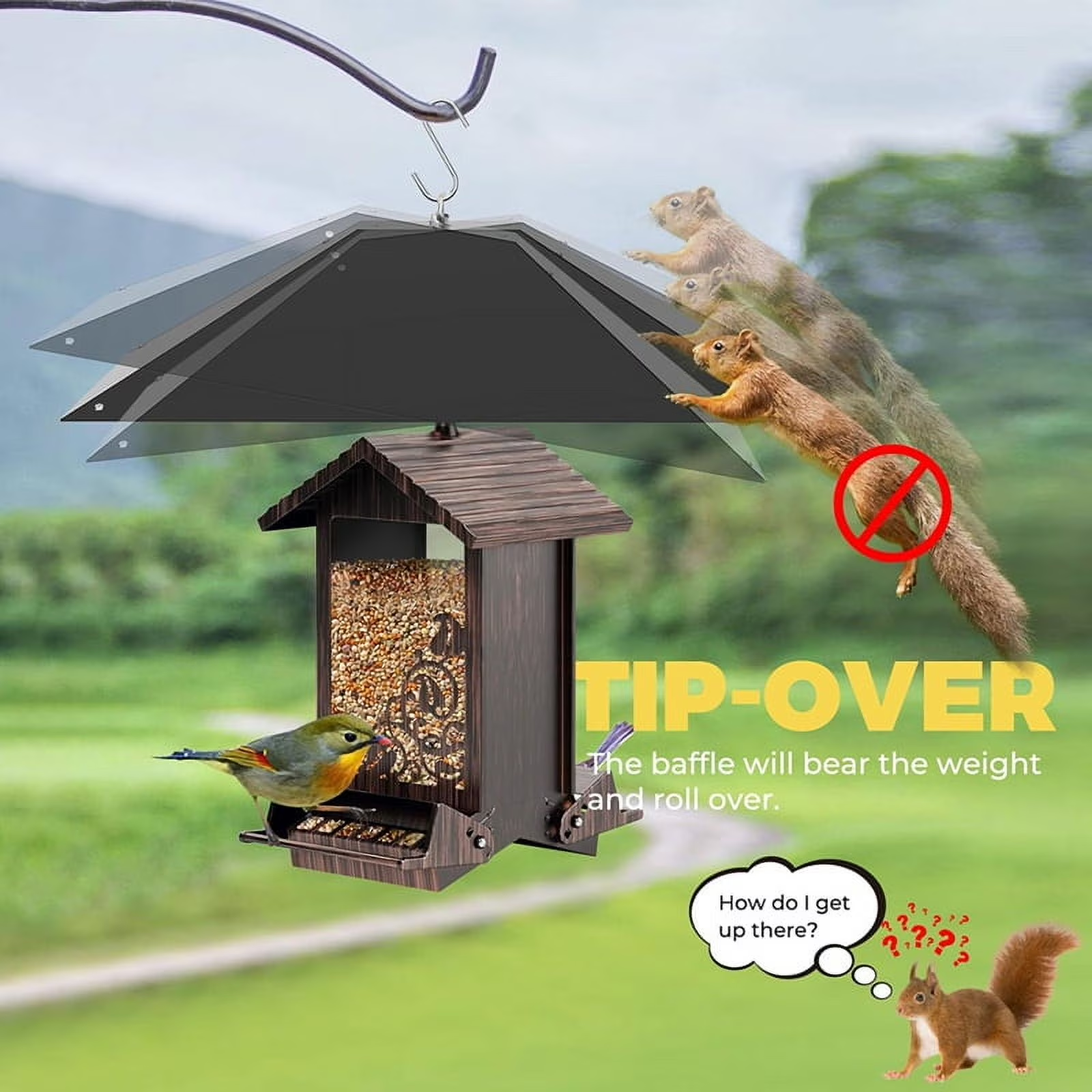
Image source: Web (Bing) / walmart.com (Web image (fair-use with source credit))
Use this simple setup flow:
| Step | What to do | Why it matters |
|---|---|---|
| 1 | Choose a calm, visible spot | Birds feed better when the feeder feels safe |
| 2 | Add fresh seed | Stale seed is often ignored |
| 3 | Check drainage | Wet seed spoils fast |
| 4 | Clean every 1 to 2 weeks | Dirty feeders can spread germs |
| 5 | Move if ignored | Placement can make or break activity |
If squirrels are jumping from a branch, move the feeder farther out. A baffle works best on a pole or hanging line with enough clearance. For winter setups, pair seed with unfrozen water where possible, and this guide to cold-weather feeding can help you choose useful foods.
Don’t overfill a tiny heart feeder. Add only what birds finish in a day or two during damp weather. Store spare seed in a sealed container, and check seed freshness signs if a bag has been open for months.
Basic cleaning steps
Empty old seed before it clumps. Scrub the feeder with a stiff brush, especially around tray corners and mesh seams. Rinse well, then let it dry fully before refilling.
Clean more often after rain or during warm, humid weather. If seed smells musty, remove it the same day. A pretty feeder isn’t worth keeping up if it keeps trapping moisture.
Safety Tips for Birds, Windows, Pets, and Wildlife
A pretty feeder still needs safe placement. Keep it away from places where cats can crouch, such as dense shrubs, deck corners, or low fences. If you have outdoor cats nearby, hanging higher alone won’t solve the problem.
For window feeders, placement matters more than most people think. The American Bird Conservancy gives clear window collision guidance for reducing strikes. Feeders very close to glass can reduce high-speed impact, while mid-distance feeders can be risky.
Use safe foods only. Avoid bread, salted nuts, chocolate, honey-based seed ornaments, and spoiled fats. For small birds, fresh seed and clean water are far better than kitchen scraps.
Watch for disease signals around any feeder:
- Birds sitting puffed up for long periods
- Crusty or swollen eyes
- Repeated dead or weak birds nearby
- Heavy droppings in the feeder tray
- Sour, musty, or moldy seed smell
If you notice these signs, take the feeder down and clean it thoroughly. Let the area rest before feeding again. During local disease alerts, follow your state wildlife agency’s advice.
Also think about non-bird visitors. In bear country, many wildlife agencies advise removing feeders during active bear months. Raccoons, rats, and squirrels are drawn to spilled seed, so sweep below the feeder often.
Frequently Asked Questions
What seed works best in a heart shaped bird feeder?
Black oil sunflower seed is the safest all-round choice for many backyard songbirds. Shelled sunflower hearts are cleaner, but they spoil faster when wet. For finches, use nyjer only in a feeder designed for tiny seed.
Mixed seed works better when it has little filler.
Can I make a heart bird seed feeder at home?
Yes, you can make one with a heart mold, bird seed, and a firm binder. Let it set fully before hanging. Avoid honey, glitter, dyed craft pieces, and loose string.
In warm or wet weather, homemade seed cakes break down quickly, so treat them as short-term feeders.
How long before birds use a new heart feeder?
Many birds find a new feeder within a few days, but two to four weeks is normal. Location matters more than shape. Put it near light cover, use fresh seed, and keep it still.
If nothing visits after a month, move it.
How often should I clean a decorative bird feeder?
Clean it every 1 to 2 weeks in normal weather. Clean more often after rain, heat, or heavy bird traffic. Scrub away old seed, rinse well, and let it dry before refilling.
If seed looks moldy or smells sour, empty it right away.
Are heart seed cakes safe for wild birds?
Heart seed cakes can be safe when made with clean seed and bird-safe binders. The problem is weather. Rain, humidity, and warm sun can spoil them fast.
Hang them briefly, check them daily, and remove any cake that turns soft, moldy, or rancid.

Similar Posts