Bird Feeder Landscaping Ideas Backyard

Most backyard bird feeding setups fail because the feeder goes up before the landscape does. If you're searching for bird feeder landscaping ideas backyard, you've probably realized that a feeder alone isn't enough. Birds won't come if the yard feels exposed, unsafe, or visually uninviting.
The real trick is designing the whole space around the feeder.
The Cornell Lab of Ornithology's guidance suggests placing feeders 10 to 15 feet from protective cover for the best balance of safety and visibility. That single number shapes everything else in this guide. Let's read the yard like a photographer and plan your bird-friendly landscape from the window out.
Quick Answer
Bird feeder landscaping ideas backyard start with sightlines. Place feeders 10 to 15 feet from cover. Use native plants for shelter and food.
Keep cats inside and windows protected. Work from your favorite viewing window outward.
Read the Yard Like a Photographer: Why Landscaping for Feeders Starts with Sightlines
Why the Sightline Comes First
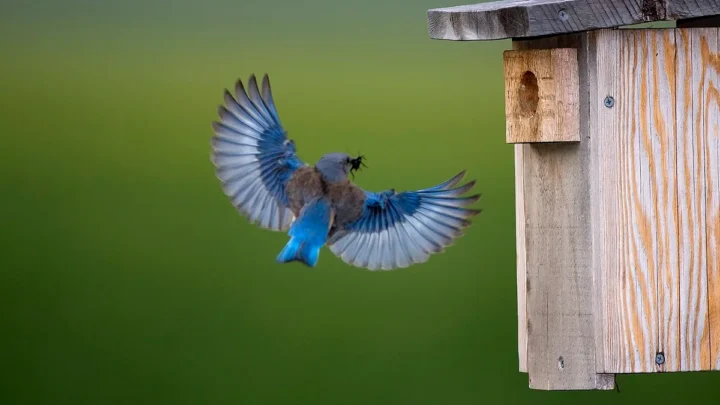
Frame the question as a photograph. Looking out your kitchen window, what does the yard show? A good bird feeding setup is like a still-life composition.
The feeder stands at the center, with plants behind it, open space in front, and a clean backdrop.
A yard that reads as messy or cluttered to your eye reads the same way to birds. They prefer clear approach paths. They want to spot predators before committing.
In our research, the yards with the most bird activity all had one thing in common: a defined visual frame around the feeder.
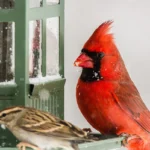
What a photo would show: the feeder sits slightly off-center, backed by a flowering shrub, with a low ground cover beneath and a view corridor from the window. That's the goal.
Map the Stage First: Windows, Wind, Sun, and Hidden Predator Routes
Before buying a single plant, take a pad and sketch your yard. Mark the windows you usually look through. Measure the distance from each window to potential feeder spots.
Use a tape measure.
Four Things to Map
- Window sightlines: Mark the windows where you actually sit. Distance from glass matters.
- Wind direction: Feeders swing in open wind. Look for corners protected by the house or fence.
- Sun path: Morning sun dries dew and seed hulls. Full afternoon shade helps control mold.
- Predator routes: Look for fence tops, dense shrubs, and low branches a cat could use.
Per Cornell Lab of Ornithology research, window strikes drop dramatically when feeders sit either very close (under 3 feet) or far enough away (over 30 feet). The middle zone, 3 to 30 feet, is the danger band.
As of 2026, many extension services advise the same. If you can't avoid that zone, add decals or hang lightweight netting.
Build the Backdrop in Layers: Native Plants That Feed, Shelter, and Frame Your Feeders
The best yards mimic natural edges. Layers give birds choices. You want a ground layer of low grasses and perennials, a shrub layer with dense branches, and a tree canopy overhead.
Layer by Layer
- Ground layer: Native grasses and seed perennials like coneflower and black-eyed Susan. They feed sparrows and juncos.
- Shrub layer: Berry-bearing natives such as elderberry, serviceberry, and viburnum. Dense branches give quick escape cover.
- Understory: Small trees like dogwood or redbud. They add height without overwhelming the yard.
- Canopy: One or two larger trees, preferably evergreen, for winter roosting and hawk-watch views.
Native plants outperform exotic ornamentals because local birds recognize their insects and fruit. A viburnum with berries beats a burning bush every time.
In a photo, you'd see depth: the feeder sits in front of the shrub layer, with open ground under it and a soft backdrop. That's the visual goal.
Place Feeders Where Birds Feel Safe and You Can Actually See Them
Now the fun part: positioning the hardware. Use these four rules as a checklist.
- Keep feeders 10 to 15 feet from dense cover. Close enough for a quick retreat, far enough that cats and hawks can't ambush.
- Set the feeding height at 5 to 6 feet for most songbirds. Ground feeders like juncos prefer a low tray instead.
- Respect the window zone. Under 3 feet or beyond 30 feet from glass prevents strikes. If you land in the middle, move.
- Face the feeder toward the window you watch most. Morning light behind you gives the best view.
Add a pole-mounted baffle if squirrels run on the ground or jump from branches. A simple shepherd's hook with a cone baffle works for most yards.
The visual clue: when you see birds approach, they'll hop from the shrub to a branch, then to the feeder. That chain is what you're designing.
A Visual Cheat Sheet: Three Backyard Setups That Work
Not every yard looks the same. Here are three proven setups, shown as quick-reference layouts. Picture each one as a simple diagram.
| Yard Type | Feeder Style | Plant Layer | Best For |
|---|---|---|---|
| Sunny open yard | Pole-mounted tube feeder | Flowering shrubs behind, lawn in front | Suburban backyards |
| Small patio | Window feeder + hanging tray | Potted native grasses, wall-mounted trellis | Apartments, balconies |
| Wooded edge | Platform feeder near brush pile | Native ferns, shrubs, one canopy tree | Rural and semi-wooded lots |
Sunny Open Yard
Place a pole feeder 12 feet from a berry shrub patch. Keep ground clear under it. You'll get cardinals, goldfinches, and chickadees all year.
Small Patio
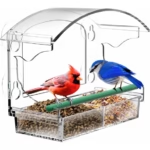
A window feeder puts you inches away from birds. Add a shallow dish for water. Potted grasses give cover without stealing floor space.
Wooded Edge
Use a platform feeder at the edge of a brush pile. Birds feel covered but still visible. Expect woodpeckers, towhees, and occasional visiting thrushes.
The key is matching the layout to your actual constraints. Don't force a big pole system into a tiny patio.
Visual Mistakes That Quietly Ruin a Bird-Friendly Yard
Some yards fail before the first seed goes out. The feeder stands ready, but the birds never commit. Nine times out of ten, a visual mistake is the culprit.
- Tucking a feeder deep into dense shrubs. That cozy nook works as a cat's ambush point. Birds spot it in seconds and steer clear.
- Dropping a feeder in a wide-open yard. No escape cover within range. Songbirds feel exposed and hawk-targeted.
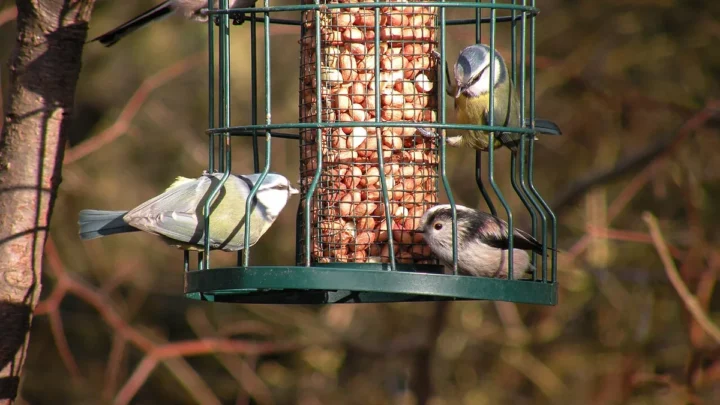
- Stacking multiple feeders in one cluttered spot. Overgrown or overcrowded beds block sightlines. You can't see the birds, and they can't see you.
A photo would show the contrast clearly. The safe yard has a single feeder 12 feet from a berry shrub, open ground beneath, and a clean lane to the window. The struggling yard looks like everything is competing for space.
Another common miss is ignoring the ground layer. Seed spills onto bare dirt or pavement. Mold and weeds take over, creating messy patches instead of a functioning feeding zone.
Then there's the window rule again. A feeder sitting in that 3-to-30-foot danger band causes strikes no matter how pretty the landscaping looks. Move it closer or farther, or add decals to the glass.
The biggest hidden mistake is planting for summer only. Deciduous shrubs lose their leaves in fall, and birds lose their winter cover. One or two evergreens solve that gap and keep the yard active year-round.
Frequently Asked Questions
How close to the house should a bird feeder be?
Place it under 3 feet from glass or beyond 30 feet. The middle zone causes window collisions. Close placement lets birds see the glass as a solid barrier.
You get a safe view without the thud. Far placement keeps birds relaxed, too.
Do I really need native plants for a feeder to work?
Not strictly, but natives help a lot. They provide the insects and berries birds already recognize. Exotic ornamentals offer decent cover but little natural food.
A mix of both works well when space is tight.
Why aren't birds coming to my feeder?
Check cover distance first. Feeders too far from shelter get fewer visitors. Then check seed freshness and feeder cleanliness.
Stale seed or a grimy tube will keep birds away faster than any landscaping mistake.
What should I plant under a bird feeder?
Use low-growing native grasses and seed perennials like coneflower or little bluestem. They catch falling seed hulls and give ground feeders quick cover. Keep the area raked regularly to prevent mold and weeds.
Keep the Scene Working: Seasonal Care and Long-Term Tweaks
The best layouts aren't static. They shift with the seasons and with bird behavior. Plan for a yearly review.
Spring and summer mean more cleaning. Heat and humidity make seed mold faster. Scrub feeders every two weeks with a dilute bleach solution and keep water sources fresh.
Fall brings migration. Add suet for energy-dense fuel. Leave seed heads standing on your native plants.
They become natural feeders for sparrows and finches.
Winter is about dependability. Birds remember reliable food sources. Keep feeders filled and clear snow away from your feeding zone.
Long term, prune shrubs to maintain sightlines. Cut back overgrown branches that block windows. Watch for new predator routes, like a neighbor's cat that now perches on your fence.
Don't re-plant everything each season. Native perennials need two to three years to establish properly. Give them time, and they'll grow into the layered, bird-friendly look you're after.
The yard evolves one small change at a time. Add a shrub here, move a feeder a few feet there. That slow process turns a simple backyard into a genuine bird habitat.

Similar Posts