
If you just caught a flash of scarlet on a bird's head and want to know what bird has a red head, you've got company. Birders ask this question constantly, and the honest answer is it depends on more than just that one color.
More than 700 bird species live in North America, according to the Cornell Lab of Ornithology, and dozens carry some red on the head. That's why color alone rarely seals an ID. Body size, pattern, and habitat matter just as much, so let's break down what actually works.
Quick Answer
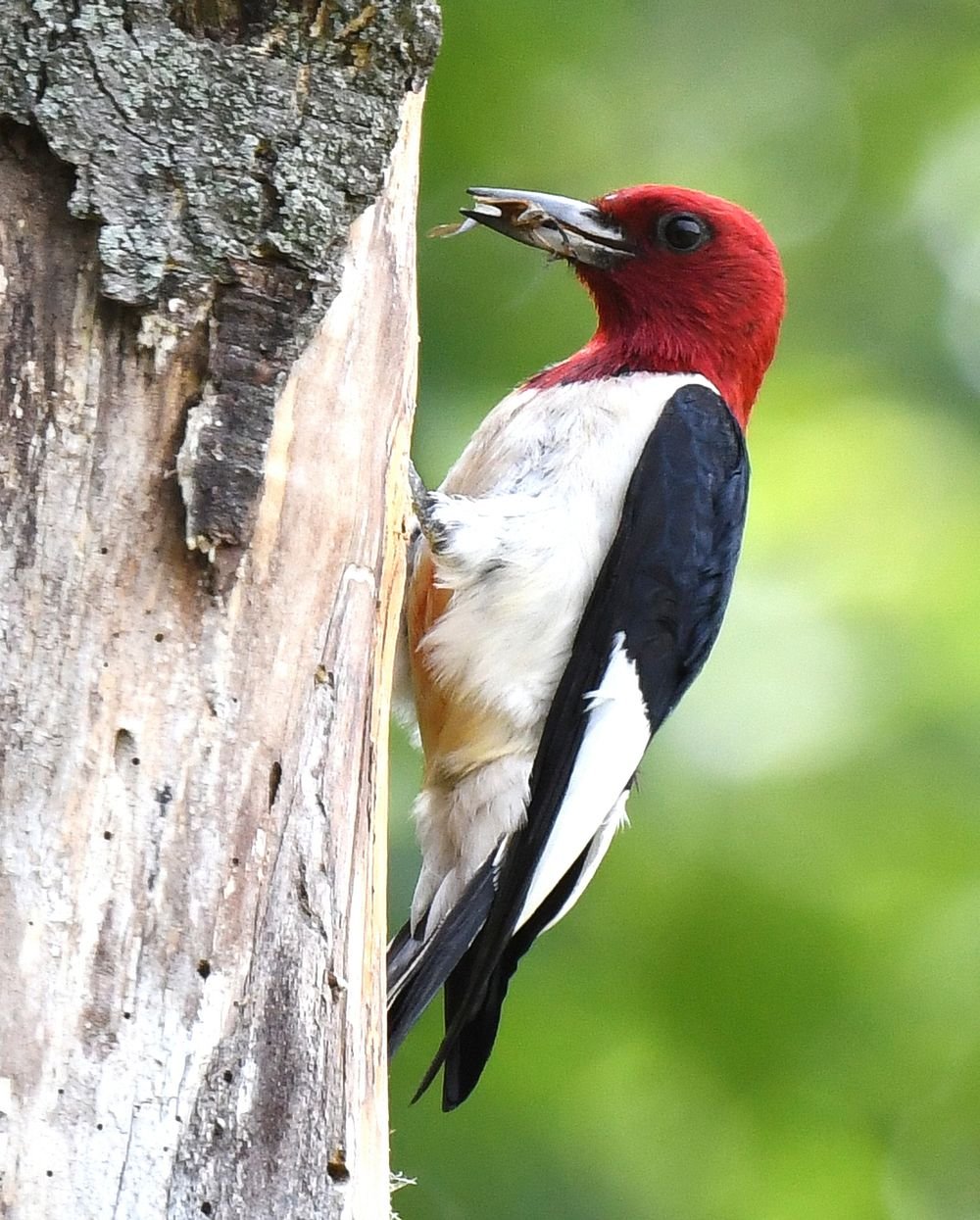
Several birds have red heads. The Red-headed Woodpecker has a fully crimson head. The Northern Cardinal is solid red with a crest.
House Finches show red on the face and throat. Turkey Vultures have bare red skin, not feathers.
Why Head Color Alone Won't Tell You What Bird You're Looking At
Red heads show up across totally unrelated bird families. Woodpeckers, finches, tanagers, cranes, and vultures all wear some shade of red up top.
Some have fully red heads. Others just show a small red cap or patch. That difference matters more than most people realize.
Diet plays a role too. Carotenoid pigments from berries and insects create much of the red coloring you see in feathers.
Skin-based red works differently. On a vulture, it's bare skin, not feathers, and that detail alone rules out several species fast.
Key Visual Identifiers: Size, Body Pattern, and Head Shape at a Glance
Size is your fastest filter. A sparrow-sized finch and a four-foot crane are never getting confused once you factor in scale.
Body pattern narrows things further. Black-and-white wings point toward a woodpecker. Solid red with a crest points toward a cardinal.
| Bird | Head Color | Body Size | Body Pattern |
|---|---|---|---|
| Northern Cardinal | Fully red | 8.3 to 9.1 in | Solid red body, crest |
| Red-headed Woodpecker | Fully red | 7.5 to 9.1 in | Black and white body |
| House Finch | Red face and throat | 5 to 5.5 in | Streaky brown |
| Purple Finch | Deep red head | 5.5 to 6.3 in | Raspberry wash overall |
Red-Headed Woodpecker vs. Red-Bellied Woodpecker
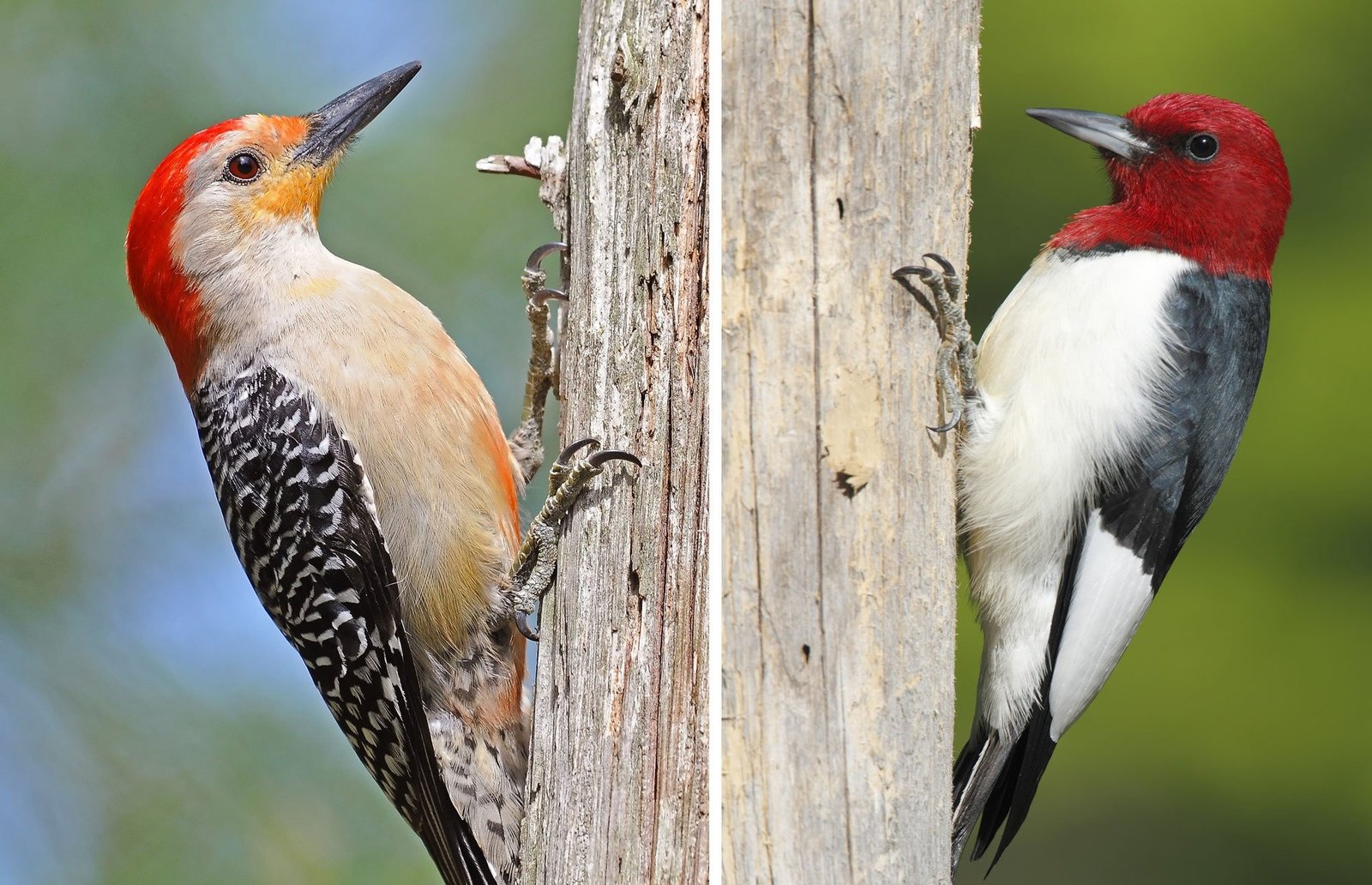
Their names cause endless confusion. The Red-headed Woodpecker has a full, solid red head from chin to nape.
The Red-bellied Woodpecker only shows a red stripe down the back of its neck. Its belly barely shows any red at all, despite the name.
Northern Cardinal vs. Summer Tanager
Cardinals have a pointed crest and a thick orange beak. Summer Tanagers are crestless, and only males turn fully red during breeding season, sometimes showing a blotchy molt in between.
House Finch vs. Purple Finch
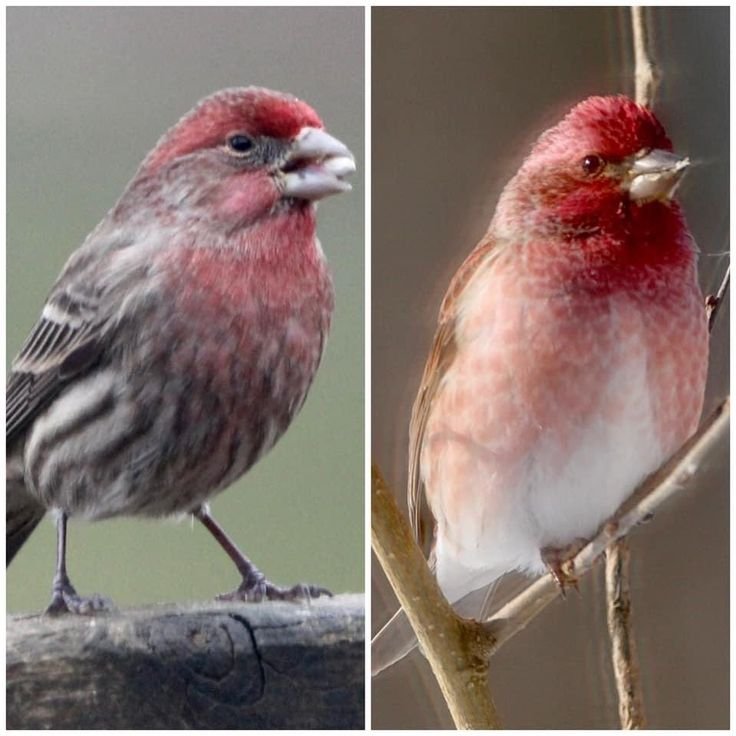
House Finches show red limited to the face, throat, and chest. Purple Finches carry a deeper, wine-red wash across the whole head and back.
Bare Red Skin vs. Red Feathers: Turkey Vultures, Cranes, and Other Look-Alikes
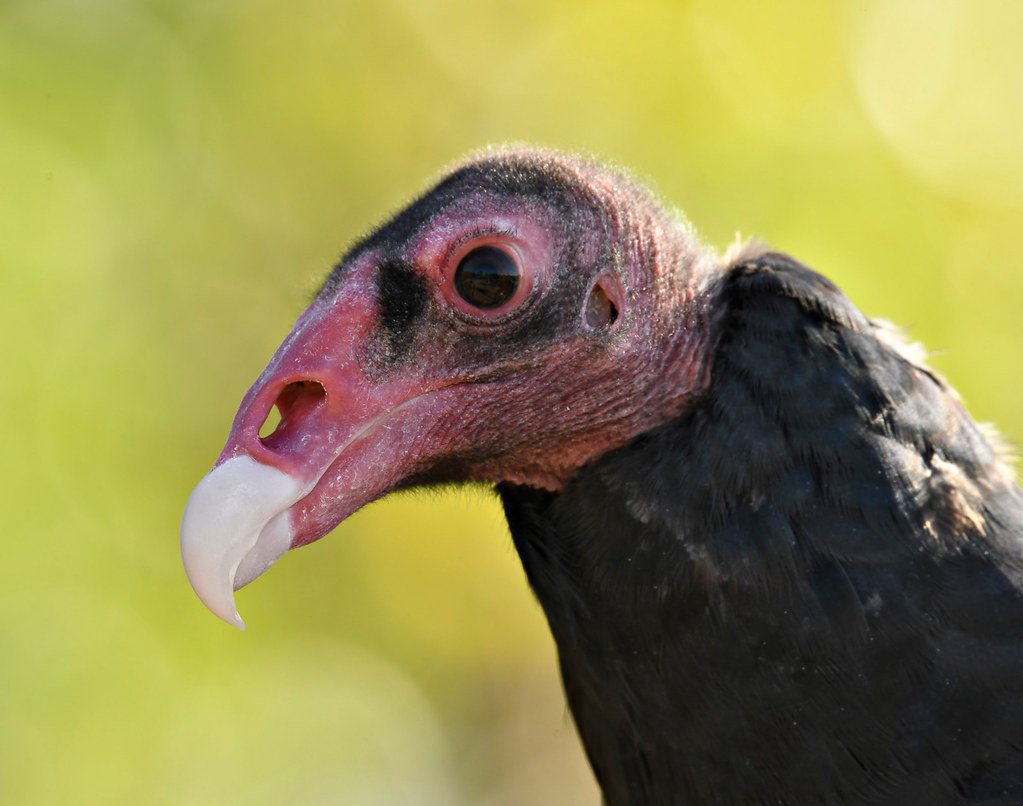
Not every red head comes from feathers. Turkey Vultures and Sandhill Cranes both show bare, red skin instead.
That skin looks leathery, not fluffy. It stays red year-round and doesn't molt the way feathers do.
Turkey Vultures soar with wings held in a shallow V shape, called a dihedral. Sandhill Cranes stand tall, with red limited to a small patch on the crown, not the full head.
Where You're Standing Matters: Range, Habitat, and Season Clues
Location narrows your options fast. The Red-headed Woodpecker sticks mostly to the Eastern and Midwestern US.
Vermilion Flycatchers show up in the Southwest and rarely anywhere else. Range maps from the Cornell Lab track these patterns closely, and they shift slightly each year with habitat change.
Season matters too. Breeding males often show brighter, fuller red than they do in winter plumage.
Common Identification Mistakes (And How to Avoid Them)
Most misidentifications happen because people focus on color and skip everything else. Here's what trips birders up most, and how to fix it.
Missing juvenile plumage. Young Red-headed Woodpeckers have brown, not red, heads until their first full molt. If the body pattern looks right but the color's off, check the bird's age.
Catching the molt window. Male Summer Tanagers turn blotchy yellow-and-red mid-transition. That patchy look isn't a different species, it's just timing.
Ignoring range maps. A "Vermilion Flycatcher" spotted in Ohio is almost certainly something else, since that species rarely strays from the Southwest.
Confusing skin with feathers. A Turkey Vulture's red head comes from bare skin, not plumage. Feather-based red fades and molts. Skin-based red stays constant.
Skipping size comparison. A finch and a cardinal can look similar in bad light. Compare against something known nearby, like a sparrow, to judge scale accurately.
Run through this list before locking in an ID. It takes ten seconds and saves you from a wrong entry in your birding log.
Frequently Asked Questions
What small bird has a red head?
The House Finch is the most common small bird with a red head. Males show red on the face, throat, and chest, while females stay brown and streaky. Purple Finches look similar but carry a deeper, wine-colored wash across more of the head.
What black and white bird has a red head?
That's almost always the Red-headed Woodpecker. It has a fully red head, a black back, and bold white wing patches. The Pileated Woodpecker also shows black and white with red, but only on a crest, not the whole head.
Why do some birds have red heads but others don't?
Red coloring usually comes from carotenoid pigments in a bird's diet. Species that eat more berries and red-pigmented insects tend to show brighter red feathers. Bare-skin red, like on vultures, works through blood vessels near the surface instead of pigment.
Is a red-headed bird always a woodpecker?
No. Red heads show up in finches, tanagers, cranes, vultures, and even flycatchers. Woodpeckers just stand out more because of their bold black-and-white contrast.
Do female birds have red heads too?
Usually not, or not as brightly. In most red-headed species, males carry the vivid color while females stay duller for camouflage while nesting. The Red-headed Woodpecker is an exception, since both sexes show the same solid red head.
Final Identification Checklist: Nail Down Your Bird in 4 Steps
If you're staring at a red-headed bird right now, run through this order. It moves fastest from broad to specific.
- Check the size. Compare it to a bird you already know, like a sparrow or robin.
- Look at the body pattern. Black and white points to a woodpecker. Solid red with a crest points to a cardinal.
- Confirm the red type. Feathers or bare skin? That alone eliminates half your options.
- Cross-check location and season. Pull up a range map or check eBird sightings near you for confirmation.
Follow those four steps in order and you'll land on the right species almost every time. Color gets you started, but size, pattern, and range are what actually close the case.
