Common Backyard Birds in the USA are easier to identify once you stop looking for “a red bird” or “a little brown bird” and start noticing shape, posture, bill type, and behavior. That’s the real trick. A Northern Cardinal, House Finch, and American Robin can all show warm reddish color, but they don’t look or act the same.
As of 2026, the Cornell Lab of Ornithology’s eBird project contains millions of public bird observations, which helps show which species are truly common by region and season. A field mark is a visible clue, like a wing bar, eye ring, crest, or streaked breast. Let’s start with the fast answer most backyard birders want first.
Quick Answer
Common Backyard Birds in the USA include cardinals, robins, finches, chickadees, and doves. Blue Jays, woodpeckers, sparrows, wrens, and goldfinches are also widespread. Your exact birds depend on region, season, habitat, and feeders.
Use size, shape, color, sound, and behavior together.
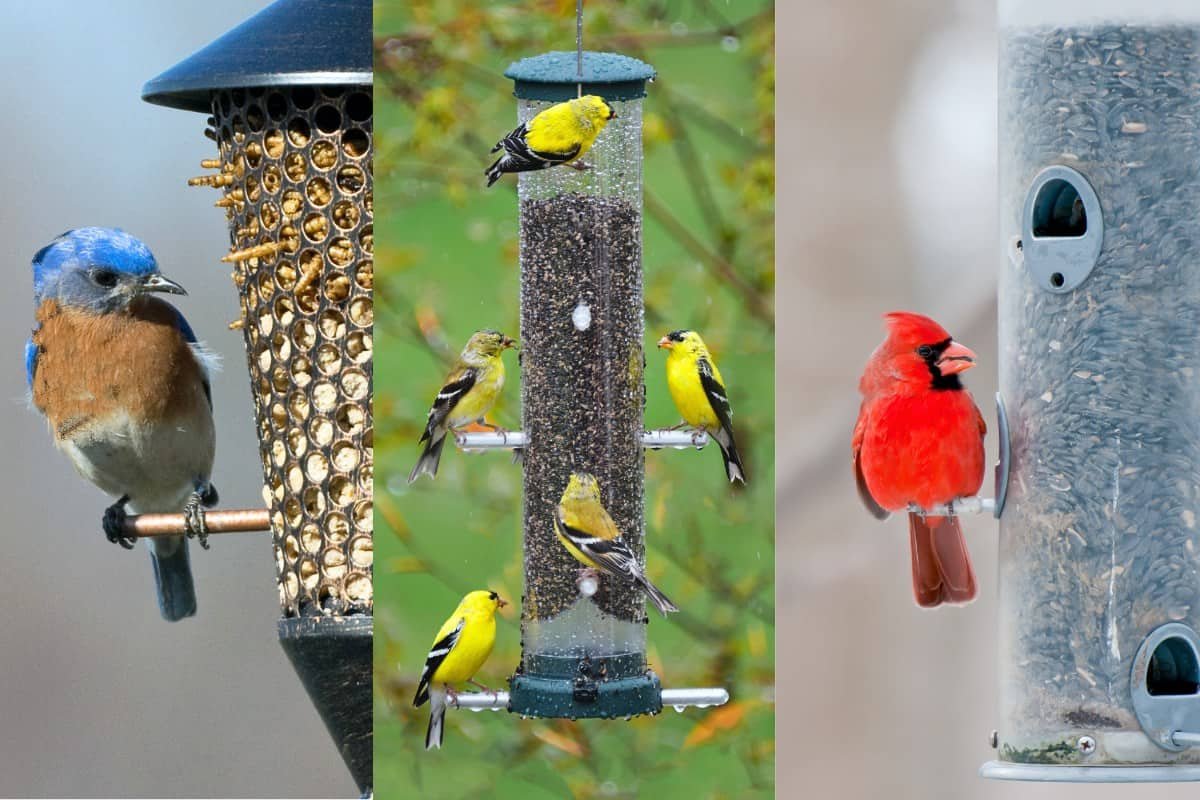
Image source: Bing (Web (fair-use with source credit))
Why Visual Clues Matter More Than Color Alone
Color helps, but it can fool you fast. Light changes color. Females often look duller than males.
Young birds can look nothing like the adults in a field guide.
A “yellow bird” could be an American Goldfinch, Pine Siskin, Yellow Warbler, or female oriole in odd light. A “red bird” might be a Northern Cardinal, House Finch, Purple Finch, or male Summer Tanager in the right region.
Better bird identification starts with structure. Look at body shape, bill shape, tail length, posture, and movement. A chickadee looks round and compact.
A nuthatch often creeps headfirst down a tree trunk.
A good bird diagram would label the crown, eye line, throat, breast, wing bars, rump, and tail. Those marks matter because they stay useful even when color looks washed out.
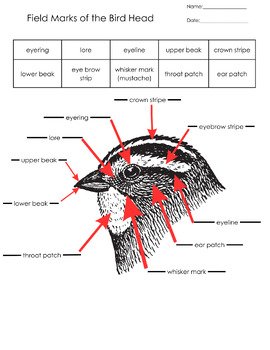
Image source: Bing (Web (fair-use with source credit))
Use this order when you spot a bird:
- Size: Is it sparrow-sized, robin-sized, dove-sized, or crow-sized?
- Shape: Is it round, slim, upright, chunky, or long-tailed?
- Bill: Is it thick for seeds, thin for insects, or long for nectar?
- Behavior: Is it hopping, walking, clinging, hovering, or soaring?
- Place: Is it on the ground, feeder, fence, shrub, or tree trunk?
That method beats guessing by color every time.
How to Identify Backyard Birds Step by Step
The quickest way to identify a backyard bird is to narrow it down before chasing details. If a bird is tiny, hovering, and visiting flowers or a nectar feeder, think hummingbird first. If it clings to bark and pecks, start with woodpeckers or nuthatches.
Start With Size and Shape
Compare the bird to something familiar. Birders often use House Sparrow, American Robin, Mourning Dove, and American Crow as size anchors. This makes quick sightings much easier.
| Size clue | Common reference bird | Likely backyard groups |
|---|---|---|
| Very small | Ruby-throated Hummingbird | Hummingbirds |
| Small | Black-capped Chickadee | Chickadees, goldfinches, wrens |
| Sparrow-sized | House Sparrow | Sparrows, finches, juncos |
| Robin-sized | American Robin | Robins, mockingbirds, bluebirds |
| Dove-sized | Mourning Dove | Doves, flickers, grackles |
| Crow-sized | American Crow | Crows, ravens, large blackbirds |
Check the Beak, Tail, and Posture
A thick cone-shaped bill usually means a seed eater, like a finch, cardinal, or sparrow. A thin pointed bill often points to insect hunters, like wrens, warblers, and bluebirds. A long needle-like bill at flowers means hummingbird.
Posture helps too. Northern Cardinals sit upright with a crest. White-breasted Nuthatches cling sideways or upside down.
Dark-eyed Juncos often feed low and flash white outer tail feathers when they fly.
Use Sound, Season, and Region to Confirm
Range matters. A Carolina Chickadee is common in the Southeast, while a Black-capped Chickadee is more northern. The Cornell Lab of Ornithology is one of the strongest official resources for checking range, calls, and visual field marks.
Season matters just as much. Dark-eyed Juncos crowd many winter feeders, then disappear north or uphill in spring. American Goldfinches turn bright yellow in breeding season, then look much duller in winter.
Common Backyard Birds in the USA: Visual ID Guide
Most yards attract a mix of seed eaters, insect eaters, fruit eaters, and nectar feeders. The species below are among the birds many Americans see from windows, patios, gardens, and feeders.
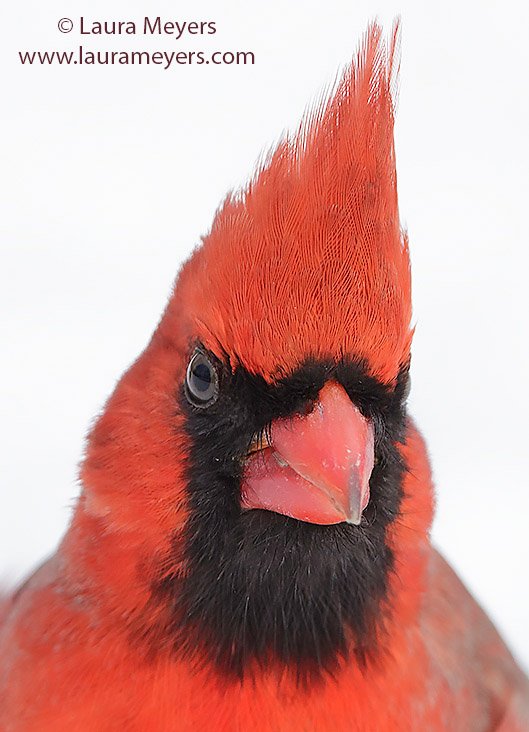
Image source: Bing (Web (fair-use with source credit))
| Bird | What to look for | Common clue |
|---|---|---|
| Northern Cardinal | Crest, thick orange bill, red male | Often sings from shrubs |
| American Robin | Orange breast, gray back, upright stance | Hunts worms on lawns |
| Blue Jay | Blue upperparts, crest, bold black necklace | Loud calls and strong flight |
| Mourning Dove | Soft tan body, long pointed tail | Feeds on the ground |
| American Goldfinch | Yellow male in breeding season, black wings | Bouncy flight pattern |
| House Finch | Brown streaks, red male head and breast | Common at seed feeders |
| Black-capped Chickadee | Black cap, white cheeks, tiny body | Quick feeder visits |
| Tufted Titmouse | Gray crest, pale belly, dark eye | Carries seeds away |
| White-breasted Nuthatch | White face, blue-gray back, short tail | Walks down tree trunks |
| Downy Woodpecker | Small woodpecker, short bill | Visits suet feeders |
| Carolina Wren | Warm brown body, bold white eyebrow | Loud, ringing song |
| Dark-eyed Junco | Gray or brown body, white belly | Common winter ground feeder |
Red or orange birds often grab attention first. Northern Cardinals are easy in the East and central states. American Robins show orange on the breast, not the whole body.
House Finches look streakier and less cleanly marked.
Small brown birds are harder. Look for breast streaks, face patterns, and behavior. Song Sparrows pump their tails and show heavy streaking.
House Sparrows have chunkier bills and often gather around buildings.
Blue and black birds can be bold and noisy. Blue Jays have a crest and strong black facial markings. Common Grackles look glossy and long-tailed.
Red-winged Blackbirds often appear near wetlands, fields, and wet ditches.
For more feeder activity, a few wildlife-friendly yard changes can bring a wider mix of birds without making your yard messy.
Easy Lookalike Mistakes: Birds People Often Confuse
Backyard birding gets tricky when two species share the same size, color, or feeder habit. The fix is to compare one reliable field mark at a time. Don’t try to memorize every detail at once.
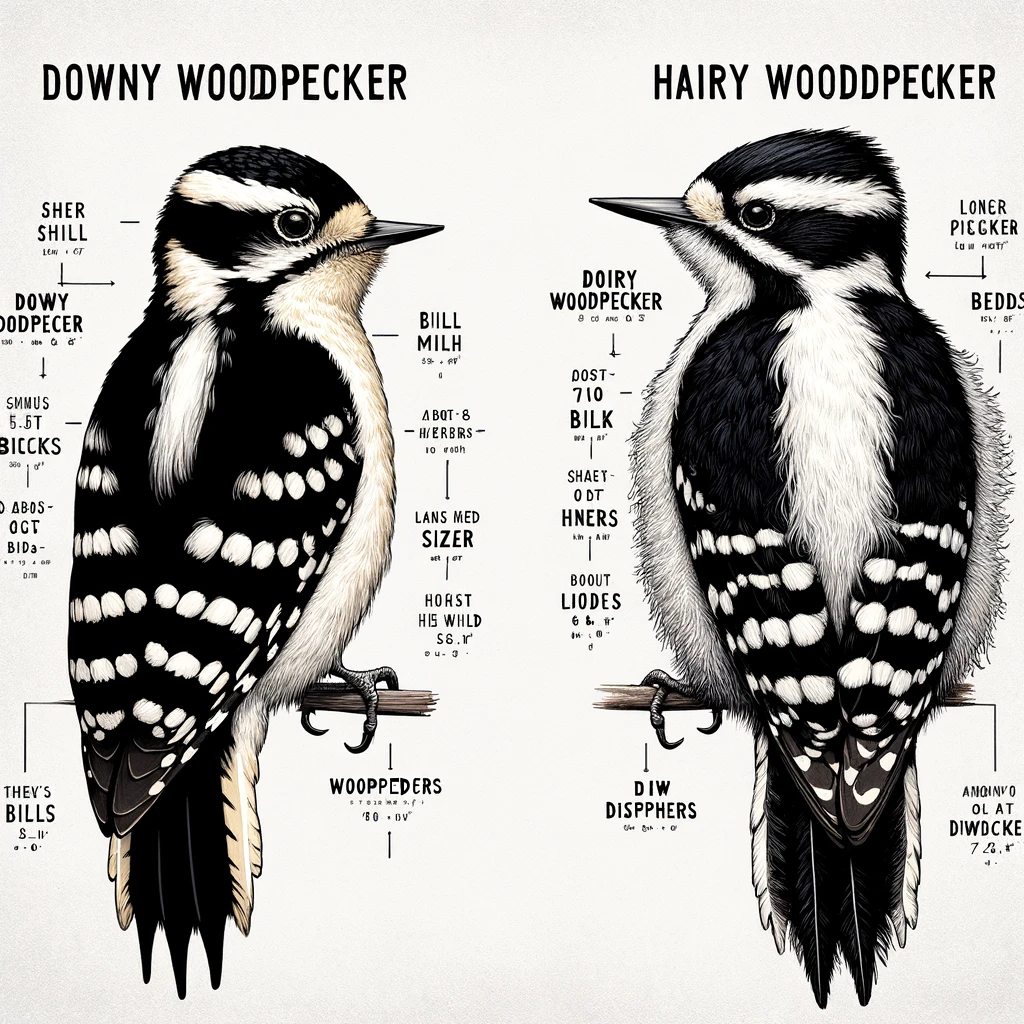
Image source: Bing (Web (fair-use with source credit))
| Lookalike pair | Best clue | Quick tip |
|---|---|---|
| Downy Woodpecker vs Hairy Woodpecker | Bill length | Downy has a short, stubby bill |
| House Finch vs Purple Finch | Face and streaking | Purple Finch looks more raspberry-washed |
| Mourning Dove vs Eurasian Collared-Dove | Neck marking | Collared-Dove has a black neck collar |
| Black-capped Chickadee vs Carolina Chickadee | Range and song | Location often solves it first |
| Song Sparrow vs female House Finch | Bill and face | Finch has a thicker seed-cracking bill |
| American Goldfinch vs Pine Siskin | Streaking | Pine Siskins look thinner and streakier |
| Cooper’s Hawk vs Sharp-shinned Hawk | Head and tail shape | Cooper’s looks larger-headed and rounder-tailed |
Woodpeckers cause a lot of confusion. Downy Woodpeckers and Hairy Woodpeckers share the same black-and-white pattern, but the bill gives them away. On a Downy, the bill looks short compared with the head.
On a Hairy, it looks longer and stronger.
Finches can be just as sneaky. Male House Finches often show red on the head, throat, and upper breast. Purple Finches look more evenly washed with reddish-purple, especially across the head and back.
If you’re unsure, take a quick photo through the window. Even a blurry photo can preserve size, posture, tail shape, and bill shape. Those clues are often enough when you compare them with an official range map or field guide later.
How to Attract More Backyard Birds Safely
The best bird magnet is a yard with food, water, cover, and safe nesting spots. Feeders help, but native plants do more over time. They support insects, berries, seeds, and shelter in a way packaged seed never can.
Start with the basics:
- Add black oil sunflower seed for cardinals, finches, chickadees, and titmice.
- Use nyjer seed for American Goldfinches and Pine Siskins.
- Offer suet for woodpeckers, nuthatches, wrens, and chickadees.
- Keep a shallow bird bath with clean water.
- Plant native shrubs, grasses, and berry-producing trees.
If birds ignore your feeder, check placement first. Birds like nearby cover, but not dense hiding spots where cats can ambush them. A feeder near shrubs or small trees feels safer than one stranded in open lawn.
Cleanliness matters. Old seed can mold, and dirty feeders can spread disease. If you’re building a better feeding area, these simple habitat upgrades pair well with feeders and water.
Hummingbirds need plain sugar water, not red dye. Use 1 part white sugar to 4 parts water. Change it every few days, and more often during hot weather.
For a quick yard plan, think in layers:
| Yard feature | Birds it helps |
|---|---|
| Native flowers | Hummingbirds, goldfinches, insect eaters |
| Dense shrubs | Cardinals, wrens, sparrows |
| Mature trees | Woodpeckers, nuthatches, chickadees |
| Leaf litter | Robins, thrashers, juncos |
| Clean water | Nearly all backyard birds |
More variety usually means more species. A single feeder brings a few birds. A living yard brings a community.
Backyard Bird Safety, Laws, and Good Birding Habits
Backyard birding should help birds, not create extra risk. The biggest preventable problems are window collisions, outdoor cats, spoiled food, dirty feeders, and unsafe nest disturbance. Small changes can make a real difference.
Keep feeders clean and watch for sick birds. If you see birds with swollen eyes, crusty faces, fluffed feathers, or poor balance, take feeders down and clean them well. Let the area rest before putting food out again.
Window strikes are another major issue. Birds often see reflected trees or sky and fly straight into glass. External window patterns, closely spaced decals, screens, or hanging cords can reduce collisions.
Legal protection matters too. The U.S. Fish and Wildlife Service oversees the Migratory Bird Treaty Act, which protects most native birds, their nests, eggs, and feathers.
Don’t remove active nests unless a qualified wildlife authority tells you to.
Use these habits as your safety checklist:
- Keep cats indoors or in a secure outdoor enclosure.
- Place feeders away from ambush cover.
- Clean feeders and bird baths often.
- Skip bread, salty scraps, and spoiled seed.
- Avoid pesticides where birds forage.
- Leave fledglings alone unless they’re injured or in danger.
Nest boxes also need care. Match the entrance hole to the target species, add a predator guard, and clean the box after nesting season. Good backyard habitat planning keeps safety built in from the start.
Frequently Asked Questions
What is the most common backyard bird in the USA?
The most common backyard bird depends on where you live. Mourning Doves, American Robins, Northern Cardinals, House Finches, Blue Jays, and House Sparrows are seen often across large parts of the country. FeederWatch and eBird data show strong regional differences, so your local “most common” bird may change by season.
How do I identify a bird I saw for only a few seconds?
Start with size, shape, and behavior. Ask whether it was sparrow-sized, robin-sized, or crow-sized. Then note where it was feeding, how it moved, and any bold field mark you noticed.
A quick phone photo can help confirm bill shape, tail length, and posture.
What food attracts the widest variety of backyard birds?
Black oil sunflower seed attracts one of the broadest mixes of common feeder birds. Cardinals, chickadees, titmice, nuthatches, finches, and woodpeckers all use it. Add suet for insect-eating birds, nyjer for goldfinches, and native plants for long-term food.
A more natural feeding setup usually works best.
Why did my backyard birds suddenly disappear?
Birds often move when natural food becomes abundant, predators appear, feeders get dirty, or weather changes. Hawks can make feeder birds hide for hours. During nesting season, many birds switch from seeds to insects.
Clean your feeder, check the seed, and keep water available before assuming they’re gone for good.
Are House Sparrows and European Starlings native birds?
No. House Sparrows and European Starlings are non-native in North America. They’re common in many towns, farms, and suburbs, and they can compete with native cavity-nesting birds.
Native species like chickadees, bluebirds, wrens, and woodpeckers benefit from properly sized nest boxes and safer yard cover.
What is the best time of day to watch backyard birds?
Early morning is usually best. Birds feed actively after sunrise, and spring song is strongest during the dawn chorus. Late afternoon can also be productive, especially around feeders and bird baths.
In hot weather, many birds slow down during midday and return when temperatures ease.

One thought on “Common Backyard Birds in the USA: A Beginner’s Guide”