How to Tell If a Hummingbird Is Male or Female: Easy Clues
If you’re staring at a tiny bird buzzing around your feeder, how to tell if a hummingbird is male or female usually comes down to what you can see: throat color, tail markings, and overall plumage. Behavior helps a little, but it can fool you fast. A pushy bird at a feeder isn’t automatically male.
Hummingbirds are tiny, often around 3 to 5 inches long, so small field marks matter. As of 2026, the most reliable public bird ID tools, including the Cornell Lab of Ornithology, still lean heavily on visual traits first. A clear side view, good light, and a quick look at the tail will usually tell you more than a minute of feeder drama.
Image source: Bing (Web (fair-use with source credit))
Quick Answer
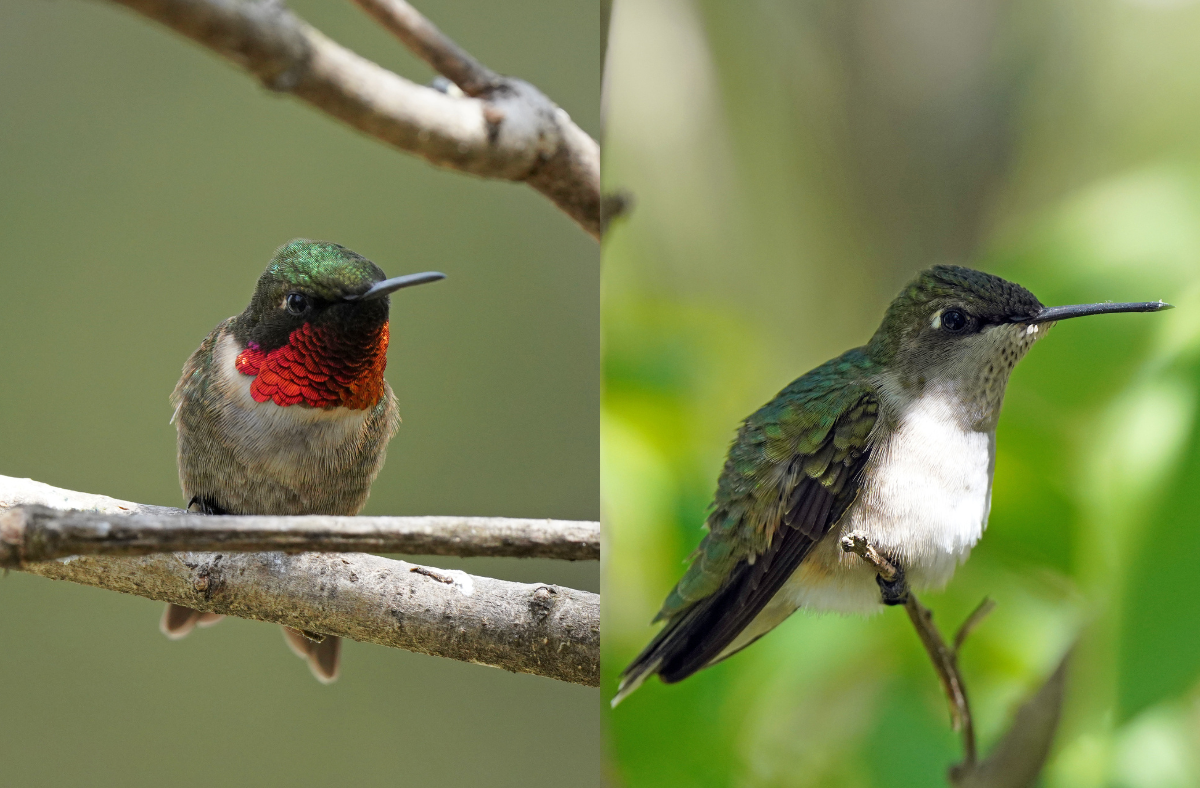
How to tell if a hummingbird is male or female starts with the throat. Males often have bright iridescent gorgets. Females usually have pale, spotted, or plain throats.
Tail shape and white tail tips add important clues.
Why visual clues matter more than behavior
Hummingbirds move fast, but their feathers tell the best story. The main thing to look for is the gorget, which is the patch of iridescent feathers on the throat. In many species, adult males have a bold, shining gorget.
Females usually have a pale throat, sometimes with light spotting.
Behavior is tempting because it’s easy to notice. A bird may chase others from a feeder, hover aggressively, or guard a flower patch. That can look “male,” but female hummingbirds can be territorial too, especially around rich food sources.
Visual clues are steadier than mood. A good photo or binocular view lets you check:
- Throat color and shine
- Tail shape
- White tips on outer tail feathers
- Crown color, in some species
- Overall body brightness
Lighting changes everything. A male Ruby-throated Hummingbird can look like he has a black throat until sunlight hits the feathers. Then the gorget flashes ruby red.
That’s why a single dark throat view isn’t enough.
If you’re watching from a garden, small habitat choices can help you get better looks. Planting nectar flowers and placing feeders where birds pause nearby can improve your viewing angles. A yard planned for more feathered visitors gives you more chances to compare birds calmly.
Start with the species: male and female markings change by hummingbird type
Before you decide male or female, identify the species if you can. This matters because hummingbird sex differences are species-specific. A male Anna’s Hummingbird does not look like a male Ruby-throated Hummingbird.
A female Rufous Hummingbird has different clues than a female Black-chinned Hummingbird.
Think of it like reading a map. The species tells you which field marks count most. Once you know the species, the sex clues make much more sense.
Here’s a simple starting point for common North American hummingbirds:
| Species | Adult male clue | Adult female clue |
|---|---|---|
| Ruby-throated Hummingbird | Ruby red throat | White throat, white-tipped tail |
| Anna’s Hummingbird | Rose-red head and throat | Grayish throat, possible red spotting |
| Black-chinned Hummingbird | Dark throat with purple lower band | Pale throat, rounded tail |
| Rufous Hummingbird | Orange back or sides, bright throat | Green back, rusty sides, spotted throat |
| Costa’s Hummingbird | Purple throat flares at sides | Pale underside, small throat spots |
Range helps too. In much of the eastern United States, Ruby-throated Hummingbird is the expected breeding species. In the West and Southwest, several species may overlap.
The U.S. Fish and Wildlife Service is a good authority for bird conservation rules and native bird protection.
Location, season, and habitat narrow your options. A winter hummingbird on the Pacific Coast may be Anna’s. A spring migrant in an eastern backyard is more likely Ruby-throated.
Good local planting also helps attract repeat visits, and those steady visits make yard bird activity easier to study.
Step-by-step visual guide to sexing a hummingbird
The easiest method is to work from the most reliable clues to the weakest ones. Don’t start with behavior. Start with visible field marks.

Image source: Bing (Web (fair-use with source credit))
Check the throat or gorget first
Look at the throat in good light. Adult males often show a bright gorget, such as ruby, purple, rose, orange, or magenta, depending on the species. Females usually show a white, gray, buffy, or lightly spotted throat.
If the throat looks black, wait for a different angle. Iridescent feathers can look dark when light misses them.
Look at the tail shape and white tail tips
Tail markings are very useful, especially when the throat is unclear. Many females have rounded tails with white tips on the outer feathers. Many adult males have darker, more pointed, or forked tails.
This clue works best when the bird fans its tail while hovering or perching. A quick rear view can sometimes tell you more than a front view.
Compare body color, crown color, and overall brightness
Males are often brighter, but that’s not a universal rule. Some females have green backs and warm sides. Some immature males look dull until their adult feathers come in.
Use body color as a supporting clue, not the final answer. If your garden brings birds close to perches, backyard viewing spots can make these small color differences much easier to see.
Use size and bill shape only as supporting clues
Size is tricky. Females can be slightly larger in some hummingbird species, but you won’t notice that easily at a feeder. Bill length and curve may help with species ID, not sex ID.
Use size only when you’re comparing two birds side by side. Even then, posture and distance can distort what you see.
Common visual mistakes that make hummingbirds hard to identify
Even experienced birders get hummingbirds wrong sometimes. They’re small, shiny, fast, and often seen for only a few seconds. The best fix is to slow down and check more than one clue.
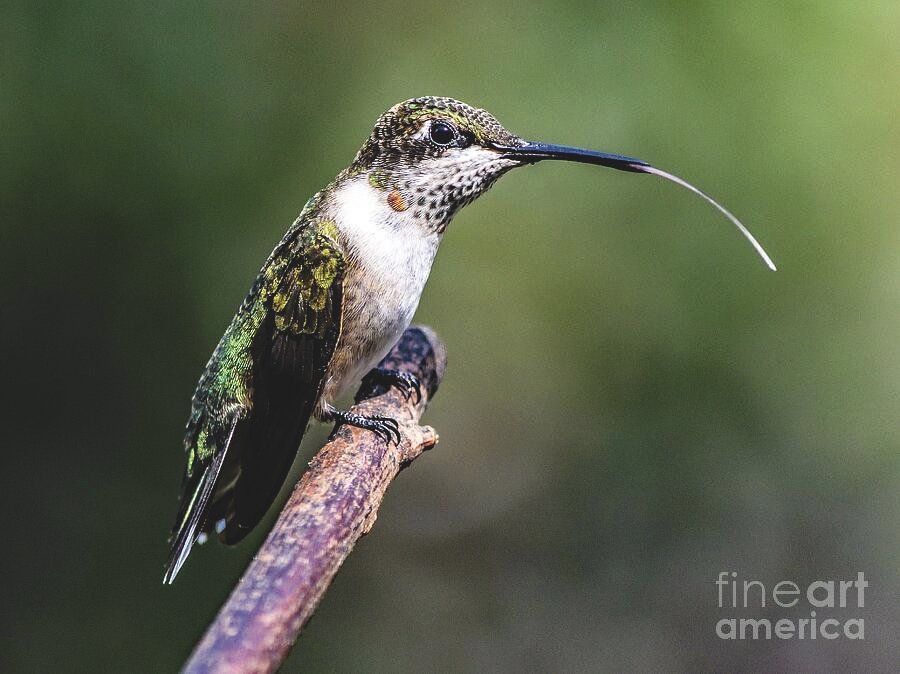
Image source: Bing (Web (fair-use with source credit))
Juvenile males can look like females
Young males often lack the full bright gorget. They may show a pale throat with a few dark or colored spots. That can make them look like adult females.
If you see scattered throat speckles, don’t rush. It may be a juvenile male starting to show adult plumage.
Iridescent throat feathers can look black or dull
A male hummingbird’s gorget only flashes when light hits it correctly. From the wrong angle, the same feathers may look black, brown, or plain. This is one of the biggest ID traps.
Move your viewing angle if you can do it without disturbing the bird. Better yet, watch until the bird turns naturally.
Feeder aggression doesn’t always mean male
Both sexes defend good food. A female can chase other hummingbirds from a feeder all day. A male may also perch nearby and guard a patch of flowers.
Behavior gives context, but it doesn’t confirm sex. Use it after checking throat and tail.
Poor lighting and fast movement hide key field marks
Backlighting washes out color. Shade can hide gorget shine. Blurry photos can make tail tips disappear.
Try watching early or late in the day when the light is soft but still bright. Place feeders near shrubs or small trees so birds perch between visits. The same setup that helps with attracting garden birds also gives you better ID opportunities.
Field marks by common North American hummingbird species
Species changes the whole ID puzzle. Once you know the likely species, sexing the bird gets much easier.
| Species | Male field marks | Female field marks |
|---|---|---|
| Ruby-throated Hummingbird | Ruby gorget, dark forked tail | White throat, white-tipped rounded tail |
| Anna’s Hummingbird | Rose-red head and throat | Gray underside, red throat spotting possible |
| Black-chinned Hummingbird | Black throat, thin purple band | Pale throat, green back, rounded tail |
| Rufous Hummingbird | Coppery orange body, orange-red gorget | Green back, rusty sides, spotted throat |
| Broad-tailed Hummingbird | Rose-red gorget, green back | Pale throat, white-tipped tail |
| Calliope Hummingbird | Magenta throat streaks | Pale throat, buffy sides |
| Costa’s Hummingbird | Purple crown and flared gorget | Pale belly, small throat spots |
For Ruby-throated Hummingbirds, the tail is a strong clue. Adult males usually have a dark, forked tail without white tips. Females and young birds often show white corners on the tail.
Anna’s Hummingbirds can confuse people because females may show red spotting. A few red feathers do not automatically mean adult male. A full rose-red head and throat is the stronger male clue.
Rufous and Allen’s Hummingbirds are trickier in areas where both occur. Females and young birds can look very similar. In that case, record the sighting as uncertain unless you have sharp photos of the tail.
Practical tips for getting a better look without disturbing the bird
Good identification starts with patient watching. Don’t chase the bird, crowd a feeder, or approach a nest. Let the hummingbird choose its own perch.

Image source: Bing (Web (fair-use with source credit))
Set yourself up for side views. A side view shows the throat, tail, crown, and body shape better than a straight-on view. If the bird perches between feeder visits, that’s your best moment.
Helpful habits include:
- Watch with the sun behind you.
- Use binoculars from a comfortable distance.
- Take several photos, not one rushed shot.
- Note the date, location, and habitat.
- Compare throat and tail before judging behavior.
Keep feeders clean too. Cloudy nectar and mold can harm birds, and sick birds are harder to assess normally. Use plain white sugar and water at a 1:4 ratio, and skip red dye.
If you’re improving a yard for observation, add native tubular flowers and nearby shrubs. That creates feeding and resting spots. A thoughtful setup for better backyard bird habitat often gives you clearer, calmer views.
Frequently Asked Questions
Are male hummingbirds always more colorful than females?
Adult males are usually more colorful, especially on the throat. That rule can break down with juveniles, poor light, and species differences. Some females show throat spots or warm side color.
Always check the gorget, tail tips, and species before deciding.
Can a female hummingbird have a red throat?
Yes, some female hummingbirds can show red, purple, or dark spotting on the throat. That does not always mean male. A full, bright gorget is a better male clue.
Scattered spots often point to a female or immature male.
Is the hummingbird guarding my feeder male?
Not always. Female hummingbirds can be very defensive around feeders and flower patches. Food is valuable, especially during migration and nesting.
Use behavior as background information only. Visual field marks are more reliable than aggression.
How can I tell if a baby hummingbird is male or female?
Young hummingbirds are often hard to sex. Juvenile males may look like females until colored throat feathers appear. Look for tiny gorget spots, tail shape, and species-specific markings.
If the clues are weak, it’s fine to record the bird as juvenile or unknown.
What is the best photo angle for identifying sex?
A side view is usually best. It shows the throat, crown, tail shape, and body color in one frame. A rear view can help with tail tips.
A front view may show the gorget, but it can hide tail clues.

Similar Posts