Small Grey Bird With White Belly: Easy ID Guide
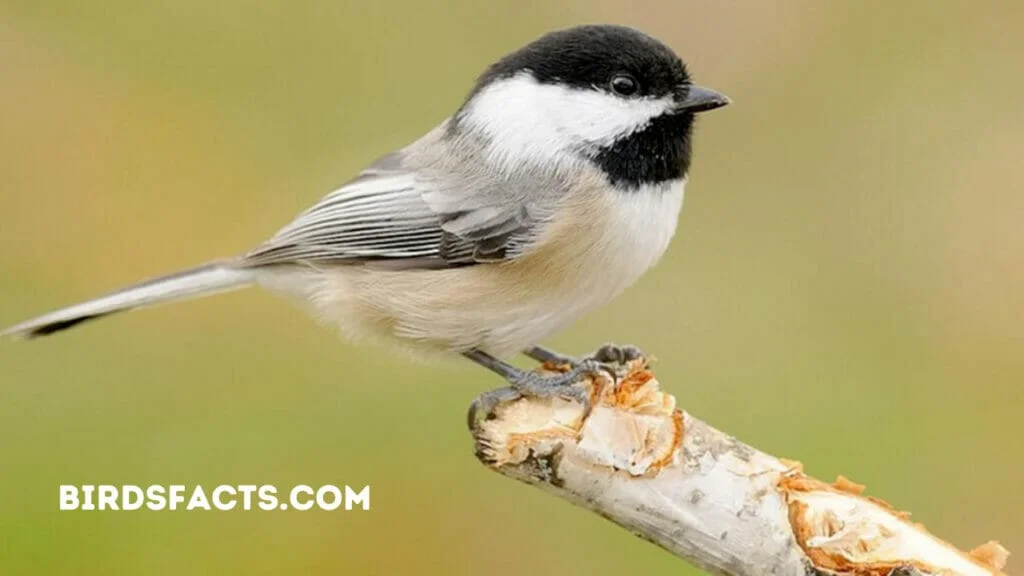
A small grey bird with white belly is usually not enough to name the species on color alone. Plenty of birds fit that description, including chickadees, titmice, nuthatches, juncos, gnatcatchers, phoebes, wagtails, and some young or female birds. The best way to narrow it down is to look at shape, markings, movement, and location.
As of 2026, Cornell Lab of Ornithology’s Merlin Bird ID uses photo, sound, date, and location clues to help identify birds, which shows how visual this kind of ID really is. A field mark is any visible feature that helps identify a bird, such as a bill shape, wing bar, eye ring, cap, or tail pattern. Let’s start with the clearest answer first.
Quick Answer
A small grey bird with white belly could be several species. Common matches include chickadees, titmice, juncos, nuthatches, phoebes, and gnatcatchers. Location and bill shape narrow it fast.
A clear photo helps more than color alone.
Image source: Bing (Web (fair-use with source credit))
Why Photos and Field Marks Matter So Much for Grey-and-White Birds
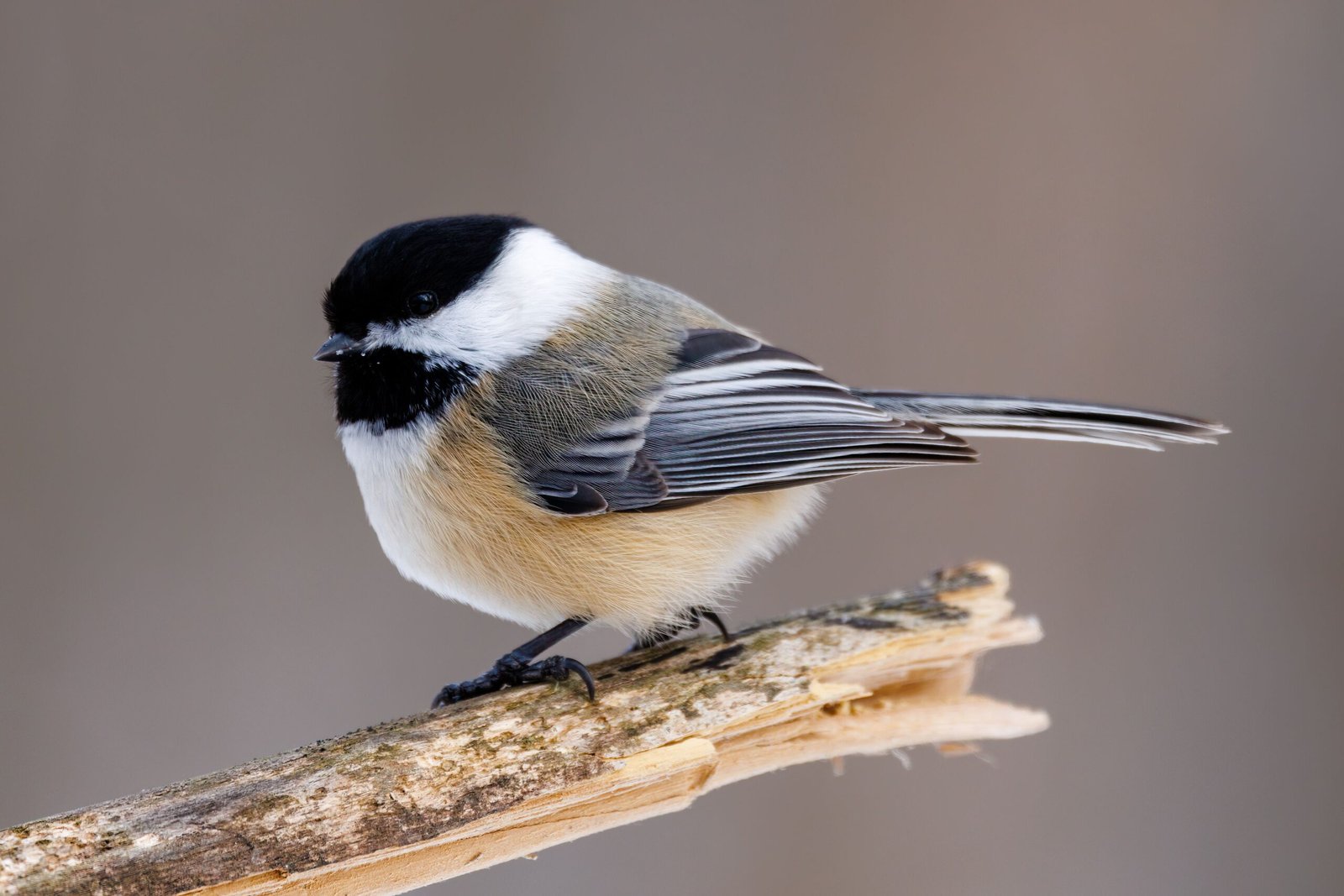
Grey-and-white birds are tricky because many species share the same basic color pattern. A Black-capped Chickadee, White-breasted Nuthatch, Dark-eyed Junco, and Blue-gray Gnatcatcher can all look like a grey bird with a pale underside in a quick glance. A photo freezes details your eyes may miss.

Image source: Bing (Web (fair-use with source credit))
Look for the parts that stay useful even when the light is poor:
- Bill shape
- Tail length
- Wing bars
- Eye ring
- Cap color
- Throat color
- Posture
- Feeding style
Color still helps, but it’s often the least reliable clue. Bright sun can make grey look blue. Shade can make white look dull.
A backlit bird can lose nearly every useful mark.
The best photo for identification shows the side of the bird, not just the belly. If you can, take two or three shots from different angles. Even a soft or distant photo can help if it shows tail shape, bill size, or wing pattern.
For a reliable ID process, the Cornell Lab of Ornithology is one of the strongest official sources. Its bird ID tools use the same basics experienced birders use in the field: size, shape, color pattern, behavior, range, and sound.
Step-by-Step Visual ID: What to Check First
Start with size, but don’t trust size alone. People often call any quick little bird “tiny,” even when it’s closer to sparrow-sized. Compare it with something familiar, like a House Sparrow, American Robin, European Robin, or Blackbird.

Image source: Bing (Web (fair-use with source credit))
Use this quick checklist while the bird is still in view:
| What to check | What it can tell you |
|---|---|
| Thin pointed bill | Often insect-eaters, such as warblers, vireos, or flycatchers |
| Thick cone-shaped bill | Often seed-eaters, such as finches or juncos |
| Long tail | Can point toward gnatcatchers, wagtails, or fantails |
| Short tail and round body | Often chickadees, tits, or bushtits |
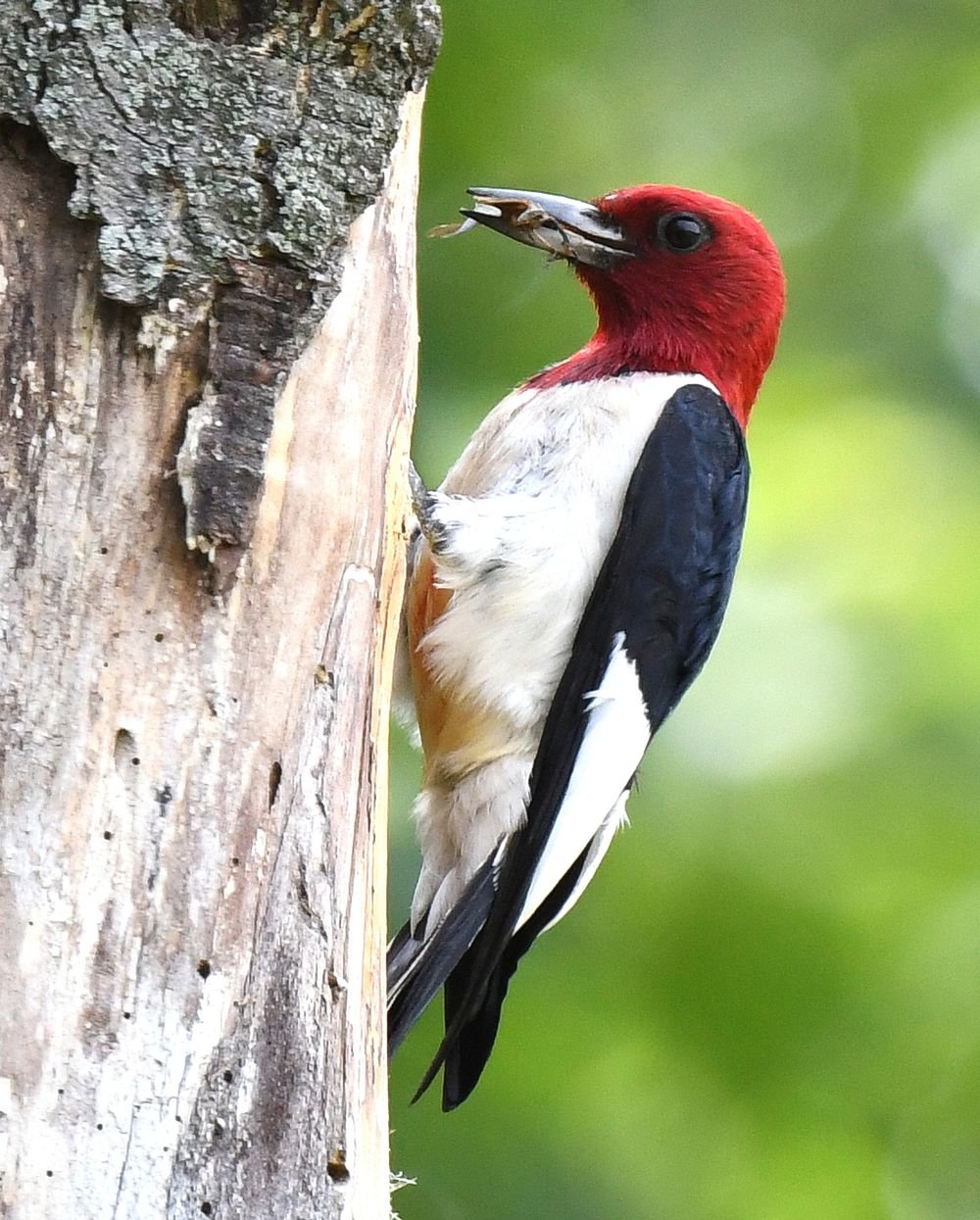
| Creeping on tree trunks | Strong clue for nuthatches |
| Tail pumping or bobbing | Common in phoebes and wagtails |
Next, separate the underside into parts. Is the throat white too, or only the belly? Is the breast grey, buff, streaked, or clean white?
These small details matter.
Then watch movement. Chickadees hop through branches. Nuthatches often move headfirst down trunks.
Phoebes sit upright and flick their tails. Wagtails walk on the ground and pump the tail often.
If the bird visits your garden often, improving food, cover, and water can bring it back for a better look. Simple changes to make your yard more bird-friendly can turn a one-second mystery into a repeat visitor.
Most Likely Birds That Match “Small Grey Bird With White Belly”
The right answer depends heavily on where you live. A bird that’s common in Ohio may be impossible in London or Melbourne. Start with your region before comparing individual species.
| Region | Likely matches | Best clue |
|---|---|---|
| North America | Black-capped Chickadee, Carolina Chickadee, Tufted Titmouse, White-breasted Nuthatch, Dark-eyed Junco, Eastern Phoebe, Blue-gray Gnatcatcher | Cap, bill, tail, and feeding behavior |
| UK and Europe | Pied Wagtail, White Wagtail, Eurasian Nuthatch, Chiffchaff, Willow Warbler, Spotted Flycatcher | Tail pumping, wing tone, song, habitat |
| Australia | Grey Fantail, Willie Wagtail, Silvereye, thornbills, robins | Tail shape, eye ring, restless movement |
| New Zealand | Grey Warbler, Silvereye, fantails | Song, eye ring, tail fanning |
In North America, chickadees are one of the most common matches. They’re small, active, grey-backed, and pale below, often with a black cap and white cheeks. Tufted Titmice are similar but have a crest and a slightly larger body.
Nuthatches look different once you notice posture. They cling to bark and often move upside down. A White-breasted Nuthatch has a clean white face and belly, grey-blue back, and a long pointed bill.
Juncos can fool people in winter. Many Dark-eyed Juncos are slate-grey above with white lower bellies. Their white outer tail feathers flash when they fly.
Phoebes and flycatchers tend to sit still, then dart out after insects. If the bird keeps returning to the same perch and dipping its tail, think phoebe.
Common Mistakes When Identifying a Small Grey Bird With a White Belly
The biggest mistake is naming the bird from color only. Grey back plus white belly is a starting clue, not an ID. Shape, behavior, and range do the real work.
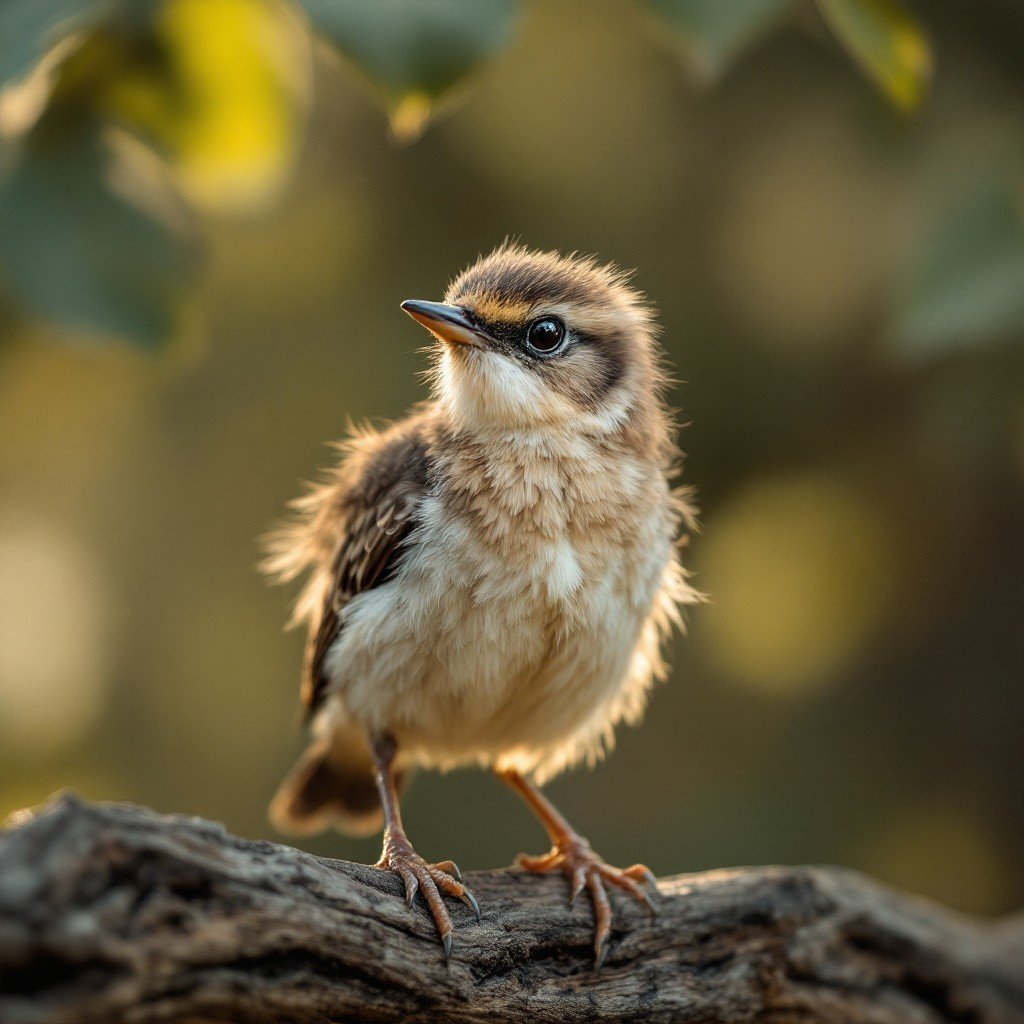
Another common error is ignoring age and sex. Female birds are often duller than males. Juveniles can look plain, fuzzy, streaky, or washed-out, even when adults of the same species have bold markings.
Watch out for these easy traps:
- Calling the breast the belly
- Missing a white throat or dark cap
- Judging size without comparison
- Forgetting the season
- Trusting one photo from a bad angle
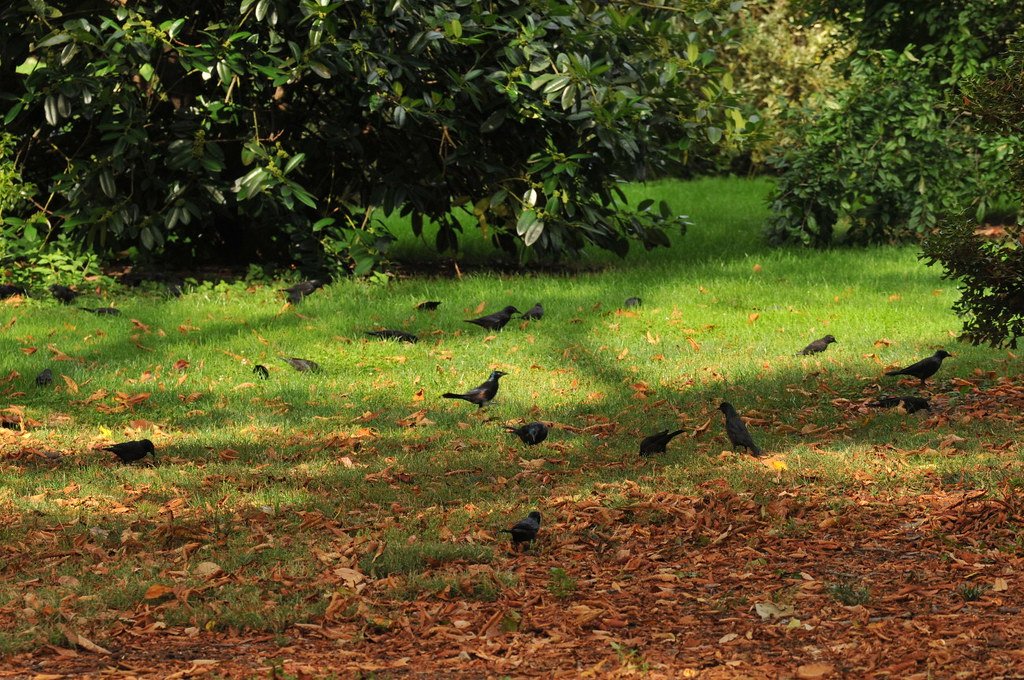
- Assuming feeder birds are the only options
- Confusing grey with brown, blue-grey, or olive-grey
Lighting causes plenty of wrong IDs too. A bird in shade may look dark grey. A bird in strong sun may look pale and washed out.
If the white belly is the only thing you saw clearly, leave the ID open.
Bird apps are helpful, but they’re not magic. Photo tools work best when the image shows the head, bill, wing, and tail. If the app gives several options, compare them against your location and season before choosing one.
How to Narrow the Bird Down by Location, Season, and Behavior
Location cuts the list faster than any color clue. If you’re in the eastern United States, Carolina Chickadee, Tufted Titmouse, Eastern Phoebe, and Dark-eyed Junco may rise quickly. If you’re in the UK, a Pied Wagtail or Chiffchaff makes more sense than a North American chickadee.
Season matters just as much. In winter, juncos move into yards and feed on the ground. In spring and autumn, migrating warblers, vireos, and flycatchers can appear for a day, then vanish.
Use this simple field filter:
| If you saw this | Think about these birds |
|---|---|
| On a tree trunk, moving downward | White-breasted Nuthatch or Eurasian Nuthatch |
| On the ground, tail bobbing often | Wagtail or phoebe |
| In shrubs, constantly flicking around | Gnatcatcher, warbler, fantail, or silvereye |
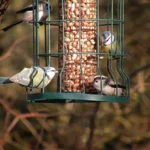
| At a seed feeder | Chickadee, titmouse, junco, finch, or sparrow |
| Returning to one open perch | Phoebe or flycatcher |
Habitat adds another clue. A bird near water, hedges, mature woodland, open lawns, or desert scrub may point you toward different families. A grey bird flicking through leafy branches is a different puzzle from one walking across a driveway.
Don’t forget sound. A plain grey bird can become obvious when it calls. Chickadees give sharp, familiar notes.
Phoebes often call their name. Chiffchaffs and Willow Warblers can look close, but their songs separate them quickly.
If you can shape your yard with shrubs, native plants, and clean water, more repeat visits give you better views over time. Repeated sightings also help you notice habits that one quick look won’t show.
Helpful Tools and Ethical Birdwatching Tips
A good bird ID tool combines your photo, location, date, and size estimate. Merlin Bird ID from the Cornell Lab is a strong starting point for beginners. eBird is useful when you want recent sightings near your exact area.

Image source: Bing (Web (fair-use with source credit))
Use tools in this order:
- Take a photo, even if it’s imperfect.
- Write down the location and date.
- Note habitat and behavior.
- Run the photo through a bird ID app.
- Compare the result with a regional field guide.
- Check recent local sightings.
Binoculars help, but you don’t need expensive gear. An 8×42 binocular is a common all-around size because it balances brightness and field of view. For backyard use, modest binoculars can reveal a cap, eye ring, wing bar, or bill shape.
Keep your birdwatching gentle. Don’t approach nests, handle wild birds, or play calls repeatedly during breeding season. In the United States, most native birds are protected under the [U.S.
Fish and Wildlife Service](https://www.fws.gov), and similar protections exist in the UK, Canada, Australia, and New Zealand.
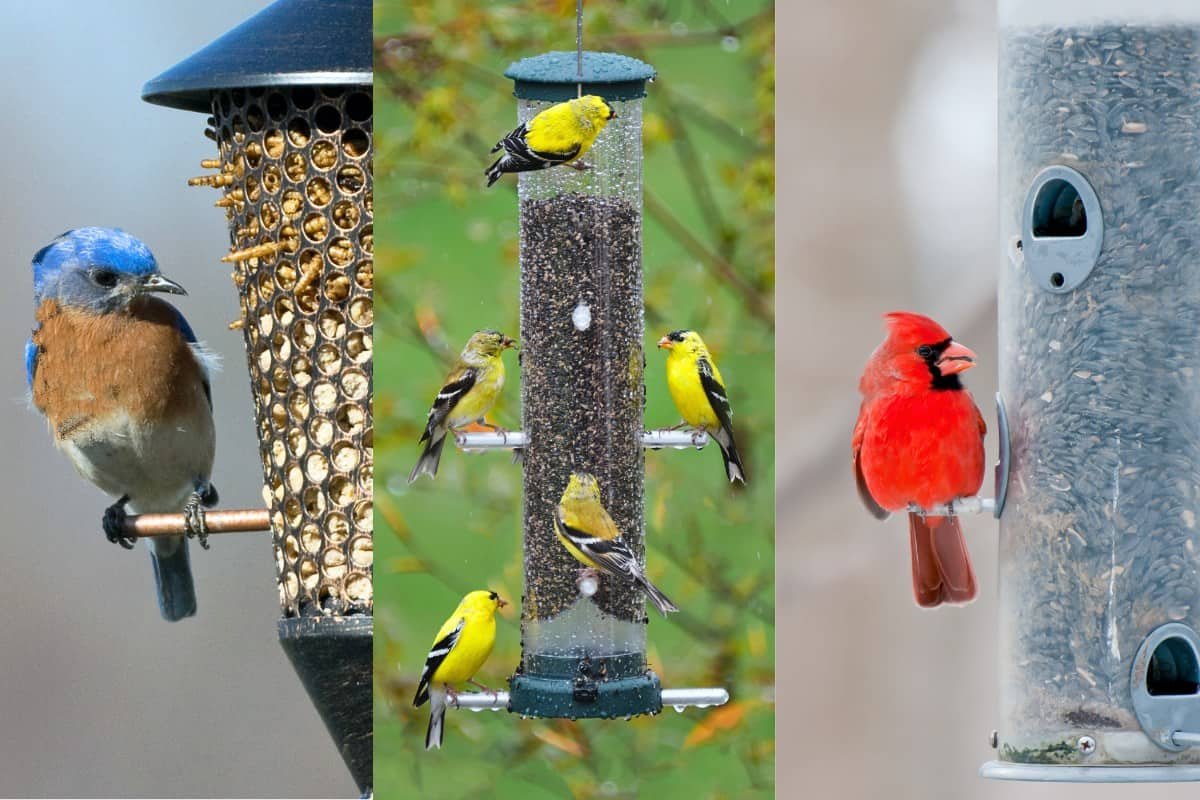
Feeders can help, but cleanliness matters. Dirty feeders can spread disease between birds. If you’re trying to attract birds safely, better backyard habitat is often more valuable than food alone.
Frequently Asked Questions
What is the most common small grey bird with a white belly?
The most common answer depends on where you live. In North America, Black-capped Chickadee, Carolina Chickadee, Tufted Titmouse, White-breasted Nuthatch, and Dark-eyed Junco are common matches. In the UK, Pied Wagtail, Chiffchaff, and Eurasian Nuthatch are often worth checking first.
How can I identify a grey bird if I only saw it for a few seconds?
Focus on one or two strong clues. Ask where it was, how it moved, and what its bill looked like. A bird creeping down bark is very different from one hopping on the ground.
If it returns, creating a calmer yard can help you observe it longer.
Is a small grey bird with a white belly always a chickadee?
No, it isn’t always a chickadee. Chickadees are common in many North American yards, but nuthatches, juncos, flycatchers, gnatcatchers, titmice, and vireos can look similar. Check for a black cap, white cheeks, short bill, and active branch-hopping before calling it a chickadee.
Why does the same bird look grey one day and brown another day?
Light changes bird color more than people expect. Shade, wet feathers, strong sun, and window glass can all shift the look. Some birds also change plumage by age or season.
That’s why shape, bill type, tail action, and habitat are more reliable than color alone.
What should I do if I find an injured small grey bird?
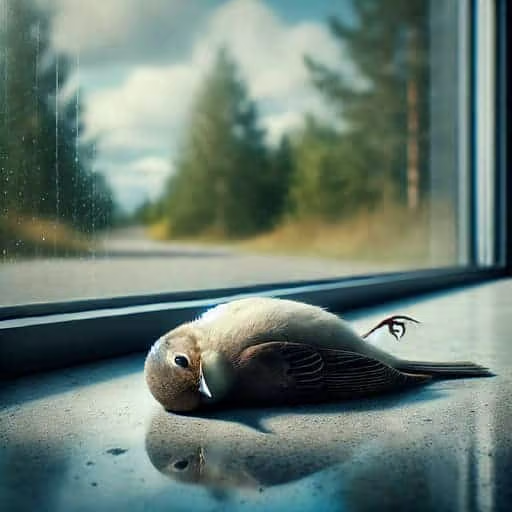
Keep pets and people away, then contact a licensed wildlife rehabilitator or local wildlife agency. Don’t try to feed it or give it water unless a professional tells you to. If the bird hit a window but can perch, place it in a ventilated box in a quiet area while you seek advice.
How do I get the bird to come back for a better look?
Offer safe cover, fresh water, and natural food sources. Native shrubs, seed heads, leaf litter, and insect-friendly planting can attract more small birds. If you already use feeders, clean them often and place them near cover.
A few yard habitat tweaks can make sightings more regular.

Similar Posts