Red-Headed Bird With Brown Body: What Is It?

You probably saw a red headed bird with brown body at a feeder, in a tree, or hopping through the yard, and now you’re trying to put a name to it. The tricky part is that “red head” can mean a bright red crown, a rusty cap, a reddish face, or warm brown feathers catching sunlight.
As of 2026, the Cornell Lab of Ornithology lists hundreds of North American bird profiles with photos, range maps, and field marks, which shows why color alone rarely gives a perfect ID. A field mark is any visible clue that helps identify a bird, like bill shape, wing bars, tail length, or head pattern. Let’s start with the fastest answer.
Red-Headed Bird With Brown Body: What Is It?
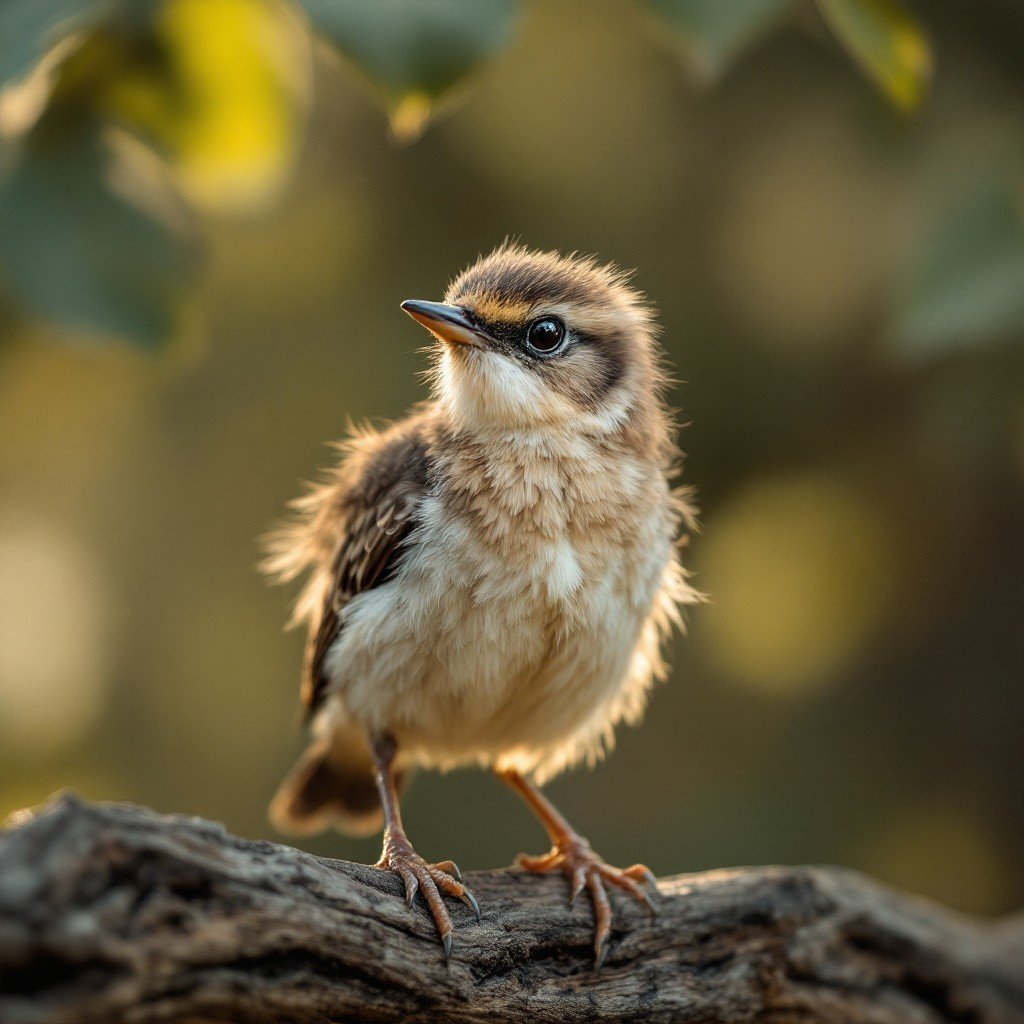
Image source: Web (Bing) / models.com (Web image (fair-use with source credit))
Quick Answer
A red headed bird with brown body is often a House Finch.
It may also be a sparrow, woodpecker, cowbird, or cardinal.
Bill shape is the fastest clue.
Location and season narrow the answer quickly.
A side photo helps more than color alone.
Why Photos and Visual Clues Matter More Than Color Alone
Color is helpful, but it can fool you fast. A bird that looks red at sunset may look chestnut or orange in daylight. A wet bird can look darker, and a blurry phone photo can hide streaks, wing bars, and face patterns.
That’s why experienced birders look at structure first. The bill, body shape, tail, and posture often tell you more than color. A finch has a short cone-shaped bill.
A woodpecker has a longer chisel-like bill.
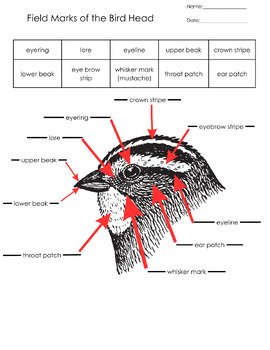
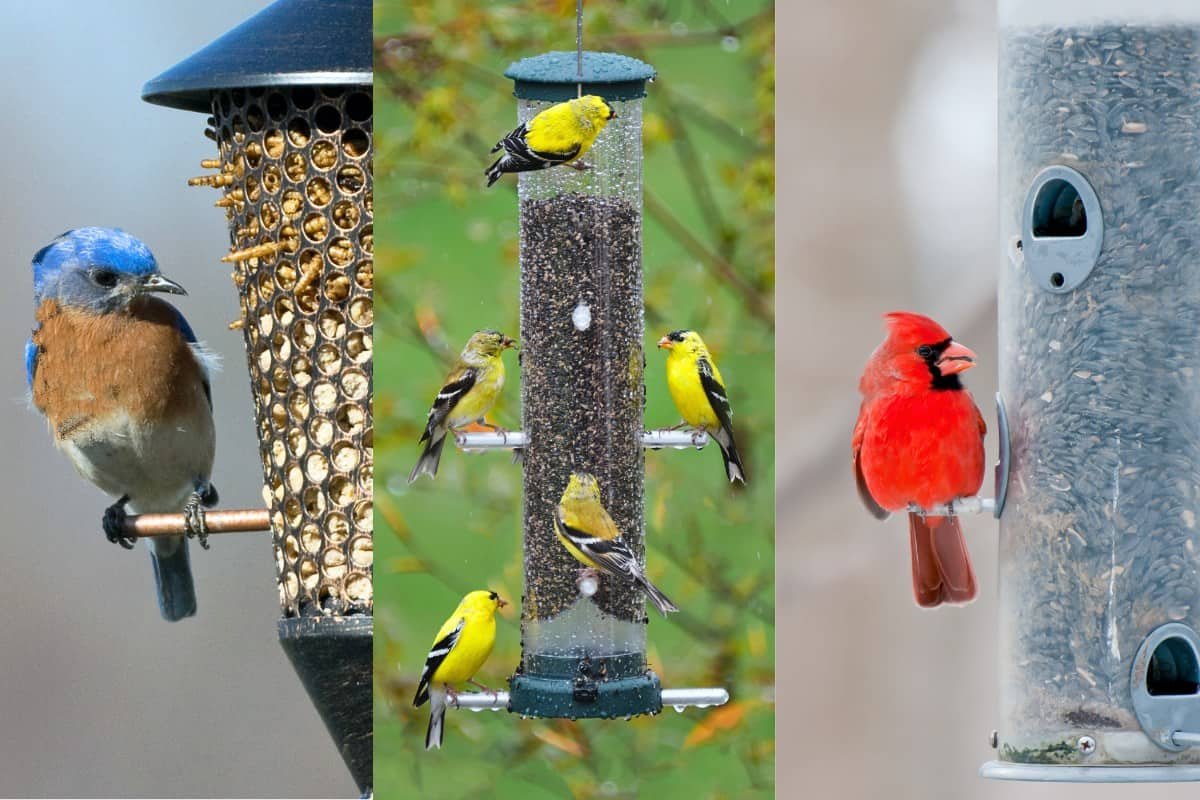
Image source: Bing (Web (fair-use with source credit))
A good bird photo does not need to be perfect. It just needs to show useful angles. Side views are usually best because they show the bill, wings, tail, breast, and head pattern at once.
When you compare photos, focus on these clues:
- Is the red on the whole head, crown, face, throat, or breast?
- Is the body plain brown, streaked brown, or gray-brown?
- Does the bird have wing bars?
- Is the bill thick, thin, hooked, or chisel-like?
- Is the tail long, short, notched, or rounded?
- Was it eating seed, suet, insects, berries, or nothing obvious?
For reliable photo comparisons, the Cornell Lab of Ornithology is one of the strongest official resources. Its species accounts pair images with range maps and field marks, which is exactly what this kind of ID needs.
Step-by-Step Visual ID: How to Narrow Down a Red-Headed Bird With a Brown Body
Start with the easiest clues before chasing rare birds. Most backyard mystery birds turn out to be common local species. The goal is to rule birds out, not force a match.

Image source: Bing (Web (fair-use with source credit))
Start with location and season
Location matters more than people expect. A Pyrrhuloxia makes sense in the Southwest, but not in Maine. A Common Linnet fits parts of Europe, not a typical Ohio backyard.
Season matters too. Some birds look different during breeding season, migration, or juvenile dispersal. A young bird in late summer may not match the adult photo in a field guide.
Check size and shape
Compare the bird with something familiar:
| Size impression | Good comparison | Likely group |
|---|---|---|
| Sparrow-sized | House Sparrow | Finch or sparrow |
| Cardinal-sized | Northern Cardinal | Cardinal or grosbeak |
| Robin-sized | American Robin | Woodpecker or thrush |
| Long-tailed and rusty | Larger than a robin | Brown Thrasher type |
Size is not exact in the field. Distance can make a bird look smaller or larger than it is. Still, “sparrow-sized” versus “robin-sized” cuts the list down quickly.
Look at the bill
The bill is your shortcut.
- Thick cone bill: finch, cardinal, grosbeak, or sparrow
- Long chisel bill: woodpecker
- Slender pointed bill: insect-eating bird
- Short blackbird bill: cowbird or related species
If the bird keeps visiting seed feeders, compare it with common feeder birds first. A yard with native shrubs, water, and clean feeders will also bring more clear ID chances, and good habitat tips can help you create a more bird-friendly space.
Notice where the red actually is
A full red head is different from a red cap. A red face is different from a red breast. Try to name the exact red area before choosing a species.
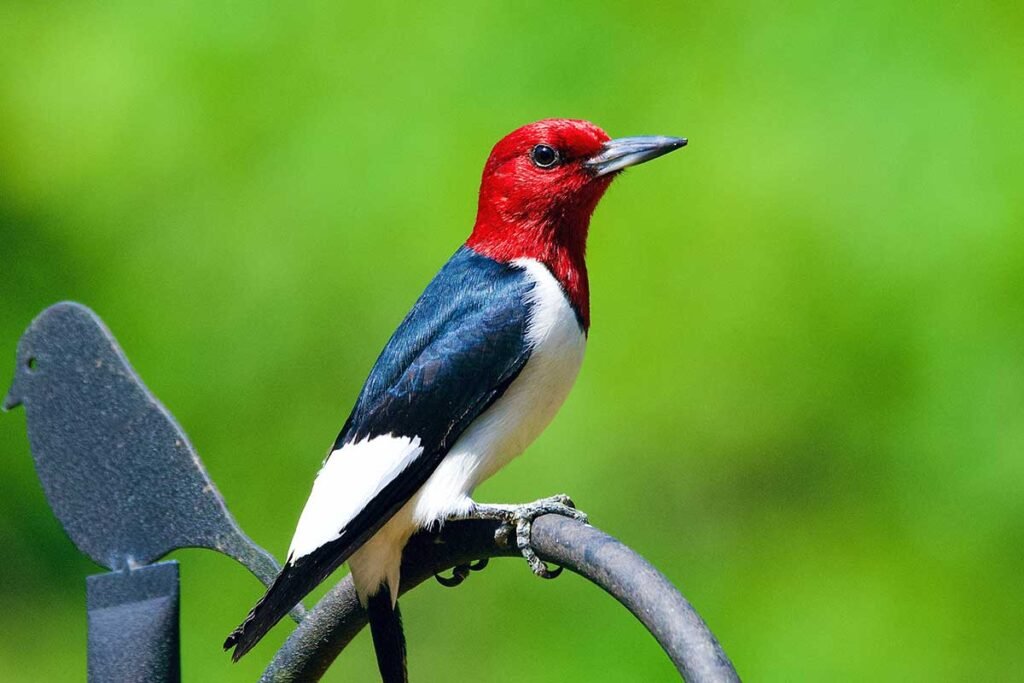
This one habit prevents a lot of wrong IDs. Red-headed Woodpecker has a truly red head. Chipping Sparrow has a rusty crown.
House Finch often has red on the forehead, face, throat, and upper chest.
Common Birds With Red Heads and Brown Bodies
Several birds can fit this description, especially if you saw them quickly. Here are the most likely candidates.
| Bird | What you’ll notice | Best clue |
|---|---|---|
| House Finch | Brown streaked body, red face or chest | Short cone bill |
| Purple Finch | Raspberry wash, chunkier look | Red spreads more evenly |
| Cassin’s Finch | Red crown, pale streaked body | Peaked head shape |
| Chipping Sparrow | Rusty cap, plain grayish breast | Thin dark eye line |
| American Tree Sparrow | Rusty cap, small dark chest spot | Bicolored bill |
| Red-bellied Woodpecker | Barred back, red crown or nape | Clings to bark |
| Red-headed Woodpecker | Fully red head, black-and-white body | White wing patches |
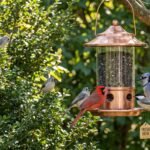
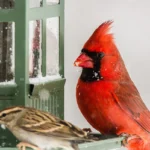
| Female Northern Cardinal | Warm brown body, red bill, reddish crest | Crest and thick bill |
| Brown-headed Cowbird | Glossy brown head, dark body | Stocky blackbird shape |
The House Finch is the classic backyard answer in much of North America. Males often show red on the head and upper breast, while the body stays brown and streaked. Females lack red, which can confuse people when both sexes feed together.
Red-bellied Woodpeckers are another common source of confusion. Despite the name, the red is mainly on the head, not the belly. They often visit suet feeders and cling vertically to trunks or feeder poles.
Sparrows deserve attention too. A Chipping Sparrow has a neat rusty cap, not a full red head. If your bird was small, slim, and ground-feeding, don’t skip the sparrow options.
If you want more repeat sightings, use feeders where birds can perch sideways. A setup built for clear backyard viewing makes bill shape and wing marks much easier to see.
Easy Lookalikes and How to Tell Them Apart
The hardest IDs usually come from birds that share one strong feature. A red patch draws your eye, and your brain fills in the rest. Slow down and compare the whole bird.

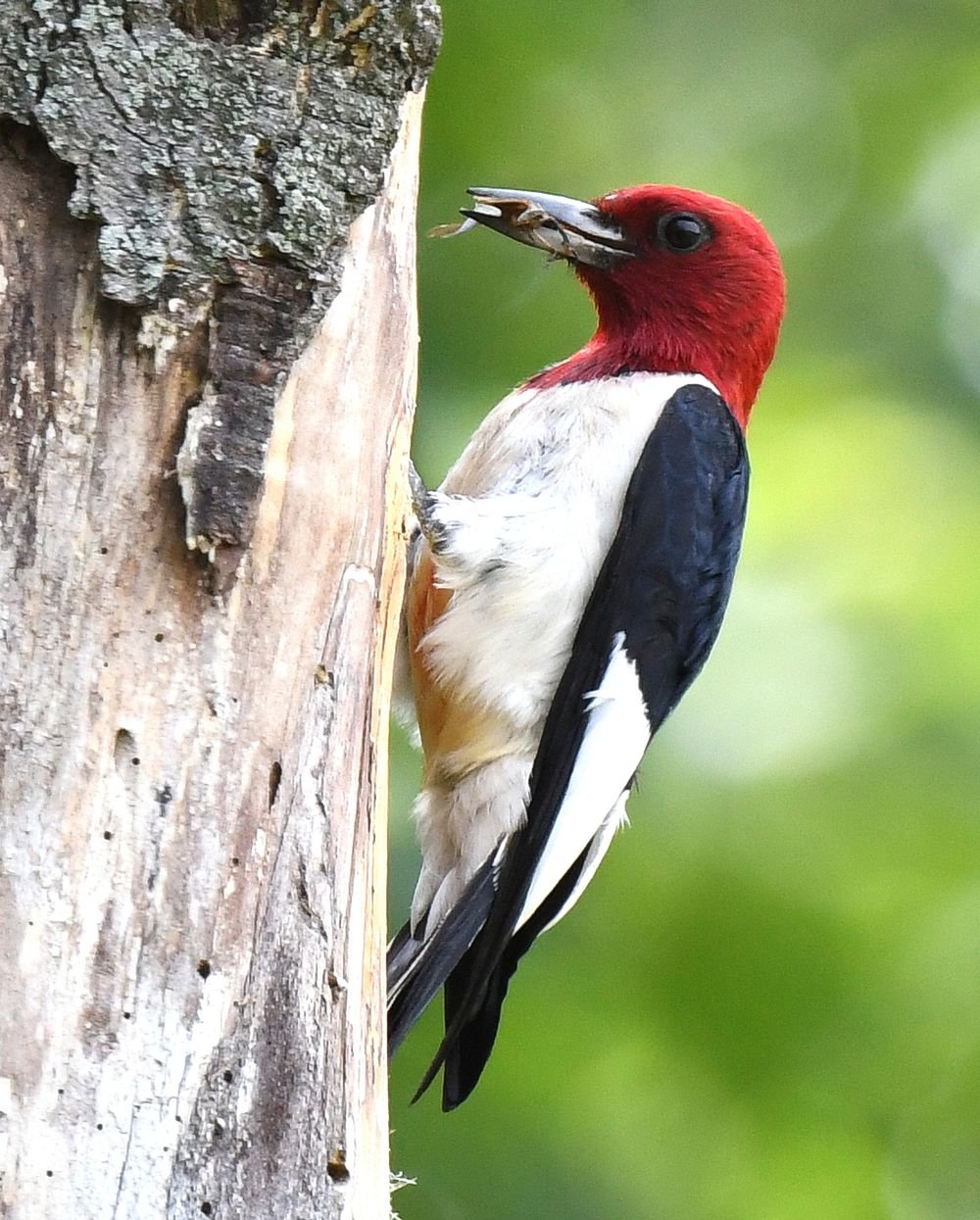
Image source: Bing (Web (fair-use with source credit))
House Finch vs Purple Finch
House Finch is more common around feeders in many neighborhoods. It usually looks slimmer, with brown streaking on the sides. The red is often strongest on the face, forehead, throat, and upper chest.
Purple Finch often looks chunkier. The red can appear washed through the head, back, and breast, like raspberry color brushed over the bird. The face also tends to look bolder and less plain.
Red-headed Woodpecker vs Red-bellied Woodpecker
A Red-headed Woodpecker has a full red head. It also has strong black-and-white body contrast. You’ll often notice big white wing patches in flight.
A Red-bellied Woodpecker has red on the crown or nape, not the entire head. Its back is barred black and white. The body looks pale beige or buff from a distance.
Chipping Sparrow vs American Tree Sparrow
A Chipping Sparrow has a clean rusty cap and a crisp eye line. It often looks tidy and slim. You may see it on lawns, paths, or low branches.
An American Tree Sparrow also has a rusty cap, but it usually shows a small dark spot on the breast. Its bill often looks two-toned. Winter location helps because this bird is mostly a cold-season visitor in much of the United States.
Female Northern Cardinal vs Pyrrhuloxia
Female Northern Cardinals are warm brown with reddish wings, tail, crest, and bill. They are common across much of the eastern and central United States.
Pyrrhuloxias live mainly in the Southwest. They look grayer and have a shorter, deeper, more parrot-like bill. Range solves this ID quickly.
Common Visual Mistakes That Lead to Wrong Bird IDs
The biggest mistake is naming the bird from color alone. Red, rusty, chestnut, cinnamon, and orange can look similar through glass or in low light. Photos taken at sunrise or sunset make this even worse.
Another common mistake is ignoring sex and age. Male birds often look brighter than females. Juveniles can look dull, streaky, or patchy, especially during late summer and early fall.
Watch out for these traps:
- Calling any red-capped bird a “red-headed” bird
- Confusing a red breast with a red head
- Forgetting that females may be brown, tan, or gray
- Treating one blurry photo as enough proof
- Ignoring range maps
- Assuming an unusual bird before checking common ones
- Missing wing bars, streaking, or tail shape
Behavior helps fix many mistakes. A bird hammering on bark points toward a woodpecker. A bird cracking sunflower seed with a thick bill points toward a finch or cardinal.
A bird walking on lawns with a warm reddish breast may simply be an American Robin.
Window glass is another sneaky problem. Tinted glass can shift browns toward red or orange. If you can, step outside and look again with the sun behind you.
If the bird appears often, make your viewing spot easier to use. Clean sightlines, nearby shrubs, and a steady feeding station can turn a quick glimpse into a confident ID. Even small yard layout changes can help you see field marks more clearly.
If the bird seems sick, injured, or unusually tame, don’t handle it. In the United States, most native birds are protected under federal law, and the U.S. Fish and Wildlife Service gives guidance on protected migratory birds.
For ID, distance is fine. A clear photo and careful notes are safer than getting close.
What to Do Next: Photos, Bird Apps, Range Maps, and Safe Birding
If you’re still unsure, collect better clues instead of guessing. A few extra seconds of observation can separate a House Finch from a Purple Finch. It can also separate a Chipping Sparrow from an American Tree Sparrow.
Try to get these details:
- One side photo showing the bill, wing, and tail
- One front photo showing the breast pattern
- One back photo showing streaks or wing bars
- Notes on location, date, habitat, and feeder type
- A quick size comparison, such as “smaller than a robin”
- A note on behavior, such as “clinging to bark” or “feeding on ground”
Range maps are your best filter after photos. If a bird does not occur in your region during that season, move it lower on the list. Rare birds happen, but common birds explain most backyard sightings.
Bird ID apps can help, especially when you enter location and date. Treat the result as a shortlist, not a final answer. Compare the app’s top matches with your own field marks.
If birds visit often, place feeders where you can see side views, not only silhouettes. Native shrubs, clean water, and safe cover also improve sightings. A few habitat-focused tweaks can bring birds into clearer view.
Keep feeders clean, especially during warm or wet weather. Dirty feeders can spread disease among finches and other flocking birds. If you see swollen eyes, crusty faces, or unusually weak birds, take feeders down and clean them before putting them back.
You don’t need expert gear to make a good ID. A phone photo, a date, a location, and a few field notes are often enough. Better observations beat bigger guesses every time.
Frequently Asked Questions
What small brown bird has a red head?
A small brown bird with a red head is often a House Finch, Chipping Sparrow, or American Tree Sparrow. House Finches look streaky and have a thick seed-cracking bill. Chipping Sparrows and American Tree Sparrows have rusty caps, not fully red heads.
Is a House Finch red headed with a brown body?
Yes, a male House Finch often looks red headed with a brown streaked body. The red usually appears on the face, forehead, throat, and upper chest. The amount of red can vary, and some males look orange or yellowish instead of bright red.
What bird has a completely red head?
A Red-headed Woodpecker has a truly complete red head. It also has a black back, white belly, and bold white wing patches. If the bird only has red on the crown or nape, check Red-bellied Woodpecker instead.
Why does the bird look red in one photo and brown in another?
Lighting changes bird color a lot. Warm sunlight can make chestnut, orange, or brown feathers look red. Camera exposure, window glass, shadows, and wet feathers can also shift color.
Field marks like bill shape and wing pattern are more reliable.
Should I report a red-headed bird if I can’t identify it?
You can record it, but don’t report it as a rare species unless you have strong evidence. Save photos, note the date and location, and compare range maps first. Local birding groups or official bird databases can help with tricky IDs.
How can I attract more red-headed birds to my yard?
Offer clean seed feeders, fresh water, native shrubs, and safe cover. Black oil sunflower seed attracts finches, cardinals, and some sparrows. Suet can bring woodpeckers.
A yard built for regular bird visits gives you more chances to identify them well.

Similar Posts