Homemade Bird Seed Feeder: Easy DIY Guide
A homemade bird seed feeder is one of the easiest ways to bring more birds into your yard without spending much. The trick isn’t making something cute. It’s making something birds can use safely, while keeping seed dry, clean, and easy to reach.
In our research, the most reliable DIY designs use drainage holes around 1/8 to 1/4 inch, a stable hanging point, and feeding ports that don’t dump seed in the wind. As of 2026, guidance from the Cornell Lab of Ornithology still comes back to the same basics: clean feeders, fresh food, and safe placement. Let’s start with the quick version.
Quick Answer
A homemade bird seed feeder should stay dry and clean. Use a plastic bottle, jar, or untreated wood. Add drainage holes and smooth every cut edge.
Fill it with safe seed for local birds.
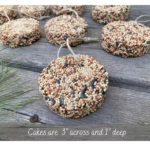
Image source: Bing (Web (fair-use with source credit))
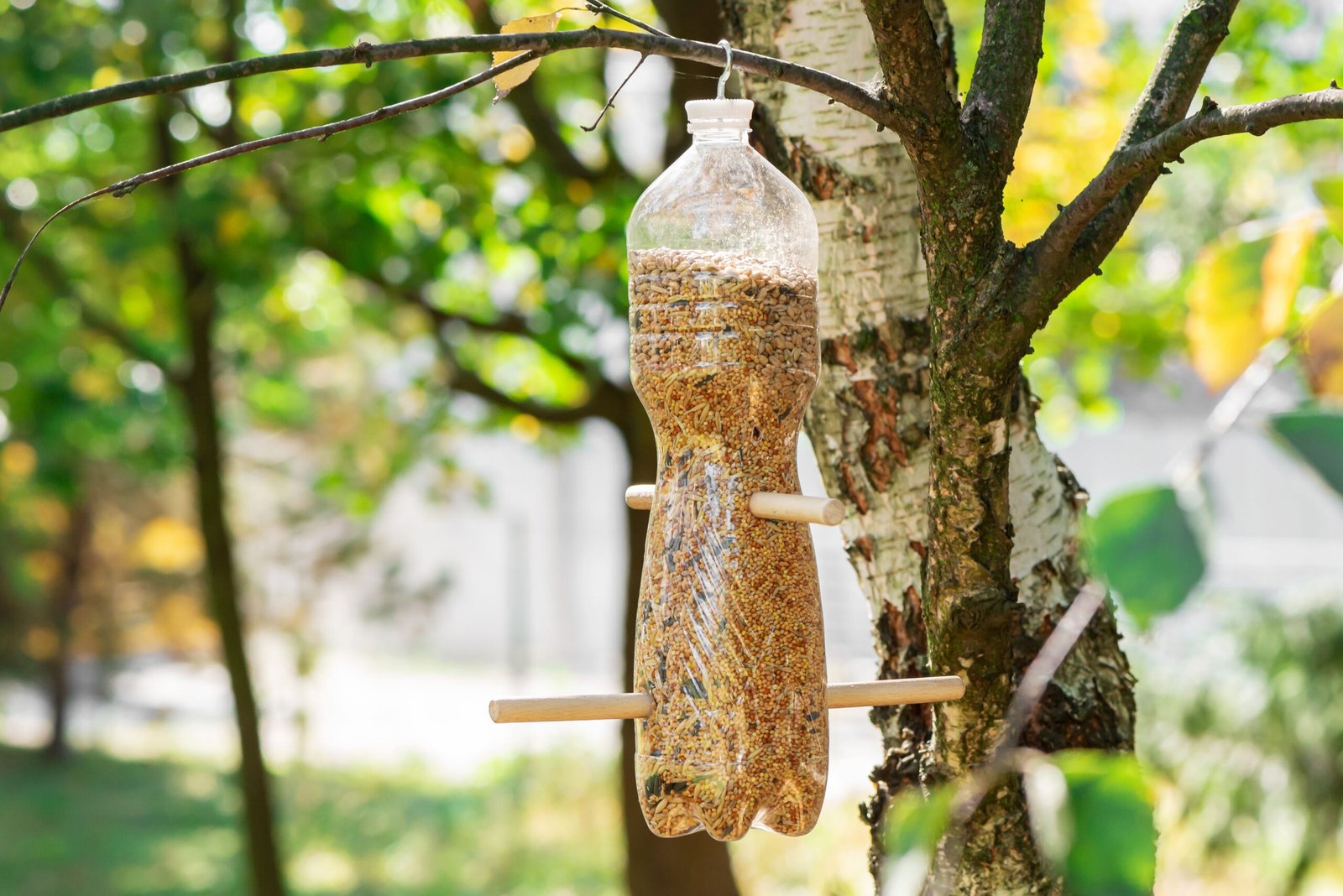
For most people, the best starter design is a hanging plastic bottle feeder. It’s cheap, light, and easy to see through. You can tell when seed is low, wet, or clumped.
A bird seed feeder is a container that holds seed and lets birds reach it through ports, trays, or open platforms. Homemade versions work well when they get three basics right:
- Seed stays dry.
- Birds have a safe perch or landing spot.
- You can clean the feeder easily.
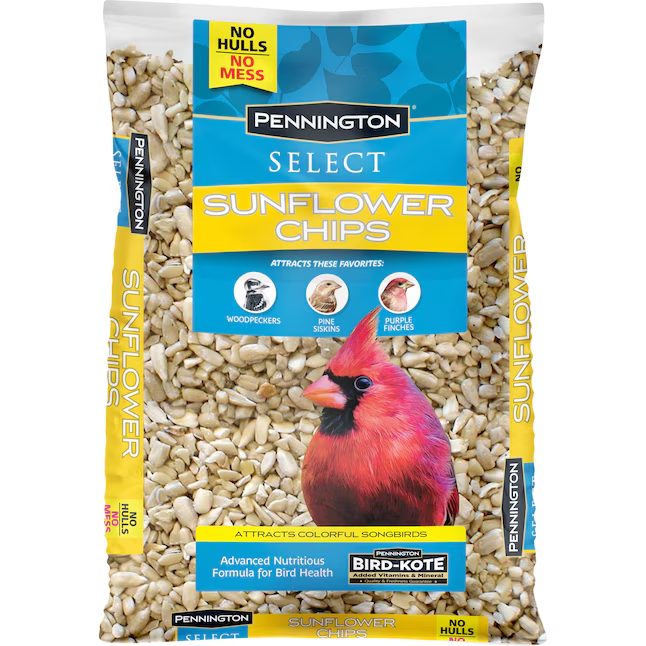
If you want fewer hulls under the feeder, seed choice matters too. Hulled sunflower hearts and low-mess blends can cut down on waste below patios, decks, and balconies.
Why Feeder Shape, Drainage, and Placement Matter More Than Looks
A pretty feeder can fail fast if it holds moisture. Wet seed clumps, spoils, and can grow mold. Birds may avoid it, or feed from it and spread disease at a crowded station.

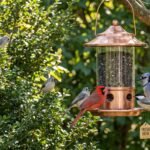
Image source: Web (Bing) / walmart.com (Web image (fair-use with source credit))
A good feeder has clear visual clues. You want a roof, cap, or bottle shoulder that sheds rain. You also want small drainage holes at the lowest point, not halfway up the base.
Placement matters just as much. Hang the feeder about 5 to 6 feet from the ground if you can. Keep it away from thick cover where cats can hide and pounce.
Window safety also deserves attention. The American Bird Conservancy recommends placing feeders either very close to windows or far away. This helps reduce the risk of high-speed window collisions.
Use this quick location checklist:
- Near shrubs or trees, but not buried inside them
- Visible from your window
- Easy to reach for cleaning
- Away from sprinkler spray
- Not directly above outdoor seating
- Not where seed waste creates a slippery mess
If birds don’t show up right away, don’t panic. It can take time for them to trust a new food source. Their discovery process is often gradual, and first-visit timing varies by season, shelter, and local bird traffic.
What You’ll Need: Bird-Safe Materials, Tools, and Seed
You don’t need fancy tools for a basic feeder. You do need clean materials and care around sharp edges. Birds land with delicate feet, so rough plastic cuts can be a real problem.

Image source: Bing (Web (fair-use with source credit))
Here’s a simple starter list.
| Item | Best choice | Why it matters |
|---|---|---|
| Container | Clean 1-liter or 2-liter bottle | Clear, light, and easy to cut |
| Perches | Wooden dowels or sturdy twigs | Gives small birds a landing spot |
| Hanger | Coated wire or strong cord | Holds weight in wind and rain |
| Cutting tool | Craft knife or sharp scissors | Makes cleaner feeding ports |
| Seed | Black oil sunflower or millet mix | Works for many backyard birds |
| Sandpaper | Fine grit | Smooths sharp plastic edges |
Avoid treated lumber, mystery paint, rusty metal, and strong-smelling glue. If you use wood, choose untreated wood. Keep finishes away from seed and feeding surfaces.
If you use a bottle, wash it well and let it dry fully. Old sugary drink residue can attract ants, wasps, or mold. A clean, dry container is the safer starting point.
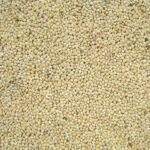
Seed choice depends on the birds you want. Black oil sunflower seed attracts many songbirds. White proso millet is popular with ground-feeding birds, and millet-friendly visitors often clean it up quickly.
For tiny birds, smaller seeds and narrow feeding openings work better. If you’re trying to support chickadees, finches, or sparrows, match the food to small-bird feeding habits before you fill the feeder.
Step-by-Step: How to Make a Simple Plastic Bottle Bird Seed Feeder
A plastic bottle feeder is the easiest design for beginners. It shows the seed level, costs almost nothing, and takes about 20 to 30 minutes to build. Drying the washed bottle may add a few hours.

Image source: Bing (Web (fair-use with source credit))
Follow these steps:
- Wash the bottle with warm, soapy water.
- Rinse it well and let it dry completely.
- Mark two feeding ports opposite each other.
- Cut each opening about 1 to 1.5 inches wide.
- Smooth every cut edge with sandpaper.
- Push a dowel through below the ports.
- Add 3 or 4 drainage holes in the base.
- Make two small holes near the neck.
- Thread wire or cord through the top holes.
- Fill halfway with seed and hang it.
Don’t fill it to the top at first. A half-full feeder keeps seed fresher while birds are still finding it. Once visits become regular, you can fill it more.
If seed pours out too quickly, your ports are too low or too large. Patch part of the opening with outdoor tape, or start again with smaller cuts. The seed should be reachable, not spilling freely.
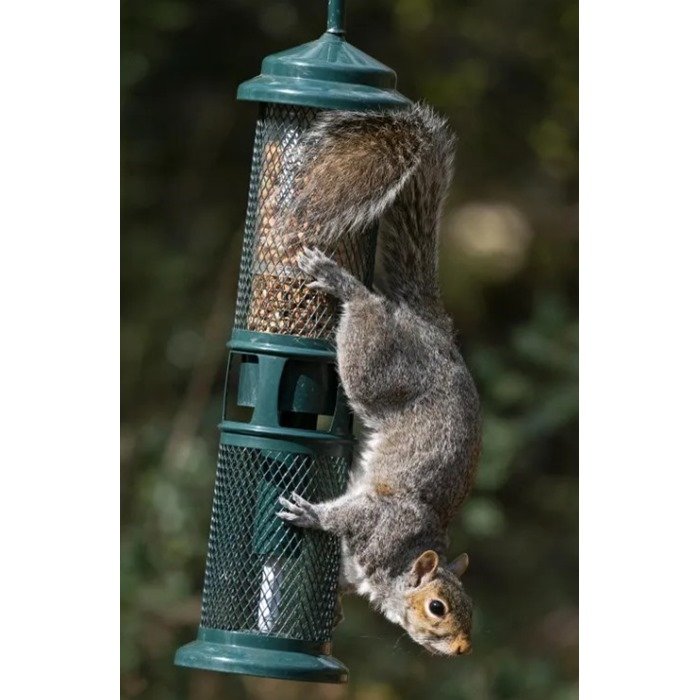
If squirrels are common in your yard, hang the feeder where they can’t jump to it. Homemade plastic feeders are rarely squirrel-proof. A baffle or tougher feeder may be better if squirrels dominate your feeding area.
Visual Cues That Tell You the Feeder Will Actually Work
A working feeder looks balanced, open enough for birds, and protected enough for seed. From the side, the perch should sit just below the feeding port. Birds shouldn’t need to twist awkwardly to reach the food.
Check these visual signs before you hang it:
- The feeder hangs straight when empty.
- The seed ports sit above the drainage point.
- The perch sticks out far enough for small feet.
- The hanging cord does not block feeding access.
- The cap or bottle shoulder helps shed rain.
- The cut edges look smooth, not jagged.
A bad design usually shows itself quickly. Seed piles under the feeder. Birds land, flutter, and leave.
Rainwater sits in the base, or the bottle swings wildly in a breeze.
Match the feeder to the birds you hope to attract. Cardinals prefer more space and may avoid tiny swinging perches. Finches and chickadees handle smaller perches well.
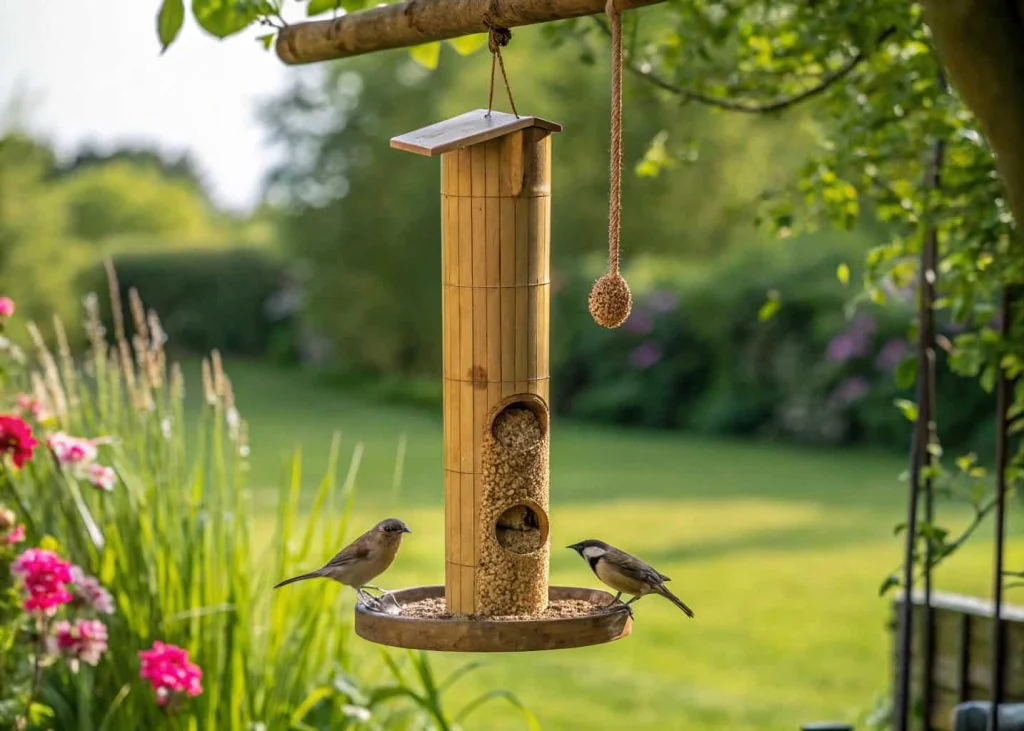
Larger tray-style feeders suit mixed backyard feeding. They also invite bigger birds and more mess. If you want a sturdier homemade look, borrow design ideas from handmade wooden styles while keeping drainage and cleaning access front and center.
Common DIY Bird Feeder Mistakes That Cause Mess, Mold, or No Birds
Most failed feeders have the same few problems. They let seed get wet, spill too much, or make birds feel exposed. You can often fix these with small design changes.
Watch for these common issues:
- No drainage holes in the lowest point
- Feeding ports cut too large
- Perches placed too far below the seed opening
- Thin string that twists badly in wind
- Bottle plastic left sharp around cut edges
- Seed packed so tightly it cannot flow
- Feeder placed too close to cat cover
If seed dumps onto the ground, raise the feeding ports or make them smaller. If birds land and leave, the perch may feel unstable. A thicker twig or 1/4-inch dowel is often easier for small songbirds to grip.
Mold is the big one. Dump wet seed right away, even if it feels wasteful. Stale food can attract rodents and push birds away from the feeder.
Don’t use bread, salted nuts, candy, or seasoned scraps. Stick with safe backyard foods and simple seed blends. Fresh, plain food beats clever pantry leftovers every time.
Cleaning, Refilling, and Keeping Birds Safe Long-Term
Clean the feeder every 1 to 2 weeks in normal weather. Clean it sooner during heavy rain, warm spells, or busy feeding periods. A small feeder is easier to manage because seed turns over faster.
Empty all old seed before washing. Scrub the inside, feeding ports, perch, and drainage holes. Let everything dry fully before refilling.
Here’s a simple care schedule.
| Task | How often | What to look for |
|---|---|---|
| Check seed | Every 1 to 2 days | Clumps, dampness, sour smell |
| Refill | As needed | Fresh seed, not packed tight |
| Wash feeder | Every 1 to 2 weeks | Dirt, droppings, stuck hulls |
| Inspect hanger | Weekly | Fraying, cracks, loose knots |
If you see sick birds, stop feeding for a while and clean everything well. The CDC gives practical hygiene guidance around wild birds at CDC.gov. Wash your hands after handling feeders or seed bags.
Seed storage matters too. Keep bags sealed, dry, and away from heat. If seed smells musty or oily, don’t use it.
The same goes for seed that looks dusty, webbed, or clumped. Before you refill, check the freshness warning signs so old seed doesn’t undo your work.
In winter, birds may visit more often because natural food is harder to find. High-energy options can help, but keep the feeder clean. Cold slows spoilage, but it doesn’t stop droppings, hull buildup, or wet seed after snow.
FAQs About Homemade Bird Seed Feeders
What is the easiest homemade bird seed feeder to make?
A clean plastic bottle feeder is usually the easiest option. You only need a bottle, two small perches, hanging cord, and bird seed. Cut small feeding ports, add drainage holes, and smooth the edges.
It’s quick, cheap, and easy to replace if it cracks.
What bird seed works best in a homemade feeder?
Black oil sunflower seed is the best all-round choice for many backyard birds. Millet works well for sparrows, doves, and some ground-feeding birds. Sunflower hearts reduce mess because there are no hulls.
Avoid damp, moldy, salted, or seasoned food.
How long does it take birds to find a new feeder?
Birds may find it in a day, or they may take a few weeks. It depends on local bird traffic, nearby cover, season, and feeder visibility. Keep seed fresh while you wait.
Don’t move the feeder every day, because birds need time to learn the location.
Can I use peanut butter on a homemade bird feeder?
You can use plain peanut butter in small amounts, but mix it with seed or cornmeal so it isn’t sticky. Never use sweetened, salted, or flavored spreads. In warm weather, skip heavy peanut butter feeders because fats can turn rancid faster.
Where should I hang a homemade bird seed feeder?
Hang it where birds have nearby shelter but predators cannot hide close by. A height around 5 to 6 feet works for many yards. Keep it easy to reach, since cleaning matters.
If windows are nearby, use safe placement and visible window markers.

Similar Posts