Homemade Bird Feeder Seed Cakes: Easy DIY Guide
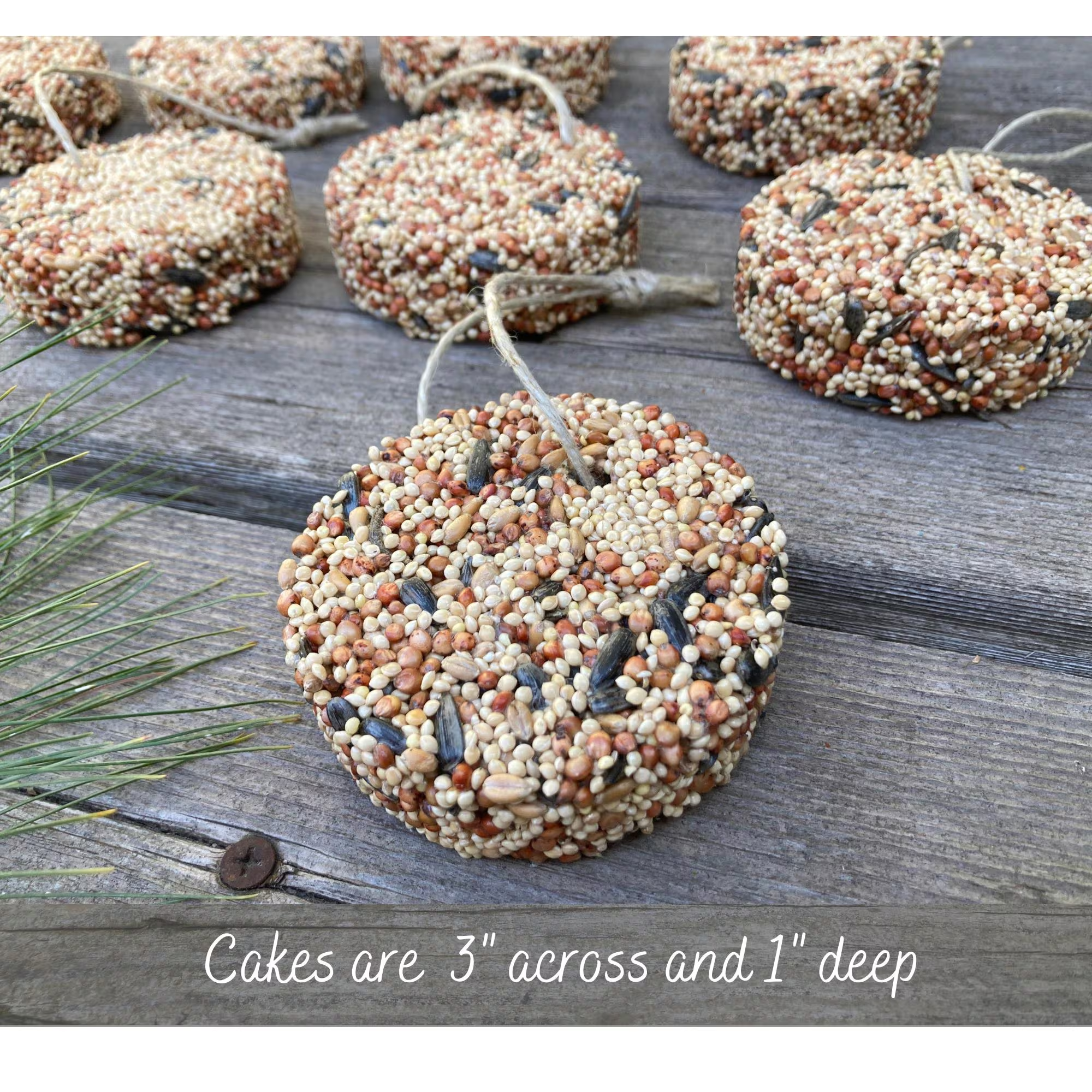
If your homemade bird feeder seed cakes keep crumbling, going moldy, or getting ignored, the problem usually isn’t your effort. It’s the binder, seed mix, or weather match. Homemade bird feeder seed cakes work best when the recipe fits the birds you’re feeding and the season you’re feeding them in.
A standard packet of unflavored gelatin is usually 1/4 ounce, or about 7 grams, and that small detail matters for firmness. As of 2026, the safest homemade versions still rely on simple unsalted ingredients, clean feeders, and fresh seed. Let’s start with the fast answer.
Quick Answer
Homemade bird feeder seed cakes are seed blocks held with a bird-safe binder. Gelatin works well for small hanging shapes. Suet works best in cold weather.
Peanut butter needs unsalted, xylitol-free ingredients.
Image source: Bing (Web (fair-use with source credit))
What Goes Into a Good Bird Seed Cake
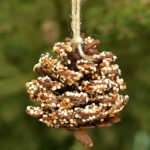
A good bird seed cake has three jobs. It must hold together, stay safe outdoors, and offer food birds actually want. That means fresh seed, a reliable binder, and a shape that fits your feeder.
The seed blend matters more than the mold. Black oil sunflower seed is the all-rounder. Sunflower hearts reduce shell mess.
White proso millet is popular with ground-feeding birds, and this guide to millet-loving backyard birds explains why it shows up in so many mixes.

Image source: Web (Bing) / pexels.com (Web image (fair-use with source credit))
Use these ingredients as your starting point:
| Ingredient | Best use | Watch out for |
|---|---|---|
| Black oil sunflower | Cardinals, chickadees, titmice | Shell mess below feeders |
| Sunflower hearts | Low-waste feeding | Spoils faster when wet |
| White proso millet | Sparrows, juncos, doves | Can scatter under feeders |
| Safflower seed | Cardinals, some finches | Some birds ignore it at first |
| Unsalted peanuts | Woodpeckers, jays, nuthatches | Must be fresh and unsalted |
| Mealworms | Protein boost | Use in small amounts |
Skip bread, salted nuts, chocolate, candy, and moldy seed. The Cornell Lab of Ornithology’s Project FeederWatch is a strong source for practical feeder guidance and bird-feeding observations.
If you want less cleanup under the feeder, use hulled seed. The tradeoff is storage. Hulled seed has no protective shell, so it needs dry, airtight storage.
Gelatin vs. Suet vs. Peanut Butter Seed Cakes
The best binder depends on weather, feeder style, and how long the cake will sit outside. Gelatin makes neat ornaments. Suet gives birds high-energy fat in cold weather.
Peanut butter adds stickiness, but it needs careful ingredient checks. Use only unsalted peanut butter with no xylitol. Avoid sweetened spreads and flavored blends.

Image source: Bing (Web (fair-use with source credit))
Here’s the simple comparison:
| Binder | Best for | Strength | Weak spot |
|---|---|---|---|
| Unflavored gelatin | Small ornaments and cookie-cutter shapes | Clean, firm set | Softens in wet weather |
| Rendered suet | Winter blocks and cages | High energy, cold-stable | Can spoil in warmth |
| Peanut butter | Quick sticky cakes | Easy to mix | Must be unsalted and xylitol-free |
| Agar-agar | Plant-based gelatin alternative | Sets firmly | Can be brittle |
Gelatin is best if you’re making birdseed ornaments with kids. It sets cleanly in cookie cutters or muffin tins. Let it chill until firm before hanging.
Suet is better when temperatures stay cold. It fits suet cages well and appeals to woodpeckers, nuthatches, chickadees, and jays. If your yard sees lots of squirrels, a caged setup or peanut feeder design can help reduce raids.
Best Seed Cake Recipe by Weather, Feeder Type, and Bird Species
Start with the conditions outside. If it’s cold and dry, suet-based cakes usually perform best. If it’s mild or damp, smaller gelatin cakes are easier to replace before they spoil.
For winter feeding, choose energy-rich ingredients. Sunflower, peanuts, and suet help birds during cold snaps. For broader seasonal feeding, this guide to cold-weather bird food pairs well with seed cake planning.
Use this quick decision guide:
| Situation | Best choice | Why it works |
|---|---|---|
| Freezing winter weather | Suet seed cake | Holds firm and adds fat |
| Rainy mild weather | Small gelatin cake | Easier to replace often |
| Apartment balcony | Mini muffin cakes | Less mess and easier control |
| Suet cage feeder | Suet block | Fits securely |
| Platform feeder | Crumbled seed cake pieces | Safer for larger birds |
| Cardinals nearby | Sunflower and safflower | Larger seeds suit them |
| Finches nearby | Sunflower hearts | Easier for small bills |
| Woodpeckers nearby | Suet, peanuts, mealworms | High-fat, high-protein mix |
If birds ignore the cake, don’t assume the recipe failed. New feeders can take time. Birds often need safe cover nearby before they trust a new food source, as explained in this piece on feeder discovery time.
Match shape to access. Hanging ornaments suit chickadees and titmice. Platform pieces suit doves, juncos, and sparrows.
Suet cages suit clinging birds like woodpeckers and nuthatches. They also keep cakes from dropping straight to the ground. That helps reduce waste and rodent activity.
How to Make Homemade Bird Feeder Seed Cakes Step by Step
This basic gelatin method is the easiest place to start. It makes firm, small cakes for hanging or placing in a suet cage. Keep the batch small until you know what your local birds prefer.

Image source: Bing (Web (fair-use with source credit))
You’ll need:
- 2 cups fresh wild bird seed
- 1 packet unflavored gelatin, about 1/4 ounce
- 1/4 cup hot water
- Muffin tin, silicone mold, or cookie cutters
- Natural twine or cotton string
- Spoon and mixing bowl
- Refrigerator space
Steps:
- Dissolve the gelatin in hot water.
- Stir until the liquid looks smooth.
- Add seed and mix until evenly coated.
- Press the mixture firmly into molds.
- Add a twine loop before the cake sets.
- Chill for 2 to 4 hours.
- Let the cakes firm overnight if possible.
- Hang outside or place in a clean feeder.
Press harder than you think. Loose packing is the main reason seed cakes fall apart. If the mix looks dry, add a teaspoon of warm water and stir again.
For a suet version, use about 4 cups of seed to 1 cup melted rendered suet. Pour the warm mix into a suet-sized mold. Chill until solid, then place it in a cage feeder.
Clean equipment matters too. Dirty feeders can spread disease, especially when birds crowd together. For a deeper routine, use this feeder cleaning method before hanging fresh cakes.
Common Mistakes That Make Seed Cakes Fall Apart, Mold, or Get Ignored
Most failed seed cakes come down to moisture, weak binding, or the wrong food mix. If a cake crumbles in your hand, it’ll crumble faster outside. If it feels wet or smells sour, toss it.
The big mistake is using too much seed for the binder. For gelatin cakes, start with 2 cups seed per 1 packet gelatin. For suet cakes, use about 4 cups seed per 1 cup melted suet.
Watch for these common problems:
| Problem | Likely cause | Quick fix |
|---|---|---|
| Cake falls apart | Not packed firmly enough | Press harder into the mold |
| Cake turns slimy | Too much moisture | Make smaller cakes |
| Birds ignore it | Poor seed mix | Add sunflower hearts |
| Mold appears | Wet weather or old seed | Discard and clean feeder |
| Squirrels take it | Easy hanging access | Use a cage or baffled pole |
Cheap seed blends can backfire. Birds often pick out sunflower and leave filler behind. If mess is the issue, a low-scatter seed blend can help keep the ground cleaner.
Don’t hang big cakes and hope they last for weeks. Smaller portions are safer. They’re also easier to rotate when rain, heat, or heavy bird traffic changes the feeding area.
Safe Feeding, Storage, and Feeder Maintenance Tips
Safe feeding starts before the cake goes outside. Store seed in a cool, dry, rodent-proof container. If bird food smells musty, dusty, oily, or sour, don’t use it.
The USDA Animal and Plant Health Inspection Service shares updates on bird disease concerns through USDA APHIS, including avian influenza information. If your area has an active feeding advisory, follow local wildlife agency guidance. Temporary feeder removal may be recommended during outbreaks.
Use this basic storage guide:
| Item | Storage method | Typical timing |
|---|---|---|
| Gelatin cakes | Airtight container in fridge | 1 to 2 weeks |
| Suet cakes | Freezer-safe bag or container | 2 to 3 months |
| Open seed | Dry sealed bin | Use while fresh |
| Outdoor cakes | Replace when wet or dirty | Check every few days |
Place feeders with care. To reduce window strikes, many bird groups recommend putting feeders within 3 feet of glass or more than 30 feet away. Close placement prevents birds from gaining high collision speed.
Keep cakes away from outdoor cats, heavy droppings, and dense ambush cover. Clean feeders often during wet weather. If you’re using tubes elsewhere in the yard, this tube-feeder upkeep advice pairs well with the same hygiene habits.
Also avoid plastic netting, fishing line, and loose loops. Birds can get tangled in unsafe hanging materials. Natural twine is better, but keep loops short and secure.
Frequently Asked Questions
Can I use peanut butter in bird seed cakes?
Yes, you can use peanut butter if it’s unsalted and xylitol-free. Check the label every time. Avoid sweetened, flavored, or chocolate blends.
Peanut butter works best in small cakes, especially when mixed with seed and a firmer binder like suet or gelatin.
How long do homemade bird seed cakes take to set?
Gelatin seed cakes usually need 2 to 4 hours in the refrigerator. Overnight chilling gives a firmer result. Suet cakes set once the fat cools solid, but freezer time helps them release from molds cleanly.
Don’t hang cakes while they still feel soft.
Are gelatin bird seed cakes safe for wild birds?
Plain unflavored gelatin is commonly used as a binder in small seed cakes. Use it sparingly, and don’t treat it as the main food. The seed should make up most of the cake.
Replace gelatin cakes quickly in wet or warm weather.
Why are birds not eating my seed cakes?
Birds may need time to find and trust a new feeder. The seed mix may also be wrong for your local species. Try sunflower hearts, black oil sunflower, or safflower.
Placement matters too. Birds prefer feeding spots with nearby cover and a clear escape route.
Can homemade seed cakes go moldy?
Yes, homemade seed cakes can go moldy, especially in damp weather. Moldy food can make birds sick, so discard any cake with fuzz, slime, dark spots, or a sour smell. Clean the feeder before adding fresh food.
Smaller cakes reduce waste and spoilage.

Similar Posts