White Proso Millet Bird Seed: What Birds Love It?

If your feeder mix keeps getting kicked onto the ground, white proso millet bird seed may be the reason, or the solution. It depends on which birds you’re trying to feed. Millet is excellent for juncos, sparrows, doves, towhees, buntings, and quail, but many chickadees, nuthatches, and woodpeckers will ignore it.
White proso millet is a small, pale, hard-hulled grain, usually sold whole in 5 lb to 50 lb bird seed bags. USDA FoodData Central lists millet grain as mostly carbohydrate, with moderate protein and lower fat than oil-rich seeds like sunflower. That makes it useful, but not universal.
Let’s start with the quick answer.
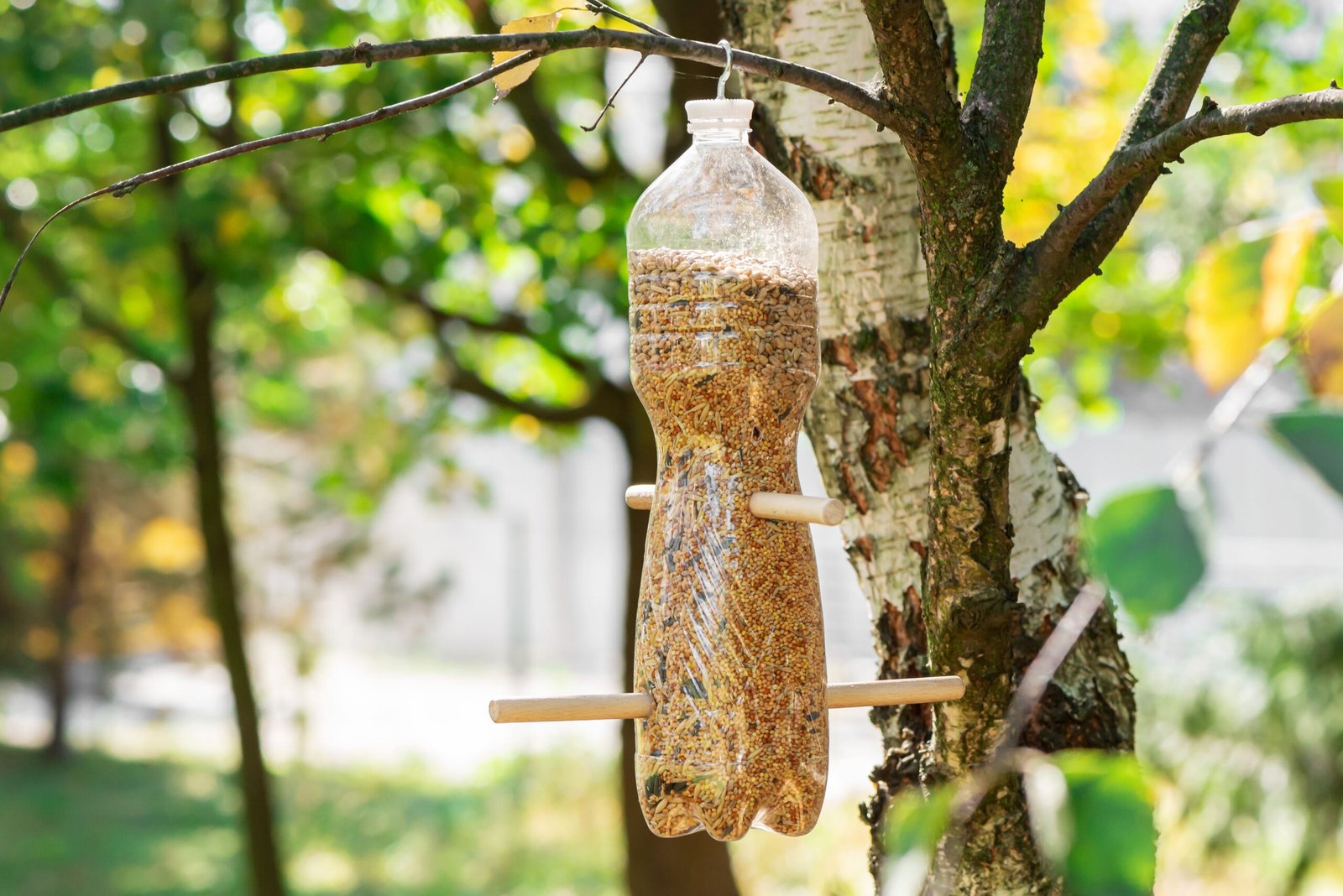
Image source: Bing (Web (fair-use with source credit))
Quick Answer
White proso millet bird seed is best for ground-feeding birds. Sparrows, juncos, doves, towhees, and quail often eat it readily. It works best in trays or platform feeders.
Many clinging feeder birds prefer sunflower, suet, or peanuts.
What White Proso Millet Is and Why Some Birds Love It
White proso millet is the small round seed of proso millet, a cereal grain grown widely in dryland farming regions. In bird feeding, it’s usually sold as whole, unhulled seed. The pale outer hull is thin enough for many small seed-eating birds to crack.
Birds like it because it’s easy to handle. Ground foragers can pick through scattered millet quickly, especially in cold weather when natural weed and grass seeds are harder to find. If you’re building a more bird-friendly yard, millet pairs well with brush piles, native grasses, and low feeding stations.
It fits naturally alongside broader yard habitat basics.
The catch is simple. Millet is not a premium favorite for every feeder bird. It’s a solid, affordable grain for the right species, not a magic seed for the whole backyard.
As of 2026, you’ll most often see it in two forms:
| Form | Best use | Watch out for |
|---|---|---|
| Straight white proso millet | Targeting ground-feeding birds | Can attract doves, pigeons, or rodents if overused |
| Mixed bird seed ingredient | Budget blends and general feeding | Often wasted by sunflower-loving birds |
Millet also gets confused with milo, which is sorghum. They’re not the same seed. Many backyard birds prefer white proso millet over milo, especially smaller sparrows and juncos.
Birds That Eat White Proso Millet and Birds That Usually Don’t
Birds that naturally feed on small seeds are the best match for white proso millet. Think ground birds first. If a bird spends time scratching, hopping, or picking seed from soil, millet is more likely to work.
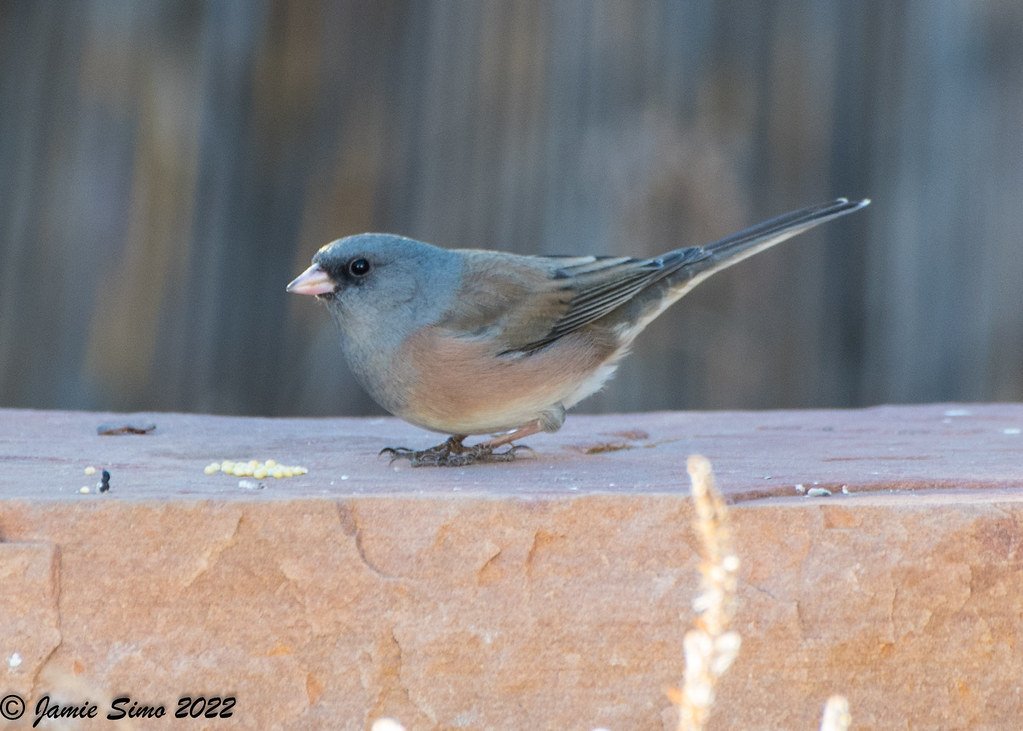
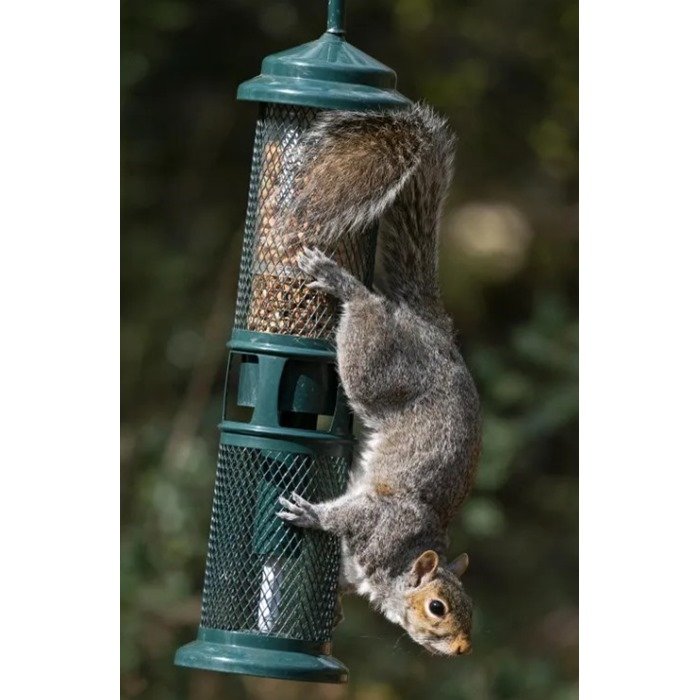
Image source: Bing (Web (fair-use with source credit))
Good millet eaters often include:
- Dark-eyed junco
- White-throated sparrow
- Song sparrow
- Chipping sparrow
- Mourning dove
- Eastern towhee
- Spotted towhee
- California quail
- Northern bobwhite
- Gambel’s quail
- Indigo bunting, in some regions
- Painted bunting, in some regions
The Cornell Lab of Ornithology, through Project FeederWatch, tracks feeder use and bird feeding patterns by species. That species-level view matters here. A seed that works beautifully for juncos may sit untouched by chickadees.
Birds that usually prefer other foods include:
- Black-capped chickadee
- Tufted titmouse
- White-breasted nuthatch
- Downy woodpecker
- Red-bellied woodpecker
- American goldfinch
Those birds often go for sunflower, peanuts, suet, or nyjer instead. If you’re still learning who’s visiting your yard, a simple feeder bird ID guide helps you match seed to the birds you actually have.
Location matters too. A rural yard may get quail and towhees. A suburban yard may see more doves, juncos, house sparrows, and native sparrows.
The right seed depends on the birds on the ground, not the picture on the bag.
White Proso Millet vs Other Bird Seeds: Which One Should You Choose?
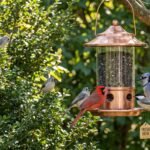
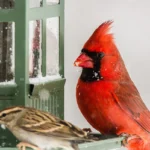
White proso millet is best when your target birds are small ground feeders. If you want cardinals, chickadees, finches, and woodpeckers, other foods usually perform better.

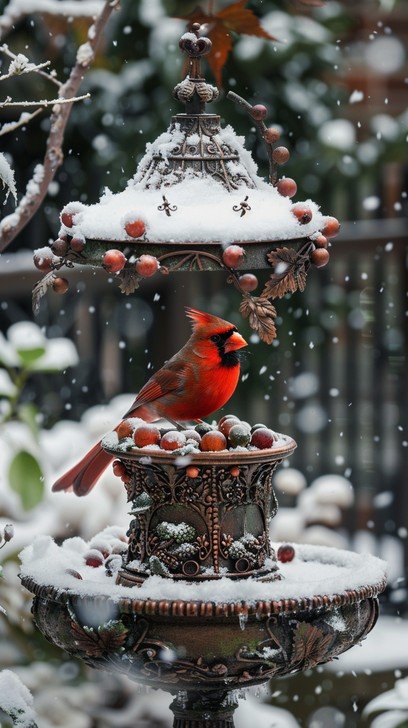
Image source: Web (Bing) / crown-products.com (Web image (fair-use with source credit))
Here’s the practical comparison.
| Seed | Best for | Main drawback |
|---|---|---|
| White proso millet | Sparrows, juncos, doves, quail | Wasted in many tube feeders |
| Black oil sunflower | Cardinals, chickadees, finches, nuthatches | More hull mess |
| Hulled sunflower hearts | Broad feeder appeal | Costs more and spoils faster when wet |
| Safflower seed | Cardinals, some finches | Mixed acceptance by birds |
| Nyjer seed | Goldfinches, siskins | Needs a fine-port feeder |
| Cracked corn | Doves, quail, blackbirds | Can attract larger birds and mammals |
If you’re feeding a mixed flock, sunflower-heavy blends usually win. If your yard has winter juncos and sparrows under shrubs, millet deserves a place. For many beginners, the best setup is simple: sunflower in a hopper, millet on a tray, and clean water nearby.
That approach supports a wider range of common local visitors without forcing one seed to do every job. It also makes waste easier to spot. If millet remains untouched after a few days, your current birds may not be millet eaters.
White proso millet is also different from red millet. Red millet appears in some cheaper mixes, but it’s often less popular with backyard birds. If you’re choosing one millet for wild birds, white proso is the safer pick.
Best Ways to Feed White Proso Millet Without Waste or Mess
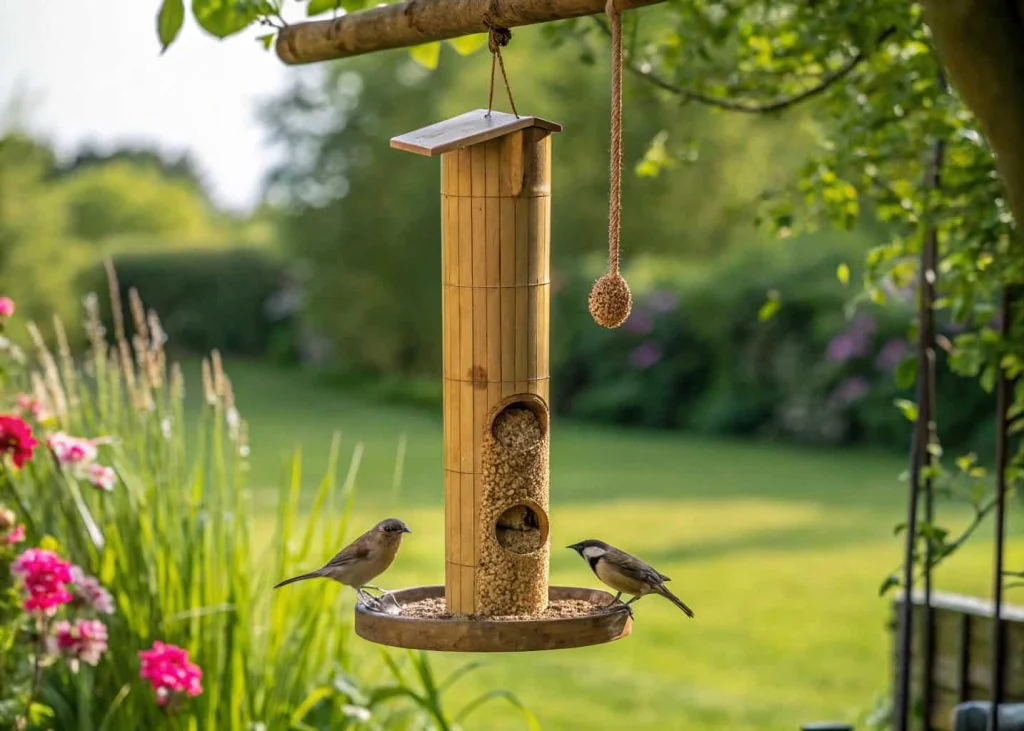
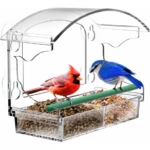
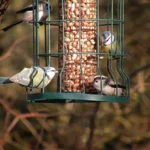
The best way to feed white proso millet is in a low tray, platform feeder, or controlled ground-feeding area. Tube feeders are usually a poor fit. Birds often toss millet aside while hunting for sunflower seeds.
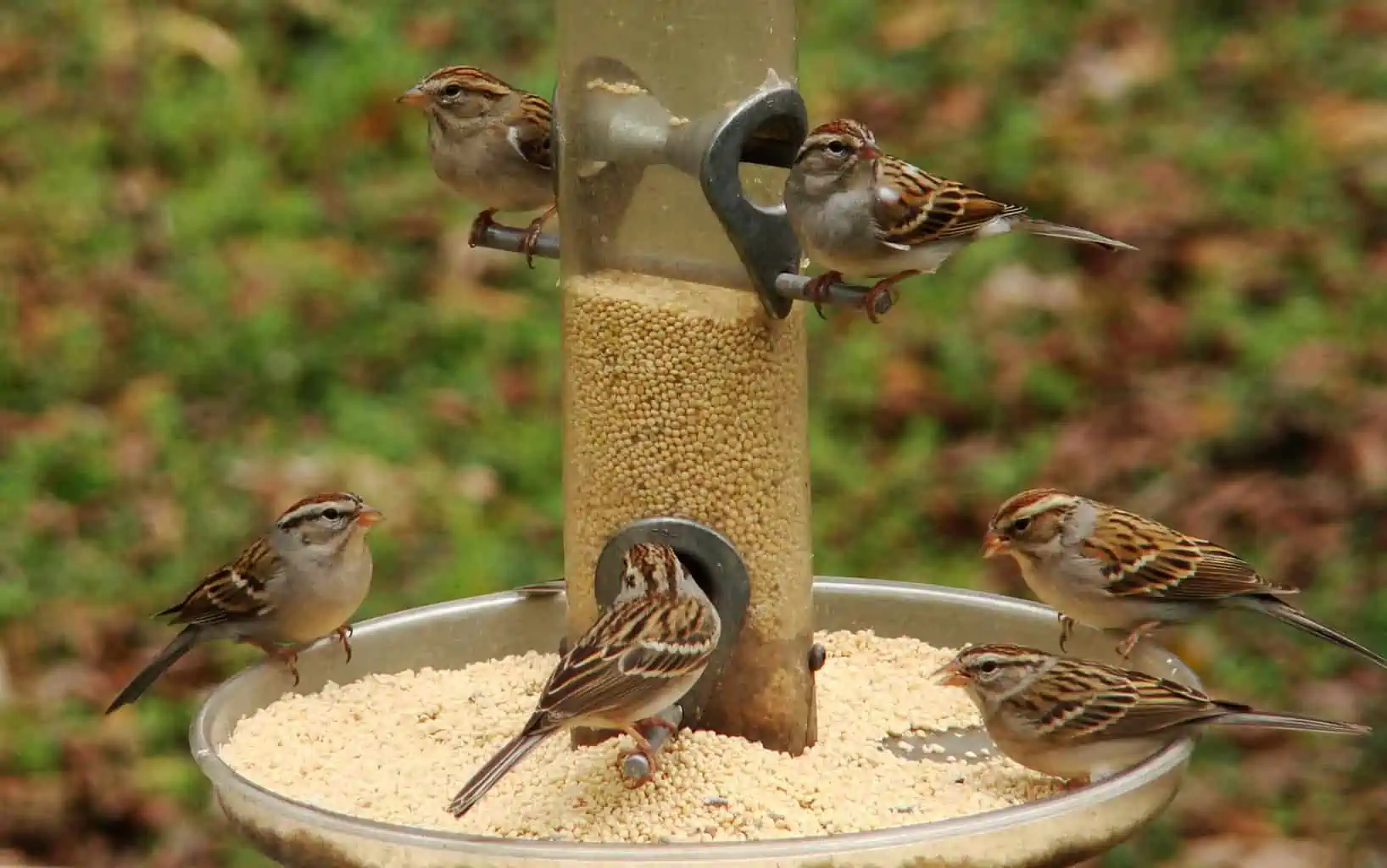
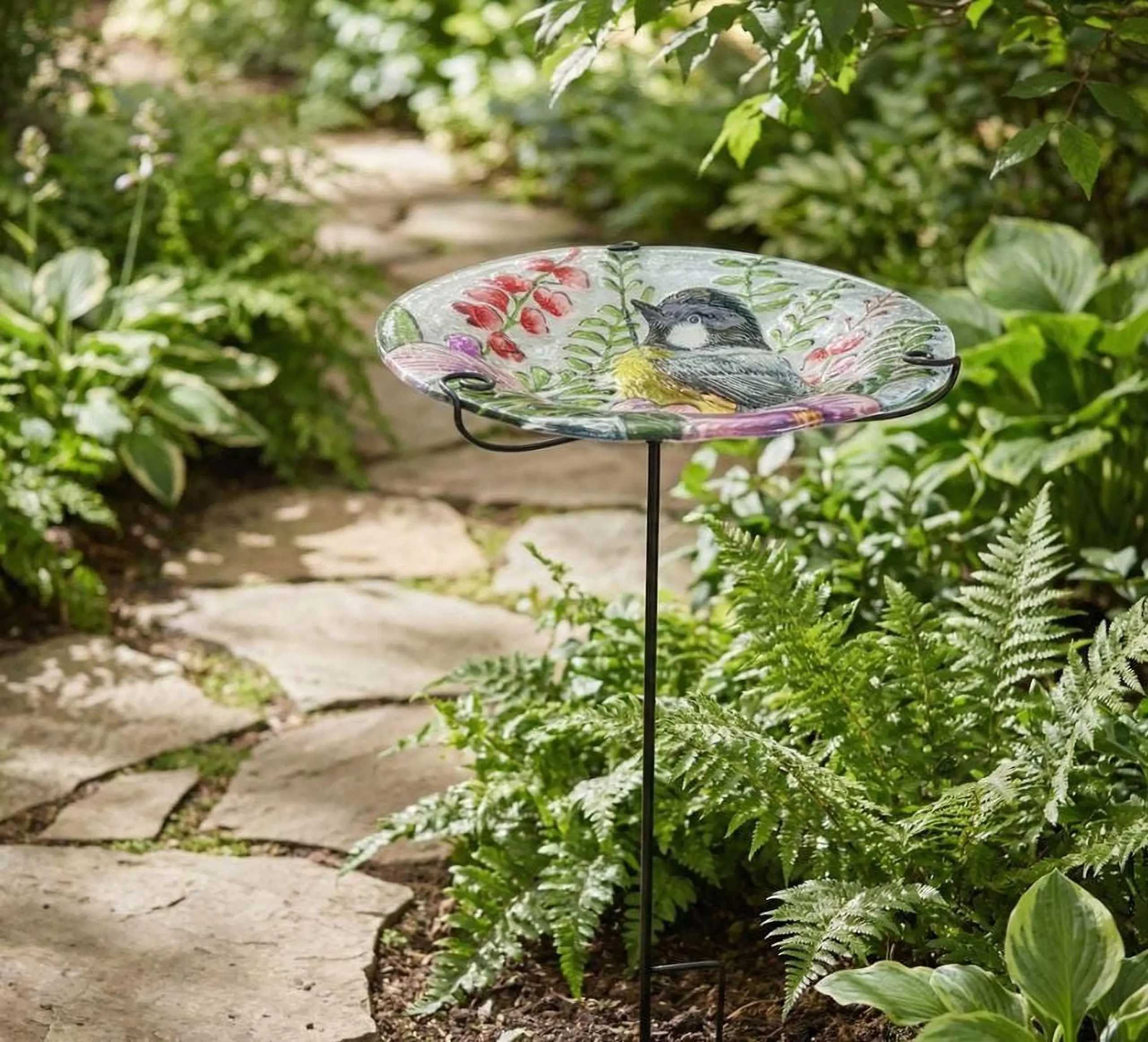
Image source: Bing (Web (fair-use with source credit))
Use these simple rules:
- Offer small amounts first.
- Keep millet dry.
- Use a tray with drainage.
- Place it near shrubs, not inside dense cat cover.
- Remove wet or uneaten seed quickly.
- Pause ground feeding if rodents appear.
A shallow feeding station works better than dumping seed straight onto soil. Wet soil encourages sprouting, mold, and waste. A tray also lets you see what birds are eating, which helps you adjust the amount.
Placement matters too. Put millet where ground-feeding birds feel safe, but not where predators can hide. Low shrubs nearby are helpful.
Thick cover right beside the food is not.
If your goal is to bring in more species, don’t rely on seed alone. Food works better when it’s part of a complete setup with water, cover, and native planting. Those simple yard upgrades often make a bigger difference than switching from one seed to another.
A good starting amount is a shallow layer, not a pile. If birds clear it by late afternoon, add a little more next time. If seed sits overnight, cut back.
Pros, Cons, and Common Mistakes to Avoid
White proso millet works best when you use it with intent. It’s not a throwaway filler by default, but it becomes one when it’s placed in the wrong feeder for the wrong birds.
The big advantage is value. Millet is usually cheaper than sunflower hearts, peanuts, and suet. It also serves birds that often feed below hanging feeders, not just the bold birds that dominate hopper trays.
Main pros
- Good for juncos, sparrows, doves, towhees, buntings, and quail
- Affordable for larger ground-feeding flocks
- Easy for small-billed birds to handle
- Useful during winter and migration
- Works well in trays, platforms, and open ground stations
Main cons
- Often wasted in tube feeders
- Can sprout on damp soil
- Can attract rodents if left overnight
- Spoils quickly when wet
- May draw pigeons, house sparrows, or blackbirds in some yards
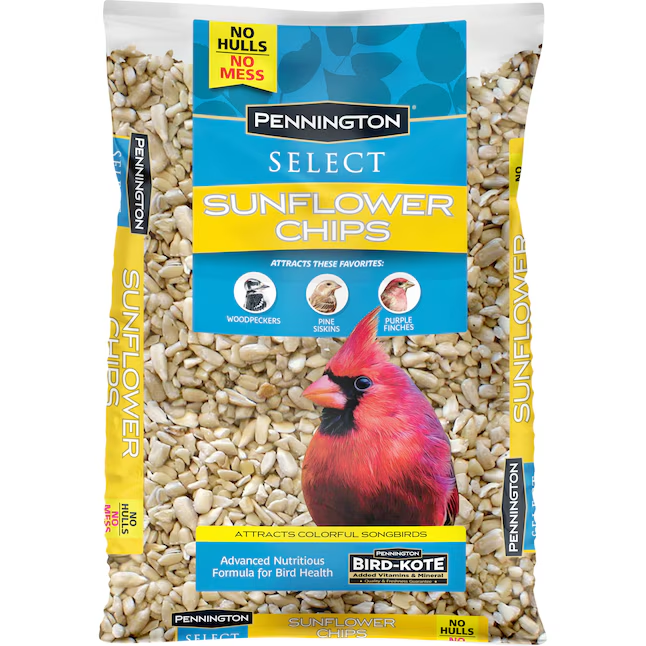
The most common mistake is buying a cheap mixed seed bag and assuming all ingredients are equally useful. Many blends contain millet, milo, wheat, cracked corn, and sunflower. Birds often pick out the sunflower first and leave the rest.
If that keeps happening, change the setup. Feed millet separately in a tray. Use sunflower elsewhere for clinging and perch-feeding birds.
That simple split makes your feeding station cleaner and easier to read.
Another mistake is overfeeding during wet weather. Damp millet can clump, sour, or grow mold. If the seed smells musty or looks fuzzy, throw it away and clean the feeding area.
Buying, Storing, and Keeping White Proso Millet Fresh
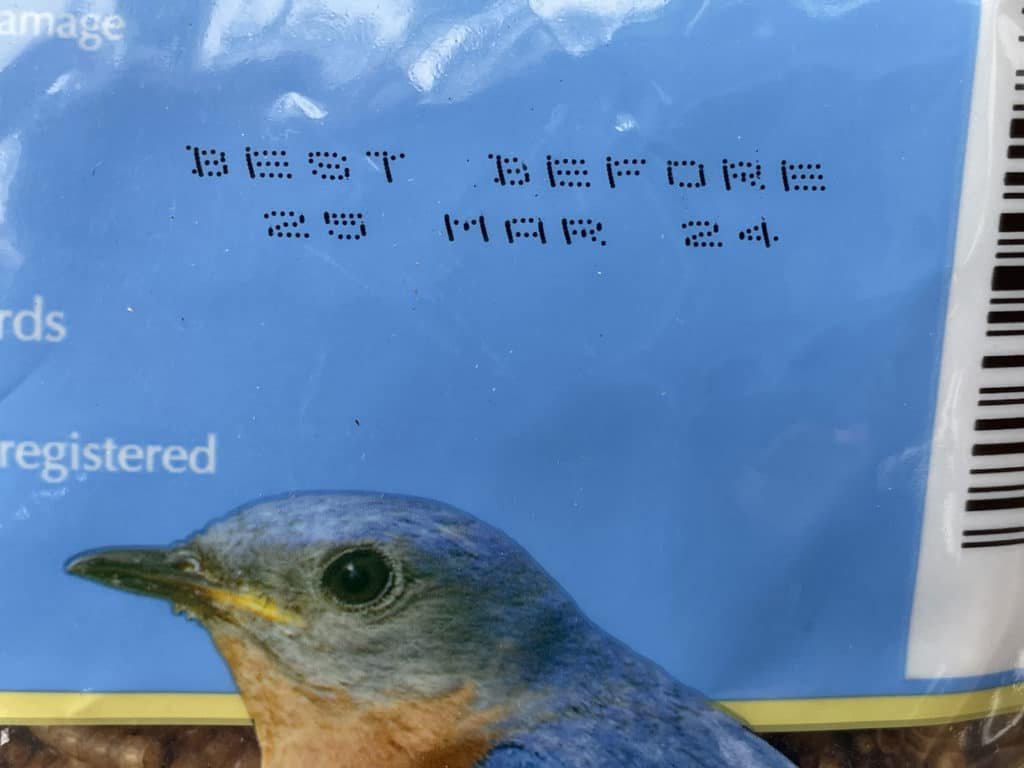
Fresh millet should look clean, dry, and fairly uniform. Avoid bags with a musty smell, visible webbing, insects, heavy dust, or clumped seed. Those are signs of moisture, age, or pest trouble.
Manufacturer labels usually show bag weight, seed type, and whether the product is a blend or straight seed. Common sizes include 5 lb, 10 lb, 20 lb, 25 lb, 40 lb, and 50 lb bags. Buy only what you can use before heat and humidity degrade it.
Store it like any dry grain:
- Use a sealed metal or heavy plastic bin.
- Keep it in a cool, dry place.
- Don’t store it directly on damp concrete.
- Close the container after every refill.
- Check for moths, beetles, and rodent chewing.
The USDA’s FoodData Central is useful for basic grain nutrition context, but bird-feeding decisions still come down to species behavior. Millet is carbohydrate-rich. Sunflower is more oil-rich.
That difference helps explain why birds use them differently.
Never use treated agricultural planting seed for bird feeding. Some planting seed may be coated with fungicides, dyes, or other treatments. Choose bird-safe seed sold for wild bird feeding.
If you’re planning a wider feeding station, match storage to your real visitor mix. A yard with many sparrows and doves may use millet quickly. A yard full of chickadees and woodpeckers may barely touch it.
Your backyard visitor patterns should guide how much you keep on hand.
Frequently Asked Questions
Is white proso millet good for wild birds?
Yes, it’s good for the right wild birds. Sparrows, juncos, doves, towhees, buntings, and quail often eat it well. It’s less useful for chickadees, nuthatches, and woodpeckers.
Those birds usually prefer sunflower seed, peanuts, suet, or insects.
Why do birds throw millet out of the feeder?
Birds throw millet out when they’re searching for higher-value seeds. This happens often in mixed seed blends with sunflower pieces. Tube feeders make the problem worse.
Use millet in a tray or platform feeder, then offer sunflower seed in a separate hopper.
Does white proso millet attract rats or mice?
Yes, it can attract rodents if spilled seed sits on the ground. The seed itself isn’t the issue. The problem is leftover food at night.
Offer smaller amounts, use a tray, clean spills often, and store seed in a sealed bin.
Is white millet better than red millet?
White millet is usually preferred by backyard birds over red millet. Red millet often gets left behind in cheaper mixes. If you’re choosing between the two, white proso millet is the safer pick for sparrows, juncos, doves, towhees, and quail.
Can white proso millet sprout under feeders?
Yes, whole millet can sprout when it lands on damp soil. This is common after rain or snow. Use a tray feeder, rake spilled seed, and move feeding spots now and then.
Better placement and cleanup help keep your yard setup cleaner.
Should I mix white proso millet with sunflower seed?
Yes, but only if your birds eat both. A separate feeding setup often works better. Put sunflower seed in a hopper or tube feeder, then offer millet on a tray below.
This keeps waste lower and helps you see which birds prefer each seed.

Similar Posts