How to Make a Seed Catcher for a Bird Feeder
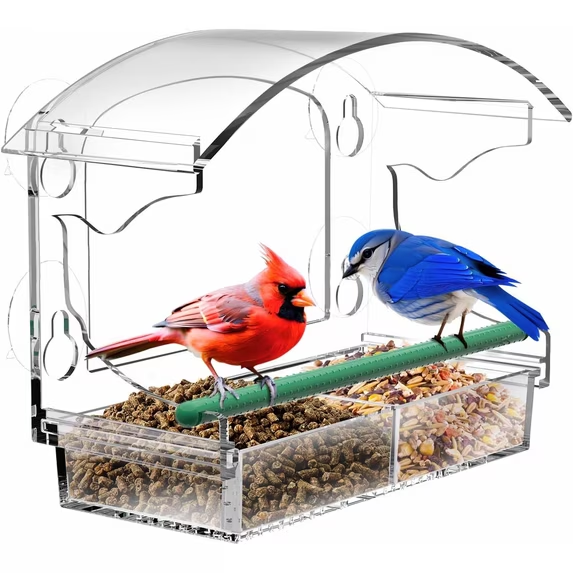
If your feeder leaves a messy ring of shells and wasted seed underneath, learning how to make a seed catcher for bird feeder cleanup is one of the easiest fixes. A seed catcher is a shallow tray, mesh hoop, or guard that sits below the feeder and catches spilled seed before it hits the ground. It won’t make feeding spotless, but it can cut down the daily sweep-up fast.
The sweet spot for most backyard setups is a tray about 12 to 24 inches wide, with small drainage holes around 1/8-inch to 1/4-inch. That gives falling seed somewhere to land without creating a soggy bowl after rain. Start with the quick version, then adjust the design to match your feeder.

Image source: Bing (Web (fair-use with source credit))
Quick Answer
To make a seed catcher for bird feeder mess, use a shallow tray. Drill drainage holes so rain can escape. Add three or four hanging points for balance.
Mount it below the feeder ports. Clean it often to prevent moldy seed.
What a Good Bird Feeder Seed Catcher Needs to Do
A good seed catcher has three jobs: catch dropped seed, drain water, and stay stable. If it misses any of those, you’ll trade one problem for another. The most common failure is using a solid tray with no drainage.
Image source: Bing (Web (fair-use with source credit))
Look at your feeder from the side. A simple diagram would show seed falling outward, not straight down. Birds flick seed with their bills, wind pushes hulls sideways, and squirrels can shake the whole feeder.
For most tube feeders, the catcher should extend at least 4 to 6 inches beyond the feeding ports. For hopper feeders, go wider if birds perch on several sides. If you use a tube-style setup, the tray also needs enough center clearance so it doesn’t block the bottom ports.
Good seed catchers usually have:
- A shallow rim, about 1 to 2 inches high
- Drainage holes or a mesh base
- Smooth edges birds won’t cut their feet on
- Three or four attachment points
- Enough room for cleaning access
- A level position below the seed ports
The Cornell Lab of Ornithology shares practical bird feeding guidance that supports the same basic rule: keep feeders and feeding areas clean. Wet seed, droppings, and hulls should not sit in the tray for long.
Pick Your Seed Catcher Design: Saucer, Mesh Tray, or Hanging Hoop
The best design depends on your feeder type and where it hangs. If your feeder sits on a pole, a saucer-style catcher is usually easiest. If your feeder hangs from a hook, a chain-hung tray or flexible hoop works better.
| Design | Best for | Watch out for |
|---|---|---|
| Plastic plant saucer | Pole feeders and small tube feeders | Needs drainage holes |
| Metal mesh tray | Wet climates and busy feeding stations | Sharp cut edges |
| Hanging hoop catcher | Hanging feeders and windy yards | Must be balanced well |
| Aluminum pie pan | Cheap quick fix | Can bend, rattle, or tip |
A plastic plant saucer is the easiest beginner build. It’s light, cheap, and simple to drill. A metal mesh tray drains better, which matters in rainy climates.
A hanging hoop is better when you can’t drill into the feeder pole. Think of it like a shallow net held below the feeder. From above, the key visual is simple: the feeder should sit centered over the catcher.
If seed waste is your main issue, pair the catcher with cleaner seed choices. Hulled sunflower and no-waste mixes leave fewer shells behind. The tray catches spills, but the seed type controls how much mess starts in the first place.
Materials and Tools You’ll Need
You don’t need fancy materials. As of 2026, the most common DIY version still uses a plastic plant saucer, cord or chain, and basic fasteners. The goal is weather resistance, easy cleaning, and safe edges.

Image source: Bing (Web (fair-use with source credit))
For a simple hanging tray, gather these:
| Item | Purpose |
|---|---|
| 12 to 24-inch plant saucer | Main catcher tray |
| Drill with small bits | Drainage and hanging holes |
| 3 or 4 small eye bolts | Attachment points |
| Washers and nuts | Reinforce the holes |
| Chain, paracord, or nylon cord | Hanging support |
| S-hook or carabiner | Connects tray to feeder hook |
| Sandpaper or file | Smooths drilled edges |
Use stainless steel or galvanized hardware if the feeder stays outside year-round. Plain steel rusts quickly, especially when seed hulls and rain sit against it. Rust also makes the tray harder to clean.
If you’re using a feeder with a wide base, choose a larger tray. A seed cake station can drop larger pieces as birds peck. A narrow catcher may miss those chunks.
Skip treated wood, flaking paint, and strong-smelling adhesives near seed. Birds may not eat the tray, but loose chips and residue can end up mixed with food. When in doubt, keep the build mechanical: drill, bolt, tie, and clip.
How to Make a Seed Catcher for a Bird Feeder Step by Step
This build uses a plastic saucer because it’s simple and forgiving. The same process works for a metal tray. If you switch to mesh, wear gloves and file the cut edges.

Image source: Bing (Web (fair-use with source credit))
Step 1: Measure the feeder and seed fall zone
Measure the feeder width first. Then add 8 to 12 inches to that number. That gives the tray enough overhang to catch seed kicked outward.
If birds feed from all sides, use a round tray. If the feeder hangs near a wall or balcony rail, a half-round or trimmed tray may fit better.
Step 2: Mark the tray
Place the feeder over the center of the saucer. Mark where the pole, hanger, or base will sit. For a pole feeder, mark a center hole slightly larger than the pole.
Mark three or four hanging holes near the rim. Four points give better balance. Three points can still work if they’re spaced evenly.
Step 3: Drill drainage holes
Drill several 1/8-inch to 1/4-inch holes across the lowest part of the tray. Don’t place every hole at the edge. Water needs escape points across the whole base.
If your yard gets heavy rain, drill more holes rather than larger holes. Small seed should stay in the tray. Water should leave quickly.
Step 4: Drill attachment holes
Drill the hanging holes where you marked them. Add eye bolts with washers on both sides of the plastic. The washers spread the load and reduce cracking.
For a pole-mounted feeder, cut the center hole carefully. The tray should slide over the pole without wobbling badly.
Step 5: Smooth every edge
Run your fingers lightly around each hole. If you feel a burr, sand it down. Sharp plastic or metal edges can damage cord and irritate birds’ feet.
This step is quick, but don’t skip it. Clean builds last longer.
Step 6: Attach the supports
Cut three or four equal lengths of chain or cord. Attach one to each eye bolt. Bring the top ends together on an S-hook or carabiner.
Hang the tray below the feeder. Aim for 2 to 6 inches of space under the feeding ports. Birds still need room to perch and turn.
Step 7: Level and test it
Add a handful of seed to the tray and watch how it sits. If it tilts, shorten one support or lengthen another. A level tray catches more seed and spills less in wind.
After the first rain, check for standing water. If water remains after an hour or two, add more drainage. The CDC’s rodent control guidance backs up a simple feeding rule: don’t leave easy food sources sitting where pests can find them.
For routine upkeep, clean the tray when you clean the feeder. This is especially important during damp weather. A regular washing routine keeps old seed, droppings, and hulls from building up.
Common Build Mistakes That Make Seed Catchers Messier
The biggest mistake is making the tray too deep. A deep bowl catches seed, but it also catches rain, hulls, droppings, and damp debris. That turns into sludge fast.
The second mistake is going too small. If the tray only matches the feeder width, it misses seed that birds flick sideways. A top-down sketch would show the tray extending beyond every feeding port.
Watch for these common problems:
- No drainage holes, which leads to wet seed
- Uneven hanging points, which causes tipping
- Sharp mesh edges, which can cut cord or feet
- Tray mounted too close to feeding ports
- Weak plastic that cracks around drilled holes
- A wide tray that gives squirrels an easy platform
If squirrels already dominate your feeder, avoid oversized rigid trays. They can become a landing deck. A smaller mesh hoop may catch enough seed without giving squirrels a comfortable seat.
Seed choice matters too. Birds often toss filler grains while searching for preferred foods. If you’re offering millet-heavy blends, knowing which birds actually like small white grains helps you avoid mixes that create more waste than visits.
If the catcher swings in the wind, shorten the hanging cords. If it still swings, add a fourth support point. A stable tray looks level from the side and stays centered under the feeder when birds land.
Cleaning, Drainage, and Pest Control Tips
Empty the catcher before old seed turns wet and sour. In dry weather, every few days may be enough. In rainy or humid weather, check it daily.
Use mild soap and water for routine cleaning. Rinse well and let the tray dry before hanging it back up. Don’t refill a feeder over a dirty catcher.
| Task | How often |
|---|---|
| Shake out loose hulls | Every 1 to 3 days |
| Check drainage holes | After rain |
| Wash tray | Weekly in active use |
| Inspect cord and hardware | Monthly |
| Remove spoiled seed | Immediately |
If you notice mice, rats, or raccoons, treat fallen seed as the food source. Bring the feeder in at night for a while, reduce the amount of seed offered, and clean beneath the station. A catcher helps, but it isn’t a pest-proof shield.
Squirrels add another challenge. They may sit in the catcher if it’s wide and solid. If that happens, switch to mesh, raise the feeder, or rethink the whole feeding station with backyard squirrel behavior in mind.
Also match your feeder care to the season. Winter feeding can be busy, so trays fill faster. During cold snaps, high-energy food options may bring more birds and more shell buildup.
Frequently Asked Questions
How big should a bird feeder seed catcher be?
Most homemade seed catchers work best at 12 to 24 inches wide. Small tube feeders can use the lower end of that range. Larger hopper feeders need more width because birds feed from several sides.
The tray should extend beyond the ports by several inches.
Should a seed catcher have holes?
Yes, a seed catcher should have drainage holes or a mesh base. Without drainage, rain collects in the tray and soaks the seed. Wet seed can mold, smell bad, and attract pests.
Use several small holes instead of a few large ones.
Can I use a plastic plant saucer?
Yes, a plastic plant saucer is one of the easiest DIY options. Choose a sturdy saucer with a shallow rim. Drill drainage holes through the bottom and add balanced hanging points near the edge.
Avoid brittle plastic that cracks when drilled.
Will a seed catcher stop squirrels?
No, a seed catcher won’t stop squirrels by itself. A wide solid tray may even help them reach the feeder. If squirrels are a problem, keep the catcher smaller, use mesh where possible, and place the feeder away from jumping points.
How often should I clean the seed catcher?
Clean it weekly during normal use and more often in wet weather. Empty hulls and spoiled seed as soon as you see them. If the tray smells sour or feels slimy, wash it right away.
A clean tray protects both your yard and the birds.

Similar Posts