Backyard Birds Sanctuary Diy
You've been watching that empty corner of your yard for months. You want to turn it into a backyard birds sanctuary diy project, but you're not sure where to start. The good news?
You don't need a big budget or a landscaping degree. You need a plan.
Per Cornell Lab of Ornithology field data, a yard with native plants and a clean water source can host roughly double the bird species of a plain lawn yard within a single season. That's why this guide walks you through the decisions first, not just the supply list. Let's start with the big picture.
What Kind of Backyard Bird Sanctuary Can You Really Create?
The honest answer is: one that matches your space, your climate, and your tolerance for mess. A postage-stamp balcony can host hummingbirds and finches. A half-acre lot can support a full habitat with nesting birds and winter cover.
The trick is to stop guessing and start matching your goals to what you actually have.
Ask yourself three questions before you buy anything. First, how much room do you have? Second, what does your local bird list look like?
Third, how much time can you spend on maintenance each week? Your answers point to different branches.
- If you have under 200 square feet, skip ground-level brush piles and focus on window feeders, a small birdbath, and hanging planters with native vines.
- If you have a typical 1/4-acre lot, you can add a full feeding station, 3 to 5 nest boxes, and a mixed native shrub border.
- If you have an acre or more, you can create separate "zones" for water, dense cover, and open feeding areas.
The main decision branch is water access. Birds need a reliable water source more than they need fancy seed. A simple ground-level birdbath with a dripper often attracts more species than a premium feeder.
So if you only set up one thing, make it water.
Then consider predators. If you have free-roaming cats in your neighborhood, you must place feeding stations close to dense shrubs or a brush pile so birds can escape quickly. If you don't have cover, birds will visit occasionally but never make your yard a home.
Keep it simple. A sanctuary is not a zoo or a clean garden. It is a functional habitat.
That means a little leaf litter, some messy seed heads, and perches left in place. Those small details, not overpriced birdhouses, are what turn a yard into a sanctuary.
Assess What You've Got: Space, Sun, and Local Bird Species
Before you plant or hang anything, take a quiet walk around your property. Notice where the sun hits in the morning and afternoon. Birds like water and feeding spots that get some sun in the spring to melt frost, but they need shade in the summer to keep water cool and avoid predators spotting them from above.
Map your existing features. A mature oak or pine tree is worth more than any feeder you can buy. It offers roosting cover, nesting spots, and insect food.
Small yards can still have one good tree and a shrub border. If you have none, you'll need to add native shrubs and wait a season or two.
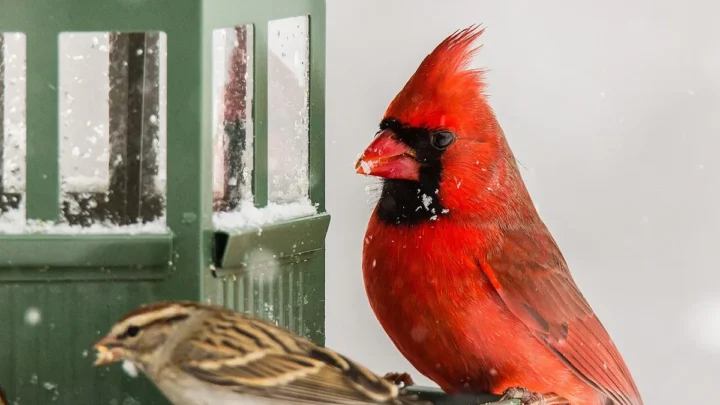
Identify your local birds before you choose seed or plants. A quick check with a regional bird checklist from a university extension or the Cornell Lab of Ornithology will tell you what actually visits your area. For example, a yard in the eastern woodlands will see cardinals, chickadees, and woodpeckers.
A desert yard might host quails, curved-billed thrashers, and finches.
Your local bird species determine your plant list. If you live in the Pacific Northwest, the native red-flowering currant attracts hummingbirds. If you're in the Southeast, the native oak trees host hundreds of caterpillar species that feed nesting birds.
The wrong plant, no matter how pretty, will not support local birds.
Sunlight also shapes your layout. Most feeders and birdbaths work best in partial shade, around 10 to 15 feet from dense cover. That lets birds watch for hawks while staying close to an escape route.
Put feeders inside 3 feet of a window or farther than 30 feet to reduce collisions. If you're in a very hot climate, place water in shade to keep it cool through the afternoon.
Once you know your space and species, you can start building.
Build the Foundation: Water, Cover, and Nesting Spots
Water is the backbone of any sanctuary. A basic birdbath with a shallow basin, 1 to 2 inches of water, and a rough surface for grip will work. Add a small dripper or a solar fountain and you'll triple your visitor count.
Still water attracts a few birds. Moving water attracts songbirds that otherwise would pass by.
Place the bath in a clear spot, about 10 to 15 feet from shrubs or a low tree branch. Remove any nearby garden hose or other reflective surfaces. In the winter, a simple birdbath heater, rated for outdoor use, will keep water open when everything else is frozen.
Cover comes next. A brush pile made from fallen branches and twigs, stacked loosely in a corner, gives small birds a safe place to hide from hawks and neighborhood cats. Leave leaf litter under shrubs instead of raking it all away.
That's where insects live, and insects feed birds and their chicks.
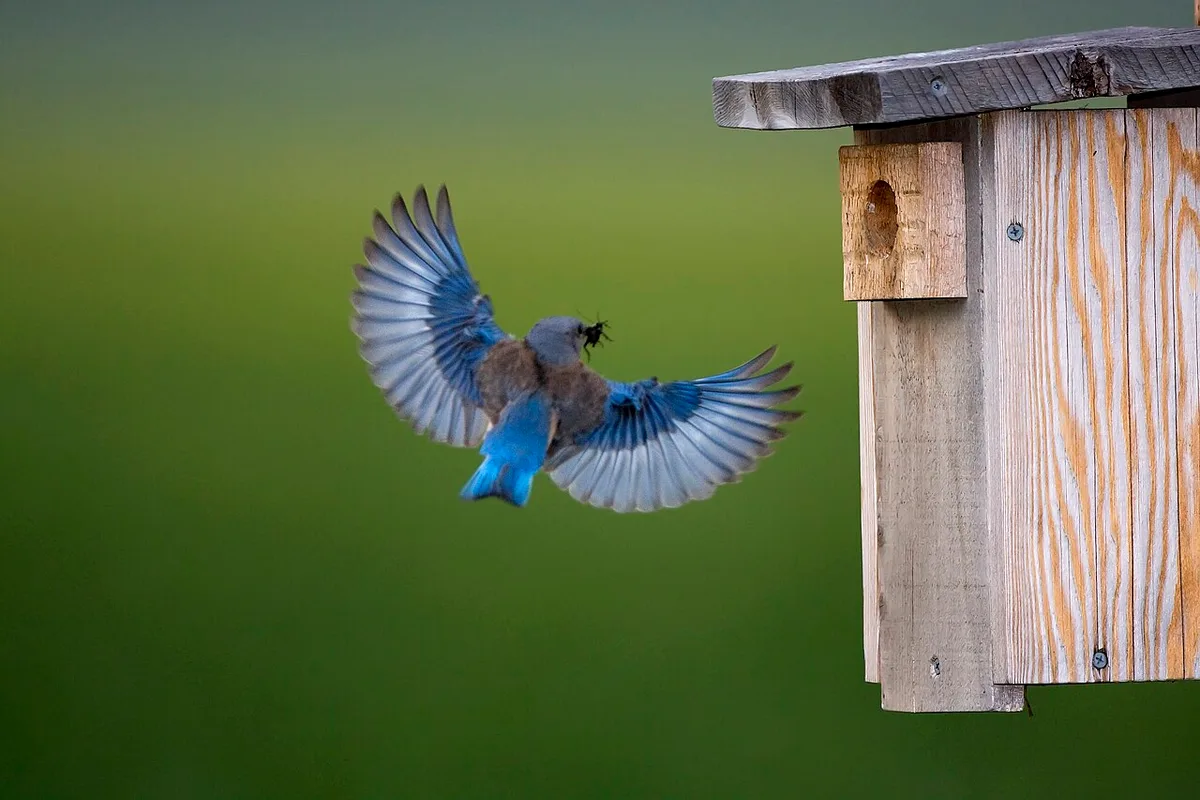
Image source: Wikimedia Commons / Kevin Cole from Pacific Coast, USA (CC BY)
Now think about nesting spots. Nest boxes help, but they are not strictly necessary if you have dead trees or snags. Woodpeckers, chickadees, and nuthatches use natural cavities or snags.
If you have a safe, standing dead tree, leave it. If you don't, add one or two nest boxes with species-specific entrance holes. A typical chickadee box has a 1 1/8-inch entrance, a 4×4-inch floor, and mounts about 5 to 10 feet high, facing away from prevailing winds.
Avoid plastic or metal houses. They overheat in summer. Use cedar or pine with no exterior stain.
Seal the roof seams against rain, and add small drainage holes in the floor. Place the opening facing east or southeast to avoid the hottest afternoon sun. Clean them out in late fall to remove old nesting material and mites.
Set Up Your Feeding Station: Feeders, Seed, and Predator Control
Feeding stations are the most visible part of a sanctuary, but they are actually secondary to water and cover. Once those are in place, you can decide how many feeders you want to manage. More feeders mean more cleaning.
If you cannot clean the entire station weekly, start with one or two feeders.
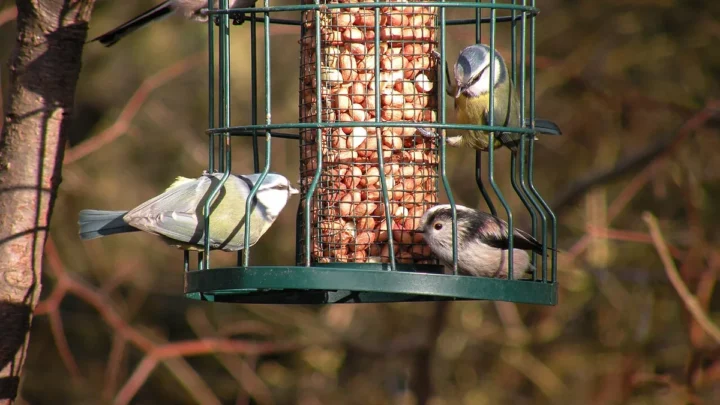
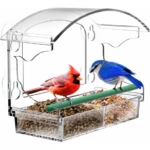
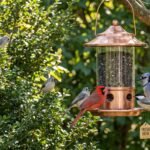
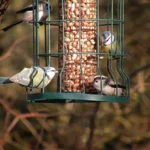
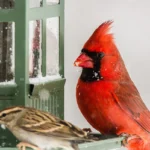
Choose feeder types based on the birds you want and the pests you want to avoid. Tube feeders with small perches work well for finches. Hopper feeders attract cardinals and jays.
Suet cages bring in woodpeckers and nuthatches. Platform feeders are simple but tend to waste seed and attract house sparrows.
You can use a table to compare the main options:
| Feeder type | Best for | Main drawback |
|---|---|---|
| Tube feeder | Finches, chickadees, titmice | Requires regular seed dry-out |
| Hopper feeder | Cardinals, grosbeaks, jays | Large opening lets in grackles |
| Suet cage | Woodpeckers, nuthatches | Must be refilled more often in winter |
| Tray/platform | Juncos, mourning doves, towhees | Leaves seed on the ground |
Seed choice matters more than feeder style. Black-oil sunflower seed is the single most valuable seed for attracting a wide range of birds. Safflower works well to deter starlings and squirrels.
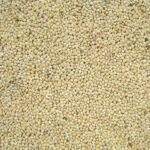
White proso millet, when used alone or mixed, helps ground-feeding birds like juncos and doves. Avoid cheap mixes with wheat, red milo, and fillers that most birds ignore.
Predator control is the next branch. If squirrels are your problem, add a baffle above or below a pole-mounted feeder. A large, smoothly domed baffle works well.
For bear country, do not put feeders out at all in spring and summer unless you have an electric drop line, which is usually impractical. In those areas, focus on native plants and water instead.
Seed spoils fast in humid weather. Only fill feeders about half full, and check every few days for mold or clumping. Store seed in a sealed metal bin.
If you see sick birds with swollen eyes or lethargic behavior, take down all feeders for two weeks and sanitize them with a 10% bleach solution, then rinse thoroughly.
Plant for the Birds: Native Landscaping Made Easy
Native plants are the strongest tool you have. They provide nectar, berries, seeds, and insects. They also need less water and fertilizer than exotics once established.
Per research from the National Wildlife Federation, native plants support 3 to 5 times more native herbivorous insects than non-natives, which means more protein for nesting birds.
Aim for at least 30% native plant coverage in your yard. That doesn't mean ripping out everything overnight. Start with one border or one flower bed.
Choose plants that do double duty: berry-producing shrubs like elderberry or serviceberry, seed-bearing perennials like coneflower and black-eyed Susan, and native grasses for nesting material and cover.
In our research, three plant groups give the fastest results. Evergreen or dense shrubs like holly and wax myrtle provide winter cover. Berry-rich shrubs and vines feed many birds in late summer and fall.
And native milkweed or goldenrod attract pollinators and the insects that attract birds.
Keep the garden a little messy. Do not deadhead every spent flower. Leave seed heads standing into winter.
Skip chemical pesticides entirely. A bird sanctuary with insecticide is like a table with crumbs wiped off before the meal. Let the aphids stay.
The chickadees will find them.
For small spaces, use large containers with native vines or shrubs. A patio with a 10-gallon pot of native honeysuckle and a simple hanging bowl of water can support hummingbirds and warblers during migration. You don't need much land.
You just need the right plants placed where birds already pass through.
Finally, plan for year-round structure. Birds need some evergreen cover in winter, flowering plants in spring, berries in fall, and seed heads in late season. A mix of tree, shrub, and perennial layers creates the vertical habitat that attracts the widest range of species.

Similar Posts