3 Fascinating Facts About Birds You’ll Love

If you need 3 facts about birds that are simple but actually useful, start with these: feathers do more than help birds fly, body parts reveal lifestyle, and migration is a serious survival skill. Those facts work for kids, beginner birdwatchers, classroom lessons, or anyone who wants birds to feel less mysterious.
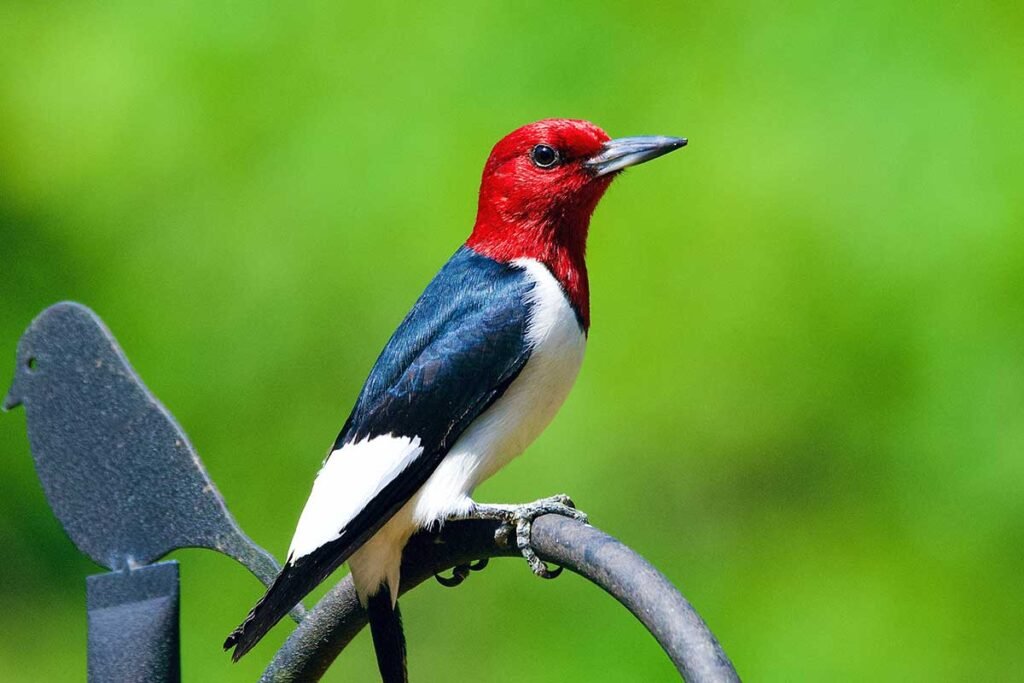
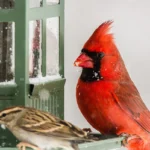
As of 2026, researchers recognize more than 11,000 living bird species worldwide, and every one belongs to the class Aves. That group includes tiny hummingbirds, giant ostriches, seabirds, raptors, songbirds, and flightless birds. Visual clues make these facts much easier to remember, so let’s start with the quick version.
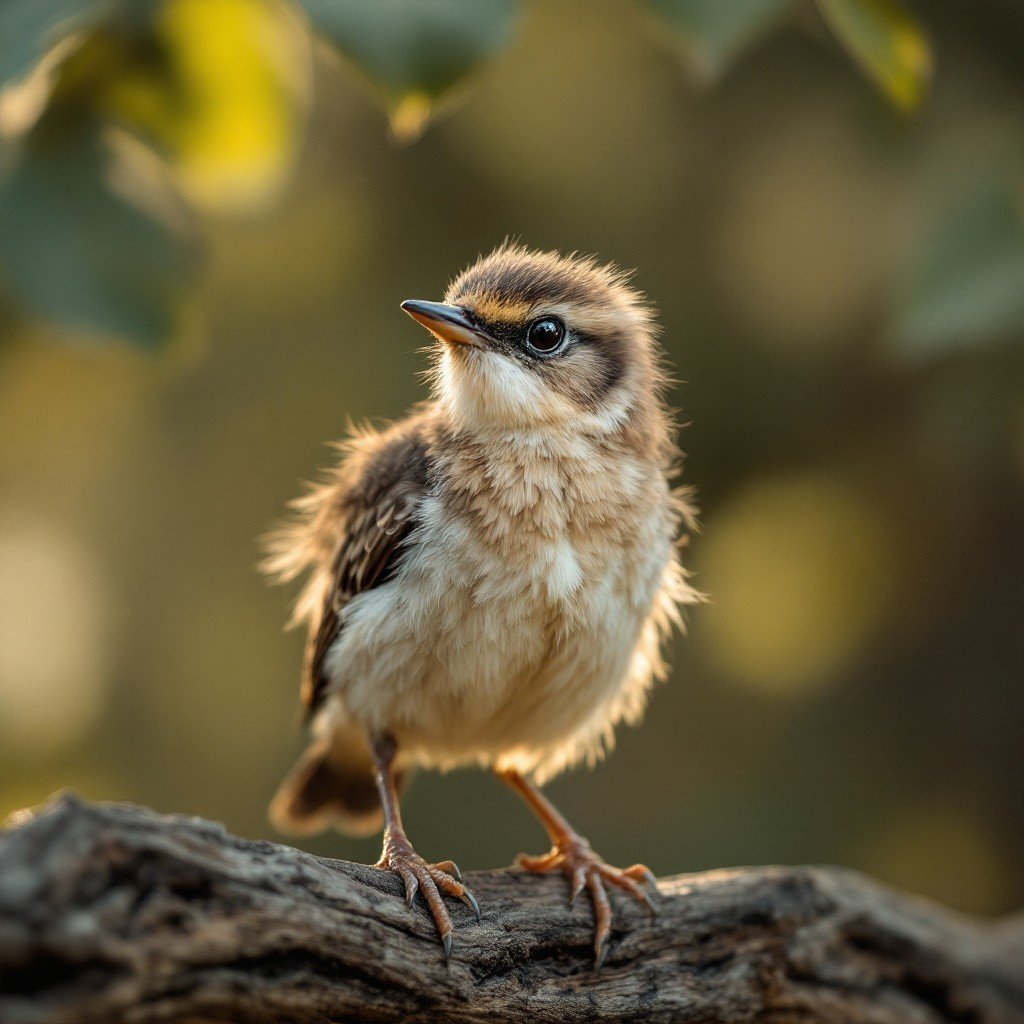
Image source: Web (Bing) / ar.inspiredpencil.com (Web image (fair-use with source credit))
Quick Answer
3 facts about birds: all birds have feathers. Birds have beaks, not teeth. Many birds migrate to survive seasonal changes.
Their feathers, beaks, feet, and wings reveal how they live. These clues make birdwatching much easier.
Why Bird Facts Make More Sense With Visual Clues
Birds are easier to understand when you look closely. A photo can show feather texture, beak shape, foot type, wing length, and body posture in seconds. Those details explain what the bird eats, how it moves, and where it likely lives.
That’s why bird facts shouldn’t stop at “birds have wings.” Some birds fly across oceans. Others, like ostriches and penguins, don’t fly at all. They’re still birds because they share core traits, especially feathers, eggs, beaks, and warm-blooded bodies.
A useful bird diagram usually labels these parts:
| Visual clue | What it can tell you |
|---|---|
| Beak shape | Diet, feeding style, and habitat |
| Feet | Perching, swimming, climbing, or hunting |
| Wing shape | Short bursts, soaring, diving, or long travel |
| Feathers | Flight, warmth, display, and protection |
If you’re watching birds outside, don’t worry about naming the species right away. Notice shape first. Then watch behavior.
A small bird hopping under shrubs gives different clues than a hawk circling high overhead.
For backyard learning, habitat matters too. Food, water, shelter, and native plants can change what you see. These bird-friendly yard basics connect well with simple observation.
For reliable identification guidance, the Cornell Lab of Ornithology is one of the best-known academic sources in ornithology.
Fact 1: Feathers Do Much More Than Help Birds Fly
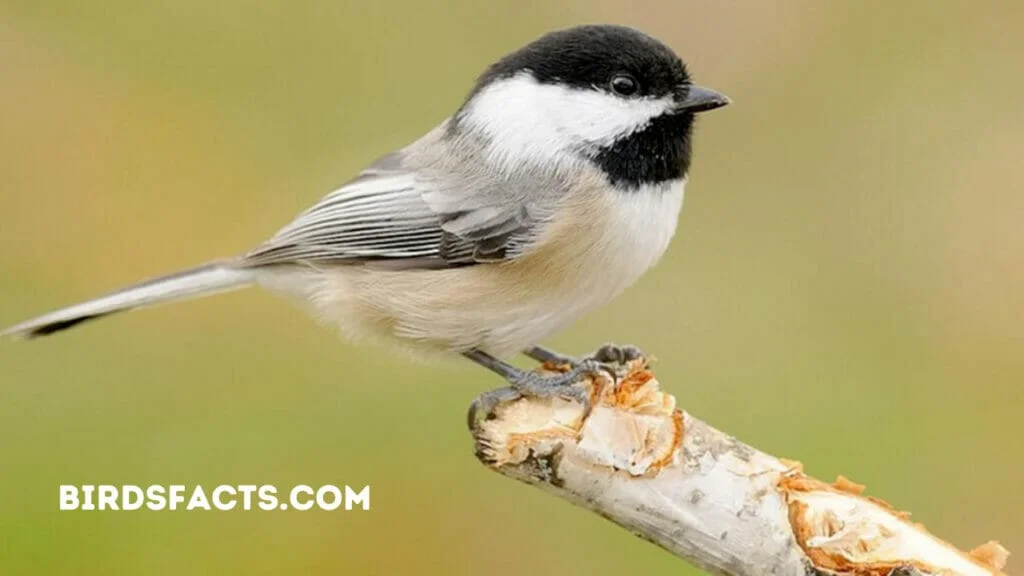
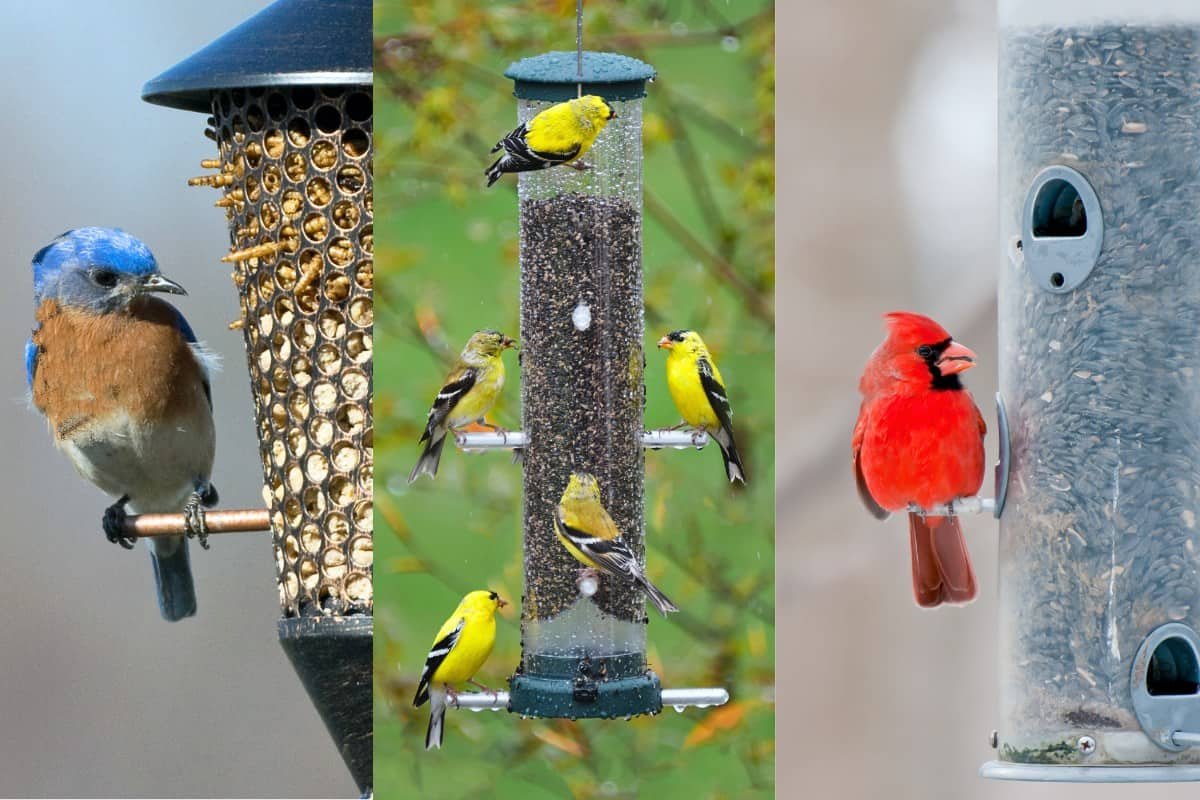
Feathers are the one feature every bird has. Bats have wings, but they don’t have feathers. Insects can fly, but they don’t have feathers either.

Image source: Bing (Web (fair-use with source credit))
Feathers are made mostly of keratin, the same tough protein found in human hair and fingernails. But birds use feathers in several smart ways. Flight is only one job.
Feathers help birds:
- Stay warm by trapping air near the body
- Shed water when properly preened
- Blend into grass, bark, rocks, or reeds
- Attract mates with color and pattern
- Control flight with wing and tail feathers
- Protect skin from sun, wind, and rain
There are different feather types too. Down feathers are soft and fluffy, so they’re excellent insulation. Contour feathers give birds their smooth outer shape.
Flight feathers on the wings and tail help with lift, steering, braking, and balance.
You’ll often see birds preening, which means cleaning and arranging feathers with the beak. Many birds spread oil from a preen gland near the tail. This helps keep feathers flexible and water-resistant.
A common mistake is thinking feathers stay the same all year. They don’t. Birds molt, which means they replace old feathers with new ones.
That’s why some birds look brighter in breeding season and duller later in the year.
Fact 2: Beaks, Feet, and Wings Reveal How a Bird Lives
A bird’s body is like a field guide you can read. Beak, feet, and wing shape often tell you more than color does. Color can change with age, sex, season, and light, but structure is easier to trust.

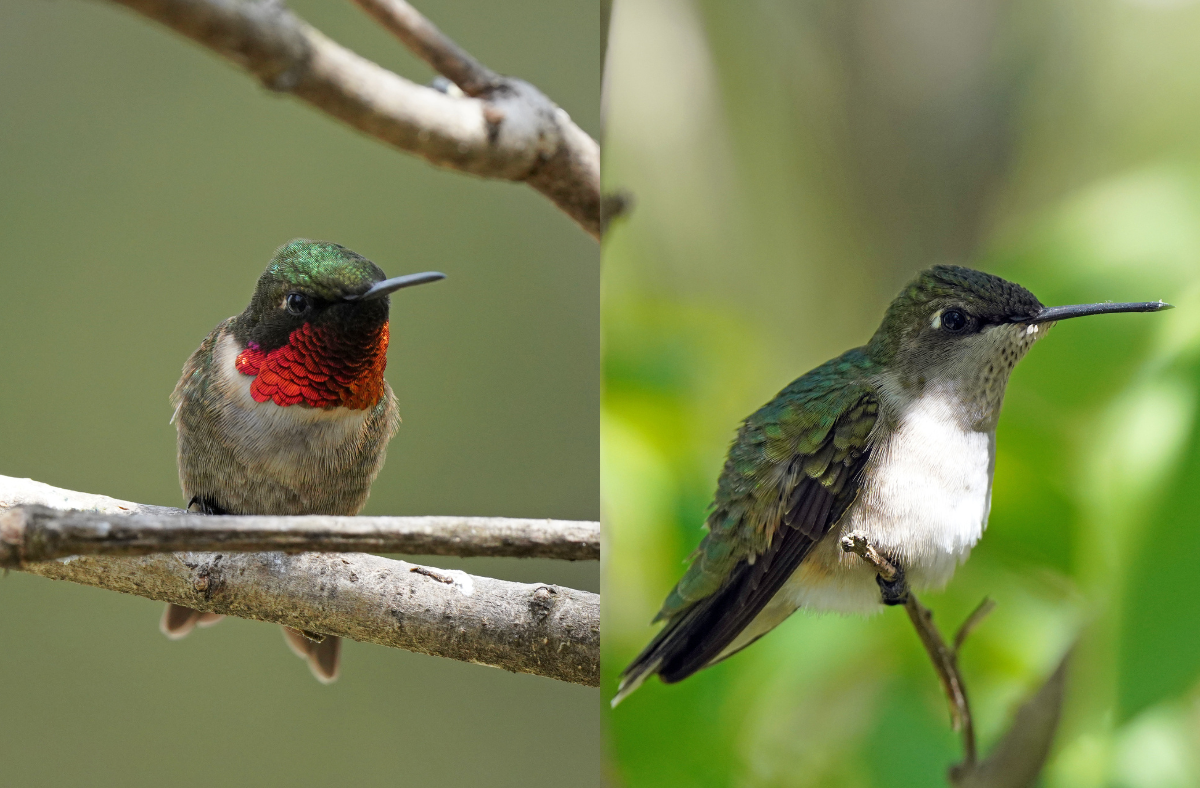
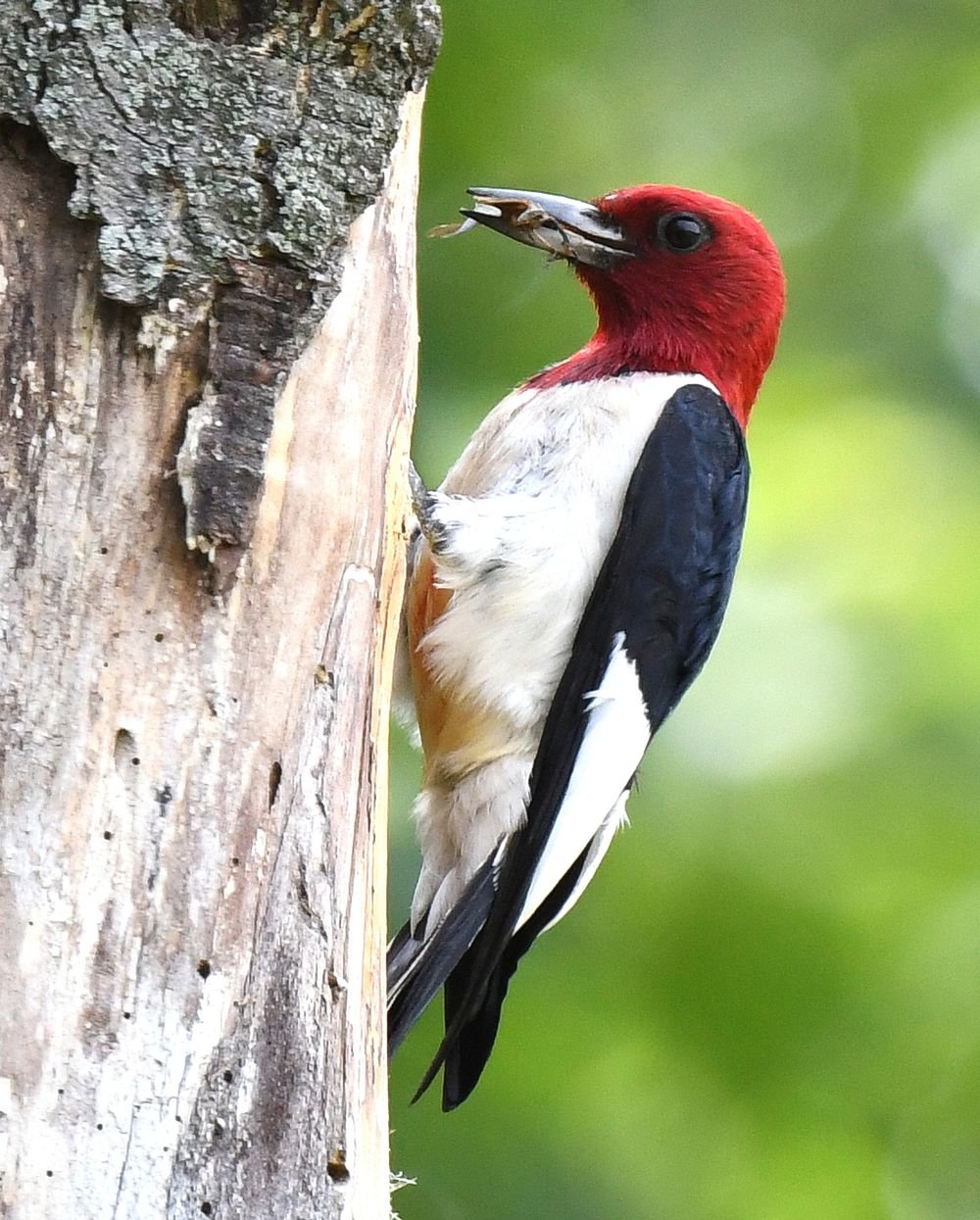
Image source: Bing (Web (fair-use with source credit))
A hummingbird has a long, narrow beak for reaching nectar. A hawk has a hooked beak for tearing prey. A duck has a broad bill that helps filter food from water.
Feet tell a story too. Perching birds have toes that grip branches. Ducks have webbed feet for swimming.
Woodpeckers have strong feet that help them cling to tree trunks.
Here’s the simple version:
| Body part | Example clue | Likely use |
|---|---|---|
| Thin pointed beak | Warblers | Picking insects |
| Cone-shaped beak | Finches | Cracking seeds |
| Hooked beak | Hawks and owls | Tearing meat |
| Webbed feet | Ducks and geese | Swimming |
| Long legs | Herons | Wading in shallow water |
Wing shape is another big clue. Long, narrow wings often belong to strong gliders or seabirds. Short, rounded wings help birds dodge through trees.
Broad wings help raptors soar on rising warm air.
If you’re new to birdwatching, watch what the bird does before reaching for a name. Feeding style, posture, and flight pattern usually narrow the options fast.
Fact 3: Migration Shows How Smart and Tough Birds Really Are
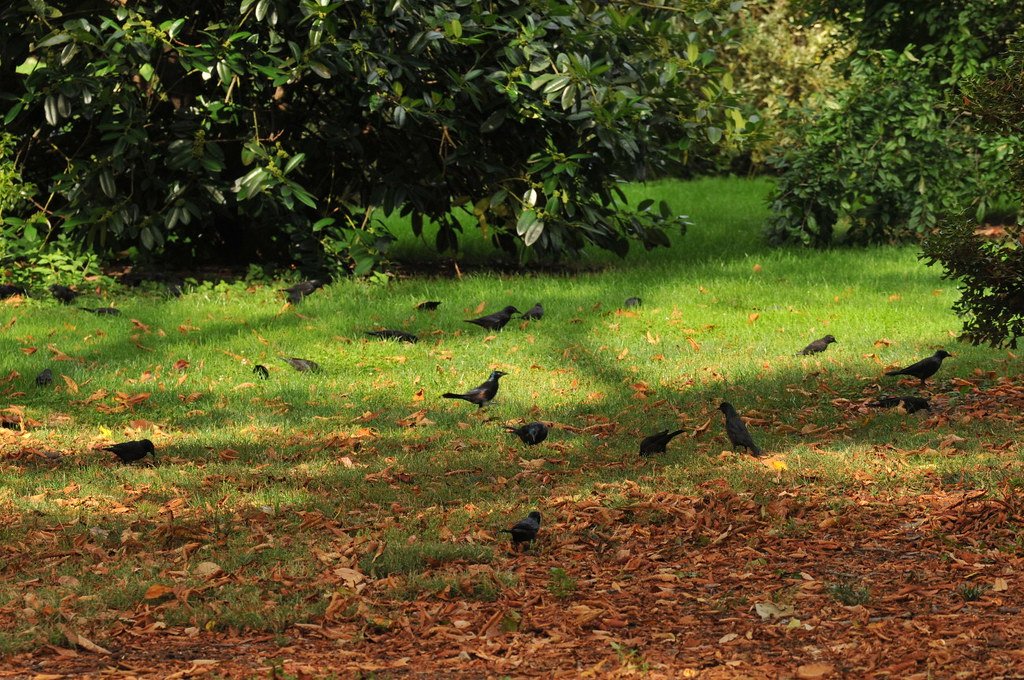
Migration is seasonal movement between breeding and non-breeding areas. Many birds migrate because food, daylight, temperature, and nesting conditions change through the year. It’s not random wandering.

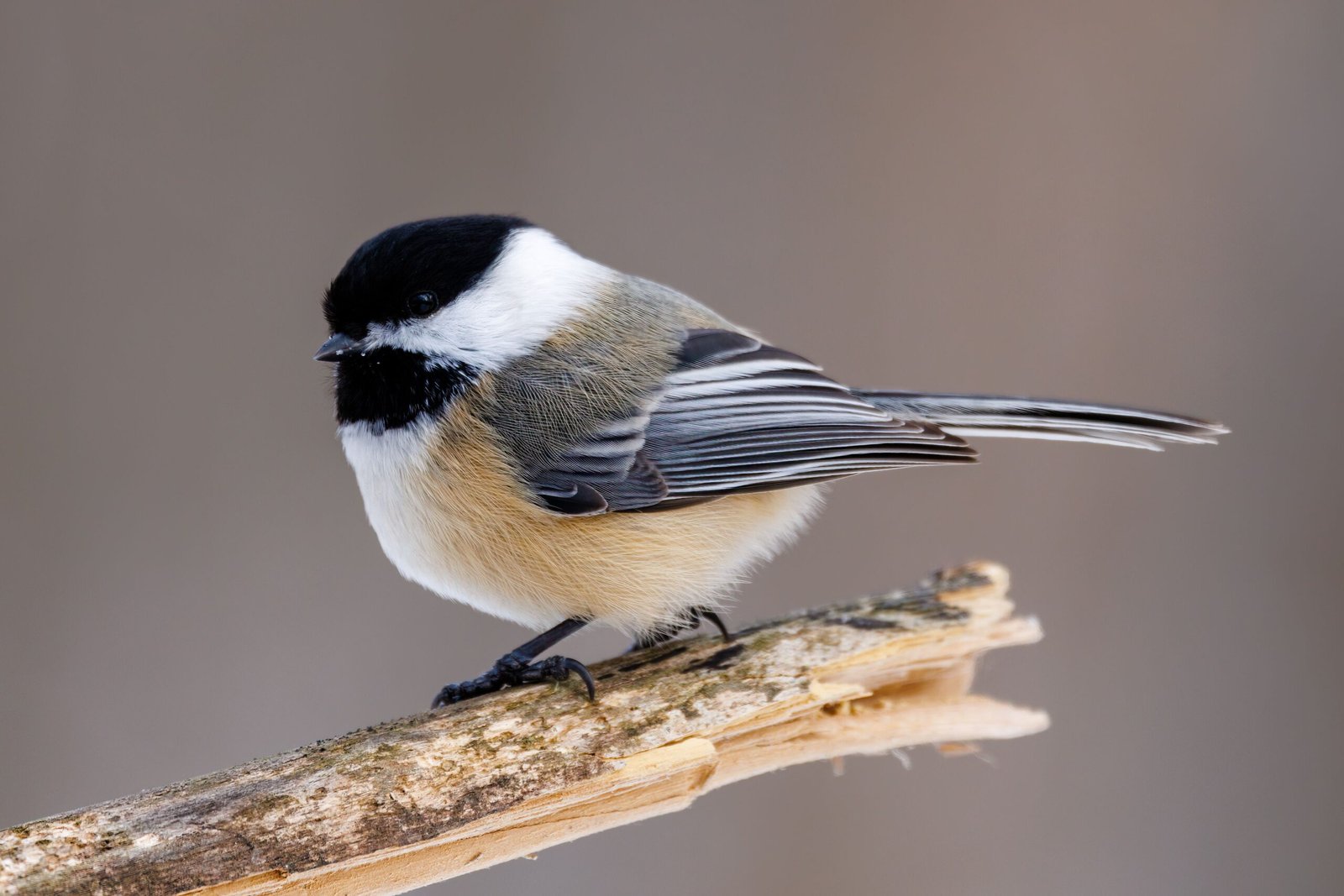
Image source: Bing (Web (fair-use with source credit))
Some migrations are short. A bird may move downhill for winter or shift to a nearby coast. Others are huge.
Arctic terns are famous for traveling tens of thousands of miles each year between polar regions.
Birds use several navigation clues. Research points to the sun, stars, landmarks, smell, and Earth’s magnetic field. Young birds often have inherited direction instincts, while older birds may refine routes over time.
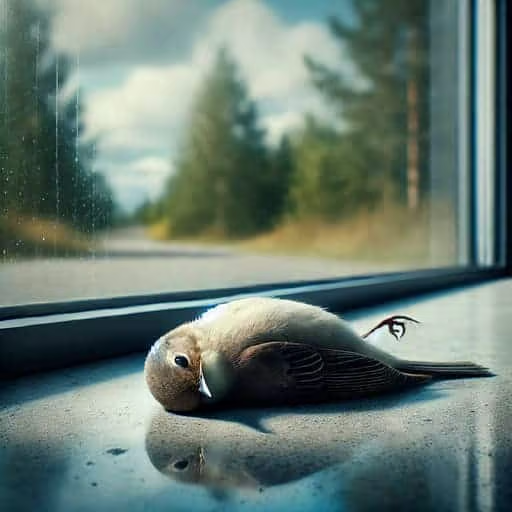
Migration takes energy and risk. Birds face storms, predators, habitat loss, window collisions, and food shortages. That’s why wetlands, forests, coastlines, grasslands, and safe stopover sites matter so much.
The U.S. Fish and Wildlife Service helps manage migratory bird conservation in the United States. In the U.S., many native migratory birds are protected under the Migratory Bird Treaty Act.
You can spot migration clues in everyday birdwatching:
- Sudden arrival of species you don’t see year-round
- Large flocks moving in one direction
- Birds feeding heavily before departure
- Seasonal changes in songs and territorial behavior
- More activity near lakes, rivers, coastlines, or flyways
Spring migration often brings breeding birds north. Fall migration usually sends many species toward warmer wintering areas. Local timing depends on weather, food, and geography.
Common Bird Fact Mistakes to Avoid
The biggest mistake is treating all flying animals as birds. Bats fly, but they’re mammals. Butterflies fly, but they’re insects.
Feathers are the giveaway feature.
Another common mix-up is thinking all birds fly. Ostriches, emus, cassowaries, kiwis, and penguins are birds, even without flight. Their feathers, eggs, beaks, and body structure keep them firmly in class Aves.
People also assume nests are “bird houses.” Really, most nests are temporary nurseries. Birds use them for eggs and chicks, then many move on once the young fledge.
Watch for these quick corrections:
| Mistake | Better way to think about it |
|---|---|
| All birds fly | Some birds are flightless |
| Feathers are only for flight | Feathers also insulate and protect |
| Bright color always identifies a bird | Shape and behavior are often better clues |
| Baby birds always need rescuing | Many fledglings are meant to be on the ground |
| Bread is good bird food | Bread offers poor nutrition |
If you enjoy watching birds at home, small choices matter. Native plants, clean water, and safe cover support healthier visits than random scraps. These safer backyard habits help reduce common feeding mistakes.
Nest disturbance is another issue. If you find an active nest, look from a distance. Photos are fine when taken responsibly, but repeated close visits can stress adult birds.
Simple Visual Birdwatching Guide for Beginners
Start with the bird’s outline before worrying about color. Size, shape, posture, and movement narrow the field fast. A robin-shaped bird and a hawk-shaped bird look different even in poor light.
Use this simple order:
- Notice size compared with a familiar bird.
- Look at the beak shape.
- Watch how it moves.
- Check the feet if visible.
- Note the habitat.
- Listen for calls or songs.
- Compare markings last.
Color can fool you. Shadows, distance, wet feathers, juvenile plumage, and seasonal molt all change what you see. Shape is usually more reliable.
Binoculars help, but you don’t need fancy gear to learn. A notebook can be just as useful. Write down where the bird was, what it was doing, and whether it was alone or in a flock.
For backyard observation, look for patterns across the day. Many birds feed heavily in the morning. Some return near dusk, especially around shrubs, water, or seed-producing plants.
If you want more birds to observe, think habitat first. Food is only one piece. Shelter, nesting cover, and water often matter more.
A few habitat-friendly upgrades can make birdwatching more consistent without making the space feel overmanaged.
Keep your distance around nests and fledglings. If a bird keeps calling, diving, or circling you, back away. That behavior often means you’re too close.
Frequently Asked Questions
What are 3 simple facts about birds?
Three simple facts are: birds have feathers, birds have beaks instead of teeth, and many birds migrate. These facts are easy to remember because you can see them in real life. Look at feathers, beak shape, and seasonal movement, and birds start making much more sense.
Are birds the only animals with feathers?
Yes, living birds are the only animals with feathers. That’s one reason feathers are such a useful identification clue. Bats, insects, and flying squirrels may move through the air, but they don’t have feathers.
If an animal has feathers, it’s a bird.
Why do birds migrate?
Birds migrate to reach better food, safer nesting areas, or milder seasonal conditions. Migration is usually tied to survival, not comfort. Some species travel short distances, while others cross continents or oceans.
Weather, daylight, habitat, and food supply all shape timing.
How can I identify a bird quickly?
Start with size, shape, beak, feet, and behavior. Then look at color and markings. A field guide or birding app can help, but your first clues should come from observation.
If you’re watching from home, repeat visitor patterns can also help.
What should I not feed wild birds?
Avoid bread, salty snacks, chocolate, spoiled food, and processed leftovers. These foods can cause poor nutrition or illness. Use clean feeders, fresh water, and species-appropriate food instead.
Better yet, add native plants that provide seeds, berries, insects, and shelter naturally.
How do I attract birds without harming them?
Focus on habitat, not just feeders. Provide clean water, native plants, shrubs, and safe cover from predators. Keep feeders clean and place them away from window-strike danger.
These wildlife-friendly planting ideas are a sensible starting point.

Similar Posts