Backyard Bird Feeding Station Ideas
If you've ever watched birds from your kitchen window and thought, "I'd love to see more of those up close," you're not alone. That's exactly where backyard bird feeding station ideas come in: a well-planned station turns an empty yard into a daily wildlife show.
The good news? You don't need fancy gear or a big budget. As of 2026, research from the Cornell Lab of Ornithology shows that a simple pole setup with two or three feeders, placed thoughtfully, will attract more species than a pile of expensive feeders scattered randomly.
The magic is in the layout. Cornell recommends placing feeders either within 3 feet of windows or farther than 30 feet away to prevent collisions, and that's just the start.
1. Start with the View: Why Placement Beats Expensive Gear
The biggest mistake new birders make is buying feeders first and thinking about placement later. That's backwards. The best feeder in the world won't help if you can't see it, or if it sits in a spot birds avoid.
Think about this: where do you actually spend time in your house? Kitchen? Home office?
Living room? That's your viewing spot. Build your station around what you can see from there.
A $20 tube feeder placed perfectly outside your kitchen window beats a $200 deluxe station tucked in a far corner you never look at.
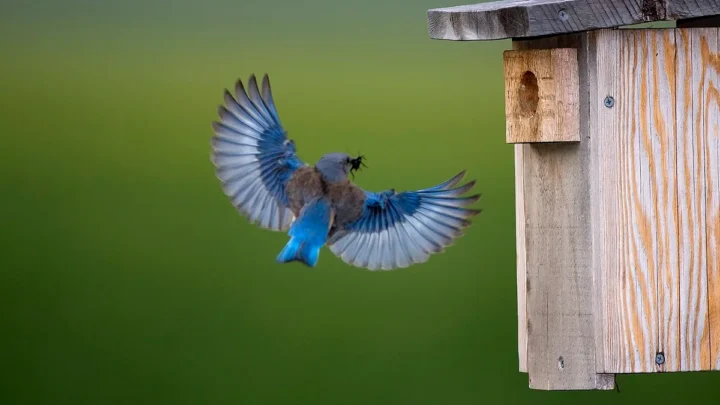
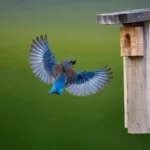
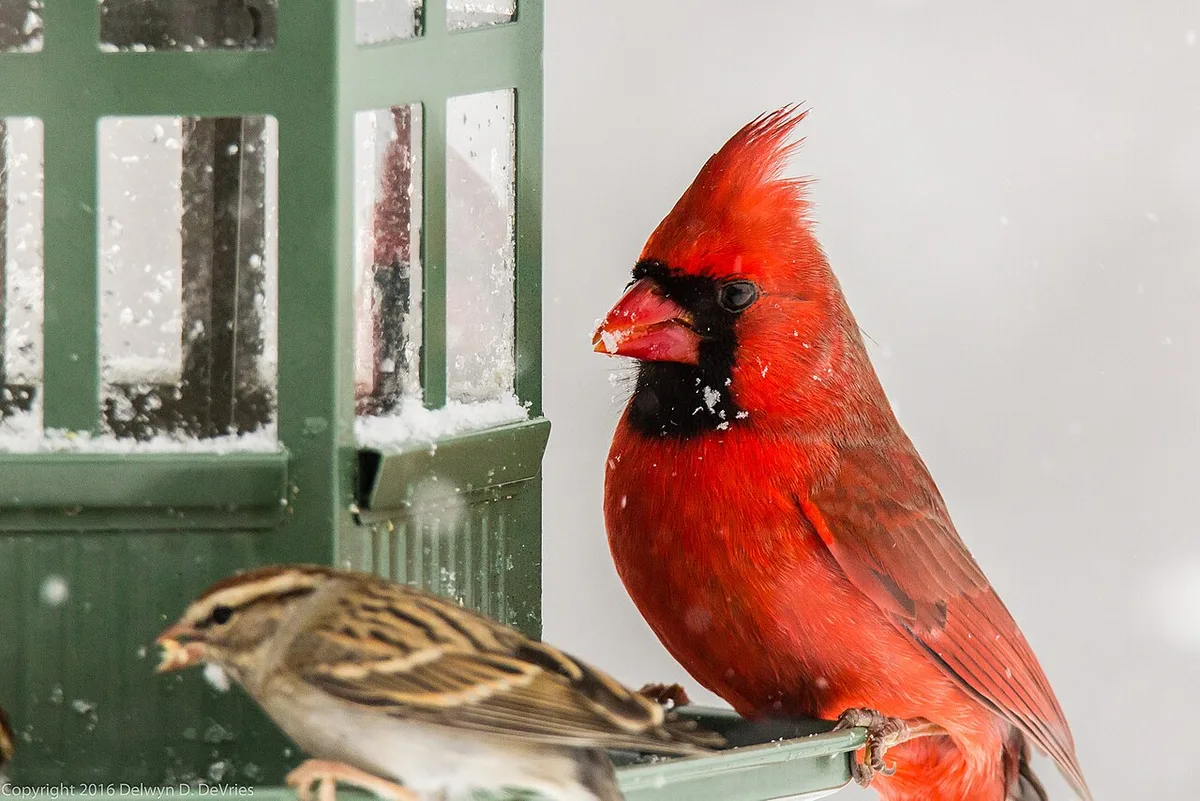
Image source: Wikimedia Commons / Del Devries (CC BY-SA)
Here's what to look for when you're scanning your yard:
- Good visibility. You want a clear, unobstructed view from your window.
- Some natural cover. A nearby shrub or tree gives birds a quick escape route from predators.
- Sun exposure. Morning sun dries dew off seeds, and afternoon shade keeps nectar and suet from spoiling too fast.
- Level ground. A wobbly pole means spilled seed and frustrated birds.
Take a notebook and sketch your yard. Mark where the windows are, where the trees sit, and where you see birds already. That sketch is your blueprint.
In our research, people who planned placement first kept their station running longer and enjoyed it more than those who just hung feeders wherever there was a hook.
2. Choose the Station Style That Fits Your Yard
Not every yard needs a massive multi-pole setup. Your space dictates your style. Here's how to match your station to your situation.
If you have a small patio or balcony: Go window-mounted or use a single shepherd's hook. Window feeders sit just inches from the glass, which means birds get comfortable quickly and you get incredible close-up views. A lightweight tube feeder on a hook works too, as long as it's stable in the wind.
If you have a typical suburban backyard: A ground-stake pole system is your best bet. It's stable, holds multiple feeders, and keeps everything at a consistent height. Most pole kits come with a baffle, which we'll talk about in a minute.
This is the classic setup you see in most yards for a reason.
If you have a larger property or a farm edge: Go big with a multi-station layout. Use two or three poles spaced 10 to 15 feet apart. This spreads out dominant birds like blue jays and starlings, giving smaller species a fair shot at the food.
If you rent or move often: Skip the permanent pole. Use freestanding hooks that pull out of the ground at the end of the season. They're not as stable, but they travel well and leave no trace.
Then there's the ground tray option. It's underrated. Many birds, including doves, juncos, and sparrows, prefer feeding at ground level.
A simple tray feeder opens up your station to a whole new group of species.
| Station Style | Best For | Downsides |
|---|---|---|
| Window feeder | Apartments, close-up views | Small capacity, needs frequent refills |
| Single hook | Small yards, renters | Sways in wind, limited space |
| Pole system | Suburban yards, multi-feeder setup | Costs more, requires staking |
| Ground tray | Attracting ground feeders | More seed waste, visible to cats |
| Multi-pole | Large properties, variety | Most expensive, more maintenance |
If you're just starting out, don't overthink it. A single pole with one hopper feeder and one tube feeder covers the basics well.
3. Feeder, Pole, or Tray: The Core Components
Once you've picked your station style, it's time to choose the actual feeders. Each type attracts different birds, and the best stations mix two or three of them.
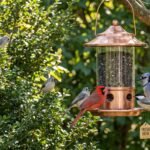
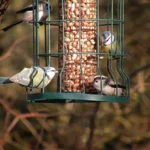
Hopper feeders look like little houses with a seed reservoir and a tray at the bottom. They hold a lot, which means fewer refills. Cardinals, chickadees, and finches all use them.
The downside is that squirrels love them too, so you'll need a baffle.
Tube feeders are the workhorses of the bird world. Long cylinders with feeding ports and perches, they're great for small songbirds like goldfinches and chickadees. Look for one with metal ports, as plastic ports wear out and widen over time, letting bigger birds in.
Platform feeders are flat trays, sometimes with a roof. They accommodate any bird that can land on them, including larger species like jays and grackles. They're also the messiest, since birds toss seeds around looking for the best ones.
Suet feeders hold blocks of rendered beef fat mixed with seeds, nuts, or insects. Woodpeckers, nuthatches, and wrens are suet magnets, especially in winter. A simple metal cage works well and keeps out most larger birds.
Nectar feeders are specifically for hummingbirds and orioles. They hold sugar water in that classic 1 part white sugar to 4 parts water ratio. They need regular cleaning, especially in warm weather.
Here's a quick cheat sheet:
| Feeder Type | Best Bird Species | Seed or Food | Capacity |
|---|---|---|---|
| Hopper | Cardinals, jays, chickadees | Black-oil sunflower | Large |
| Tube | Finches, chickadees, titmice | Nyjer, sunflower hearts | Medium |
| Platform | Doves, sparrows, jays | Mixed seed, millet | Large |
| Suet cage | Woodpeckers, nuthatches, wrens | Suet cakes | Small |
| Nectar | Hummingbirds, orioles | Sugar water | Small to medium |
Your pole itself matters too. A solid steel pole with a flanged base handles wind better than a flimsy aluminum one. And the pole diameter should match the baffle you plan to use, so there are no gaps a squirrel can squeeze through.
4. Set It Up Right: A Simple Step-by-Step Layout
Now it's time to assemble everything. Follow these steps, and you'll skip most of the frustration that drives people to give up.
Step 1: Place the pole. Position it about 10 feet from the nearest shrub or tree. Close enough to give birds a quick escape route, but far enough that squirrels can't launch themselves onto the feeder. Remember the 10-foot jump rule for squirrels.
Step 2: Install the baffle first. Put the squirrel baffle on the pole before you hang anything. Manufacturer specs recommend mounting it at least 4 feet off the ground. This simple step protects your seed investment.
No baffle means squirrels win, every time.
Step 3: Hang feeders at varying heights. In our research, the sweet spot is 5 to 6 feet off the ground. That's comfortable for birds and high enough to keep them safe from most ground predators. If you have multiple feeders, vary the heights slightly to create a more natural look.
Step 4: Separate feeders by type. Domination happens when everything is in one spot. Put the suet feeder on one hook, the tube feeder on another, and the ground tray 10 feet away. This gives shy birds their own space.
Step 5: Set up the water source. Birds need water for drinking and bathing. A simple birdbath, positioned near the station but not directly under it, completes the setup. Change the water every few days so mosquitoes don't breed.
Step 6: Start with black-oil sunflower seed. It's the single best seed for attracting a wide variety of birds. Add nyjer for finches and suet for woodpeckers as you expand.
Here's the window rule again, because it matters: feeders within 3 feet of glass or beyond 30 feet prevent most collisions. The Cornell Lab of Ornithology has documented this extensively, and it's one of the simplest things you can do to keep birds safe.
5. Common Visual Mistakes (and What to Do Instead)
Most station problems trace back to placement mistakes you can see with your own eyes. Let's fix them.
Mistake 1: Feeders crammed together. When you hang everything on one hook, dominant birds guard it all. Instead, spread feeders 5 to 10 feet apart, or use a pole system with multiple arms. This simple change dramatically increases the number of birds you'll see.
Mistake 2: Placement too close to shrubbery. Yes, birds like cover. But if a feeder sits inside a bush, squirrels and cats can ambush birds mid-bite. The fix?
Keep feeders 8 to 10 feet from dense cover.
Mistake 3: Ignoring the squirrel jump radius. Squirrels can jump 10 feet horizontally from a tree and 5 feet straight up from the ground. If your feeder hangs within that zone, you're handing dinner to the squirrels. Move the pole, or add a properly positioned baffle.
Mistake 4: Forgetting about the messy seed hulls. Platform feeders and hoppers scatter sunflower hulls on the ground below. That kills grass and sprouts unwanted weeds. Put a catch tray under the feeder, or place the station over mulch instead of lawn.
Mistake 5: Not considering afternoon shade. In summer, direct sun bakes seed and ferments nectar. Move feeders to a spot with morning sun and afternoon shade. Your birds will thank you, and your seed stays fresher longer.
Take a photo of your setup and look at it with fresh eyes. If it looks cluttered or cramped, that's usually a sign you're violating one of these rules. Adjust, observe, and adjust again.
That's the real workflow of a successful station.

Similar Posts