
Grackles can turn a calm backyard into a noisy, messy feeding station fast. If you’re wondering how to get rid of grackles, the safest answer is to remove what’s attracting them, then use humane exclusion and deterrents based on where they’re causing trouble. The plan changes if they’re raiding feeders, nesting, roosting, or damaging crops.
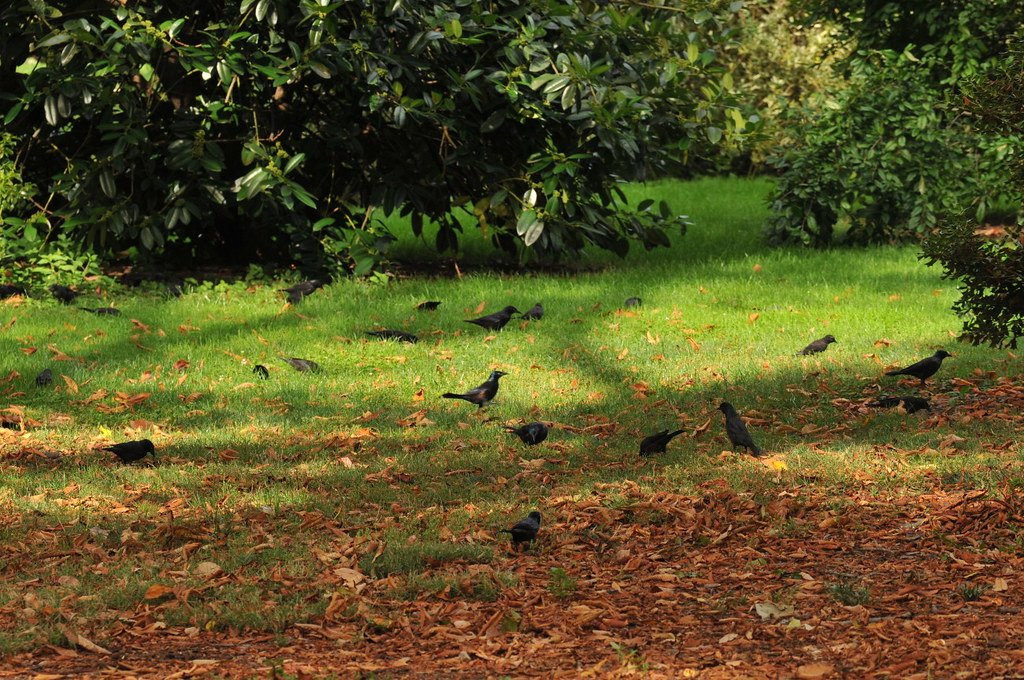
Image source: Bing (Web (fair-use with source credit))
As of 2026, grackles are covered under the Migratory Bird Treaty Act in the United States. That means you can’t harm them, destroy active nests, or remove eggs without proper authorization. You still have plenty of good options.
The trick is using the right one for the exact grackle problem you’re dealing with.
Quick Answer
To get rid of grackles, remove food first. Take down open feeders and secure trash. Use caged feeders for smaller birds.
Block roosting spots before birds settle. Never disturb active nests with eggs or chicks.
First, identify the problem: feeder raiders, nesting birds, roosting flocks, or crop damage
Grackles aren’t all causing the same problem. A few birds cleaning out a platform feeder need a different plan than a large flock roosting in parking lot trees. Watch them for two or three days before you act.
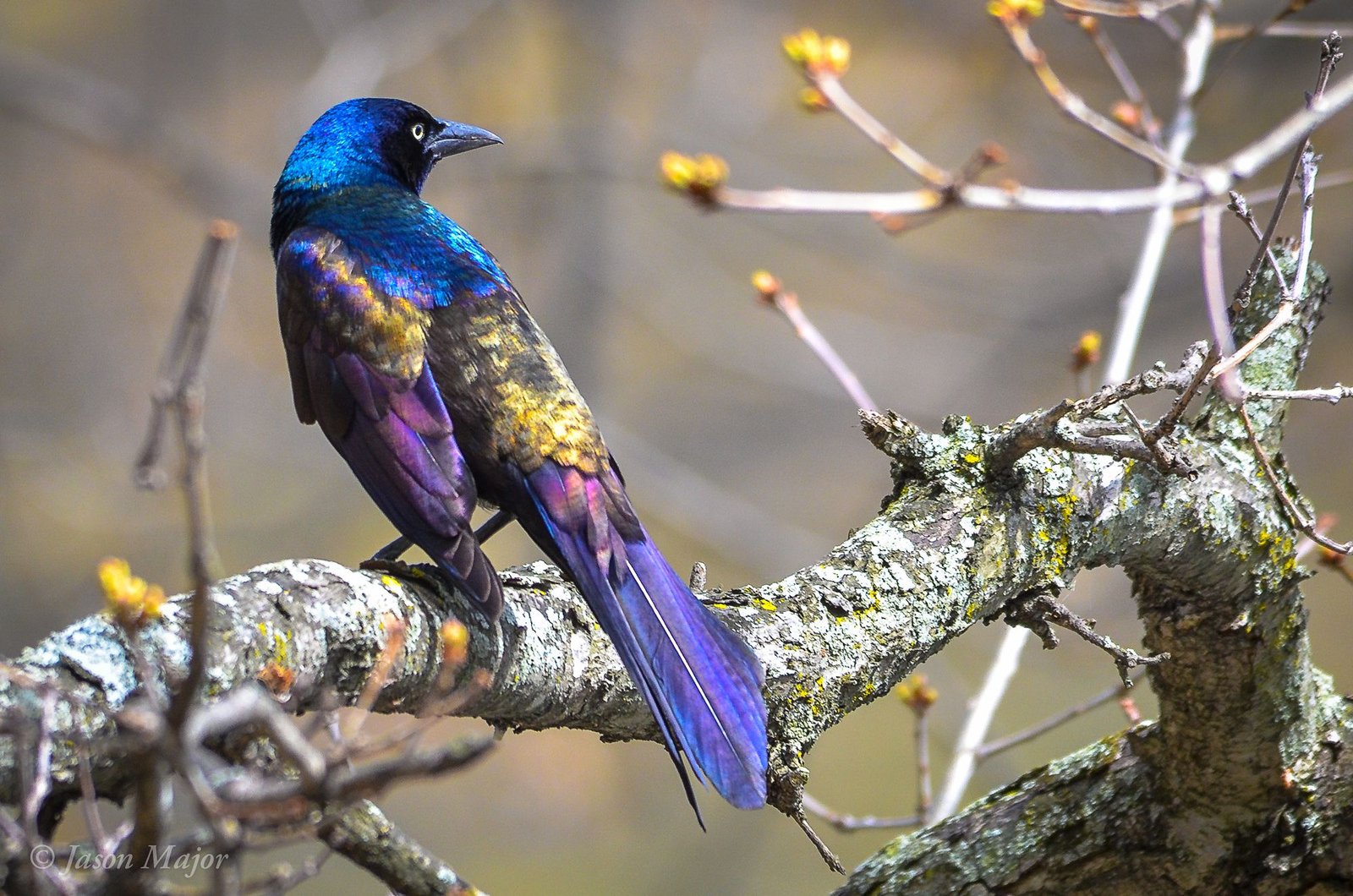
Image source: Bing (Web (fair-use with source credit))
The Common Grackle is the bird many homeowners notice first. It’s glossy black with an iridescent head, a long tail, and a sharp yellow eye. If you enjoy identifying regular yard visitors, this guide to familiar local birds helps separate grackles from starlings, cowbirds, crows, and other blackbirds.
Use this quick check before choosing a fix:
| What you’re seeing | Likely problem | First move |
|---|---|---|
| Birds crowding feeders | Easy food source | Change feeder style and seed |
| Birds carrying twigs | Nest building | Check for active nests |
| Loud groups at dusk | Roosting flock | Start roost deterrents early |
| Birds in garden beds | Crop or seed damage | Cover plants and remove spills |
| Droppings on cars or patios | Roost above the area | Block or modify the roost site |
If grackles only appear when seed hits the ground, your feeder setup is the issue. If they gather at dusk in the same trees, you’re dealing with a roost. If they’re near gutters, shrubs, porch lights, or dense vines in spring, slow down and check for nesting.
Check the legal and safety basics before you act
Grackles are protected migratory birds in the U.S. The U.S. Fish and Wildlife Service is the federal agency tied to Migratory Bird Treaty Act rules.
In plain language, don’t poison, shoot, trap, or destroy active nests unless you’ve been told you legally can.
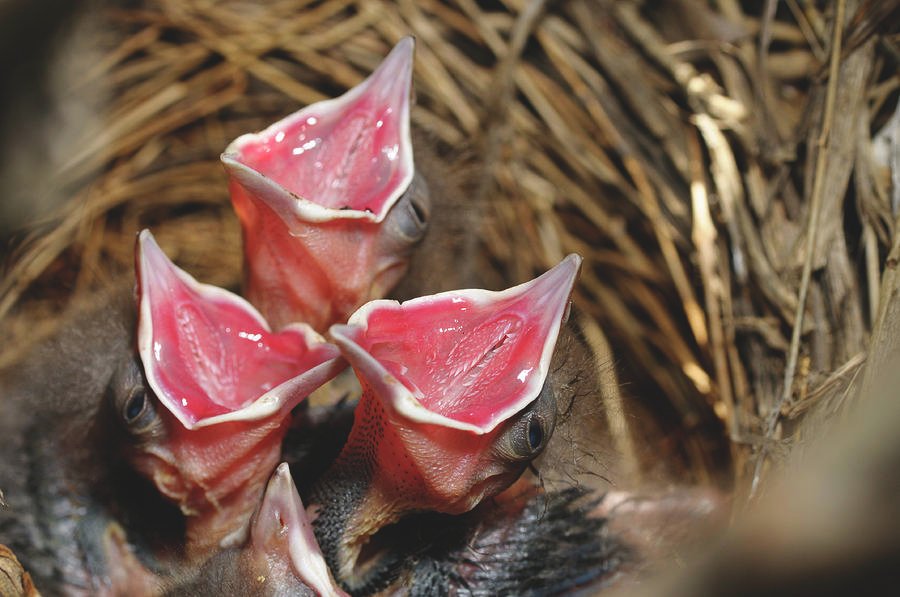
Image source: Bing (Web (fair-use with source credit))
An active nest means eggs or young birds are present. Leave it alone until the young have fledged and the nest is no longer in use. After that, you can usually remove old nesting material and block future access, depending on local rules.
Cleanup also deserves care. Bird droppings can make walkways slippery and can irritate your lungs if dry material becomes airborne. Wear gloves, wet the area first, and avoid dry sweeping heavy buildup.
Before doing anything physical, check these points:
- Are there eggs or chicks present?
- Are birds entering a vent, gutter, attic edge, or wall gap?
- Will ladder work put you near power lines?
- Are droppings creating a slip hazard?
- Does your city, landlord, or HOA restrict deterrent devices?
- Is the roost large enough to need professional help?
For large roosts near schools, shopping centers, farms, or apartment parking lots, contact your state wildlife agency or USDA Wildlife Services through USDA APHIS. Big flock work often needs careful timing, coordination, and sometimes permits.
Decision tree: what to do based on where the grackles are
The easiest way to solve a grackle problem is to match the fix to the location. If you treat every grackle issue the same way, you’ll waste time. The birds may simply shift ten feet and keep going.
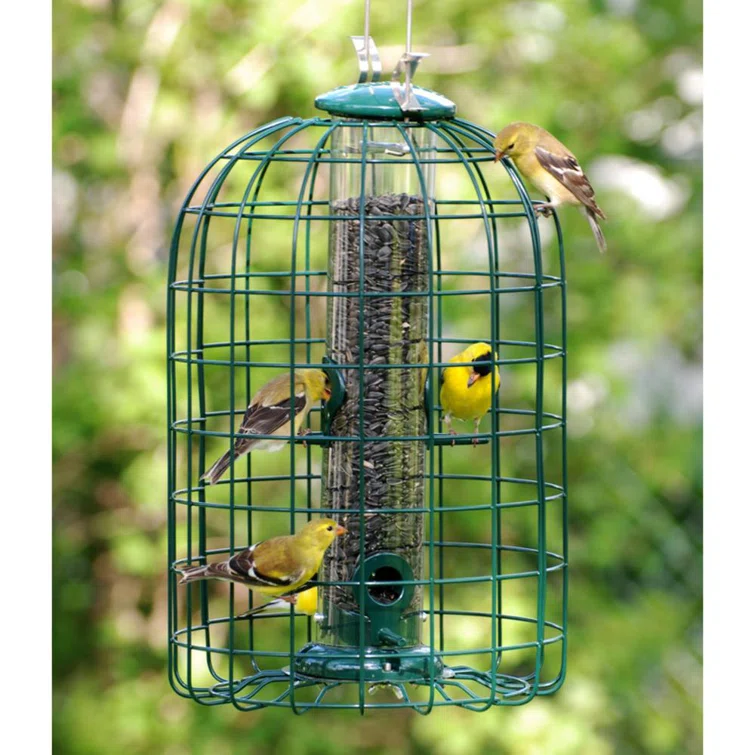
Image source: Bing (Web (fair-use with source credit))
If grackles are taking over your bird feeders
Remove tray feeders and platform feeders first. Grackles love easy landing space. Switch to caged tube feeders, shorter perches, and smaller seed ports.
Seed choice matters too. Grackles often go hard for cracked corn, millet, sunflower seed, and suet. Try safflower or nyjer if your goal is to feed smaller songbirds.
For a more balanced setup, focus on clean feeding habits that don’t leave piles of food on the ground.
If grackles are nesting near your house
If the nest is active, wait. Don’t knock it down, spray it, or block adults from reaching chicks. Once nesting is over, remove old material and close the access point.
Good follow-up spots include:
- Porch light fixtures
- Dense shrubs beside doors
- Gutter corners
- Open rafters
- Wall vines
- Ledges above patios
- Loose gaps near soffits
If grackles are roosting in trees, roofs, ledges, or parking areas
Start before dusk, when birds are arriving. Use repeated, varied pressure for several evenings. Static fake owls rarely work for long because grackles learn fast.
Use a mix of movement, noise, and habitat change. Trim dense roosting branches where allowed. For buildings, block ledges with netting, spikes, bird wire, or sloped covers.
If grackles are damaging gardens, crops, or livestock feed
Cover vulnerable plants with netting or row cover. Store livestock feed in sealed bins. Clean spills quickly because one easy meal can train a whole flock.
For small gardens, physical barriers beat scare tactics. For larger crop areas, contact your local extension office or wildlife agency. They can help with legal, site-specific options.
Best humane grackle deterrents and when each one works
The best grackle deterrent is usually not one device. It’s a combination of removing rewards and making the spot less comfortable. Grackles are smart, social birds, so one scare tactic gets old quickly.
| Deterrent | Best for | Watch-out |
|---|---|---|
| Caged feeders | Backyard feeding stations | Openings must exclude larger birds |
| Safflower or nyjer seed | Reducing feeder raids | Not all songbirds prefer it |
| Bird netting | Crops, beams, vents | Gaps make it useless |
| Motion sprinklers | Lawns and garden beds | Needs hose access |
| Reflective tape | Short-term pressure | Birds may habituate |
| Roost pruning | Trees used nightly | Check local tree rules |
| Bird spikes | Ledges and signs | Not for branches or nests |
For feeders, the winning move is access control. Grackles are heavier and larger than many backyard birds. Weight-sensitive feeders and cage-style feeders can reduce visits without stopping smaller birds entirely.
For roosting, timing matters. Start deterrents before birds settle in for the night. Once a flock has slept in the same place several times, you’ll need more consistent pressure.
For gardens, physical barriers beat scare tactics. Netting, row cover, and clean edges work better than hoping a plastic predator solves it. If your goal is still to welcome desirable species, design the space around smaller backyard visitors instead of offering one open buffet.
Avoid relying on ultrasonic repellents as your main plan. In our research, outdoor bird results are often inconsistent because sound spreads poorly in open spaces. Grackles respond more strongly to food access, flock behavior, and safe roosting cover.
Common mistakes that make grackle problems worse
The biggest mistake is feeding them by accident. Mixed seed on the ground, open trash, pet food, spilled grain, and uncovered compost all keep grackles interested. If the food stays, the flock stays.
Another common mistake is using one scare item and leaving it in place. A fake owl on a fence may work for a day or two. Then birds notice it never moves.
Rotate visual deterrents and combine them with real habitat changes.
Don’t remove an active nest. That can be illegal and cruel. Wait until the birds are gone, then block that spot before the next nesting attempt.
Also avoid these quick fixes:
- Poison bait
- Glue traps
- Shooting in residential areas
- Spraying nests with water
- Blocking adults from active chicks
- Dry sweeping heavy droppings
- Leaving feeders up during a major flock problem
- Installing loose netting that birds can enter
If you want birds without grackle chaos, tighten the whole feeding routine. Feed smaller amounts, clean beneath feeders, and remove food at dusk. A yard planned for healthy bird activity attracts fewer nuisance flocks than one with loose seed everywhere.
The last mistake is stopping too soon. Roosting flocks often need several evenings of steady pressure. Feeder problems may take a week or two of changes before the birds give up and move on.
Long-term prevention: how to keep grackles from coming back
Once the grackles move on, make the old spot boring. That means no easy food, no easy landing, and no safe evening roost. If you fix only one of those, the birds may test the area again.
For bird feeders, keep the setup tidy and selective. Use caged feeders, short perches, and seed types that grackles don’t favor. Clean spilled seed every few days, or daily during heavy flock activity.
| Task | How often | Why it helps |
|---|---|---|
| Sweep or rake under feeders | 2 to 3 times weekly | Removes ground food |
| Check trash and compost lids | Weekly | Cuts off easy scraps |
| Inspect ledges and beams | Monthly | Catches new roosting spots |
| Trim dense roost branches | Seasonally | Reduces sheltered flock sites |
| Watch spring nesting spots | Early spring | Prevents repeat nests |
If you still want a lively yard, don’t strip everything away. The goal is to discourage large nuisance flocks while still supporting smaller birds. A cleaner feeding area, native plants, and smart feeder placement can help you keep a welcoming yard setup without creating a grackle buffet.
For commercial properties, assign someone to check known roost sites before fall flocking season. Early action is far easier than moving a settled winter roost. If droppings are already building up, pair cleanup with exclusion right away.
For homes, spring is the key season for nest prevention. Watch the same porch corners, shrubs, and gutter edges that were used before. If no active nest is present, block access early with mesh, pruning, or simple ledge changes.
Frequently Asked Questions
Are grackles protected birds?
Yes, grackles are protected under the Migratory Bird Treaty Act in the United States. You can use humane deterrents, remove attractants, and block inactive nesting spots. You cannot legally harm them, poison them, or remove active nests with eggs or chicks unless proper authorization applies.
What smell keeps grackles away?
No smell is a reliable stand-alone grackle deterrent. Repellent sprays may offer short-term help in limited spots, but food control and exclusion work better. If feeders, trash, pet food, or spilled grain remain available, grackles usually ignore weak odor-based tactics.
Do fake owls scare grackles?
Fake owls may scare grackles briefly, but they rarely solve the problem alone. Grackles learn when a decoy never moves or poses no real threat. If you use one, move it often and pair it with feeder changes, roost disruption, or physical exclusion.
Will taking down bird feeders get rid of grackles?
Taking down feeders often helps, especially during a sudden flock problem. Remove them for one to two weeks, clean spilled seed, then restart with caged or weight-sensitive feeders. Avoid platform trays if grackles were landing easily and emptying seed fast.
Can I remove a grackle nest from my porch?
You can remove old, inactive nest material after nesting is finished, but don’t remove an active nest. If you see eggs, chicks, or adults feeding young, wait until the birds leave. Afterward, block that porch spot with mesh, slope covers, or access barriers.
