DIY Bird Feeder Seed Cakes: Easy Homemade Recipe
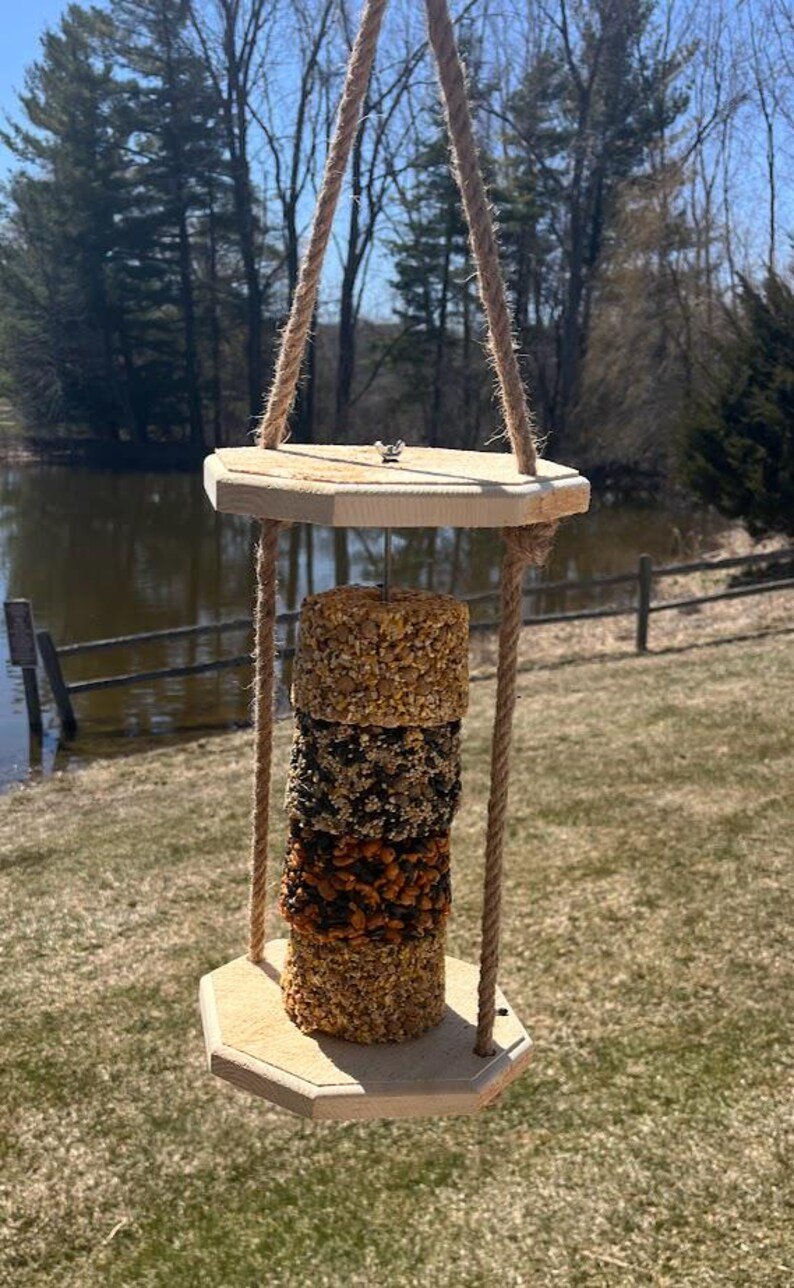
If your homemade seed cakes keep crumbling, melting, or getting ignored, the recipe probably doesn’t match your weather or feeder. Good diy bird feeder seed cakes need the right binder, the right seed mix, and enough pressure in the mold to hold everything together.
Image source: Bing (Web (fair-use with source credit))
As of 2026, most backyard seed cake recipes work best when the finished cake is about 3/4 to 1 1/2 inches thick. Thinner cakes break easily. Thicker ones can be hard for small birds to peck.
Let’s start with the fastest way to get it right.
DIY Bird Feeder Seed Cakes: Easy Homemade Recipe
Quick Answer
Diy bird feeder seed cakes are homemade blocks of birdseed and binder. Use suet in cold weather. Use gelatin for mild, dry days.
Press the mix firmly into molds. Chill it until fully set.
What Makes a Seed Cake Hold Together Without Wasting Seed
A bird seed cake is simply seed held together by a binder. The binder can be fat, gelatin, peanut butter, or a plant-based gelling agent. The goal is firm enough to hang, but soft enough for birds to peck.

Image source: Bing (Web (fair-use with source credit))
The biggest mistake is adding too much seed. If the binder can’t coat everything, the cake falls apart. If you add too much binder, the cake turns greasy, rubbery, or messy.
Use this simple rule:
- If the mix looks dry, add more binder.
- If liquid pools in the mold, add more seed.
- If it crumbles after chilling, pack it harder next time.
- If birds ignore it, change the seed blend before changing the shape.
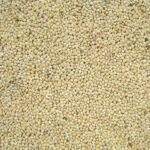
Seed choice matters too. Black oil sunflower seeds are a strong all-rounder. White millet works well for ground-feeding birds, and this guide to millet-loving birds helps if you want to target sparrows, juncos, and doves.
A good cake should feel compact, not brittle. When you press it, it should resist your finger without oozing fat. That’s the sweet spot.
Choose Your Seed Cake Recipe by Season and Binder
The best binder depends on outdoor temperature. If you use a warm-weather binder in freezing weather, it may turn too hard. If you use a cold-weather fat cake during a warm spell, it can soften fast.

Image source: Bing (Web (fair-use with source credit))
Here’s the easiest way to choose.
| Outdoor conditions | Best binder | Best feeder style |
|---|---|---|
| Freezing or snowy | Rendered suet or lard | Suet cage or platform |
| Cool and dry | Plain gelatin | Hanging ornament or tray |
| Mild and damp | Peanut butter plus oats | Platform feeder |
| Warm weather | Skip fat-heavy cakes | Loose seed or tube feeder |
If it’s winter, fat-based cakes are usually the better call. Birds use more energy in cold weather, and high-fat foods help. For broader seasonal feeding choices, this cold-weather feeding guide pairs well with seed cake planning.
If your area is rainy, gelatin cakes can soften and spoil faster. In that case, make smaller cakes. Put out only what birds can finish in a day or two.
If squirrels are a constant problem, don’t hang soft peanut cakes from a low branch. Use a cage feeder, baffle, or a tougher setup. For peanut-heavy feeding, a protected peanut setup can save a lot of frustration.
Step-by-Step: How to Make DIY Bird Feeder Seed Cakes
Start with a small batch. It’s easier to fix one crumbly muffin tin than twelve failed ornaments. Once you know what your backyard birds like, scale up.
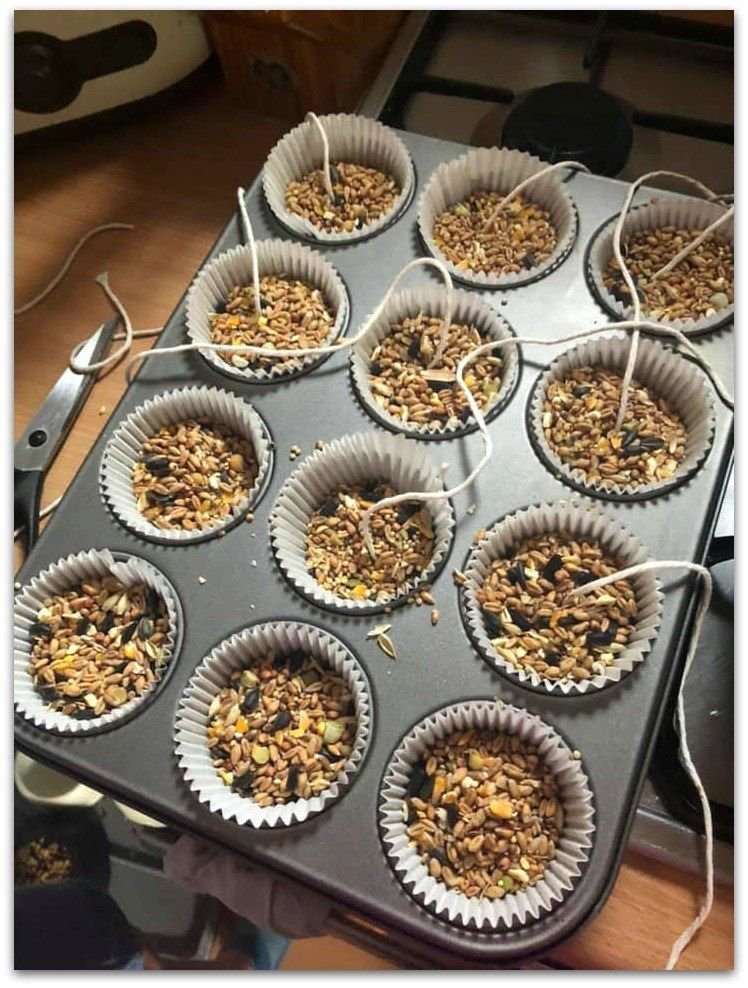
Image source: Bing (Web (fair-use with source credit))
You’ll need:
| Item | Why it helps |
|---|---|
| Birdseed mix | Main food source |
| Binder | Holds the cake together |
| Muffin tin or silicone mold | Shapes each cake |
| Straw or skewer | Creates a hanging hole |
| Parchment paper | Helps release the cakes |
| Natural twine | For hanging, if needed |
Basic gelatin method:
- Dissolve plain, unflavored gelatin in warm water.
- Stir in birdseed until fully coated.
- Spoon the mix into lined molds.
- Press hard with the back of a spoon.
- Add a straw for the hanging hole.
- Chill for 2 to 4 hours.
- Remove and hang once firm.
For a fat-based cake, melt suet or lard gently. Stir in seed, oats, and chopped unsalted peanuts. Pack it into molds, then chill until solid.
If you’re using a feeder instead of hanging cakes, shape matters less. A square or round block can sit inside a cage or tray. A seed cylinder style feeder can also help you think through size, access, and waste.
For food safety and bird health, the Cornell Lab of Ornithology is one of the best official sources for bird-feeding guidance.
Best Ingredients for Backyard Birds and What to Avoid
The best seed cake ingredients are plain, unsalted, and familiar to wild birds. Skip anything seasoned, sweetened, moldy, or stale. Birds don’t need pantry leftovers dressed up as treats.
Good seed cake ingredients include:
- Black oil sunflower seeds
- Hulled sunflower hearts
- White proso millet
- Safflower seed
- Cracked corn in small amounts
- Rolled oats
- Unsalted chopped peanuts
- Dried mealworms
- Pumpkin seeds
- Plain rendered suet
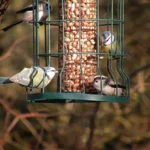
Small birds often prefer seeds they can handle quickly. Chickadees, finches, titmice, and nuthatches usually go for sunflower pieces. If you’re feeding tiny backyard visitors, this guide to small bird diets is a useful match.
Avoid these ingredients:
- Salted nuts or salted peanut butter
- Chocolate
- Honey
- Artificial sweeteners
- Bread as the main filler
- Bacon grease
- Moldy seed
- Rancid fat
- Brightly dyed foods
- Plastic netting
Honey sounds natural, but it’s not a good binder for wild bird cakes. Sugar-heavy foods can also draw insects and spoil quickly. If you want a fruit-based addition, use a few chopped raisins or dried cranberries instead of sticky syrup.
Freshness matters more than fancy ingredients. Old seed loses appeal and can spoil in storage. If you’re unsure, use these seed freshness signs before mixing a batch.
Common Seed Cake Problems and How to Fix Them
Most seed cake failures come down to ratio, pressure, or weather. If the cake breaks, don’t toss the crumbs. Scatter them on a tray feeder or mix them into the next batch.
| Problem | Likely cause | Quick fix |
|---|---|---|
| Cake falls apart | Too much seed | Add more binder next time |
| Cake feels greasy | Too much fat | Add oats or seed |
| Birds ignore it | Wrong seed mix | Add sunflower hearts |
| Mold appears | Cake stayed wet | Replace and clean feeder |
| Hole breaks | Hung too close to edge | Move hole inward |
If a hanging hole keeps cracking, make the cake thicker near the top. Place the straw at least 1 inch from the edge. For delicate gelatin cakes, use a cage feeder instead of twine.
If birds don’t visit right away, don’t panic. New foods and new feeders can take time. This guide to feeder discovery timing explains why a quiet first week is normal.
If the feeder area gets messy, switch to hulled seed or smaller batches. A low-mess seed blend can also help if shells are piling up under the feeder.
Where to Hang Seed Cakes and How to Keep Them Fresh
Hang seed cakes where birds can feed safely and leave quickly. A branch near shrubs can work, but avoid dense cover where cats may hide. Keep feeders either within 3 feet of windows or more than 30 feet away to reduce collision risk.
Choose the feeder based on cake firmness:
- Firm suet cake: suet cage
- Soft peanut cake: platform feeder
- Gelatin ornament: short twine loop
- Crumbly batch: tray feeder
- Large block: wire cage holder
Clean feeders often. Wet seed and bird droppings can spread disease. The [U.S.
Fish and Wildlife Service](https://www.fws.gov) shares official wildlife guidance and local conservation updates.
If a cake gets soaked, replace it. Don’t wait for it to dry out. Mold can grow inside the cake before you see it on the surface.
Store extra cakes in an airtight container. Refrigerate gelatin cakes for a few days, or freeze fat-based cakes for longer storage. For feeder hygiene, this cleaning routine fits well with homemade seed cakes.
Keep the ground below feeders tidy too. Fallen seed attracts rodents, squirrels, and raccoons. If squirrels dominate the station, this look at squirrel and bird behavior helps explain what’s happening.
Frequently Asked Questions
How long do homemade seed cakes take to set?
Most gelatin seed cakes set in 2 to 4 hours in the refrigerator. Fat-based cakes often firm up in 1 to 2 hours when chilled. Freezing speeds things up, but let cakes rest briefly before hanging.
Very cold, brittle cakes can crack around the hole.
Can I make seed cakes without gelatin?
Yes, you can use rendered suet, lard, peanut butter, coconut oil, or agar-agar. Choose the binder based on weather. Suet works best in winter.
Gelatin works best in cool, dry conditions. Peanut butter needs oats or seed to keep it from turning sticky.
Are bird seed cakes safe for all backyard birds?
They’re safe when you use plain, fresh, unsalted ingredients. Different birds will prefer different seeds. Sunflower attracts many species, while millet suits ground feeders.
Avoid chocolate, honey, salted nuts, moldy seed, and artificial sweeteners.
Why are birds not eating my seed cakes?
The birds may not recognize the cake yet, or the seed mix may not suit them. Move it near an active feeder for a few days. If they still ignore it, add sunflower hearts or chopped peanuts.
Also check that the cake hasn’t gone stale or rancid.
Can seed cakes attract rats or squirrels?
Yes, seed cakes can attract rats, mice, squirrels, and raccoons if food falls below the feeder. Use smaller cakes, clean fallen seed, and avoid overfilling feeding areas. A tray or cage feeder can reduce waste.
Bring soft cakes in overnight if pests become a problem.

Similar Posts