What Bird Has a Red Head? Common Species to Know
You’re probably asking “what type of bird has a red head” because you saw a flash of red and couldn’t get a long look. The honest answer is that several birds do. A full red head points one way, while a red cap, red face, or red throat can mean something completely different.
As of 2026, the Cornell Lab of Ornithology’s eBird database tracks sightings across more than 10,000 bird species worldwide, so location matters a lot. A red-headed bird in an eastern backyard may not be the same bird you’d see in the desert Southwest or a UK garden. Let’s start with the quick answer, then narrow it down by sight.
Image source: Bing (Web (fair-use with source credit))
Quick Answer
What type of bird has a red head? It might be a Red-headed Woodpecker. It could also be a Northern Cardinal, House Finch, or Pileated Woodpecker.
Check the body shape, beak, and location first. Color alone is not enough.
Quick Answer: Common Birds With Red Heads You’re Most Likely Seeing
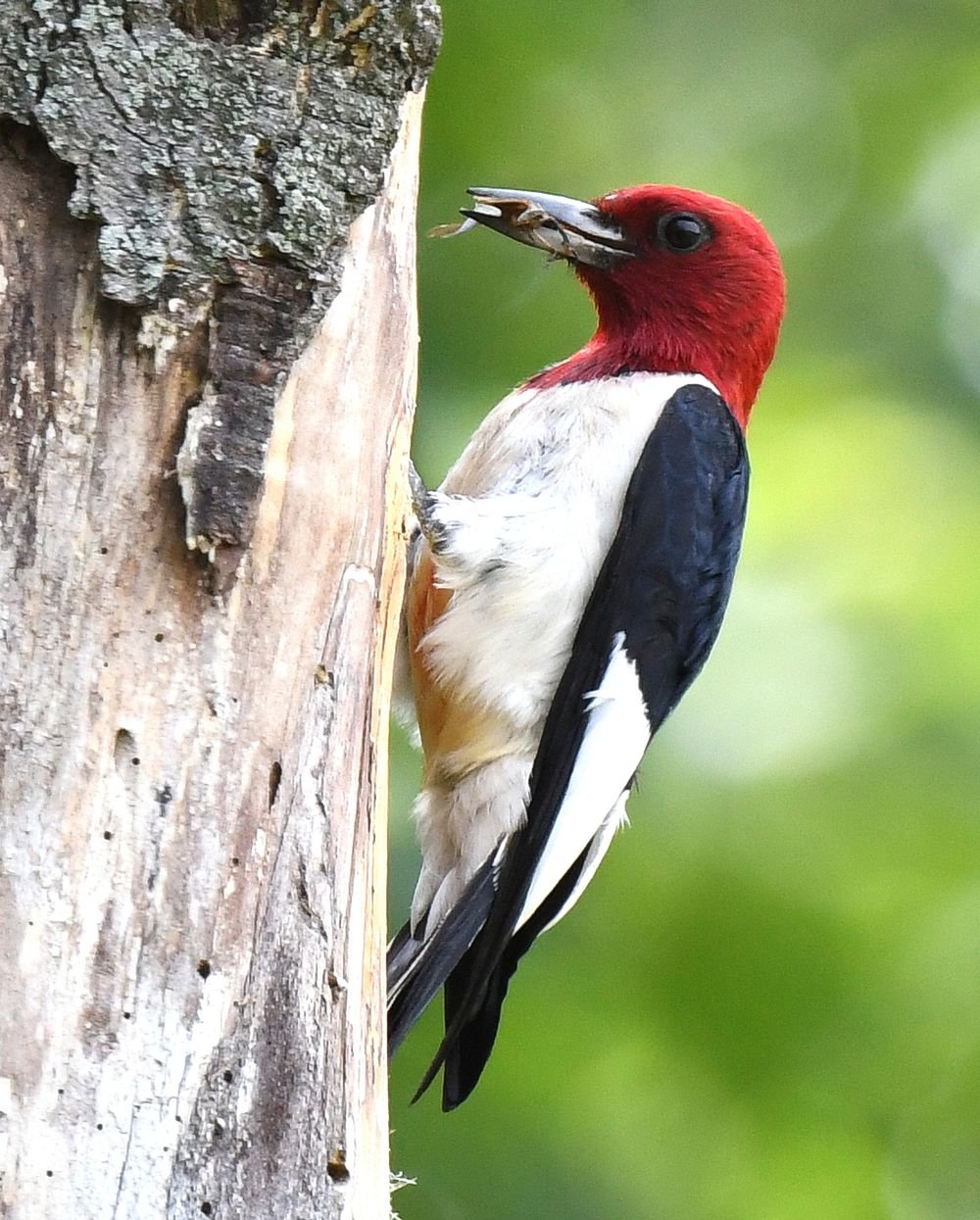
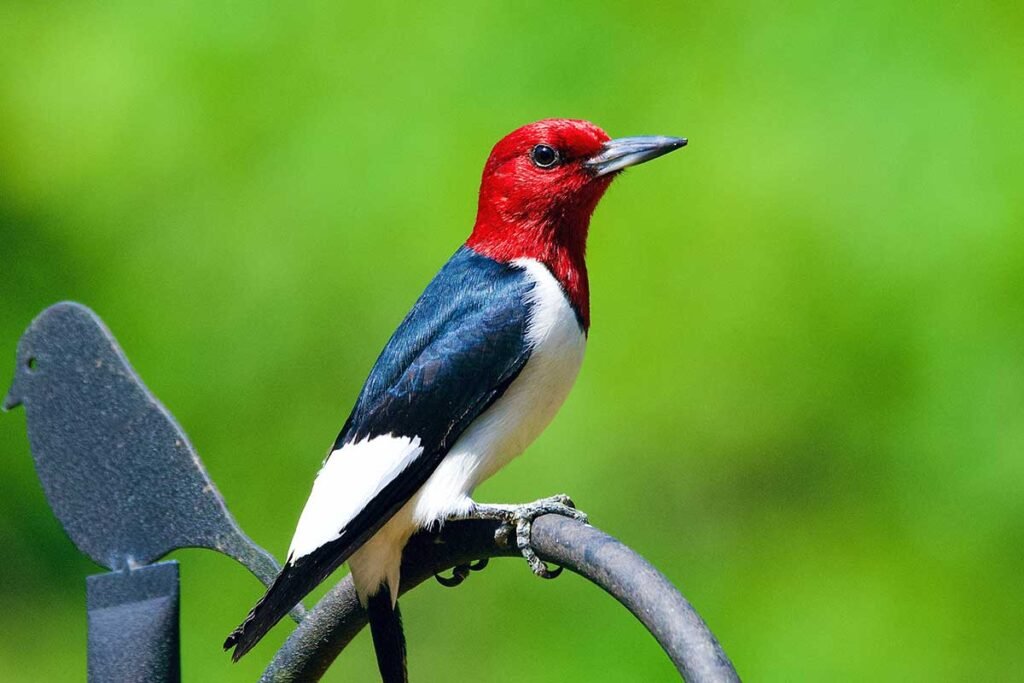
If you’re in North America, a bright red head often leads people straight to the Red-headed Woodpecker. That bird has a fully red head, a black back, bold white wing patches, and a pale belly. It looks clean and sharply marked, almost like a painted sign.
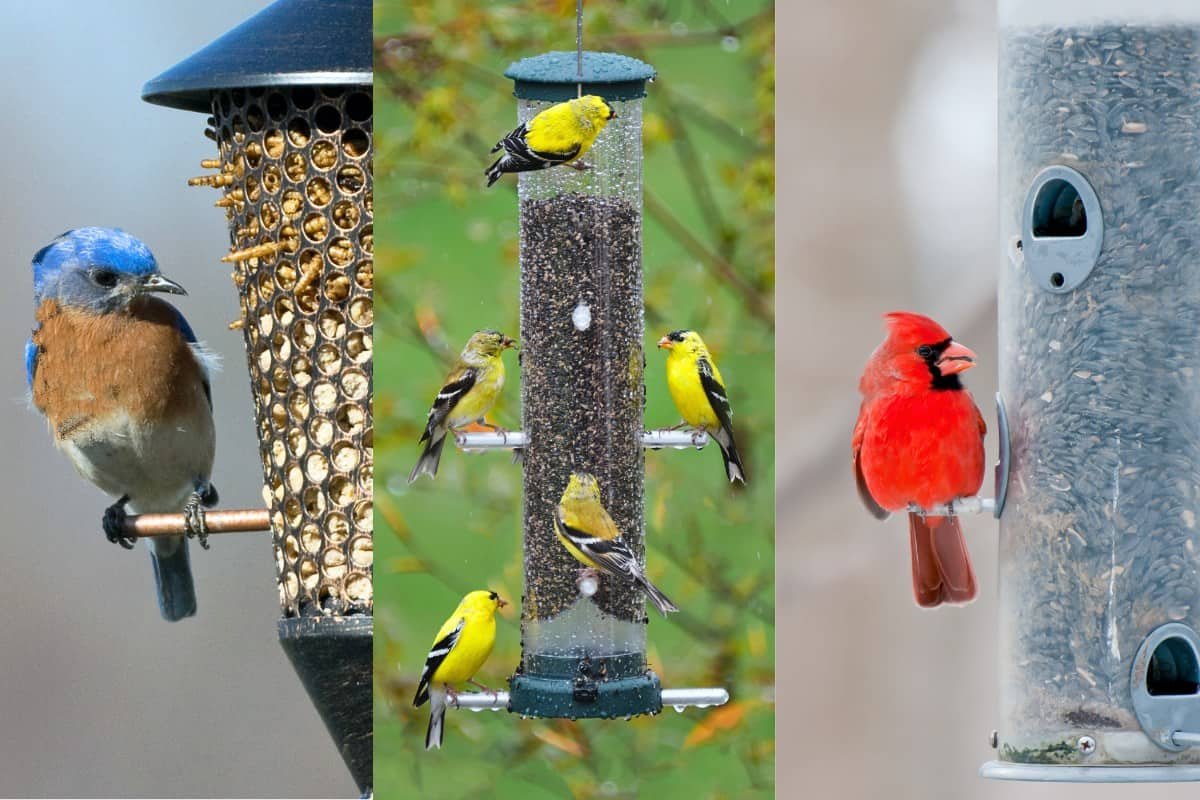
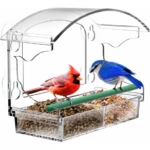
But plenty of birds show red only on part of the head. A male House Finch has red on the forehead, face, and chest, with brown streaking on the body. A Northern Cardinal is red all over, with a pointed crest and thick orange-red bill.
Here are the usual suspects:
| Bird | What the red looks like | Best clue |
|---|---|---|
| Red-headed Woodpecker | Entire head is red | Black-and-white body |
| Northern Cardinal | Red body and crest | Thick cone-shaped bill |
| House Finch | Red face and chest | Brown streaked body |
| Red-bellied Woodpecker | Red crown and nape | Barred black-and-white back |
| Pileated Woodpecker | Tall red crest | Crow-sized woodpecker |
| Anna’s Hummingbird | Iridescent red-pink throat | Tiny hovering bird |
If the bird came to a feeder, look at seed choice and posture. Finch-like birds sit upright and crack seeds. Woodpeckers cling to trunks, suet cages, and branches.
If you want more red-headed visitors, habitat helps. Native plants, clean water, and safe feeding spots all make a yard more attractive. Small changes like shrubs and seed variety can support more backyard activity without turning your garden into a complicated project.
Why Photos and Visual Clues Matter for Red-Headed Bird ID
Red is eye-catching, but it’s not always the best identifying feature. Light, distance, glass, and camera settings can make orange, pink, or rust look bright red. A bird seen for two seconds can fool anyone.
Photos help because they freeze the field marks. A field mark is a visible feature used to identify a bird, such as bill shape, wing bars, head pattern, tail length, or body streaking. For red-headed birds, the exact placement of the red is usually the big clue.
When you look at a photo, ask:
- Is the whole head red, or only the crown?
- Does the bird have a crest?
- Is the body streaked, solid, barred, or patterned?
- Is the bill thin, long, chisel-like, or cone-shaped?
- Is the bird clinging to bark or perched on a branch?
- Is it at a feeder, in water, or high in a tree?
The Cornell Lab of Ornithology is one of the best official sources for bird identification because it combines range, photos, sound, and behavior. That mix matters. A single red patch can appear on several unrelated birds.
A blurry phone photo can still help if it shows shape. Even a silhouette can separate a hummingbird from a finch, or a woodpecker from a cardinal. Don’t delete “bad” photos too fast.
Start With the Red: Full Head, Cap, Face, Throat, or Crest?
The first step is to locate the red exactly. A full red head means one thing. A red cap or throat means another.

Image source: Bing (Web (fair-use with source credit))
Think of the bird’s head in zones. The crown is the top of the head. The nape is the back of the neck.
The throat sits under the bill. The face includes the area around the eye and cheek.
Use this quick visual filter:
| Red placement | Likely birds to consider | What to check next |
|---|---|---|
| Entire head | Red-headed Woodpecker | Black back and white wing patches |
| Crest | Northern Cardinal, Pileated Woodpecker | Body size and bill shape |
| Crown only | Red-bellied Woodpecker, Downy Woodpecker | Back pattern and size |
| Face and chest | House Finch, Purple Finch | Streaking and bill size |
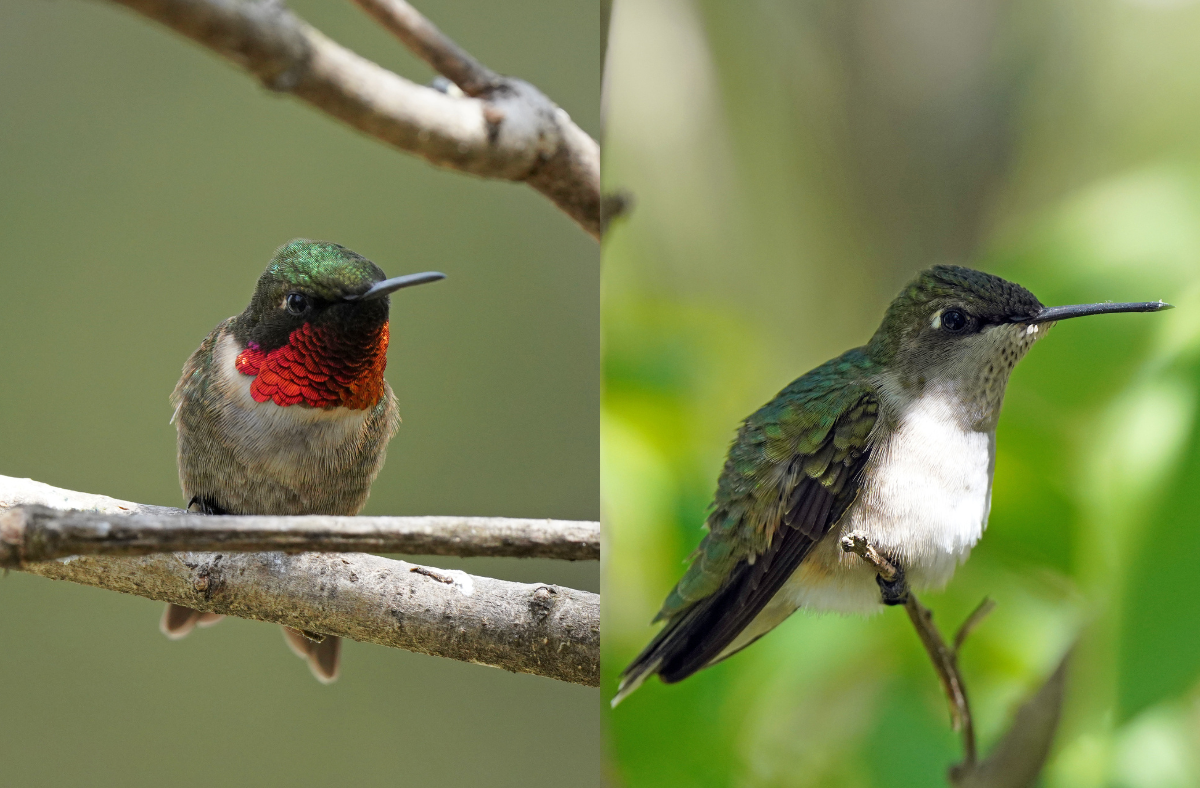
| Throat patch | Ruby-throated Hummingbird, Anna’s Hummingbird | Hovering and tiny size |
| Red face | Red-faced Warbler, some tanagers | Range and habitat |
This is where many mistakes happen. A Red-bellied Woodpecker does not have a fully red head. Its red usually runs along the crown and nape, while the face is pale.
A male Downy Woodpecker has only a small red patch on the back of the head. A male Pileated Woodpecker has a dramatic red crest and a large black body. Same color family, totally different bird.
Check the Body Shape, Beak, Size, and Behavior
Once you’ve placed the red, stop staring at the color. Shape tells the truth faster. Birders often call this “structure,” but it simply means the bird’s build.
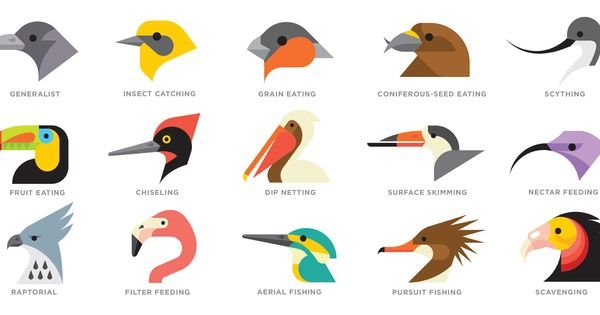
Image source: Bing (Web (fair-use with source credit))
A finch has a short, thick, cone-shaped bill for cracking seeds. A woodpecker has a straight, chisel-like bill and often braces with its tail against bark. A hummingbird has a long, needle-like bill and may hover in place.
Size also narrows the list quickly:
- Sparrow-sized: House Finch, Common Redpoll, small woodpeckers
- Robin-sized: Red-headed Woodpecker, tanagers
- Crow-sized: Pileated Woodpecker
- Tiny and hovering: hummingbirds
- Duck-shaped on water: Redhead duck or Red-crested Pochard
Behavior matters just as much as size. A bird hammering on a dead branch is probably a woodpecker. A bird sitting at a tube feeder and eating sunflower seed may be a finch.
A bird flashing red in midair over a flower is likely a hummingbird.
Watch for movement style too. Woodpeckers often climb vertically. Finches perch and hop.
Cardinals sit upright and flick their tails. Flycatchers sally out from a perch to catch insects, then return to nearly the same spot.
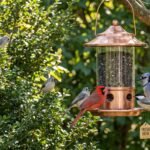
If you feed birds at home, feeder setup affects what you see. Seed feeders pull in finches and cardinals. Suet often attracts woodpeckers.
Better cover and clean feeding stations can support steadier bird visits through the year.
Match the Bird to Your Location, Habitat, and Season
A red-headed bird ID becomes much easier when you add location. The same red patch can belong to different birds in different regions. Range is not a tiny detail.
It’s often the deciding clue.
For example, Northern Cardinals are common across much of the eastern and central United States. Pyrrhuloxias are more likely in the Southwest. Anna’s Hummingbirds are strongly associated with the West Coast, while Ruby-throated Hummingbirds dominate much of the eastern hummingbird range.
Habitat helps too:
| Habitat | Red-headed birds you might notice |
|---|---|
| Backyard feeders | House Finch, Northern Cardinal, Red-bellied Woodpecker |
| Mature woodland | Pileated Woodpecker, Red-headed Woodpecker |
| Open fields and edges | Summer Tanager, Scarlet Tanager during migration |
| Desert scrub | Pyrrhuloxia, Vermilion Flycatcher |
| Wetlands or lakes | Redhead duck |
| Western gardens | Anna’s Hummingbird, Cassin’s Finch |
Season can change the answer. Some birds migrate. Others look different during breeding season.
Young birds may lack the bright red adults show in field guides.
The U.S. Geological Survey helps track bird populations through long-running surveys, including broad monitoring used by researchers and wildlife agencies. That kind of data supports what birders see locally: timing and range shift the odds.
If you’re unsure, start with common local species first. A rare bird is exciting, but common birds explain most sightings. Location, habitat, and season keep the ID grounded.
Common Red-Headed Birds and How to Tell Them Apart
The easiest way to separate lookalikes is to compare the red with the whole bird. A Red-headed Woodpecker looks bold and blocked out. A Red-bellied Woodpecker looks more striped, with red mostly on the crown and nape.

Image source: Bing (Web (fair-use with source credit))
| If you saw this | Start with this ID | Check this before deciding |
|---|---|---|
| Full red head, black back, white wing patches | Red-headed Woodpecker | Often perches upright and catches insects |
| Red crest, all-red body, thick bill | Northern Cardinal | Female is tan with red highlights |
| Red face and chest, brown streaks | House Finch | Common at seed feeders |
| Raspberry-red wash, less streaky look | Purple Finch | Chunkier bill and stronger face pattern |
| Huge black woodpecker with red crest | Pileated Woodpecker | About crow-sized |
| Tiny hovering bird with red throat | Ruby-throated Hummingbird | Red shows best in good light |
| Bright red male with plain body | Summer Tanager | No crest, smooth songbird shape |
House Finch and Purple Finch cause a lot of confusion. House Finch usually looks streakier and more brown. Purple Finch often looks as if it has been dipped in raspberry coloring.
Cardinals are easier once you notice the crest. They also have a heavy seed-cracking bill. If cardinals and finches are regular visitors, thoughtful planting and shelter can help create a busier feeding area over time.
Common Mistakes When Identifying Birds With Red Heads
The biggest mistake is naming the bird from color alone. Red is useful, but it’s only one clue. Shape, behavior, range, and season carry just as much weight.
Another common mistake is trusting one quick glimpse. A backlit House Finch can look like a plain dark bird with a glowing red face. A wet or molting bird can look patchy, uneven, or strangely colored.
Watch out for these traps:
- Calling every red-headed bird a Red-headed Woodpecker
- Mixing up red crown, red throat, and red chest
- Ignoring whether the bird has a crest
- Forgetting that females may look duller
- Comparing a juvenile bird to an adult field-guide image
- Assuming a rare bird before checking common local species
- Overlooking escaped cage birds in towns and cities
Camera color can mislead you too. Phones often boost red and orange tones. Window glass can add glare or a warm cast.
If a bird is near a nest, keep your distance. Don’t use loud call playback to pull it closer, especially during breeding season. Better viewing spots, shrubs, and natural cover give birds safer places to move, and they can also make your yard more inviting without stressing wildlife.
For tricky sightings, write down three things: size, red placement, and behavior. Those notes often solve the ID later.
FAQs About Birds With Red Heads
What is the most common backyard bird with a red head?
In many North American yards, the bird is often a House Finch, Northern Cardinal, or Red-bellied Woodpecker. House Finches show red on the face and chest, not the whole head. Cardinals have a crest and thick bill.
Red-bellied Woodpeckers often visit suet and tree trunks.
Is a bird with a red head always a woodpecker?
No, a red-headed bird is not always a woodpecker. Finches, cardinals, tanagers, hummingbirds, ducks, and flycatchers can all show red on the head or face. Look at the bill first.
A chisel-like bill suggests woodpecker, while a cone-shaped bill suggests finch or cardinal.
What bird has a red head and a black-and-white body?
A bird with a full red head and bold black-and-white body may be a Red-headed Woodpecker. If the red is only on the crown or back of the neck, check Red-bellied Woodpecker instead. The full-head pattern is the key difference.
What small brown bird has red on its head?
A small brown bird with red on the head is often a male House Finch. It may also show red on the chest. Look for brown streaking on the belly and back.
At feeders, they often gather in groups and crack sunflower seeds.
How can I attract more red-headed birds to my yard?
Match the food and habitat to the birds in your area. Sunflower seed helps bring finches and cardinals. Suet can attract woodpeckers.
Native shrubs, clean water, and safe cover also matter. A few bird-friendly yard changes can make sightings more regular.
What should I do if I find an injured red-headed bird?
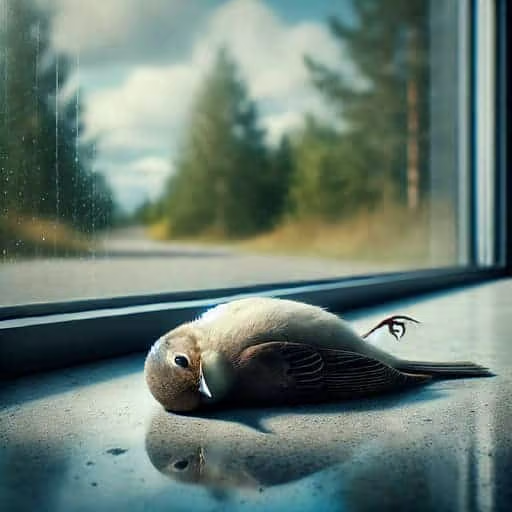
Keep your distance and avoid handling it unless the bird is in immediate danger. Place pets indoors and contact a licensed wildlife rehabilitator or local wildlife agency. Native birds are protected in many places.
A safer yard setup and clean feeders can reduce future risks around regular bird visitors.

Similar Posts