Red Head Sparrow: Identification, Habitat, and Facts

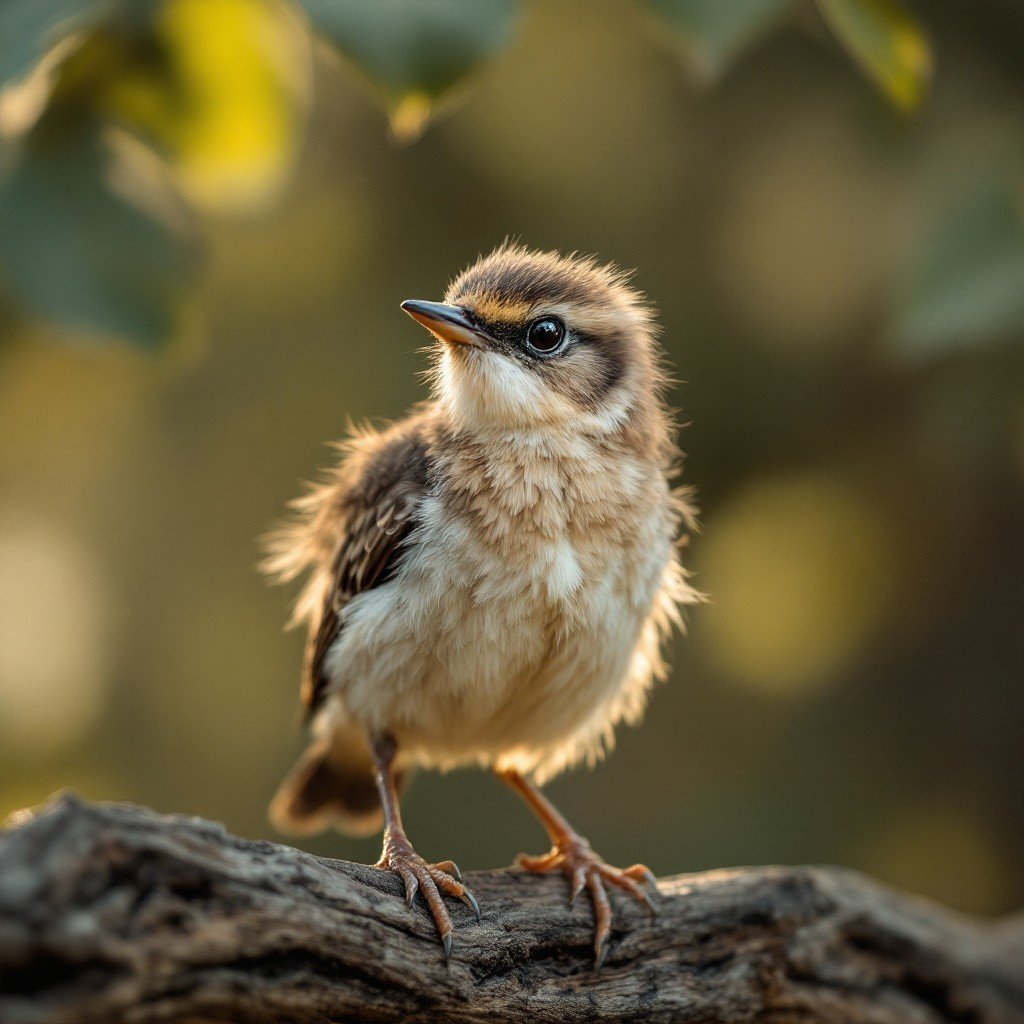
If you searched for a red head sparrow, you’re probably trying to name a small backyard bird with reddish feathers on its head, face, or chest. The tricky part is that “red head sparrow” usually isn’t a formal bird name. In many yards, the bird turns out to be a House Finch, Chipping Sparrow, American Tree Sparrow, or another sparrow-like species.
A House Finch is about 5 to 6 inches long, which puts it in the same size range as several common sparrows. As of 2026, the cleanest way to identify one is still the classic birding method: match several field marks, not just one color. Start with the quick answer, then use the visual clues to narrow it down.
Quick Answer
A red head sparrow is usually not one exact species. Most sightings are House Finches or Chipping Sparrows. Check the bill, breast streaking, and head pattern.
Location and season narrow the choices quickly.
Why Photos and Field Marks Matter More Than the Name
“Red head sparrow” sounds specific, but it’s really a description. Birders call the useful clues field marks. A field mark is any visible feature that helps identify a bird, such as bill shape, wing bars, tail length, breast streaking, or head pattern.
Color alone can fool you. Warm evening light can make a rusty brown cap look bright red. A phone camera can also boost reds and oranges, especially in shade or backlight.
That’s why good bird identification works like a checklist:
- Head pattern: red face, rusty cap, red forehead, or red crown
- Bill shape: thick finch bill or slimmer sparrow bill
- Breast: streaked, plain, spotted, or washed with color
- Wings: plain brown, white wing bars, or bold markings
- Tail: notched, rounded, long, or short
- Behavior: feeder perching, ground feeding, flocking, or singing from shrubs
A clear side photo usually helps more than a close crop of the head. If you can get front, side, and back views, even better. Those angles show the bill, breast, wing pattern, and tail shape.
For North American bird ID, the Cornell Lab of Ornithology is one of the strongest official sources. Its species accounts, photos, sounds, and range maps help when two birds look almost the same.
If you want more chances to study birds up close, simple yard changes help. Native shrubs, fresh water, and clean feeding areas can create more visiting birds without making your yard hard to manage.
Step-by-Step Visual ID: How to Identify the Bird You Saw
Start with the whole bird, not the red part. That one habit prevents most wrong IDs. A bird’s head color matters, but the bill, breast, wings, and behavior often matter more.
Image source: Bing (Web (fair-use with source credit))
Use this quick visual workflow:
| What to check | What it may tell you |
|---|---|
| Thick, chunky bill | Likely finch |
| Slimmer pointed bill | More likely sparrow |
| Red face and chest wash | Often male House Finch |
| Rusty cap only | Often Chipping Sparrow or American Tree Sparrow |
| Central dark breast spot | Strong clue for American Tree Sparrow |
| Heavy brown streaking below | Common in House Finch and Song Sparrow |
What does the head color look like?
A House Finch often shows red on the forehead, throat, eyebrow area, and upper chest. The red can look patchy, orange, or pinkish. It rarely looks like a neat red cap only.
A Chipping Sparrow usually has a clean rusty cap, not a red face. In bright sun, that cap can look surprisingly red. Look for the dark eye line and pale eyebrow.
An American Tree Sparrow also has a rusty cap. It often shows a small dark spot in the middle of the breast. Its bill is usually two-toned, with a darker upper half and a paler lower half.
What does the bill look like?
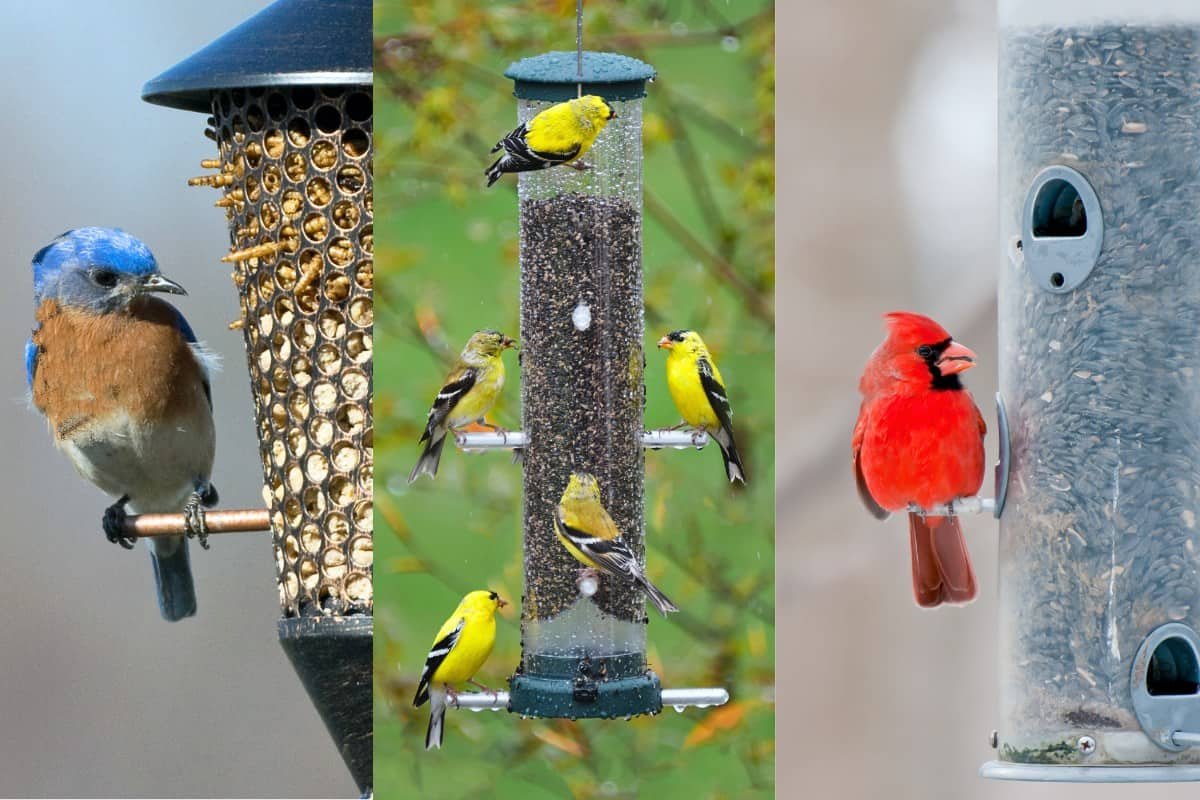
If the bill looks thick and strong, think finch. House Finch, Purple Finch, and Cassin’s Finch all have seed-cracking bills. They use them well at sunflower feeders.
If the bill looks smaller and more pointed, think sparrow. Chipping Sparrow and American Tree Sparrow fit that shape. Their head patterns are usually cleaner and more striped than a finch’s.
Where did you see it?
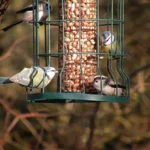
At a tube feeder with sunflower seed, House Finch jumps high on the list. On a lawn, path, or bare ground under shrubs, Chipping Sparrow or American Tree Sparrow may fit better.
Habitat can also rule birds out. Swamp Sparrow favors wet thickets and marshy edges. Cassin’s Finch is much more likely in western mountain habitat than in a low suburban garden.
A yard with layered cover gives you better views because birds linger longer. Brushy edges, seed-bearing plants, and water can turn quick fly-bys into steady backyard visitors.
Most Likely Birds People Call a Red Head Sparrow
Most sightings come down to a few common birds. The right answer depends on your region, the season, and the exact pattern of red or rusty color.

Image source: Bing (Web (fair-use with source credit))
| Bird | Best visual clue | Common setting |
|---|---|---|
| House Finch | Red face and streaky brown body | Feeders, suburbs, towns |
| Chipping Sparrow | Clean rusty cap and black eye line | Lawns, parks, open woods |
| American Tree Sparrow | Rusty cap and central breast spot | Winter fields, feeders |
| Purple Finch | Raspberry wash over head and body | Woods, feeders, northern areas |
| Cassin’s Finch | Bright red crown, pale streaked body | Western mountains |
| Red Avadavat | Tiny bird with intense red male plumage | Escapes, introduced pockets |
The House Finch is the classic match in much of North America. Males have red, orange-red, or sometimes yellowish tones on the head and chest. Females are brown and streaked, so they often get missed.
The Chipping Sparrow is another common answer. In breeding plumage, its rusty cap can look red from across a yard. It also has a crisp black eye line and a mostly plain grayish breast.
American Tree Sparrows show up in winter across much of the northern United States and Canada. They look warm-toned and gentle, with a rusty cap and neat breast spot. That breast spot is easy to miss at first glance.
Purple Finch and Cassin’s Finch are true finches, not sparrows. Still, people often describe them as red-headed sparrows because they’re small, brownish, and seed-loving. Purple Finch often looks raspberry-washed rather than sharply red-headed.
In South Asia, Europe, or escaped-cage-bird situations, the answer can change. Red Avadavat and Red-headed Bunting may enter the picture. Location matters a lot here.
Common Lookalikes and Easy Mistakes
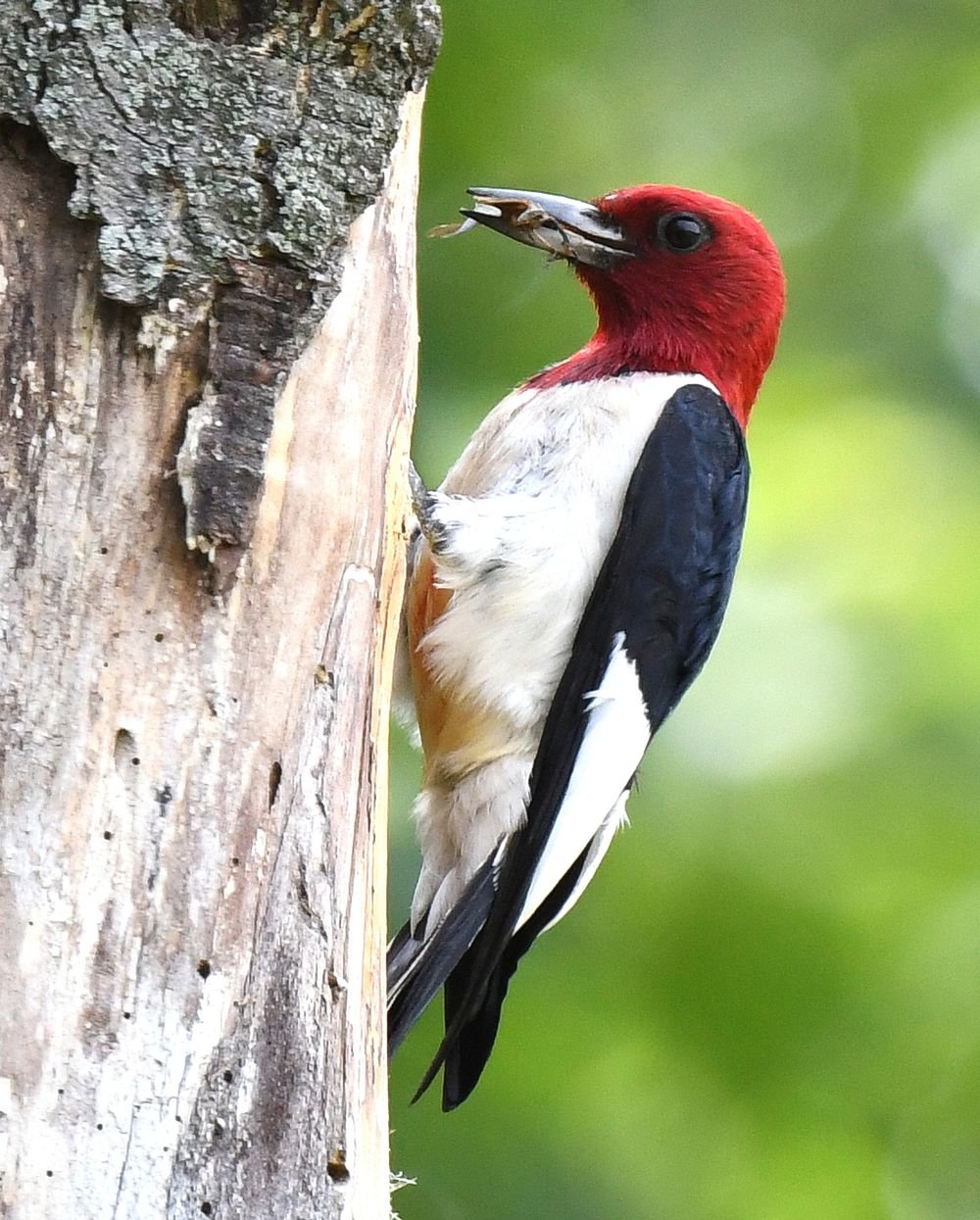
The easiest mistake is naming the bird from red color alone. Red or rusty feathers are useful, but they’re not enough. Use the full pattern before you settle on an ID.
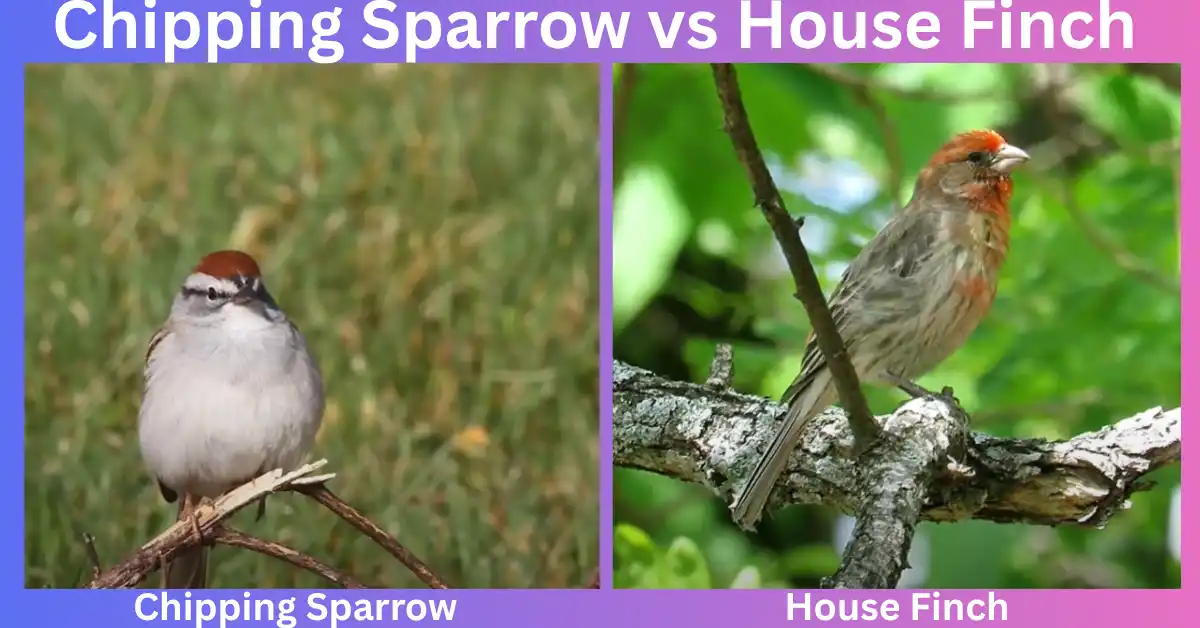
Image source: Bing (Web (fair-use with source credit))
Is it a House Finch or a Chipping Sparrow?
A House Finch has a thicker bill and streaked underparts. The male usually has red on the face, throat, and upper chest. The color often looks blended into the brown streaking.
A Chipping Sparrow has a cleaner head pattern. Look for a rusty cap, pale eyebrow, dark eye line, and mostly plain breast. It often looks tidier than a House Finch.
Is it a Chipping Sparrow or an American Tree Sparrow?
A Chipping Sparrow is more common in warm months across many areas. Its face pattern is crisp, and the breast usually looks plain. The bill tends to look small and dark.
An American Tree Sparrow is more of a winter bird in many regions. The central breast spot is the clue most people miss. The two-toned bill also helps.
Is it a finch or a sparrow?
Finches usually look chunkier around the bill. They perch comfortably on feeders and crack sunflower seeds with ease. Their colors can look soft and washed through the face and chest.
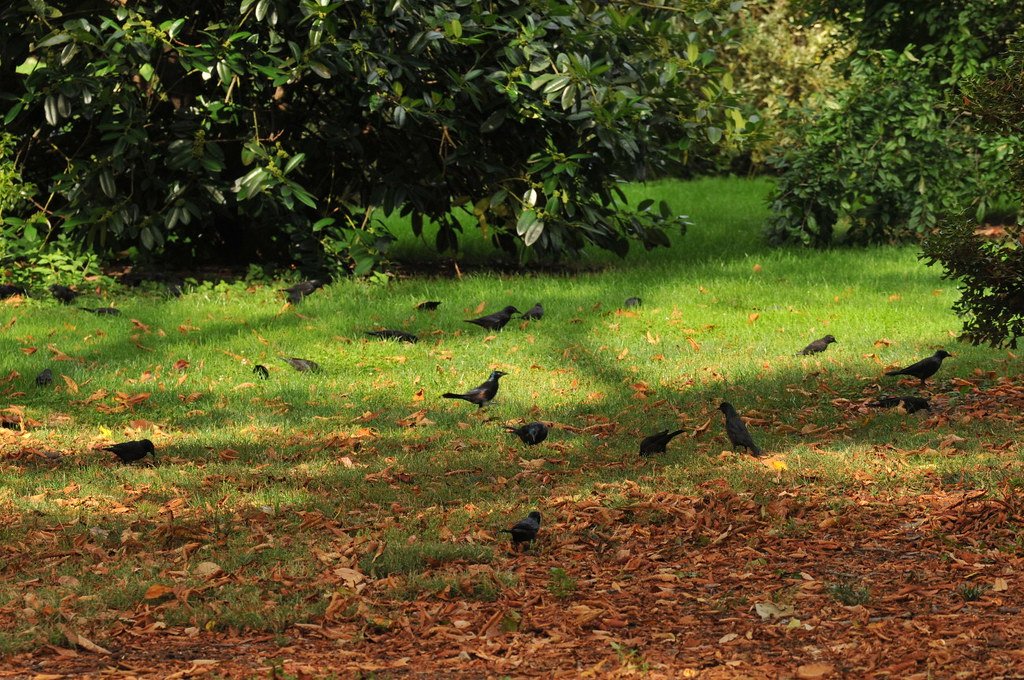
Sparrows often feed on the ground and move through grass, brush, or low shrubs. Their head patterns are often sharper, with caps, stripes, and eye lines. If the bird keeps dropping to the ground, give sparrows a closer look.
Could it be a young Northern Cardinal?
Yes, especially if the bird looked larger than a sparrow. Juvenile Northern Cardinals can look brownish with reddish tones. They also have a thick bill and may show a slight crest.
A cardinal is noticeably bigger than most sparrows and finches. Northern Cardinals are usually about 8 to 9 inches long. That size difference is a strong clue when you can compare it with nearby birds.
What to Do If You Still Can’t Identify It
If you’re stuck, treat the sighting like a small evidence file. One photo rarely tells the whole story. You want date, place, habitat, size, behavior, and at least two visible field marks.
A note like “small bird at feeder” won’t help much later. A stronger note says, “5-inch sparrow-sized bird, rusty cap, plain gray breast, black eye line, feeding on lawn in May.” That points much more clearly toward Chipping Sparrow.
Use this quick troubleshooting checklist:
- Check your location against a current range map.
- Match the season, especially winter versus breeding season.
- Compare bill shape before body color.
- Look for breast streaking or a central breast spot.
- Note whether it fed on the ground or clung to a feeder.
- Save multiple photos, even imperfect ones.
- Listen for song or call notes if the bird stays nearby.
Bird ID apps can help, but don’t let them make the final call alone. Merlin Bird ID and eBird work best when your location and date are accurate. If an app suggests a rare bird, compare it with common local species first.
Local birding groups can also be useful when the photo is tricky. Ask with the full context, not just the picture. Habitat and behavior often solve what a blurry photo misses.
If you want better views, think about where birds feel safe. Shrubs near feeding areas give small birds cover. A thoughtful layout can create closer bird activity while keeping the space natural.
Safety, Feeding, and Legal Notes for Backyard Birders
Watching and photographing wild birds is fine. Catching, handling, or disturbing them is not. Native birds, nests, eggs, and chicks are protected in many countries, including under federal rules in the United States.
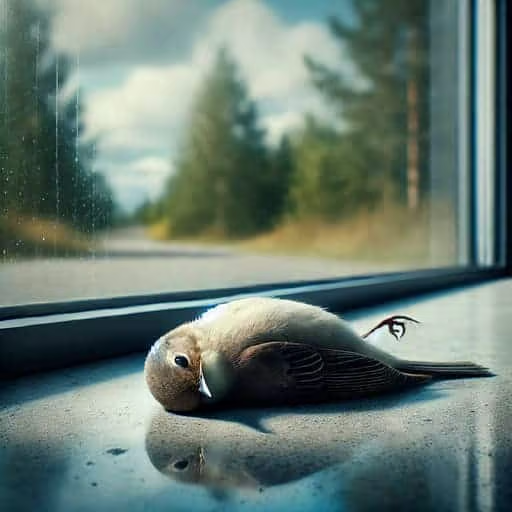
The safest approach is simple: observe from a distance. If a bird hits a window, looks sick, or sits fluffed up for hours, contact a licensed wildlife rehabilitator or local wildlife agency. Don’t keep a wild bird unless a qualified person tells you what to do.
For legal context in the United States, the U.S. Fish and Wildlife Service oversees federal migratory bird protections. That means you can enjoy and document most wild birds, but you should not capture them or disturb active nests.
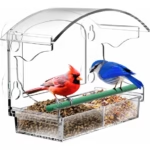
Feeders need basic hygiene. Dirty feeders can spread disease among finches and sparrows, especially when birds crowd together. Clean seed feeders regularly, remove wet seed, and spread feeding spots apart if you see sick birds.
Good feeder habits include:
- Use fresh seed, not damp or moldy seed.
- Clean feeders with hot water and a safe disinfecting routine.
- Rake old seed hulls below feeding stations.
- Move feeders if waste builds up.
- Keep cats indoors or supervised outside.
- Add window decals or screens near busy feeding areas.
If you’re trying to attract finches and sparrows, black oil sunflower seed is a strong all-around choice. Millet suits many ground-feeding sparrows. Nyjer seed is more specialized and often brings in goldfinches and siskins.
Habitat helps more than constant seed. Brush piles, seed-bearing plants, and layered shrubs give small birds cover from hawks, cats, and bad weather. A yard planned for safe bird visits is easier to maintain, too.
Frequently Asked Questions
Is there an actual bird called a red head sparrow?
No, “red head sparrow” is usually a casual description, not a standard species name. People use it for several small birds with red, rusty, or pinkish head markings. The most common matches are House Finch, Chipping Sparrow, and American Tree Sparrow.
What small brown bird has a red head?
A male House Finch is one of the most likely answers in North America. It has a brown streaked body with red on the head, throat, and chest. If the bird has only a rusty cap and a clean gray breast, Chipping Sparrow may fit better.
How can I tell a House Finch from a sparrow?
Look at the bill and breast. A House Finch has a thicker seed-cracking bill and streaked underparts. Many sparrows have sharper head stripes, slimmer bills, and more ground-feeding behavior.
House Finches also perch readily on tube feeders.
Why does the red color look different in photos?
Light, angle, camera processing, and feather wear can all change red tones. A rusty brown cap may look bright red in evening light. Some male House Finches also vary naturally from yellowish orange to deep red because diet affects feather pigment.
Are red-headed sparrow-like birds rare?
Most are not rare if they match common local species. House Finches and Chipping Sparrows are widespread in many areas. A truly unusual bird is possible, especially an escapee or migrant, but range, season, and repeated sightings should support that call.

Similar Posts