Bird Feeder Cylinder Guide: Benefits, Types & Tips

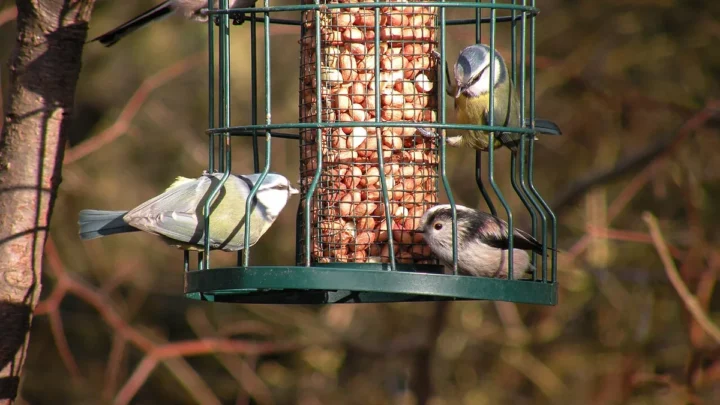
A bird feeder cylinder is a neat answer if you want to feed backyard birds without loose seed blowing everywhere. It’s a holder for a compressed seed cylinder, seed log, or suet-style cylinder. You hang it, birds cling or perch, and the food lasts longer than it would in an open tray.
Manufacturer specifications often list common seed cylinders around 1 to 4 pounds, with many holders made for roughly 3 to 5-inch diameters. That sizing matters more than people expect, because not every refill fits every feeder. Start with the quick answer, then compare the main options.
Quick Answer
A bird feeder cylinder holds compressed seed or suet. Birds feed from the outside surface. It usually hangs from a hook, chain, or pole.
The best type depends on birds, squirrels, weather, and cleanup.
Image source: Bing (Web (fair-use with source credit))
How Bird Feeder Cylinders Work: Holder, Seed Cylinder, Cage, and Perches
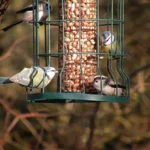
A bird feeder cylinder has two main parts: the holder and the food cylinder. The holder is usually metal wire, mesh, or a cage frame. The food is a compressed mix of seed, nuts, fruit, mealworms, or suet.
The idea is simple. Birds land on the feeder, cling to the wire, or use a perch ring. Then they peck seed from the exposed cylinder surface.
That makes it different from a tube feeder. A tube feeder stores loose seed inside feeding ports. A cylinder feeder exposes a solid block of food, so birds work at it more slowly.
Common parts include:
- Hanging loop or chain
- Central metal rod
- Wire cage or mesh frame
- Perch ring or small perches
- Bottom tray or seed catcher
- Optional roof or weather guard
The feeding style suits clinging birds especially well. Chickadees, nuthatches, titmice, woodpeckers, and some finches often use these feeders comfortably. If you’re still learning who visits your yard, a guide to familiar feeder visitors can help you match feeder style to bird behavior.
As of 2026, most cylinder feeders fall into two broad groups. Open designs give easy access to many birds. Caged designs limit access by body size, which helps when squirrels or larger birds are a problem.
The food blend also changes the result. A shell-free seed cylinder creates less ground mess. A hot pepper seed cylinder may discourage mammals, since birds respond differently to capsaicin than squirrels and raccoons.
For bird health, cleanliness still matters. The Cornell Lab of Ornithology gives practical bird-feeding guidance and stresses clean feeders, fresh food, and safe placement.
Bird Feeder Cylinder Types Compared: Open, Caged, Suet, Hot Pepper, and No-Mess Options
Not all cylinder feeders solve the same problem. Some are built for easy bird access. Others are built to slow squirrels, reduce waste, or support high-energy feeding in cold weather.

Image source: Bing (Web (fair-use with source credit))
Here’s the practical breakdown.
| Type | Best for | Watch out for |
|---|---|---|
| Open cylinder feeder | Easy access and quick bird discovery | Squirrels and large birds may dominate |
| Caged cylinder feeder | Small birds and squirrel resistance | Cardinals may struggle if openings are tight |
| Suet cylinder feeder | Woodpeckers, nuthatches, cold weather feeding | Can soften in heat |
| Hot pepper cylinder | Squirrel-heavy yards | Handle carefully and wash hands |
| No-mess cylinder | Decks, patios, and tidy feeding areas | Often costs more per pound |
An open cylinder feeder is the easiest starting point. Birds see the food clearly, land easily, and learn it fast. It’s a good fit if squirrels aren’t a major issue.
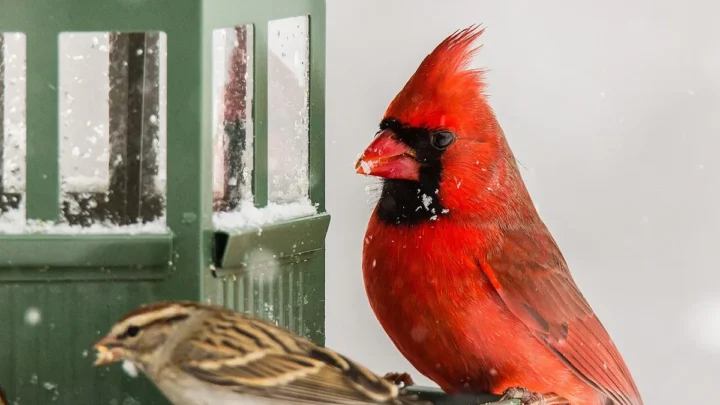
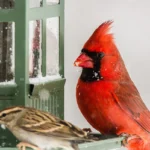
A caged cylinder feeder is better if bigger birds or squirrels are emptying food too quickly. The cage spacing matters. Small openings favor chickadees, finches, and nuthatches, but they may exclude cardinals.
Suet-style cylinders are calorie dense. They’re useful in winter or for woodpeckers. In hot weather, fat-based blends can get greasy or spoil faster.
No-mess seed cylinders use hulled seed or shell-free blends. They’re handy near patios, balconies, and walkways. If you’re also improving habitat, pairing feeders with bird-friendly yard habits usually brings better results than food alone.
What to Look For Before You Buy: Size, Materials, Bird Access, Weather Protection, and Refill Fit
The best cylinder feeder is the one that fits your birds, your refills, and your weather. A pretty feeder that’s hard to clean or impossible to refill gets old fast.

Image source: Bing (Web (fair-use with source credit))
Start with size. Check the feeder’s inside diameter and usable height. Many seed cylinders are roughly 3 to 5 inches wide, but brand-specific refills can vary.
Then look at the build.
- Powder-coated steel handles outdoor use better than thin plastic.
- Stainless steel or galvanized wire resists rust.
- A removable base makes cleaning much easier.
- Drainage holes help wet seed dry faster.
- A roof or rain guard helps in humid or rainy climates.
Bird access is just as important. A clinging-only design suits nuthatches and woodpeckers. A perch ring helps finches and cardinals, if the cage spacing allows them in.
If squirrels are common, don’t rely on the word “squirrel-proof” alone. Look for metal construction, tight cage spacing, and a smart hanging location. A feeder near a fence, roofline, or tree trunk gives squirrels an easy launch point.
Refill fit is the detail people miss most. Before buying, check:
- Cylinder diameter
- Cylinder height
- Central hole size
- Holder rod thickness
- Whether the feeder needs brand-specific refills
Weather protection matters more in wet climates. Moldy seed is bad feeding practice, and birds may avoid spoiled food anyway. The USGS National Wildlife Health Center tracks wildlife disease concerns, and feeder hygiene is a common prevention theme across bird health guidance.
Best Bird Feeder Cylinder for Your Yard: By Birds, Space, Squirrels, Weather, and Cleanup Needs
The right choice depends on what you’re trying to solve. Think of it less like buying “the best feeder” and more like matching a feeder to your yard.
If you want small songbirds, choose a caged cylinder feeder with small access openings. Chickadees, finches, titmice, and nuthatches can usually work these feeders well. Larger birds have a harder time squeezing in.
If you want woodpeckers, choose a suet cylinder or nut-heavy seed cylinder. Woodpeckers cling naturally, so they don’t need big perches. A longer cylinder gives them more feeding surface.
If you feed on a deck or balcony, choose a shell-free or no-mess cylinder. It reduces hulls, sprouts, and sweep-up. You should still check local rules, especially in apartments or HOA communities.
If squirrels are your main headache, use a caged metal feeder and a pole baffle. Placement matters as much as the feeder. Keep it away from branches, railings, and roof edges when possible.
Here’s a simple match-up.
| Your situation | Better choice | Why it works |
|---|---|---|
| Small birds only | Caged cylinder feeder | Limits larger bird access |
| Woodpeckers | Suet or nut cylinder | Supports clinging feeders |
| Patio feeding | No-mess seed cylinder | Less shell waste below |
| Wet climate | Covered metal holder | Better airflow and protection |
| Squirrel pressure | Caged feeder plus baffle | Adds physical barriers |
If birds ignore the feeder, don’t panic. Move it near shrubs or trees, but not inside predator cover. Birds often prefer feeding spots that feel safe, especially when they’re learning a new feeder.
You’ll usually get better activity when food, water, shelter, and native planting work together. For many yards, making the space inviting matters more than swapping feeders every few weeks. If you’re unsure which species you’re seeing, identifying common locals helps you choose the right cylinder style the first time.
Common Problems With Seed Cylinder Feeders and How to Avoid Them
The most common problem is a refill that doesn’t fit. Check diameter, height, and the center hole before you buy extra cylinders. A refill that’s too wide won’t slide in, and one that’s too short may wobble.
Birds ignoring the feeder usually means placement or food choice is off. Move it closer to shrubs or trees, but keep enough open space to reduce cat ambushes. If local birds prefer sunflower hearts, a fruit-heavy cylinder may sit untouched.
Wet seed is another big issue. If the cylinder feels slimy, smells sour, or shows mold, remove it. Don’t wait for birds to finish spoiled food.
Watch for these warning signs:
- Seed clumps turning dark or fuzzy
- Rusty wire near feeding surfaces
- Sticky residue that won’t brush off
- Droppings on the food cylinder
- Large birds guarding the feeder
- Squirrels chewing through plastic parts
If squirrels keep winning, change the setup before changing the feeder. Add a pole baffle, increase distance from launch points, and use metal hardware. A caged feeder helps, but poor placement can defeat it.
If the ground under the feeder gets messy, switch to a shell-free cylinder. You can also add a seed tray, though trays need cleaning. For better bird activity overall, yard layout choices often matter as much as the feeder itself.
Setup, Cleaning, and Maintenance Tips for a Healthier Feeder
Set the feeder where birds can spot it, approach it, and escape quickly. A good spot has nearby cover, but not dense hiding places for cats. Keep it away from busy walkways, outdoor cooking areas, and windows unless placed very close to the glass.
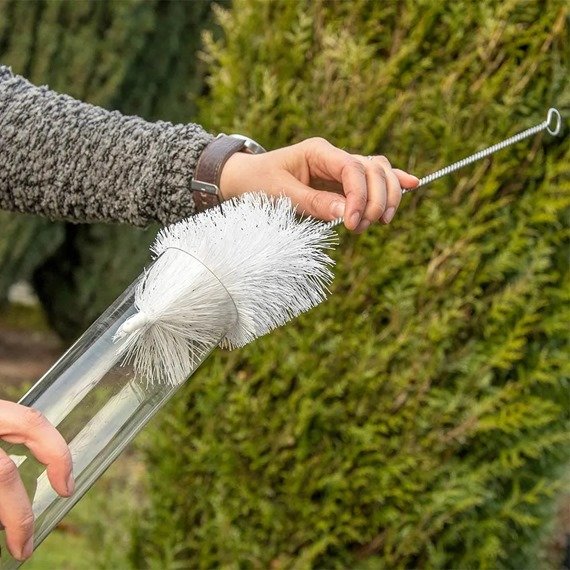
Image source: Bing (Web (fair-use with source credit))
Use this simple setup flow.
| Step | What to do |
|---|---|
| 1 | Check the hanger, chain, and feeder weight |
| 2 | Load the seed cylinder securely |
| 3 | Hang it away from squirrel launch points |
| 4 | Watch bird traffic for a few days |
| 5 | Move it if birds avoid it |
Clean the feeder every 1 to 2 weeks in normal weather. Clean it sooner during heat, rain, heavy bird traffic, or disease concerns. Let all parts dry fully before adding a new cylinder.
For routine cleaning, brush off crumbs and residue first. Wash with hot, soapy water, rinse well, then dry. For deeper disinfection, many wildlife health guides use a 1:9 bleach-to-water solution, followed by a thorough rinse.
Store spare seed cylinders in a sealed container. Keep them cool and dry. Heat, humidity, and insects can ruin good food fast.
Also check who’s showing up. If you’re seeing new species, recognising local birds helps you adjust seed blends and feeder access.
Frequently Asked Questions
Are seed cylinder feeders good for beginners?
Yes, they’re one of the easier feeder styles to start with. You don’t need to pour loose seed or manage several feeding ports. Choose a simple metal holder, a basic sunflower-based cylinder, and a visible hanging spot.
Then watch which birds use it before adding specialty blends.
Do bird feeder cylinders attract squirrels?
Yes, they can attract squirrels, especially nut-heavy and sunflower-rich cylinders. A caged feeder helps, but placement matters more. Hang the feeder away from fences, branches, deck rails, and roof edges.
A pole-mounted setup with a baffle usually works better than a branch-hung feeder.
How long does a seed cylinder last?
It depends on cylinder size, bird traffic, weather, and local squirrel pressure. A 1-pound cylinder may last only a few days in a busy yard. A 4-pound cylinder can last much longer.
Replace it sooner if it gets wet, moldy, greasy, or contaminated with droppings.
What birds eat from cylinder feeders?
Chickadees, nuthatches, finches, titmice, and woodpeckers are common users. Cardinals may use open or perched designs, but tight cages can exclude them. The seed blend matters too.
Sunflower hearts draw many songbirds, while suet and nut cylinders favor clinging birds.
Are hot pepper seed cylinders safe for birds?
Hot pepper cylinders are commonly sold for wild birds because birds don’t react to capsaicin like mammals do. They’re mainly used to discourage squirrels and raccoons. Handle them carefully.
Avoid touching your eyes, wash your hands after loading, and keep refills away from pets and children.

Similar Posts