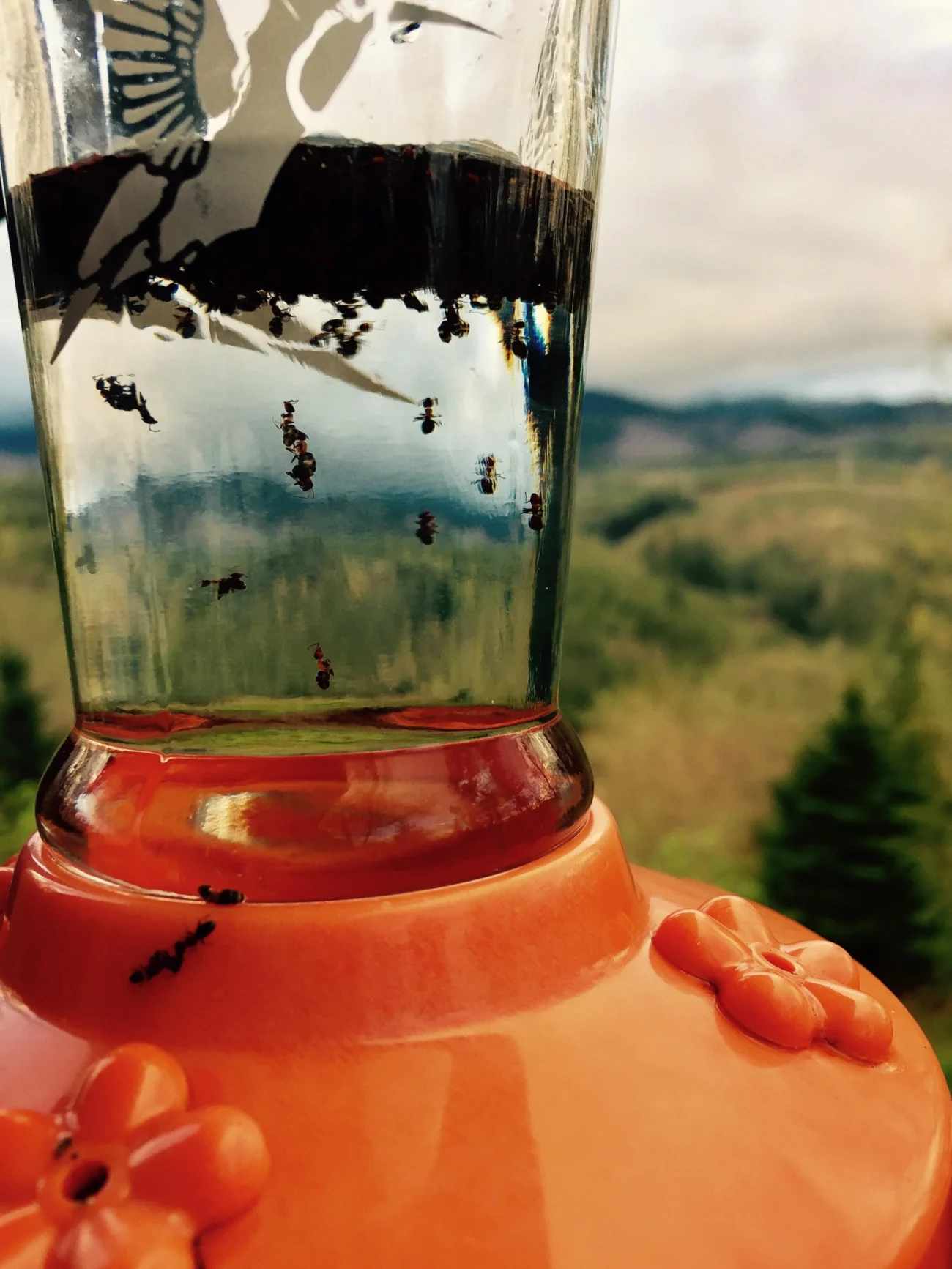
If you’re trying to figure out how to keep ants out of hummingbird feeder setups, the fix is usually simpler than it looks. Ants are after the sugar water, and once they find a route, they’ll keep using it. The trick is to block the route, clean away the trail, and remove anything sticky that’s inviting them back.
The standard hummingbird nectar mix is 1 part white granulated sugar to 4 parts water, a ratio also recommended by the Cornell Lab of Ornithology. That sweet mix is perfect for hummingbirds, but it’s also a beacon for ants when a feeder leaks or hangs too close to a branch, wall, or railing. Let’s start with the quick fix.

Image source: Bing (Web (fair-use with source credit))
Quick Answer
To solve how to keep ants out of hummingbird feeder setups, use water barriers. Add an ant moat above the feeder. Fix leaks and wipe off sticky nectar.
Move the feeder away from branches, walls, and railings. Avoid grease, oils, pesticides, and sticky coatings.
Why Ants Keep Getting Into Your Hummingbird Feeder
Ants get into hummingbird feeders because nectar is sugar water. A scout ant finds it first, then leaves a scent trail for the colony. After that, you’re not dealing with one random ant.
You’re dealing with a marked food route.
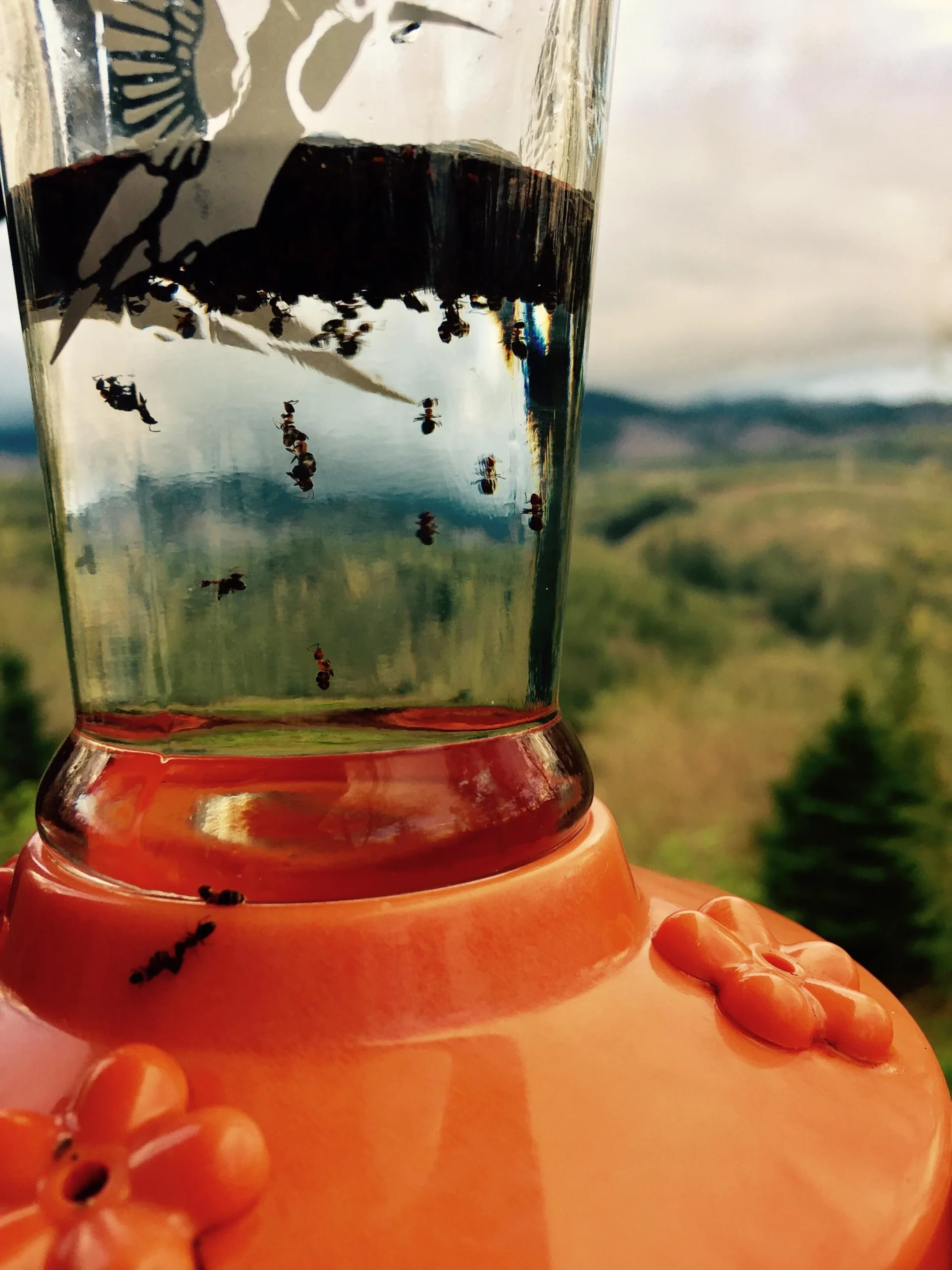
Image source: Bing (Web (fair-use with source credit))
Most ant problems start with one of four things:
- Nectar leaking from the feeder base
- Sugar residue on the outside of the reservoir
- A dry or missing ant moat
- Feeder placement too close to an ant pathway
A hummingbird feeder doesn’t need to drip much to attract ants. A tiny smear around the feeding ports or base seam can be enough. Direct sun can make this worse because warm nectar expands, especially in inverted bottle-style feeders.
Placement matters too. Ants don’t need to climb straight up the feeder pole if they can cross from a tree branch, deck railing, wall, plant hanger, or porch post. If the feeder touches anything, ants can use that contact point as a bridge.
As of 2026, the safest advice from birding and extension sources is still simple: keep nectar clean, use plain white sugar, and avoid chemical pest controls near feeders. The U.S. Fish & Wildlife Service supports wildlife-friendly practices that reduce harm to birds and pollinators.
That means your best ant control is physical blocking, not spraying.
Quick Fix: The Safest Way to Stop Ants Today
The fastest safe fix is to clean the feeder, add water to an ant moat, and move the feeder away from contact points. If you already have ants in the nectar, don’t just brush them off and rehang it. Empty the feeder first.
Here’s the quick rescue plan:
- Take the feeder down.
- Dump the old nectar.
- Wash the feeder with hot water.
- Scrub around ports, seams, and the base.
- Rinse well.
- Refill with fresh 4:1 nectar.
- Fill the ant moat with clean water.
- Rehang the feeder with open space around it.
An ant moat is a small cup of water that sits between the hanger and feeder. Ants can’t cross the water to reach the nectar. Many feeders have a built-in ant moat, but hanging add-on moats work well too.
If ants are on the hook or pole, wipe that hardware down with warm soapy water. You’re not just cleaning dirt. You’re removing the scent trail that tells other ants where to go.
Don’t use petroleum jelly, cooking oil, grease, or sticky barriers on the hanger. Those can get on hummingbird feathers. A bird’s feathers need to stay clean for flight, insulation, and water resistance.
Check These 5 Things Before Choosing a Fix
Before you change everything, diagnose the cause. The right fix depends on how ants are reaching the feeder.
Is the Feeder Leaking or Sticky?
Yes, if you see wet seams, sticky ports, or sugar crystals. Start by fixing the feeder before blaming the ants.
Check these spots closely:
- Base connection
- Nectar ports
- Cap threads
- Rubber gasket
- Reservoir cracks
- Overfilled nectar chamber
Bottle-style feeders are more likely to drip when heated by direct sun. Saucer-style feeders usually leak less because the nectar sits below the ports.
Can Ants Reach It From a Branch, Wall, Railing, or Hook?
Yes, if the feeder is within easy contact distance. Ants use branches, siding, porch posts, chains, and railings like highways.
Aim for 3 to 5 feet of clearance when your space allows. That’s not always possible on a balcony, but even small changes help. Move the feeder so it hangs freely and doesn’t swing into nearby surfaces.
Does Your Feeder Already Have an Ant Moat?
Yes, if there’s a small cup above the nectar reservoir. It only works when it has water in it.
Some built-in moats are shallow. In hot or windy weather, they can dry out in a day. Dry moat equals open bridge.
Is the Moat Drying Out or Getting Dirty?
Yes, if you see dust, leaves, dead insects, or low water. Clean and refill it often.
In warm climates, check the moat daily. In cooler weather, every few days may be enough.
Are Ants Following an Old Scent Trail?
Yes, if they return quickly after cleaning the feeder. Wash the hanger, pole, hook, and nearby railing.
Use warm water and a small amount of dish soap. Rinse anything the feeder touches.
Step-by-Step Workflow to Keep Ants Out of a Hummingbird Feeder
Use this workflow in order. If one step solves it, great. If ants come back, move to the next branch.
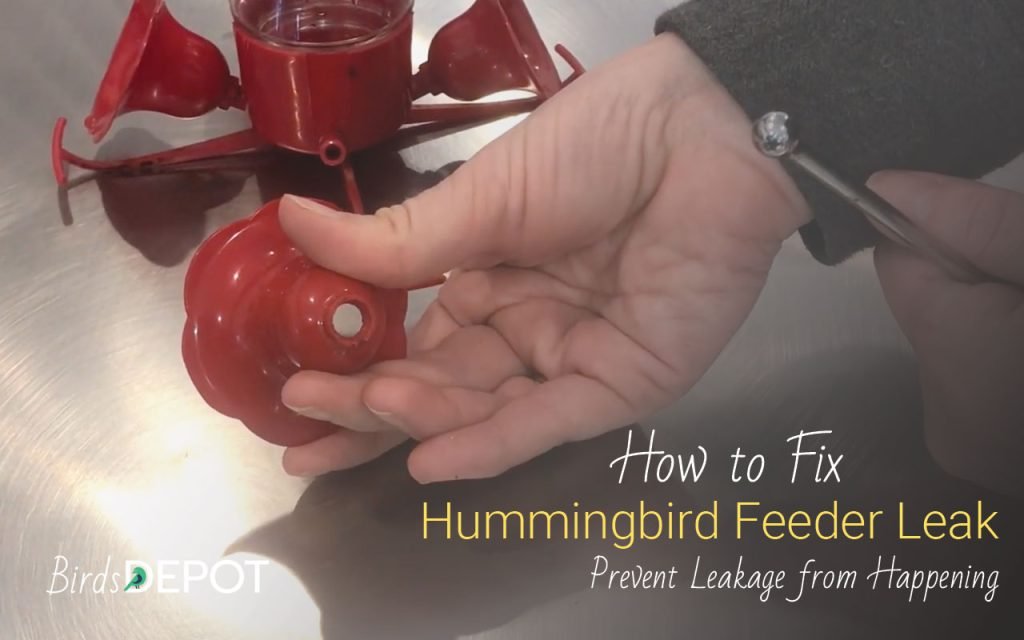
Image source: Bing (Web (fair-use with source credit))
| If you see this | Likely cause | Best next step |
|---|---|---|
| Ants inside nectar | No working moat | Add or refill ant moat |
| Sticky feeder base | Leak or spill | Clean and check seals |
| Ants on hanger | Scent trail | Wash hook and hanger |
| Ants crossing from wall | Poor placement | Move feeder outward |
| Moat empty daily | Heat or wind | Refill daily or use larger moat |
Clean the Feeder and Remove Sugar Residue
Start with a full clean. Hot water works for routine cleaning, and a bottle brush helps reach ports and seams. Skip harsh cleaners unless the manufacturer allows them.
If you use vinegar for mineral buildup, rinse thoroughly. Hummingbirds need clean nectar, not leftover cleaning residue.
Fix Leaks, Loose Parts, and Overfilled Nectar
Reassemble the feeder carefully. Cross-threaded bases and loose caps often cause slow leaks.
Don’t fill above the recommended line. Nectar expands in heat, and overfilled feeders are more likely to drip.
Add or Refill an Ant Moat
Hang the ant moat above the feeder, between the hook and reservoir. Fill it with plain water.
Check it often in summer. In dry, hot areas, evaporation can empty a small moat fast.
Move the Feeder Away From Ant Highways
Move the feeder away from branches, walls, railings, vines, and porch posts. Ants only need one bridge.
A smooth shepherd’s hook often works better than a tree branch. It gives you more control over access points.
Break the Ant Trail on Hooks, Poles, and Railings
Wash every surface ants used to reach the feeder. If you skip this, they may return even after you move it.
For stubborn trails, clean again the next day. Ants can be persistent for 24 to 48 hours.
Monitor the Feeder for 24 to 48 Hours
Watch where the first ants appear. That tells you which part of the setup failed.
If they’re at the pole base, improve isolation. If they’re inside the feeder, check leaks and the moat again.
Best Ant-Control Options Compared
The best ant-control method is usually a clean feeder plus a water moat. Still, your setup matters. A deck feeder, window feeder, and garden pole each need a slightly different approach.
| Option | Best for | Watch out for |
|---|---|---|
| Built-in ant moat | Simple hanging setups | Small moats may dry fast |
| Add-on ant moat | Existing feeders | Must hang above feeder |
| Saucer feeder | Leak reduction | Needs regular cleaning |
| Shepherd’s hook | Open yard placement | Ants can still climb pole |
| Moving the feeder | Branch or railing access | Ants may find a new route |
Built-In Ant Moat vs Add-On Ant Moat
A built-in ant moat is easiest because it’s part of the feeder. You just keep it filled.
An add-on ant moat is better when your feeder doesn’t have one. It hangs above the feeder and creates the same water barrier.
Saucer Feeder vs Bottle Feeder
A saucer feeder is often better if leaks are the main problem. The nectar sits below the feeding ports, so gravity is less likely to force drips out.
A bottle feeder can still work well. It just needs tight seals, shade, and careful filling.
Shepherd’s Hook vs Tree Branch or Deck Railing
A shepherd’s hook is usually better for ant control. It keeps the feeder away from natural ant routes.
Tree branches look nice, but ants love them. Deck railings are also common ant highways.
Moving the Feeder vs Replacing the Feeder
Move the feeder first if ants are reaching it from nearby surfaces. Replace it only if it leaks after cleaning and tightening.
A cracked reservoir, warped base, or worn gasket is different. If parts no longer seal, replacement makes sense.
Unsafe Ant Deterrents to Avoid Around Hummingbirds
Some ant fixes are common online, but they’re not safe around hummingbirds. If a product can smear, stick, spray, or transfer onto feathers, keep it away from the feeder.
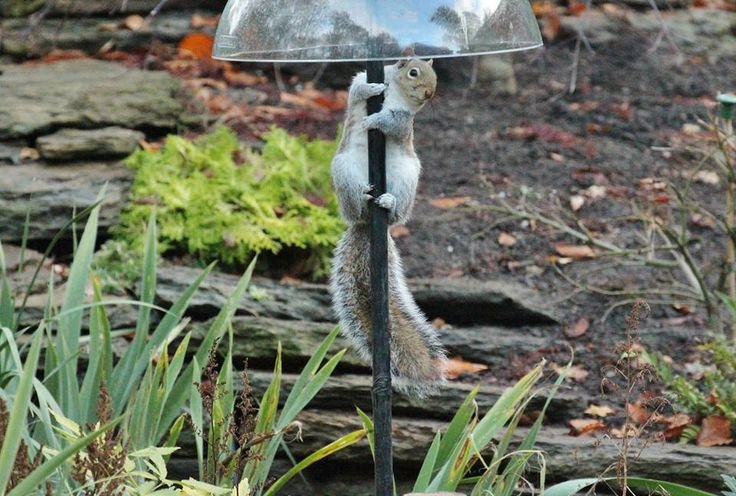
Image source: Bing (Web (fair-use with source credit))
Avoid these around feeder hooks, poles, ports, and perches:
- Petroleum jelly
- Cooking oil
- Grease
- Sticky tape
- Glue traps
- Insecticide sprays
- Ant powders
- Essential oils on feeder parts
- Bleach residue
- Red dye in nectar
The feather issue matters. Hummingbirds rely on clean feathers for flight and body temperature control. A sticky or oily coating can interfere with normal preening.
Pesticides create another problem. Nectar feeders attract birds, bees, butterflies, and other small wildlife. Spraying near the feeder can expose more than just ants.
If you need to treat an outdoor ant nest, keep it away from the feeding station. Follow the pesticide label exactly, since the label is the law in the United States. Better yet, move the feeder first and use physical barriers before considering any chemical treatment elsewhere in the yard.
Also skip “natural” repellents on the feeder itself. Peppermint oil, cinnamon oil, and citrus oils may sound harmless, but concentrated oils don’t belong on nectar ports or perches. The bird-safe answer is still cleaner hardware, better placement, and a working moat.
Long-Term Maintenance for an Ant-Free, Bird-Safe Feeder
Once the ants are gone, the goal is to make the feeder boring to them. No drips. No sticky trails.
No easy bridge from a branch or railing.
Use this simple maintenance rhythm:
| Task | Warm weather | Cooler weather |
|---|---|---|
| Change nectar | Every 1 to 2 days | Every 3 to 5 days |
| Clean feeder | At each refill | At each refill |
| Check ant moat | Daily | Every few days |
| Inspect for leaks | Weekly | Weekly |
| Wash hook or pole | If ants appear | If ants appear |
Heat changes the schedule. Above about 80°F, nectar spoils faster and moats evaporate sooner. If the nectar looks cloudy, smells sour, or has floating debris, dump it right away.
Shade helps, but don’t hide the feeder in dense foliage. A good spot has morning sun, afternoon shade, and open space around the hanger. Nearby shrubs are useful for hummingbird cover, but the feeder itself should not touch plants.
Make only as much nectar as you can use within about a week. Store extra nectar in the refrigerator in a clean container. Let it come closer to room temperature before refilling the feeder.
If ants return after several quiet days, don’t start over blindly. Watch their route for two minutes. If they climb the pole, improve the moat setup.
If they appear inside the nectar, look for a leak, crack, or dry moat.
FAQs About Keeping Ants Out of Hummingbird Feeders
What is the best way to keep ants out of a hummingbird feeder?
The best method is a water-filled ant moat above the feeder. It blocks ants before they reach the nectar. Pair that with regular cleaning, leak checks, and better placement.
If the feeder hangs near a branch, wall, railing, or vine, move it so ants lose their bridge.
Can I put Vaseline on my hummingbird feeder pole?
No, don’t use Vaseline on a hummingbird feeder pole. Petroleum jelly can transfer to feathers if a bird brushes against it. It also collects dirt and can melt in heat.
Use an ant moat instead. Water creates a clean physical barrier without sticky residue.
Why are ants still getting in when I have an ant moat?
The moat may be dry, dirty, too shallow, or placed below the access point. Ants can also bypass it from a branch, railing, wall, or hanging chain. Refill the moat, wash away scent trails, and make sure the moat sits between the hanger and feeder.
Do ants hurt hummingbirds?
Ants don’t usually attack hummingbirds at feeders, but they can contaminate nectar. Dead ants, debris, and spoiled sugar water make the feeder less safe and less attractive. Fire ants are a bigger concern around yards because they can sting people, pets, and wildlife near the feeding area.
Will moving the feeder stop ants?
Moving the feeder often helps, especially when ants are using a branch, railing, or wall as a shortcut. Clean the feeder and hanger before rehanging it. If you move a sticky feeder without washing it, ants may still track it down through scent and spilled nectar.
