iBorn Bird Feeders Outdoors 14″ 6 Review
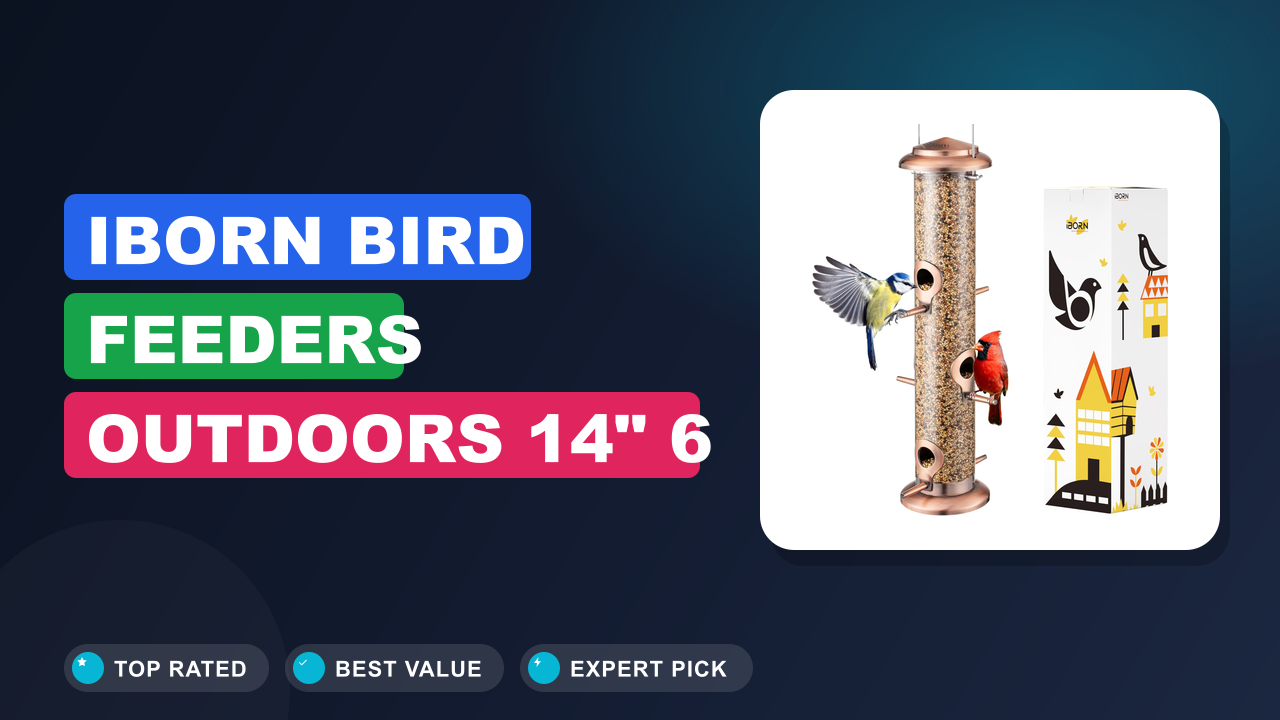
A six-port tube feeder sounds simple until squirrels chew the fittings, seed gets damp, or birds fight over too little space. We researched the iBorn Bird Feeders for Outdoors 14" 6 Ports Chew-Resistant to see whether its metal construction and compact 14-inch body solve those everyday backyard problems. The main question was whether it offers better durability than similarly priced plastic feeders.
It’s worth considering if you want an affordable metal feeder for finches, chickadees, and other small songbirds. Skip it if you need serious squirrel exclusion, a large seed reservoir, or a feeder designed for bigger birds. Here’s the quick verdict.

What it is
A tube feeder is a vertical seed container that gives birds access through small feeding ports. This iBorn model combines a 14-inch body with six ports, perches, a copper-colored finish, and chew-resistant components.
It sits between basic plastic feeders and heavier squirrel-resistant designs from Brome, Droll Yankees, and Perky-Pet. The six-port layout supports several small birds at once, but “chew-resistant” doesn’t mean squirrel-proof. Persistent squirrels can still climb onto the feeder, shake out seed, and interfere with the lid or hanger.
Setup & first impressions
Manufacturer information indicates that this is a hanging feeder, so setup mainly involves adding suitable seed and choosing a protected location. The compact tube is easier to place than a broad platform feeder, especially near a window, garden border, or narrow shepherd’s hook.
Aggregate buyer feedback commonly favors the metal appearance and multiple feeding positions. The practical first-use concern is alignment: check that every perch and port feels secure before filling the tube, then confirm the lid is seated properly.
Place it at least 5 feet above the ground where possible and away from easy squirrel launch points. The Cornell Lab of Ornithology also recommends keeping feeders clean and monitoring visiting birds for signs of illness.
| Product height | 14 inches |
| Feeding ports | 6 |
| Package quantity | 1 feeder |
| Finish | Copper color |
| Construction claim | Chew-resistant |
| Reported rating | 4.5 out of 5 |
| Model identifier | B09KMVJYY6 |
Daily-use experience
Feeding performance
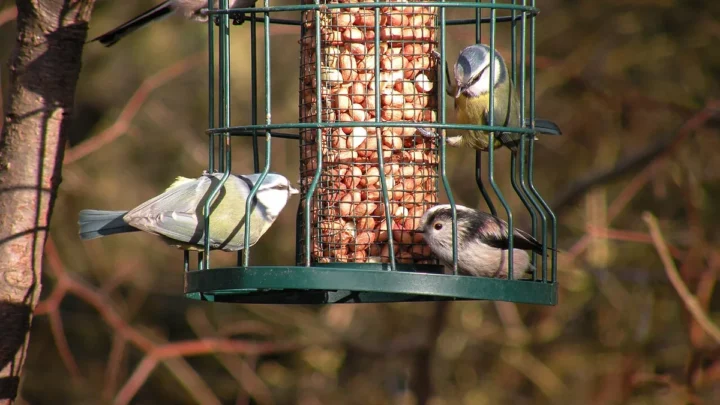
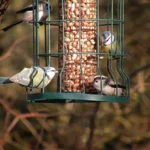
Six ports let birds feed at multiple levels rather than crowding around one tray. That layout suits social flocks of house finches and American goldfinches, while chickadees and nuthatches can make quick visits without waiting for a platform.
Seed choice matters. Black-oil sunflower seed generally attracts more species, while a finch-heavy blend may increase visits from goldfinches. Large pieces and damp seed can obstruct narrow ports, so avoid overfilling before several rainy days.
Cleaning and refilling
A tube feeder needs regular cleaning because seed hulls, moisture, and droppings can create unhealthy conditions. The United States Fish and Wildlife Service advises maintaining clean feeding areas and taking sensible steps to reduce disease transmission.
For normal use, inspect the ports weekly and clean the feeder about every 2 weeks. Empty it sooner if seed smells musty, clumps together, or shows visible mold. The narrow tube requires more attention than an open tray, particularly around the lowest ports.
Durability and squirrel resistance
Chew-resistant construction protects vulnerable feeding points better than thin, exposed plastic. It does not provide the weight-sensitive mechanism found on the Brome Squirrel Buster Plus, however, so placement remains the main squirrel defense.
Keep it roughly 10 feet from branches, fences, and roofs when your yard allows. A pole-mounted squirrel baffle is the most useful companion accessory. As of 2026, this model makes the most sense as a durable songbird feeder, not as a complete pest-control system.
✓ Pros
- Six feeding ports reduce waiting when several small birds visit together
- 14-inch body fits compact gardens and narrow hanging locations
- Chew-resistant fittings provide better protection than exposed plastic ports
- Copper-colored finish blends easily with traditional garden hardware
- Multiple perch levels improve access for finches, chickadees, and nuthatches
✗ Cons
- No weight-activated closure means squirrels can still access the feeding area
- Narrow tube needs careful cleaning around the lowest ports
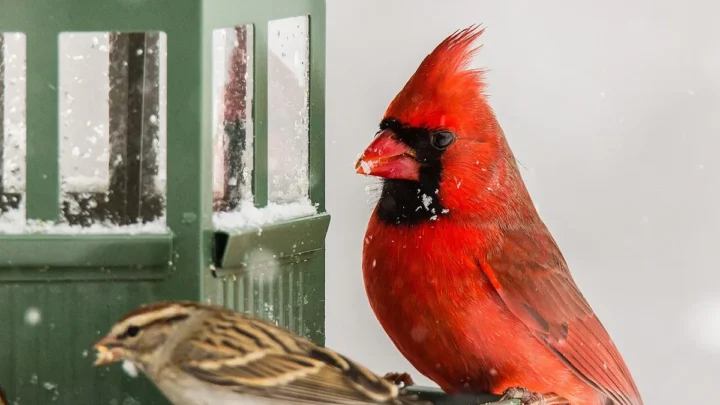
- Small perches are less comfortable for cardinals and larger birds
- Six open ports can empty quickly during busy feeding periods
Who should buy it
Buy it if you…
Buy it if you maintain a small backyard feeding station and mostly see finches, chickadees, sparrows, or nuthatches. It’s particularly useful when a single-port feeder creates congestion, but you don’t want the bulk of a large hopper feeder.
Skip it if you…
Skip it if squirrels already dominate your feeding station or if cardinals are your priority. A weight-activated feeder handles squirrels more effectively, while a hopper or platform feeder provides larger birds with steadier footing.
Better alternatives
The Brome Squirrel Buster Plus is the stronger option where squirrel pressure is severe because its feeding ports close under excess weight. The Droll Yankees Classic 6-Port Bird Feeder is another established tube-style choice for buyers who prefer a traditional clear-tube design.
Frequently Asked Questions (FAQ)
Is the iBorn 14-inch feeder squirrel-proof?
No. Chew-resistant means its exposed components are intended to resist gnawing, but it doesn’t include a weight-activated closing system. Use a pole baffle and keep the feeder about 10 feet from common jumping points.
What seed works best?
Black-oil sunflower seed is the most versatile starting point for attracting common songbirds. A sunflower and millet blend can serve a broader group, while nyjer is better suited to feeders specifically designed with very small openings.
How often should you clean it?
Clean it about every 2 weeks during normal use and more often in warm, wet weather. Discard damp or moldy seed immediately, scrub accessible surfaces, rinse thoroughly, and let every part dry before refilling.
Will cardinals use this feeder?
They may attempt to use it, but the compact perches favor smaller birds. If northern cardinals are your main visitors, a feeder with a broad tray or hopper-style landing area will usually be a better fit.
Final verdict
Rating: 4.5/5
The iBorn 14-inch six-port feeder offers a useful balance of feeding access, compact dimensions, and chew-resistant construction. It’s a strong match for backyard birdwatchers who want to serve several small songbirds without moving into the premium price tier.
Its main weakness is straightforward: it resists chewing but doesn’t stop determined squirrels. Add a well-positioned pole and squirrel baffle, keep the tube clean, and it becomes a practical everyday feeder for finches, chickadees, sparrows, and nuthatches.
Affiliate disclosure: This post contains affiliate links. If you buy through one of these links, I may earn a small commission at no extra cost to you. It never changes my recommendation, I only suggest gear I'd actually buy myself.

Similar Posts