Amish Bird Feeders: Handmade Charm for Your Backyard
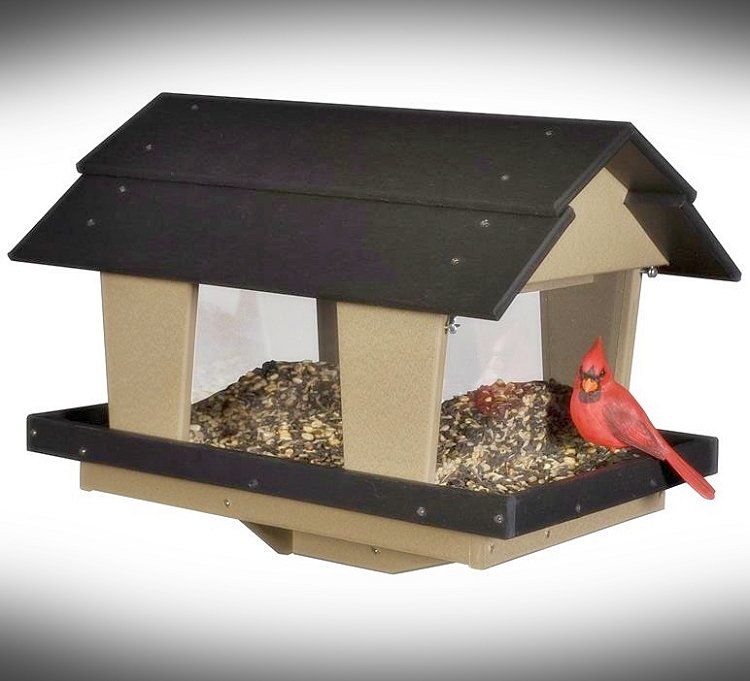
If you’re looking at amish bird feeders, you’re probably trying to figure out whether they’re genuinely better than a basic store-bought feeder. The short answer is yes, they can be, but the material, feeder style, and build quality matter more than the label.
“Amish-made” should mean hand-built construction, not just rustic styling.
As of 2026, many Amish poly bird feeders use 1/2-inch to 3/4-inch recycled HDPE poly lumber, which is built for year-round outdoor exposure.
Wood versions can also last well, especially cedar, but they ask more from you over time. Let’s start with the simple answer before comparing the options.
Image source: Bing (Web (fair-use with source credit))
Quick Answer
Amish bird feeders are handmade outdoor bird feeders.
Most are built from cedar, pine, or poly lumber.
Poly lumber lasts longer with less maintenance.
Wood feeders look warmer but need more care.
Choose by bird species, climate, and cleaning access.
What Makes an Amish Bird Feeder Different?
An Amish bird feeder is usually a handcrafted feeder made by Amish woodworkers or small Amish-owned shops. The biggest difference is construction quality.
You’re often getting thicker material, sturdier hardware, and a design that feels more like outdoor furniture than a disposable yard accessory.
The term can get fuzzy, though. “Amish-style” doesn’t always mean Amish-made. If authenticity matters to you, look for clear maker information, workshop location, and product details that name the material, hardware, and mounting method.
In our research, the best-made feeders usually share a few traits:
- Solid joinery or strong screw-fastened assembly
- Stainless steel or galvanized hardware
- A roof with enough overhang to shield seed
- Drainage holes or mesh in the tray
- Easy access for cleaning and refilling
- Clear material specs, especially for poly lumber
The practical benefit is simple. A well-built feeder handles rain, sun, freezing weather, and daily bird traffic better than a thin plastic feeder.
That doesn’t mean every Amish feeder is perfect. Some wooden models can still warp, crack, or grow mold if they hold wet seed. Good design still matters.
If you’re new to feeder birds, pairing the right feeder with local species habits makes the whole setup work better.
Amish Bird Feeder Types Compared: Hopper, Platform, Gazebo, Suet, and Specialty Feeders
Different Amish bird feeder styles attract different birds. The right choice depends on what you want to feed, where you’ll place it, and how often you want to refill it.

Image source: Bing (Web (fair-use with source credit))
Here’s the clean comparison.
| Feeder type | Best for | Watch for |
|---|---|---|
| Hopper feeder | Cardinals, chickadees, titmice, finches | Seed can spoil if drainage is poor |
| Platform feeder | Cardinals, jays, doves, mixed flocks | More exposed to rain and droppings |
| Gazebo feeder | Decorative yards, general feeding | Style can matter more than function |
| Fly-through feeder | Larger birds, open feeding | Squirrels may access it easily |
| Suet feeder | Woodpeckers, nuthatches, wrens | Suet can soften in hot weather |
| Oriole feeder | Orioles and fruit-loving birds | Jelly cups need frequent cleaning |
| Bluebird feeder | Bluebirds and mealworms | Placement matters a lot |
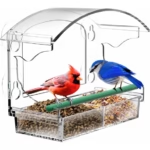
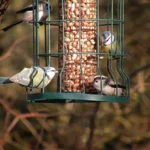
A hopper bird feeder stores seed in a central chamber and releases it slowly into a tray. It’s one of the easiest styles for everyday backyard feeding. If you want one feeder for mixed seed or black oil sunflower seed, this is usually the safest starting point.
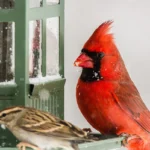
A platform feeder gives birds open access. Cardinals often prefer this because they’re not as comfortable clinging to tiny ports. The tradeoff is mess.
Rain, droppings, and spilled seed build up quickly.
Suet feeders are more targeted. They’re great for woodpeckers, especially if the feeder includes a tail prop. For more general yard activity, combine suet with better habitat choices instead of relying on seed alone.
Specialty feeders are worth considering when you want a specific bird. Orioles need jelly cups, orange spikes, or nectar-style feeding stations. Bluebirds usually respond better to mealworms than standard seed.
Poly Lumber vs Wood Amish Bird Feeders: Which Material Should You Choose?
Poly lumber is better if you want low maintenance. Wood is better if you love a natural, rustic look and don’t mind upkeep.
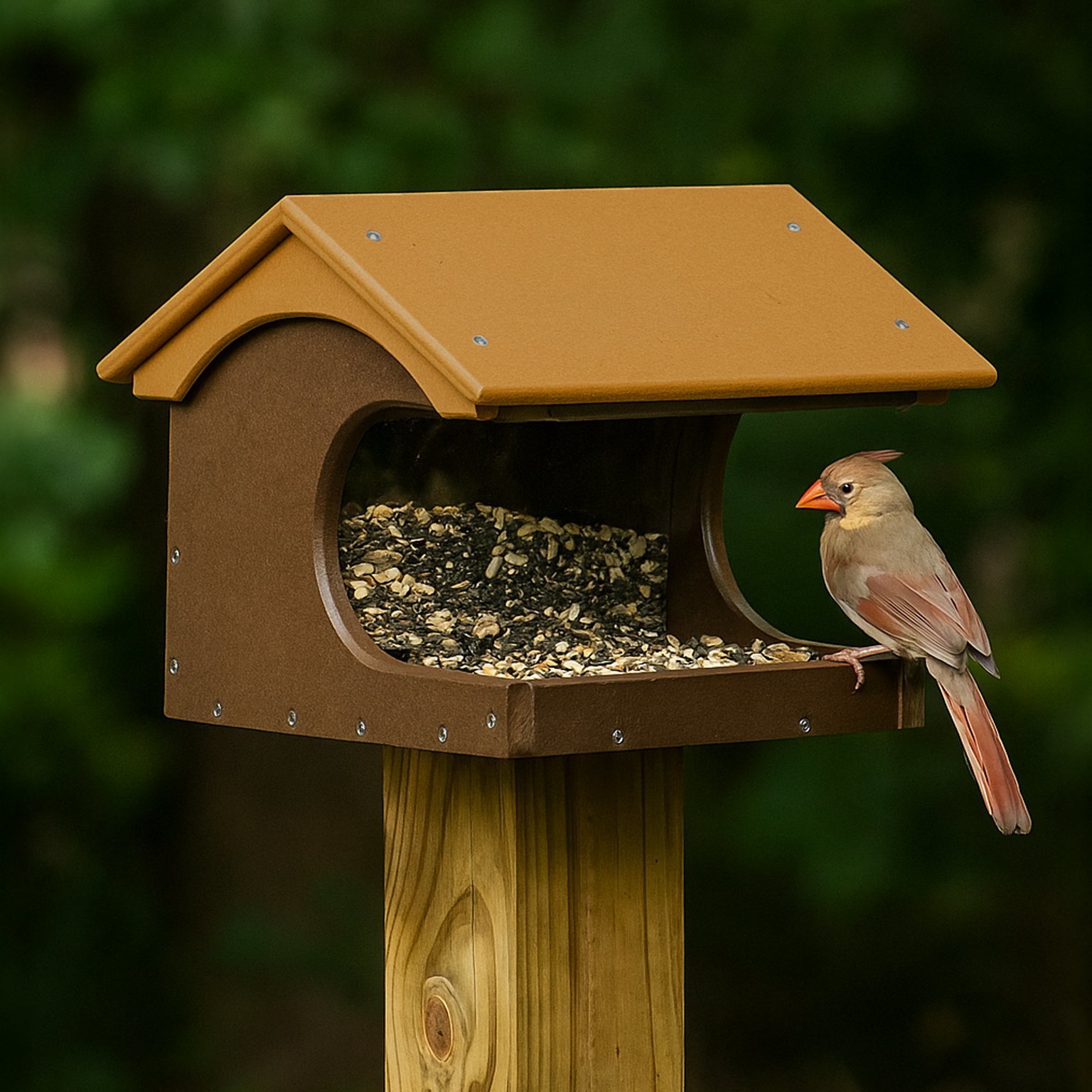
Image source: Bing (Web (fair-use with source credit))
Poly lumber is usually made from high-density polyethylene, often called HDPE. It’s the same general material category used in many recycled outdoor products. Manufacturer specifications commonly highlight UV resistance, moisture resistance, and resistance to cracking.
Wood has its own charm. Cedar is naturally more rot-resistant than many softwoods. Pine can work too, but it usually needs better finishing and more protection from moisture.
| Material | Best for | Maintenance level |
|---|---|---|
| Recycled HDPE poly lumber | Rainy climates, long-term use, low upkeep | Low |
| Cedar | Natural look, rustic gardens, lighter feeders | Medium |
| Pine | Budget handmade feeders, painted designs | Medium to high |
| Metal accents | Roofs, chains, hanging hardware | Low if rust-resistant |
Poly feeders often cost more upfront. Over time, they may save you from replacing cracked or rotted feeders. They’re also easy to rinse and scrub, which matters because dirty feeders can spread disease.
Wood feeders ask for more attention. You may need to refresh stain, tighten hardware, or replace cracked acrylic panels. If you enjoy traditional craftsmanship, that may feel worth it.
For harsh winters, heavy rain, or strong sun, poly lumber usually wins. For a porch, cottage garden, or farmhouse yard, wood may look more natural.
How to Choose the Right Amish Bird Feeder for Your Yard and Birds
Choose the feeder by matching three things: bird species, weather, and placement. That sounds basic, but it prevents most bad buys.
Start with the birds you want. Cardinals like open trays and platform space. Finches often use tube-style feeders with smaller perches.
Woodpeckers prefer suet cages or feeders with a tail prop.
Then look at your climate. If your area gets heavy rain, choose a feeder with a wide roof overhang and strong drainage. If summers are hot and sunny, poly lumber usually handles UV exposure better than painted wood.
Use this quick decision guide:
- If you want a first feeder, choose a medium hopper feeder.
- If you want cardinals, choose a platform or wide-tray hopper.
- If you want woodpeckers, add a suet feeder.
- If you hate maintenance, choose poly lumber.
- If you love rustic style, choose cedar.
- If squirrels are a problem, plan the pole and baffle first.
Placement matters just as much as the feeder. The Cornell Lab of Ornithology’s bird feeding guidance is a helpful starting point for matching food, feeder type, and bird behavior.
Think about cleaning before you think about looks. Can you open the roof easily? Can you remove old seed from corners?
Can you reach it without a ladder?
A beautiful feeder that’s hard to clean becomes a problem fast. A simpler feeder with good drainage often brings better results, especially when paired with bird-friendly yard basics.
Costs, Quality Checks, and How to Tell If It’s Truly Amish-Made
Amish bird feeders can range from affordable to surprisingly pricey. The difference usually comes down to size, material, hardware, and whether it’s custom-built.
As a general guide, small handmade feeders often fall around $30 to $75. Mid-range hopper or gazebo feeders often sit around $75 to $150. Large poly lumber feeders, post-mounted designs, and custom colors can reach $150 to $300 or more.
Price alone doesn’t prove quality. Look for the details that affect daily use.
What should you check before buying?
You should check material, hardware, drainage, cleaning access, and maker transparency. Those five details tell you more than the word “Amish” on a listing.
A good product description should name the material clearly. “Poly” should mean HDPE poly lumber, not thin plastic. Wood should be identified as cedar, pine, or another specific species.
Check the hardware next. Stainless steel and galvanized parts hold up better outside. Thin chains, flimsy hooks, and untreated screws are common weak points.
Also look for proof of function:
- Roof overhang that shields seed
- Drainage holes or mesh flooring
- Removable tray or hinged roof
- Thick panels that won’t flex easily
- Smooth edges around perches
- Replaceable acrylic seed windows
Authenticity is harder to verify online. “Amish-made” should be backed by workshop location, maker story, or retailer transparency. The Federal Trade Commission gives guidance on Made in USA claims, which is useful when sellers make strong origin claims.
If you’re comparing two similar feeders, choose the one that’s easier to clean. Birds won’t care about decorative trim. They will benefit from dry seed, safe footing, and a feeder you’ll actually maintain.
Cleaning, Placement, and Common Mistakes to Avoid
Cleaning is where even a sturdy feeder can go wrong. Old seed, wet hulls, and droppings can build up fast, especially in humid weather. A feeder with removable trays makes this job much easier.

Image source: Bing (Web (fair-use with source credit))
Use a simple routine:
- Empty old seed and hulls.
- Scrub trays, ports, and corners.
- Rinse away loose debris.
- Disinfect when needed.
- Let every part dry fully.
- Refill with fresh seed.
Many bird health groups recommend cleaning feeders at least every two weeks. Clean weekly during wet, hot, or busy feeding periods. If seed smells sour or looks clumped, dump it right away.
Placement needs the same care. Put feeders near shrubs or trees so birds have escape cover. Don’t tuck them deep into dense brush where cats can hide.
Window placement matters too. A common bird-safe guideline is placing feeders within 3 feet of glass or more than 30 feet away. The short distance reduces collision speed.
The longer distance gives birds more room to react.
Avoid these easy mistakes:
- Filling a large hopper before birds are visiting regularly
- Using mixed seed with lots of filler grain
- Ignoring squirrel access from fences or branches
- Letting jelly cups sit out in hot weather
- Hanging heavy feeders from weak hooks
- Leaving wet seed in corners after rain
Poly and wood feeders age differently, so treat them differently. Poly lumber usually needs washing, screw checks, and basic inspection. Wood needs those steps too, plus finish care.
For poly feeders, look for loose screws, worn hanging cables, cracked acrylic, and clogged drainage holes. A soft brush and mild soapy water handle most routine dirt. Avoid harsh scraping that could rough up feeding surfaces.
Wood feeders need closer watching after rain and winter freezes. Check for soft spots, peeling finish, lifted grain, and gaps where water can sit. If the finish is wearing thin, refresh it with a bird-safe exterior stain or sealer on non-food-contact surfaces.
| Task | How often | Why it matters |
|---|---|---|
| Remove wet seed | As needed | Prevents mold and spoilage |
| Wash feeder | Every 1 to 2 weeks | Reduces disease risk |
| Check screws and mounts | Monthly | Prevents falls and damage |
| Inspect wood finish | Each season | Slows cracking and rot |
| Deep clean before storage | End of season | Keeps pests and odor away |
If squirrels are chewing a wooden feeder, don’t blame the feeder first. Check placement. A baffle on a pole often works better than switching feeder styles.
Seasonal bird activity changes too. If your feeder gets quiet, compare what you’re seeing with common visitor patterns before moving everything around. A cleaner feeding area also supports healthier yard activity beyond the feeder itself.
Frequently Asked Questions
Are Amish bird feeders better than regular bird feeders?
They can be better if the materials and construction are stronger. Amish-made feeders often use thicker wood, recycled HDPE poly lumber, and better hardware. That helps with weather resistance and lifespan.
Still, a poorly designed handmade feeder can underperform a simpler feeder with better drainage and cleaning access.
What birds use Amish hopper feeders?
Hopper feeders commonly attract cardinals, chickadees, titmice, finches, nuthatches, sparrows, and some woodpeckers. The exact mix depends on seed type and local habitat. Black oil sunflower seed is a strong all-around choice.
Cardinals usually prefer wider trays over tiny perches.
Is poly lumber safe for bird feeders?
HDPE poly lumber is commonly used for outdoor bird feeders because it resists moisture, rot, and cracking. The key is buying from a maker that uses outdoor-grade material and smooth, well-finished edges. As with any feeder, safe use depends on regular cleaning and dry seed.
How long do Amish bird feeders last?
A well-kept cedar feeder can last several years. A quality poly lumber feeder can often last 10 years or more with basic care. Weather, cleaning habits, hardware quality, and squirrel pressure all affect lifespan.
Feeders in wet or sunny climates usually age faster.
What seed should I use in an Amish bird feeder?
Black oil sunflower seed is the best starting seed for most hopper and platform feeders. Safflower can help if you’re trying to discourage some squirrels or bully birds. Nyjer seed belongs in finch feeders with tiny ports.
Mealworms, suet, jelly, and fruit need specialty feeders.

Similar Posts