DIY Seed Catcher for Bird Feeder: Stop the Mess
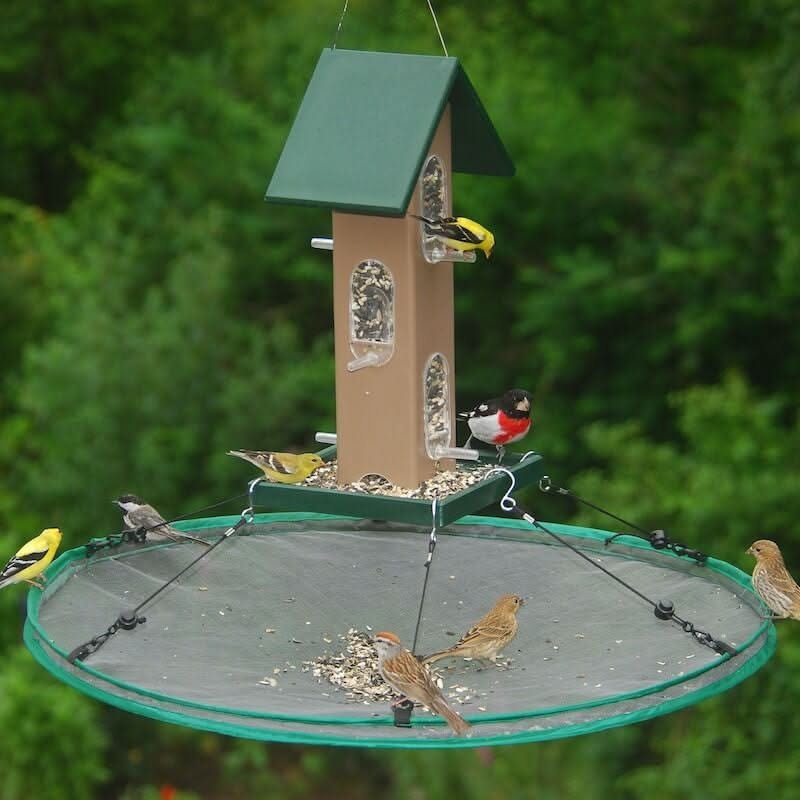
Seed mess under a feeder gets old fast, especially on patios, balconies, mulch, and flower beds. A diy seed catcher for bird feeder setup gives fallen seed, hulls, and crumbs somewhere to land before they turn into weeds or rodent snacks. The trick is building one that drains well, stays balanced, and doesn’t scare birds away.
Most small backyard feeders do well with a catcher that’s 12 to 18 inches wide, while larger hopper feeders often need 18 to 24 inches. As of 2026, the best DIY designs still come down to three basics: width, drainage, and stable attachment. Get those right, and the whole feeding area becomes much easier to manage.
Quick Answer
A diy seed catcher for bird feeder catches fallen seed below the feeder. Use a saucer, mesh hoop, or shallow metal tray. Add drainage holes so seed stays dry.
Make it wider than the feeder by several inches. Hang it level with three or four attachment points.
Image source: Bing (Web (fair-use with source credit))
Why a DIY Seed Catcher Works Better When You Build It Around Your Feeder
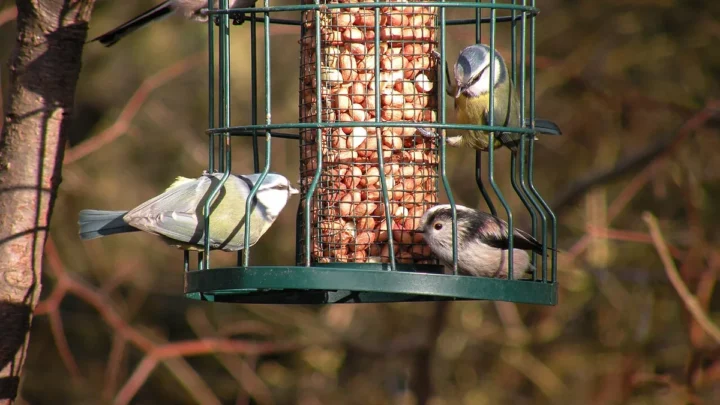
A seed catcher is a tray, hoop, or mesh platform that sits under a bird feeder to catch spilled seed and shells. It sounds simple, but the best design depends on your exact feeder. A tube feeder drops seed differently from a hopper feeder.
A balcony feeder has different limits than a pole-mounted station.
That’s why a homemade catcher often works better than a one-size-fits-all tray. You can match the diameter, attachment points, and clearance to your setup. You can also keep it light enough for a hanging hook or sturdy enough for a pole.
The biggest visual cue is the “drop zone.” Look straight down from the feeder ports. Most waste lands just outside the feeder body, then spreads wider in wind. Your catcher should extend at least 3 to 6 inches past that area.
Good designs also solve three common problems:
- Fallen seed sprouting in grass or mulch
- Wet seed clumping and growing mold
- Hulls collecting where mice and squirrels can feed
- Seed crumbs staining patios, decks, and balcony floors
Bird feeding hygiene matters too. The Cornell Lab of Ornithology recommends keeping feeders clean to reduce disease spread among birds. A catcher helps only if you can empty and wash it easily.
If you’re still adjusting your feeding station, it also helps to understand how birds discover food sources. Placement, visibility, and patience all play a role in new feeder visits.
Pick the Right Seed Catcher Style for Your Setup
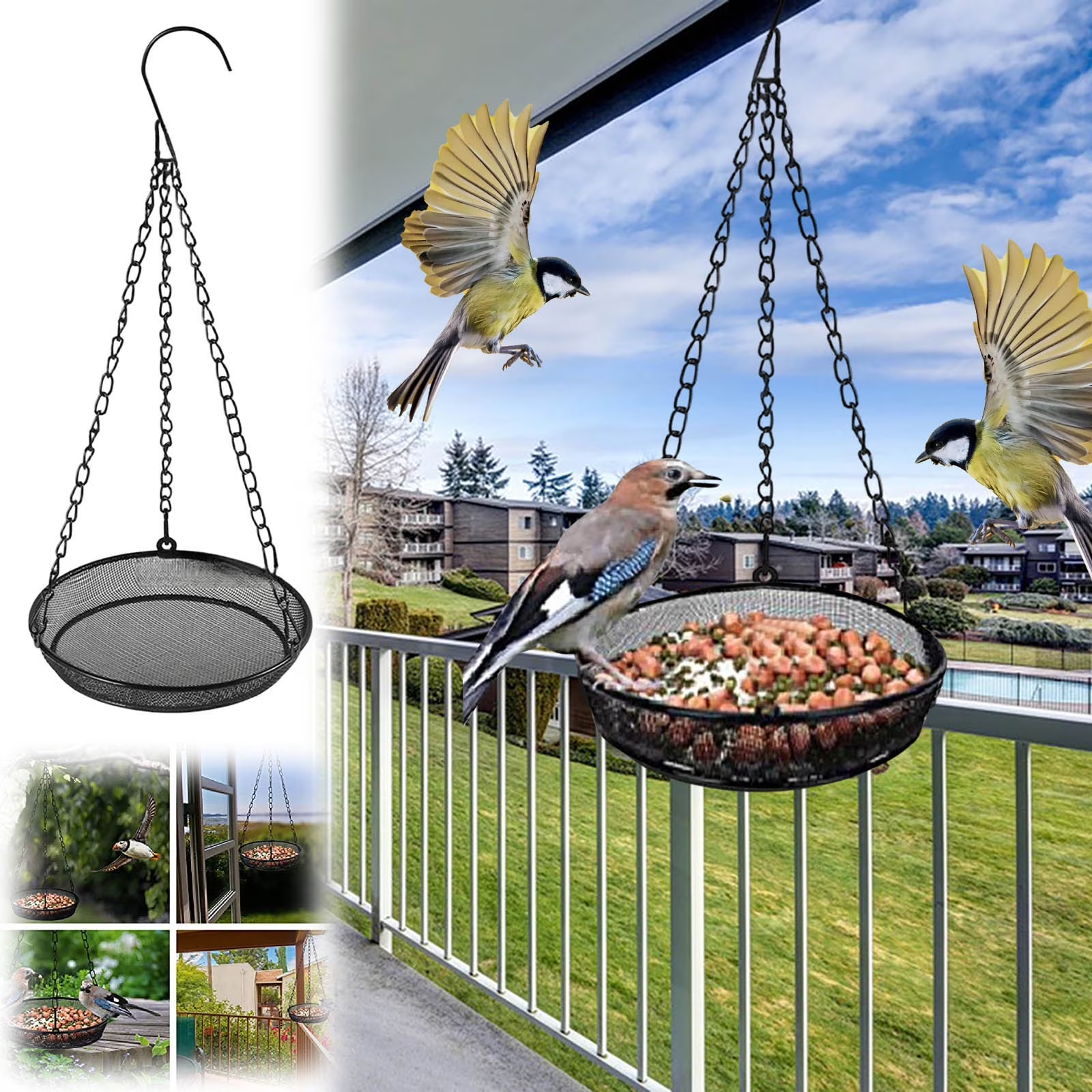
Image source: Bing (Web (fair-use with source credit))
Pick the catcher style based on how your feeder is mounted. If the feeder hangs from a branch or shepherd’s hook, use a hanging tray or mesh hoop. If it sits on a pole, use a tray fixed to the pole.
If you feed from a balcony, keep the catcher compact and easy to remove.
Here’s the simple way to choose:
| Feeder setup | Best DIY catcher | What to watch |
|---|---|---|
| Hanging tube feeder | Mesh hoop or saucer on chains | Balance and swinging |
| Hopper feeder | Wider rigid tray | Weight and drainage |
| Pole-mounted feeder | Tray clamped to pole | Squirrel access |
| Window feeder | Small removable tray | Suction cup strain |
| Balcony feeder | Deep saucer or contained tray | Apartment rules |
A hanging catcher should attach with three or four evenly spaced cords or chains. Three points are often easier to level. Four points feel steadier in wind, especially with wider trays.
For pole feeders, don’t confuse a seed catcher with a squirrel baffle. A flat tray can become a landing platform for squirrels if it sits too close to the feeder. If squirrels are already part of the problem, feeder competition is worth thinking through before you add more surface area.
Balcony setups need the tidiest design. A shallow mesh hoop may let fine hulls blow away. A saucer with a 1 to 2-inch lip usually contains mess better.
Materials, Measurements, and Visual Cues That Matter

Image source: Bing (Web (fair-use with source credit))
The best DIY materials are light, washable, weather-resistant, and safe around birds. Plastic plant saucers are popular because they’re cheap and easy to drill. Metal pie pans work for small feeders, but thin aluminum bends quickly.
Mesh hoops drain best, but they catch fewer tiny seed bits.
A good starter size is simple. Make the catcher wider than the feeder by 6 to 12 inches total. That means a 4-inch tube feeder usually pairs well with a 12 to 16-inch catcher.
Use these specs as a guide:
| Feature | Practical target | Why it matters |
|---|---|---|
| Catcher width | 12 to 24 inches | Catches the real drop zone |
| Rim height | 1 to 2 inches | Holds seed without blocking birds |
| Drainage holes | 1/8 to 1/4 inch | Lets rain escape |
| Feeder clearance | 2 to 6 inches | Keeps birds comfortable |
| Attachment points | 3 or 4 | Prevents tilting |
Drainage is non-negotiable. Wet seed spoils fast, and clumped seed is harder to clean. If you use a solid saucer, drill holes across the bottom and near the outer edge.
Choose seed carefully too. Hulled sunflower, cracked corn, and millet behave differently in a tray. If you feed small ground-feeding birds, tiny seed choices can change how much waste ends up below the feeder.
How to Make a Simple DIY Seed Catcher for a Bird Feeder

Image source: Bing (Web (fair-use with source credit))
You can make a basic catcher in 30 to 60 minutes with common household or hardware-store parts. The easiest version uses a plastic plant saucer, three chains or cords, zip ties, and a drill. A mesh hoop version works well when rain is your main issue.
Option 1: Plastic plant saucer tray
Start with a saucer that’s 12 to 18 inches wide for a small tube feeder. Drill a center hole if the feeder stem needs to pass through it. Then drill drainage holes across the base.
Attach three cords or light chains around the rim. Space them evenly like a triangle. Clip them to the feeder hanger or to a separate S-hook above the feeder.
Option 2: Mesh hoop seed catcher
Use an embroidery hoop, wire wreath frame, or macramé hoop. Stretch window screen mesh or fine hardware cloth across the frame. Secure it with zip ties, wire, or outdoor-safe cord.
This style drains beautifully. It’s better for hulls than for very small seed. If you feed blends with millet, some pieces may fall through.
Option 3: Metal pie pan or shallow tray
A pie pan works for small feeders in sheltered areas. Smooth any sharp drilled edges before hanging it. Thin metal can flap in wind, so keep this design small.
If seed waste is still heavy, pairing the catcher with cleaner seed blends can make a big difference. Less shell means less mess to catch.
Common DIY Seed Catcher Mistakes That Make the Mess Worse
The most common mistake is making the tray too small. If the tray barely covers the feeder body, it won’t catch the sideways scatter. Birds flick seed with their bills, and wind spreads hulls beyond the feeder’s footprint.
The second mistake is skipping drainage. A solid tray without holes becomes a wet seed bowl after rain. That attracts pests and can expose birds to spoiled food.
The U.S. Fish and Wildlife Service encourages responsible wildlife feeding practices, and cleanliness is a big part of that.
Watch for these easy-to-miss problems:
- A tray that tilts when seed collects on one side
- Mesh holes too large for small seed
- Sharp wire ends near perching birds
- A catcher that blocks feeder ports
- A tray mounted so high birds can’t land comfortably
- A wide tray that helps squirrels reach the feeder
- Plastic that cracks in freezing weather
- Metal hardware that rusts after a few storms
Another issue is leaving old seed in the catcher. A seed catcher isn’t storage. It’s a temporary landing zone.
Empty it often, especially after rain.
Also think about the feeder above it. Tube feeders, cylinders, and hopper feeders all shed food differently. If you use a cylindrical feeder, compact feeder designs may need a narrower but deeper catcher than a wide hopper feeder.
The goal is to match the mess pattern, not just the feeder size.
Keeping the Seed Catcher Clean, Dry, and Bird-Safe
A seed catcher needs the same cleaning mindset as the feeder above it. Empty loose hulls and wet seed before they clump. In rainy weather, that may mean checking every two or three days.
Use warm water and a stiff brush for normal cleaning. If droppings or spoiled seed build up, clean the feeder and catcher more thoroughly before refilling. Let everything dry fully, since damp corners undo the work fast.
A simple routine works best:
| Weather or use level | Cleaning rhythm | What to remove |
|---|---|---|
| Dry, light feeding | Weekly | Hulls and dust |
| Heavy feeding | Every 3 to 5 days | Seed piles |
| Rainy weather | Every 2 to 3 days | Wet seed |
| Visible droppings | Same day | Contaminated debris |
If the tray smells sour, feels slimy, or has fuzzy growth, take it down. Wash it before birds return to it. Don’t toss spoiled seed into garden beds, since some blends can sprout.
Good cleaning also depends on the feeder design. Tube feeders trap debris in ports and perches, while trays collect mess in corners. A regular feeder washing routine keeps both parts safer.
Winter adds one more issue: ice. Knock out frozen seed instead of letting it thaw and refreeze. If you keep water nearby, cold-weather bird care can help you think through the whole station.
DIY Seed Catcher vs Store-Bought Tray vs No-Mess Birdseed
Each solution has a place. DIY catchers are best when your feeder shape, balcony rail, or pole setup doesn’t match standard accessories. Store-bought trays are easier when your feeder brand offers a matching part.
No-mess seed takes a different route. It reduces shells before they fall. It won’t catch every dropped piece, but it can cut down the daily cleanup.
| Option | Best for | Main drawback |
|---|---|---|
| DIY catcher | Odd feeder sizes and low-cost fixes | Takes measuring and adjustment |
| Store-bought tray | Compatible feeder systems | May not fit older feeders |
| No-mess seed | Patios, balconies, and tidy yards | Costs more per pound |
| Ground mat | Large feeding areas | Needs frequent sweeping |
If you feed on a deck, combine methods. Use a catcher to control the drop zone. Then switch to hulled seed if shells still scatter across boards.
If birds ignore the setup after you add a tray, lower it slightly. A 2 to 6-inch gap usually feels more natural than a tray pressed tight beneath ports. Birds need room to turn, land, and leave quickly.
Seed type matters as much as hardware. A standard wild bird mix can create a lot of leftovers if birds pick out favorites. For better matching, start with safe outdoor foods and adjust from there.
Frequently Asked Questions
How big should a seed catcher be under a bird feeder?
Make the catcher at least 6 to 12 inches wider than the feeder body. A small tube feeder often works with a 12 to 16-inch catcher. A larger hopper feeder may need 18 to 24 inches.
Watch where seed actually falls, then adjust wider if needed.
Should a bird feeder seed catcher have drainage holes?
Yes, drainage holes are essential for solid trays. Use several 1/8 to 1/4-inch holes across the bottom and near the edge. Standing water spoils seed quickly.
Mesh catchers drain better, but they may let tiny seed pieces pass through.
Will a seed catcher attract squirrels?
It can, especially if the tray creates a flat landing platform. Keep the catcher below the feeder ports and away from jump points. On pole systems, check that it doesn’t interfere with the baffle.
If squirrels already visit often, fix access first.
What is the cheapest DIY seed catcher material?
A plastic plant saucer is usually the cheapest useful option. It’s light, easy to drill, and available in many diameters. An aluminum pie pan can work for a tiny feeder, but it bends in wind.
Mesh hoops cost a little more but drain better.
How often should I empty a bird feeder seed catcher?
Empty it weekly in dry weather and every few days during rain. Remove wet seed the same day if it clumps or smells. Heavy feeder traffic may require more frequent cleanup.
The goal is to catch waste, not store old food beneath the feeder.

Similar Posts