If you’re wondering what to feed backyard birds in winter, start with high-fat, high-energy foods like black oil sunflower seed, suet, peanuts, and fresh water. Cold weather pushes small birds hard. They burn through energy fast, especially during long nights, snow cover, and ice storms.
As of 2026, bird health groups still stress the same basic rule: food helps most when it’s fresh, dry, and offered from clean feeders. Cornell Lab’s Project FeederWatch also encourages feeder-watchers to watch for sick birds and keep feeding areas clean. Let’s start with the direct answer.
What to Feed Backyard Birds in Winter to Help Them Thrive
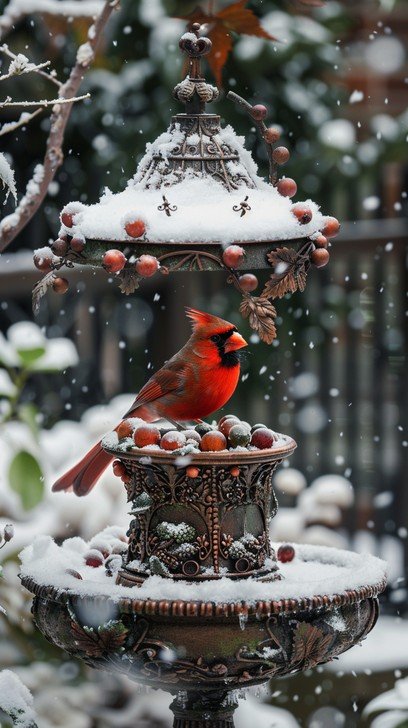
Image source: Bing (Web (fair-use with source credit))
Quick Answer
What to feed backyard birds in winter: sunflower seed, suet, peanuts, millet, and water. Choose unsalted, unseasoned foods only. Keep seed dry and feeders clean.
Remove moldy food right away.
Why Winter Feeding Needs a Little Extra Care
Winter feeding isn’t just tossing seed outside and hoping for the best. Birds need dense calories, but they also need safe feeding conditions. Wet seed, dirty feeders, and crowded stations can spread disease quickly.
Small birds lose heat fast in freezing weather. Chickadees, finches, sparrows, nuthatches, and cardinals may feed heavily during daylight so they can survive the night. That’s why high-fat foods matter more in winter than low-quality filler mixes.
The biggest safety risks are simple:
- Moldy seed in damp feeders
- Rancid suet during mild spells
- Salted or seasoned human food
- Dirty bird baths
- Cats waiting near shrubs
- Birds hitting nearby windows
- Crowding during disease outbreaks
Fresh water is part of winter feeding too. Snow is not an easy water source for birds because melting it costs body energy. A shallow bird bath, about 1 to 2 inches deep, gives small birds safer access.
If sick birds appear, pause feeding and clean everything. The USDA Animal and Plant Health Inspection Service shares current wildlife disease updates through USDA APHIS, including avian influenza information. Local wildlife agencies may also advise temporary feeder removal during outbreaks.
Best Winter Bird Foods by Type of Bird
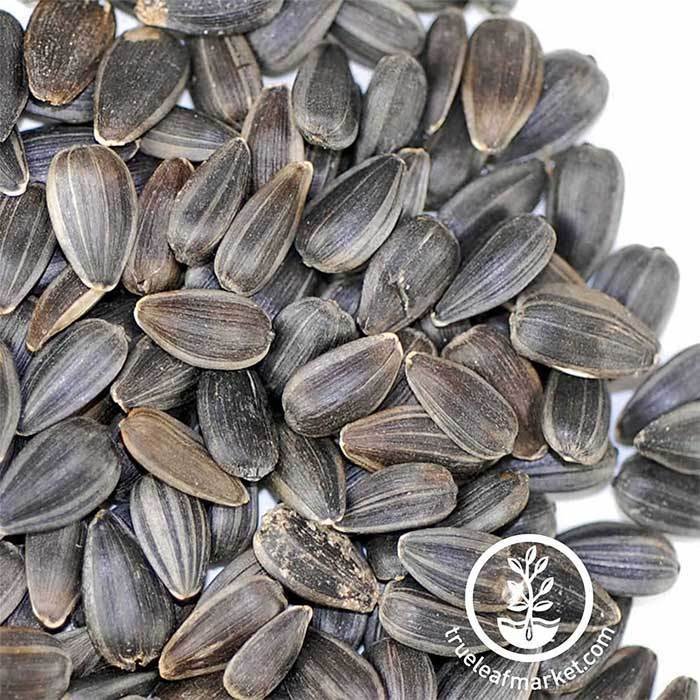
Image source: Bing (Web (fair-use with source credit))
The best winter bird food depends on which birds visit your yard. Still, a few foods work almost everywhere. If you only choose one, pick black oil sunflower seed.
Black oil sunflower seed has thin shells and good fat content. Cardinals, chickadees, titmice, finches, nuthatches, jays, and many sparrows eat it. Hulled sunflower hearts are even easier for birds to eat, but they spoil faster when wet.
| Food | Best for | Use it in |
|---|---|---|
| Black oil sunflower seed | Cardinals, chickadees, finches, nuthatches | Tube or hopper feeders |
| Suet | Woodpeckers, wrens, chickadees, nuthatches | Suet cage |
| Unsalted peanuts | Jays, titmice, woodpeckers, nuthatches | Mesh peanut feeder |
| Nyjer seed | Goldfinches, siskins, redpolls | Nyjer feeder |
| White proso millet | Juncos, doves, native sparrows | Tray or ground feeder |
| Mealworms | Bluebirds, robins, wrens | Small dish or platform |
Suet is excellent in cold weather because it’s rich in fat. Use plain suet cakes or no-melt suet in warmer winter regions. Avoid suet blends with heavy artificial color or lots of cheap filler.
Nyjer seed is best for finches, but freshness matters. Old Nyjer dries out and loses appeal. If birds ignore it, don’t assume they’ve left town.
The seed may simply be stale.
White proso millet is useful for ground-feeding birds. Juncos, native sparrows, doves, and towhees often prefer it on a tray or cleared patch of ground. Keep it dry and offer small amounts.
Cracked corn can attract doves, jays, and some sparrows. It can also attract rodents, raccoons, and deer. Use it sparingly, and don’t leave piles sitting overnight.
Fruit and mealworms are more targeted. Bluebirds, robins, mockingbirds, and wrens may take them, especially when insects and berries are scarce. Offer small portions and remove leftovers before they spoil.
What Not to Feed Wild Birds in Winter
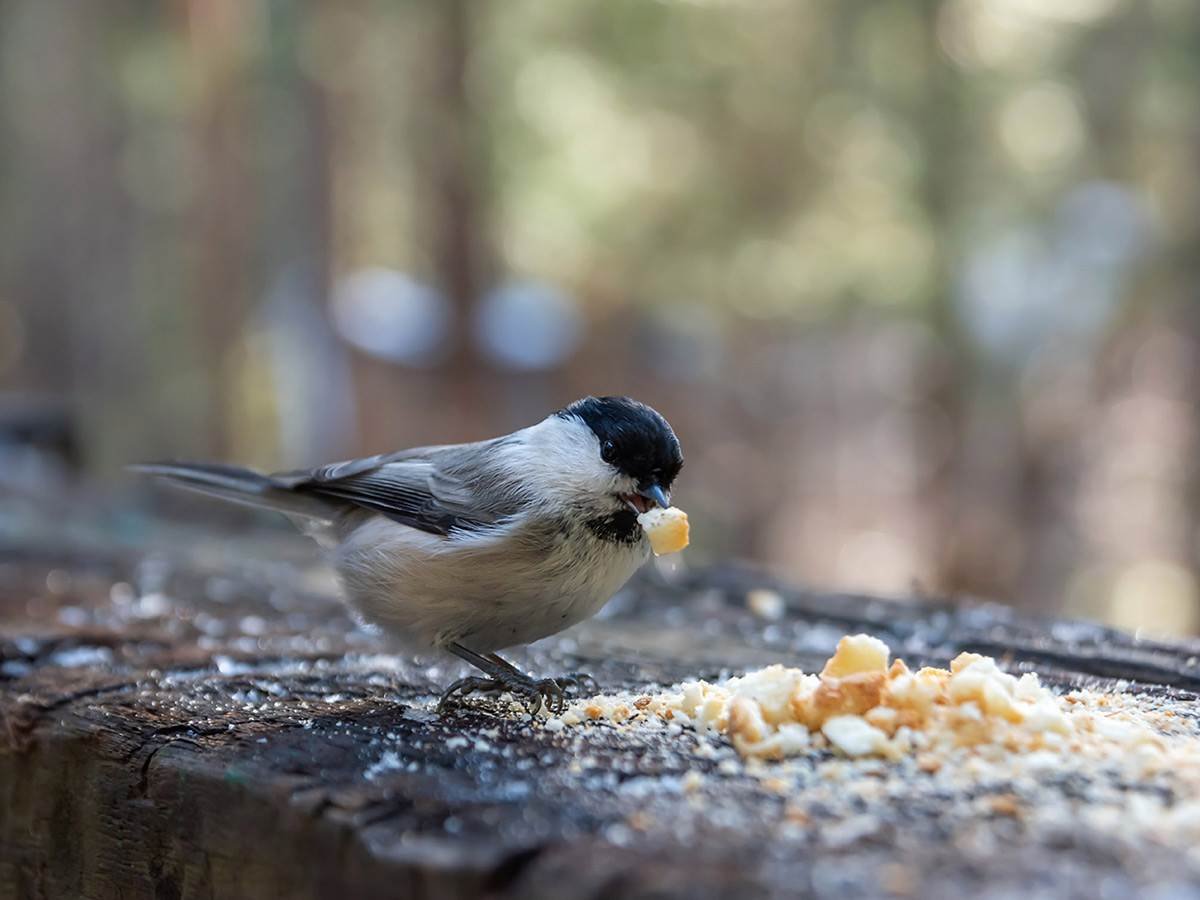
Image source: Bing (Web (fair-use with source credit))
Don’t feed birds bread, salty snacks, seasoned leftovers, chocolate, caffeine, alcohol, or moldy food. These foods can cause real harm. Bread fills birds without giving them the fat, protein, and nutrients they need in winter.
Avoid salted peanuts, salted sunflower seeds, chips, crackers, and cooked leftovers. Birds are tiny, so excess salt is a bigger problem for them than it seems to us. Plain and unsalted is the safe rule.
Also skip bacon grease. It sounds like a cheap suet substitute, but it can contain salt, preservatives, and cooking residues. It may also smear onto feathers and attract pests.
Watch for spoiled food too. Wet seed can grow mold, especially in platform feeders after snow or rain. Moldy seed may contribute to respiratory illness and digestive problems in birds.
Pull these foods immediately:
- Bread and breadcrumbs
- Salted nuts or seeds
- Chips, pretzels, crackers, and salted popcorn
- Cookies, cake, or sweet cereal
- Moldy seed or fruit
- Avocado, chocolate, caffeine, and alcohol
- Meat scraps and greasy leftovers
Fruit can be useful, but offer it carefully. Use small pieces of apple, chopped grapes, soaked raisins, or orange halves. Remove anything frozen solid, rotten, or attracting rodents.
Cheap seed mixes can be another problem. Many contain large amounts of milo, wheat, or other filler grains that backyard songbirds often ignore. Uneaten filler piles up under feeders and can turn wet, moldy, or pest-friendly.
How to Set Up a Safe Winter Feeding Station

Image source: Bing (Web (fair-use with source credit))
A good winter feeding station gives birds food, water, shelter, and a clear escape route. Put feeders near trees or shrubs, but not buried inside dense cover. Birds need nearby safety without giving cats a hiding place.
Use the right feeder for the food. Tube feeders suit sunflower seed. Suet cages suit suet cakes.
Platform feeders suit millet, cracked corn, fruit, and mealworms, but they need extra cleaning.
A simple winter setup looks like this:
- Place a tube feeder with black oil sunflower seed.
- Add a suet cage on a separate branch or pole.
- Offer millet in a tray for ground-feeding birds.
- Set out shallow fresh water.
- Clean spilled seed from the ground often.
Window placement matters. Feeders very close to windows, about 3 feet or less, can reduce high-speed collisions because birds can’t build much speed. If that’s not practical, place feeders much farther away and use visible window markers.
For freezing weather, a heated bird bath can help. Use only outdoor-rated cords and equipment. Keep cords away from standing water, and plug into a ground-fault circuit interrupter outlet when possible.
If squirrels are emptying everything, use a pole-mounted baffle. Place feeders far enough from fences, roofs, and branches so squirrels can’t jump straight onto them. Squirrel pressure is annoying, but spilled seed can also bring rats and raccoons.
If you live in bear country, follow local rules. Many wildlife agencies recommend removing feeders during active bear seasons. In some areas, feeding birds may be restricted when it attracts bears, rats, or other wildlife.
Cleaning, Storage, and Disease Prevention
Clean feeders are not optional in winter. Birds gather closely at feeders, and that makes disease spread easier. Salmonellosis, avian conjunctivitis, and avian pox are common feeder concerns.
A practical cleaning rhythm is every 1 to 2 weeks in normal use. Clean more often during wet weather or heavy bird traffic. If you see lethargic birds, swollen eyes, crusty faces, or dead birds nearby, take feeders down right away.
Use this basic cleaning routine:
- Empty old seed.
- Scrub feeders with hot, soapy water.
- Rinse well.
- Disinfect with 1 part household bleach to 9 parts water.
- Rinse again.
- Let everything dry fully before refilling.
Drying matters because damp seed spoils fast. Don’t refill a wet feeder and hope cold air will fix it. Moisture plus seed dust makes a messy, risky paste.
Store seed in a sealed metal or heavy plastic container. Keep it cool and dry. This helps prevent rodents, insects, moisture, and rancid oils.
Check suet too. In very cold weather, it keeps well. During warm spells, smell it before using.
If it smells sharp, sour, or stale, throw it out.
A safe feeding station should feel boringly routine: fresh food, clean feeders, dry seed, clear ground, and no sick birds hanging around. That routine protects the birds you’re trying to help.
Winter Feeding Tips for Different Yards and Climates
Your best setup depends on weather, space, and local wildlife. A snowy rural yard needs a different plan than a mild urban balcony. The food can stay similar, but the placement and maintenance should change.
If you get heavy snow, raise feeders high enough that ports stay clear. Use covered hopper feeders or tube feeders with rain guards. Sweep or shovel a small patch below ground trays so juncos, native sparrows, and doves can feed without standing in deep snow.
If your winter is wet rather than icy, spoilage becomes the bigger problem. Offer smaller amounts more often. Hulled sunflower hearts, mealworms, and fruit should be removed quickly after rain.
Balcony feeding works best with low-waste foods. Sunflower hearts, shelled peanuts, and tidy tray feeders reduce mess for neighbors below. Avoid loose cracked corn on balconies because it can attract pigeons, rodents, and complaints.
In bear country, don’t treat bird feeding as harmless. If bears are active, remove feeders and store seed indoors or in a secure building. Local wildlife agencies may have seasonal rules, especially in mountain and forested areas.
For a lower-maintenance yard, plant natural winter food sources when the season allows. Native coneflowers, sunflowers, serviceberry, winterberry, dogwood, and seed-bearing grasses can feed birds without crowding them at one feeder.
If outdoor cats visit your yard, move feeders into open sightlines. Birds need time to see danger and escape. Better yet, encourage neighbors to keep cats indoors, especially during peak feeding hours.
Frequently Asked Questions
Should I feed birds every day in winter?
Daily feeding helps most during snow, ice, and long cold snaps. Birds won’t usually depend on one yard alone, but a steady food source saves energy. If you start feeding during severe weather, try not to stop suddenly before conditions improve.
Is bread really bad for wild birds?
Yes, bread is a poor winter food for wild birds. It fills the crop without giving enough fat, protein, or nutrients. In damp weather, bread also turns soggy and moldy fast.
Use sunflower seed, suet, millet, or unsalted peanuts instead.
What is the best single food for winter birds?
Black oil sunflower seed is the best single choice for most backyard feeders. Many common winter birds eat it, including cardinals, chickadees, finches, nuthatches, titmice, and sparrows. It has thin shells and good fat content, so birds get useful energy quickly.
Do birds need water in winter?
Yes, birds need liquid water in winter. Snow is not an ideal substitute because melting it takes energy. A shallow bird bath helps, especially when natural water is frozen.
If you use a heater, choose outdoor-rated equipment and keep cords away from standing water.
How often should I clean bird feeders in winter?
Clean feeders about every 1 to 2 weeks during normal winter use. Clean more often in wet weather or when many birds crowd the feeder. If you see sick birds, remove feeders, discard old seed, disinfect equipment, and wait before putting food out again.
Can I feed birds leftovers from my kitchen?
Most kitchen leftovers are a bad fit for wild birds. Seasoning, salt, sugar, oil, and cooked fats can cause problems. Plain fruit pieces are usually the safest exception.
Remove uneaten fruit before it freezes hard, ferments, molds, or attracts rodents.
