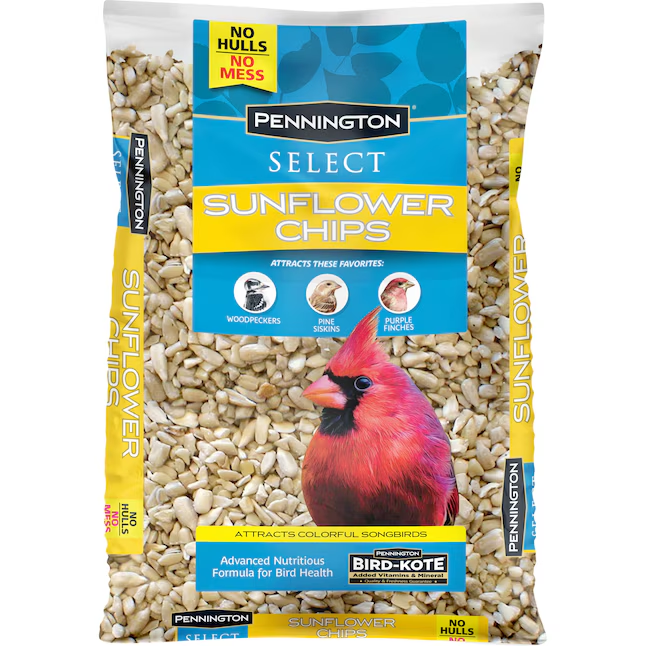
If your feeder leaves a crunchy ring of shells, sprouts, and mystery grains underneath, zero waste bird seed is the cleaner fix. It helps birds eat more of what you put out instead of kicking hulls and filler onto your patio, lawn, or balcony.
The big shift is simple: choose hulled seed, kernel pieces, or food blocks with little to no inedible shell. The Cornell Lab of Ornithology identifies sunflower seed as one of the most widely used feeder foods, and hulled sunflower removes the biggest mess problem. Here’s the quick answer first.
Quick Answer
Zero waste bird seed is usually hulled sunflower hearts or chips. Birds eat the kernel and leave fewer shells behind. No-waste blends can also work well.
Avoid cheap mixes with milo, wheat, or cracked corn.
What “zero waste bird seed” really means
Zero waste bird seed doesn’t mean absolutely nothing ever falls. Birds are messy eaters. Finches, chickadees, cardinals, and nuthatches still drop crumbs, especially around busy feeders.
What it really means is that the food is mostly edible. The shell, hull, or outer coat has already been removed. That’s why hulled sunflower hearts, sunflower chips, shelled peanuts, and hulled millet make less mess than standard wild bird seed.
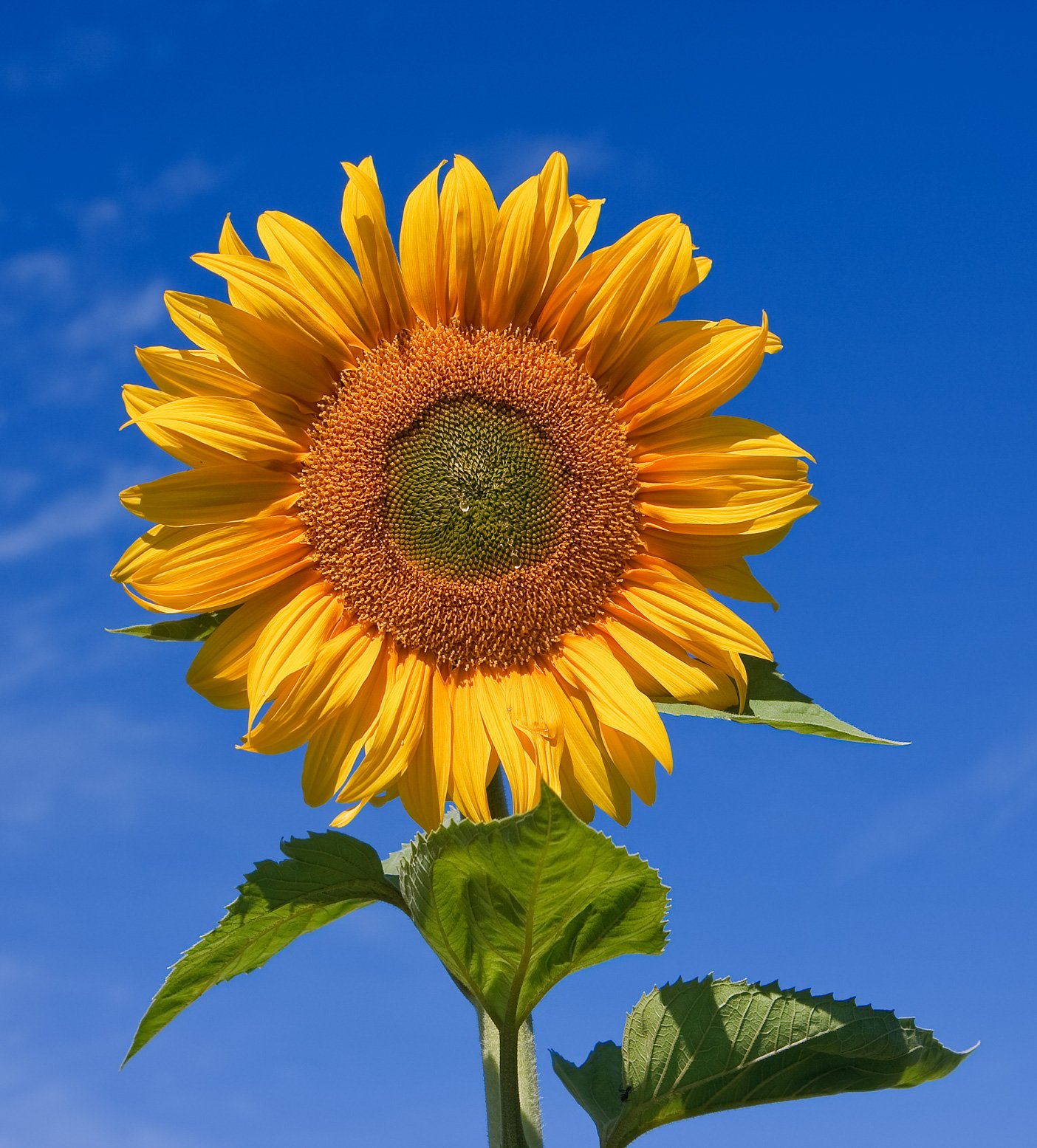
Image source: Web (Bing) / cleverlearn-hocthongminh.edu.vn (Web image (fair-use with source credit))
Think of it this way:
- Black oil sunflower seed has a shell birds must crack.
- Sunflower hearts are the edible inside part.
- Sunflower chips are broken hearts, often easier for smaller birds.
- No-waste blends mix several shell-free ingredients.
The tradeoff is price. Hulled seed usually costs more per pound. But you’re paying for edible food, not hulls that end up under the feeder.
As of 2026, most “no-mess” blends still need a close look. Some are excellent. Others contain low-value filler that birds may ignore.
The ingredient list tells you more than the front label.
Freshness matters too. Hulled seed is exposed to air once the shell is removed, so it can spoil faster than in-shell seed. Keep it dry, cool, and sealed between refills.
The main no-mess bird seed options compared
The best no-mess seed depends on the birds you want and the feeder you use. There isn’t one perfect food for every yard.
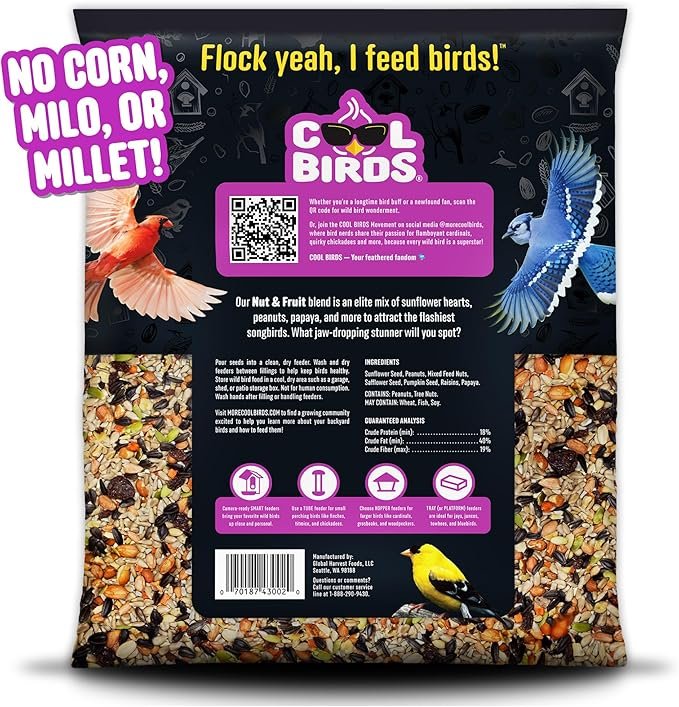
Image source: Bing (Web (fair-use with source credit))
Sunflower hearts and chips
Sunflower hearts are the safest “start here” choice for most backyard feeders. Cardinals, chickadees, titmice, nuthatches, finches, jays, and woodpeckers all use them.
Whole hearts work well in hopper feeders, tube feeders, and platform feeders. Fine chips suit smaller birds, but they can fall through wide mesh or clog damp feeders.
Hulled millet
Hulled millet is cleaner than regular millet because the outer hull is removed. It’s useful for ground-feeding birds and smaller species.
It’s not always the top choice for cardinals or woodpeckers. Use it as part of a blend, not usually as the main food.
Shelled peanuts and peanut pieces
Shelled peanuts are high-energy and popular with jays, woodpeckers, nuthatches, and chickadees. Use unsalted, unflavoured peanuts only.
Peanuts can spoil in warm, wet weather. Buy smaller amounts if your feeder traffic is light.
Nyjer seed
Nyjer is loved by goldfinches and siskins. It needs a proper nyjer feeder with tiny ports.
It’s low-mess, but not universal. Many larger birds ignore it.
Suet, pellets, and mealworms
Suet cakes and pellets are tidy when used in suet feeders. Mealworms help attract wrens, bluebirds, and robins where appropriate.
These are more like add-ons than direct seed replacements. They work best when matched to the birds in your area.
Zero waste bird seed comparison table: best uses, birds, mess level, and drawbacks
Use this table as a quick decision shortcut. It keeps the choice practical, not overwhelming.
| Option | Best for | Mess level | Watch out for |
|---|---|---|---|
| Sunflower hearts | Most mixed backyard birds | Very low | Can spoil faster than in-shell seed |
| Sunflower chips | Finches, chickadees, small birds | Very low | Fine chips may clog wet feeders |
| Hulled millet | Sparrows, doves, ground feeders | Low | Less attractive to some larger birds |
| Shelled peanuts | Jays, woodpeckers, nuthatches | Low | Squirrels love them too |
| Nyjer seed | Goldfinches and siskins | Low | Needs a nyjer feeder |
| Suet cakes | Woodpeckers, wrens, nuthatches | Very low | Can soften in heat |
| No-waste blend | General feeding | Low | Quality depends on ingredients |
For most people, sunflower hearts are the best baseline. They attract a wide range of birds and leave little visible debris.
If you mainly want finches, nyjer or fine sunflower chips make more sense. If you want woodpeckers, suet and peanut pieces deserve a place in the setup.
The weakest option is usually a cheap “wild bird mix” with lots of milo, wheat, oats, or cracked corn. Birds often rake through it for the better seeds. That’s when waste piles up fast.
Best zero waste bird seed by situation
Your best choice depends on where the feeder sits. A balcony has different needs from a large garden feeding station.
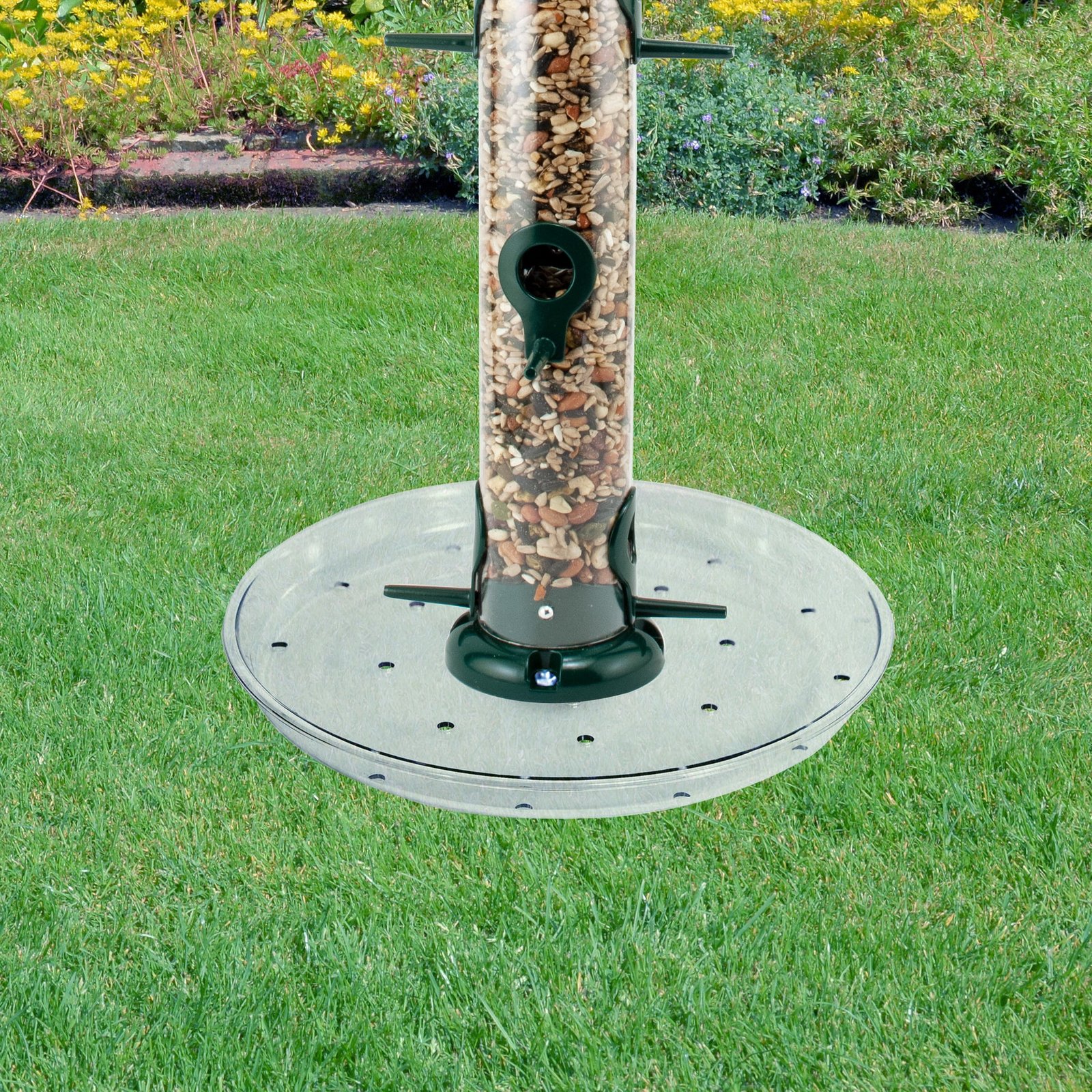
Image source: Bing (Web (fair-use with source credit))
Best for patios, decks, and balconies
Sunflower chips are usually the cleanest choice. They’re shell-free, easy to eat, and don’t leave black hulls stuck between deck boards.
Pair them with a tube feeder and a seed tray. The tray catches crumbs before they hit the ground. Don’t overfill the feeder if rain can reach it.
Best for cardinals, chickadees, titmice, and nuthatches
Use sunflower hearts or medium sunflower chips. Cardinals handle larger pieces well, while chickadees and nuthatches often carry pieces away.
A hopper feeder or platform feeder works nicely here. Add a tray if the feeder hangs over paving.
Best for finches
Nyjer seed works if goldfinches already visit your area. Fine sunflower chips can also attract house finches and goldfinches.
Nyjer dries out over time. If birds ignore it after a few weeks, replace it with fresh seed.
Best for wet or humid weather
Use smaller amounts and refill more often. Hulled seed has no protective shell, so it can turn stale or moldy faster.
The USGS National Wildlife Health Center advises removing wet or spoiled feed to reduce disease risk around wildlife feeding areas. Dry feeders matter as much as the seed itself.
Best if squirrels or rodents are a problem
No seed is fully squirrel-proof. Shelled peanuts and sunflower hearts are especially attractive to squirrels.
Use baffles, trays, and tidy feeding habits. Bring feeders in at night if rodents are active. Stop feeding for a short period if spilled food keeps disappearing overnight.
What to check before buying a no-waste bird seed blend
Start with the ingredient list, not the marketing label. A good no-waste blend should be mostly edible kernels, chips, nuts, or dried insects.
Look for ingredients like:
- Hulled sunflower seed
- Sunflower chips
- Shelled peanuts
- Hulled millet
- Dried mealworms
- Suet pellets
- Tree nuts clearly labelled for birds
Be cautious with blends that include:
- Milo
- Wheat
- Oats
- Large amounts of cracked corn
- Coloured pellets
- Vague “grain products”
Those ingredients aren’t automatically unsafe. They just tend to increase waste. Many backyard birds toss them aside while searching for sunflower or peanuts.
Check the bag size too. Bigger bags look cheaper, but hulled seed doesn’t store forever. If you feed only a few birds, a smaller fresh bag beats a bulk bag that turns stale.
The seed should smell clean and nutty. Avoid anything musty, sour, dusty, or clumped. If the bag has condensation inside, skip it.
Also match the blend to your feeder. Fine chips can pour too quickly through wide ports. Large peanut pieces can jam small tube feeders.
The right seed in the wrong feeder still makes a mess.
How to keep zero waste bird seed clean, fresh, and truly low-mess
Hulled seed needs better storage than in-shell seed. Once the shell is removed, the oily kernel has more contact with air, heat, and moisture. That’s why sunflower hearts can go stale faster than black oil sunflower seed.
Store seed in a sealed metal or heavy plastic container. Keep it in a cool, dry place, away from direct sun. A garage shelf can work if it stays dry and doesn’t bake in summer.
Use this simple routine:
- Fill feeders with 1 to 3 days of seed during wet weather.
- Shake tube feeders before refilling to break up clumps.
- Remove damp seed after heavy rain.
- Sweep or rake below feeders weekly.
- Wash feeders when you see droppings, mold, or sticky buildup.
A seed tray helps, but it isn’t a trash can. If the tray fills with damp crumbs, birds may stand in spoiled food. Empty it often, especially after storms.
If seed smells sour, musty, or like old cooking oil, throw it away. Don’t compost moldy bird seed where pets or wildlife can dig it up. Bag it and bin it.
Feeder placement matters too. Put feeders where fallen crumbs are easy to clean. Over paving, use a tray.
Over soil, move the feeder occasionally so waste doesn’t build up in one damp patch.
Frequently Asked Questions
Is zero waste bird seed really waste-free?
No, it’s not perfectly waste-free. It’s better described as low-waste or no-shell bird seed. Birds can still drop crumbs, especially when feeders are crowded.
The big difference is that most of the food is edible, so you don’t get the same pile of empty hulls underneath.
What is the cleanest bird seed for a patio?
Sunflower chips are usually the cleanest patio option. They have no shell, and small birds can eat them quickly. Use a tube feeder with a catch tray for the best result.
Avoid cheap mixed seed on patios, since birds often scatter unwanted grains across the surface.
Does no-waste bird seed attract rats?
It can attract rats if food reaches the ground and stays there overnight. No-waste seed reduces the problem, but it doesn’t remove it. Use trays, clean spills, and avoid overfilling feeders.
If you see rodent activity, stop feeding for a while and clean the area thoroughly.
Why are birds throwing no-mess seed out of the feeder?
Birds may be sorting for favourite pieces, or the blend may not suit them. Large peanut chunks, dusty chips, or stale seed can all get rejected. The feeder may also have ports that release seed too quickly.
Try a simpler sunflower heart mix and fill the feeder halfway.
Can zero waste bird seed sprout?
Hulled seed is much less likely to sprout because the outer seed structure has been removed. That’s one reason gardeners like it. Whole seeds in standard mixes can sprout under feeders, especially millet and sunflower.
If sprouting is your main problem, choose hulled sunflower or sunflower chips.
How often should bird feeders be cleaned?
Clean feeders every couple of weeks during normal use, and sooner if seed gets wet or birds look sick. Warm, damp weather calls for more frequent cleaning. Empty old food first, scrub the feeder, rinse well, and let it dry fully before adding fresh seed.
