If you’re wondering what can i feed birds outside, the safest answer is simple: offer foods that match a wild bird’s natural diet. Think seeds, nuts, suet, insects, fruit, nectar, and clean water. Skip bread, salty snacks, and anything moldy.
As of 2026, the standard hummingbird nectar mix recommended by major bird organizations is still 1 part plain white sugar to 4 parts water. That tiny detail matters, because outdoor bird feeding can help birds or harm them. It depends on what you put out and how clean you keep it.
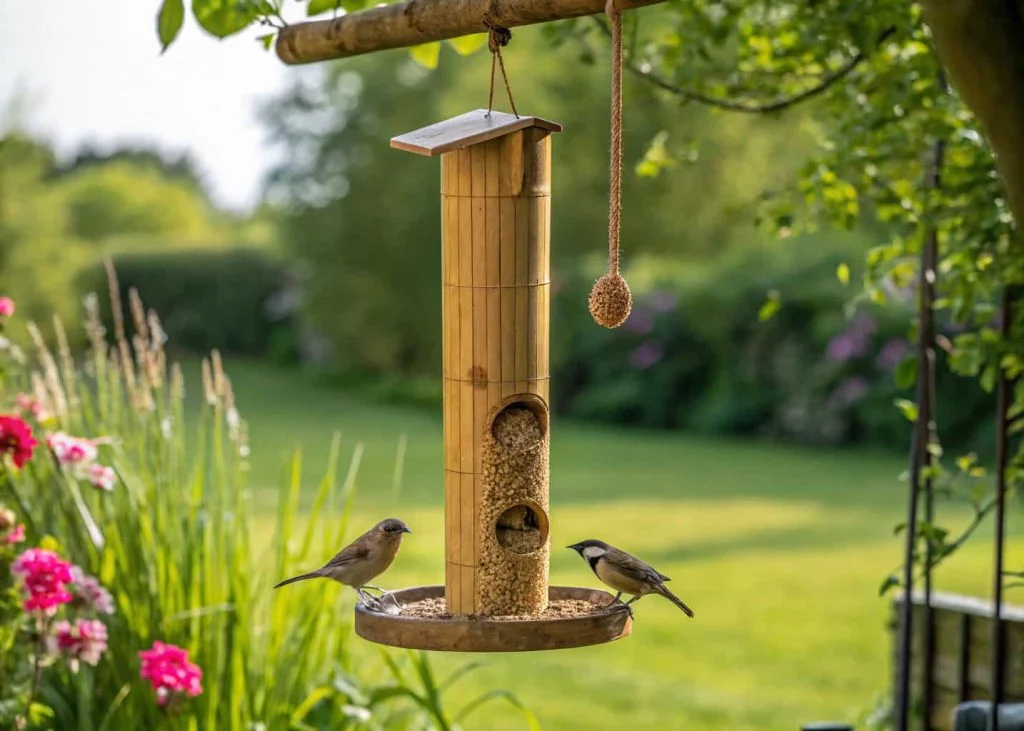
Image source: Bing (Web (fair-use with source credit))
Quick Answer
What can i feed birds outside safely? Offer sunflower seeds, nyjer seed, suet, peanuts, mealworms, fruit, and nectar. Use fresh food and clean feeders.
Avoid bread, salty foods, chocolate, avocado, spoiled scraps, and red-dyed nectar.
What Can I Feed Birds Outside? The Safe Quick Answer
Wild birds do best with foods that give them real energy. Black oil sunflower seeds are the safest all-round choice for many backyard birds. They’re high in fat, easy for small birds to crack, and useful in cold weather.
If you want a simple starter setup, use:
- Black oil sunflower seeds for cardinals, chickadees, titmice, finches, and nuthatches
- Suet for woodpeckers, wrens, chickadees, and other insect-eating birds
- Nyjer seed for goldfinches and siskins
- Unsalted peanuts for jays, woodpeckers, chickadees, and nuthatches
- Mealworms for bluebirds, robins, wrens, and other insect eaters
- Fresh fruit for orioles, robins, mockingbirds, and waxwings
- Sugar-water nectar for hummingbirds
The Cornell Lab of Ornithology is one of the best authorities on backyard bird feeding. Its guidance matches what experienced birders see in real yards: variety helps, but cleanliness matters just as much as food choice.
A good rule is easy to remember. If it’s salty, sugary in a processed way, seasoned, fried, moldy, or spoiled, don’t feed it to wild birds. Their bodies aren’t built for human snack food.
You also don’t need to feed every bird the same thing. A cardinal at a platform feeder and a hummingbird at a nectar feeder have completely different needs.
The Best Foods for Outdoor Birds by Type
The best outdoor bird food depends on which birds visit your yard. Seed eaters, fruit eaters, insect eaters, and nectar feeders all look for different food sources. A good feeding station often offers two or three food types, not one large bag of mixed seed.
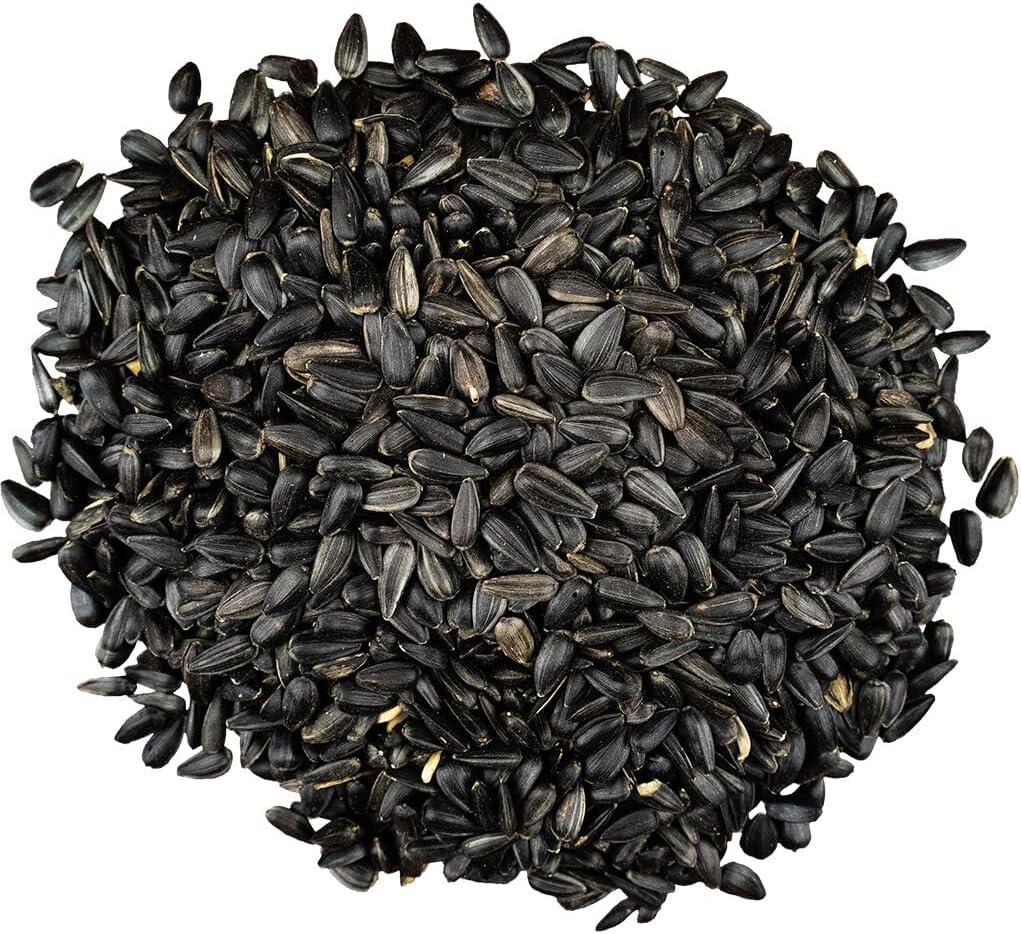
Image source: Bing (Web (fair-use with source credit))
| Food | Best for | Key safety note |
|---|---|---|
| Black oil sunflower seeds | Cardinals, chickadees, finches, nuthatches | Keep dry and fresh |
| Sunflower hearts | Many songbirds | Spoil faster than shelled seed |
| Nyjer seed | Goldfinches, siskins, redpolls | Use a nyjer feeder |
| Suet | Woodpeckers, wrens, chickadees | Remove if rancid or greasy |
| Mealworms | Bluebirds, robins, wrens | Offer dried or live in small amounts |
| Fruit | Orioles, robins, waxwings | Remove before it ferments |
| Nectar | Hummingbirds | Use sugar and water only |
Black Oil Sunflower Seeds and Sunflower Hearts
Black oil sunflower seeds are the backyard feeding workhorse. They have thin shells and plenty of fat, so many birds can use them well.
Sunflower hearts, also called sunflower chips, are shelled seeds. They’re cleaner because there are no hulls. They also spoil faster in wet weather, so offer smaller amounts.
Nyjer Seed for Finches
Nyjer seed is a tiny, oily seed that goldfinches love. It works best in a tube feeder with small ports or a mesh sock feeder.
Buy it in smaller amounts if feeder traffic is light. Old nyjer dries out, and birds may ignore it.
Safflower Seed and White Millet
Safflower seed often attracts cardinals, chickadees, and grosbeaks. Some people use it when squirrels are a problem, though results vary by yard.
White proso millet is useful for sparrows, juncos, doves, and other ground feeders. Offer it on a clean tray or low platform, not in a damp pile on bare soil.
Peanuts, Suet, and Mealworms
Peanuts should be unsalted and fresh. Peanut pieces are easier for smaller birds than whole peanuts.
Suet is a high-energy fat food, especially helpful in winter. Mealworms support insect-eating birds, especially during migration and nesting season.
Fruit and Bird-Safe Kitchen Foods
Good fruit options include orange halves, apple pieces, grapes cut in half, and berries. Remove leftovers before they rot.
Safe kitchen foods are limited. Plain oats, cooked plain rice, and small amounts of unsalted nuts can be okay. They shouldn’t replace proper bird food.
Sugar-Water Nectar for Hummingbirds
Use 1 part plain white sugar to 4 parts water. Don’t use honey, brown sugar, artificial sweeteners, or red dye.
Clean hummingbird feeders often. In hot weather, nectar can spoil fast.
What Not to Feed Birds Outside
Some foods look harmless but cause real problems for wild birds. Bread is the classic example. Birds may fill up on it, but it doesn’t give them the fat, protein, and nutrients they need.
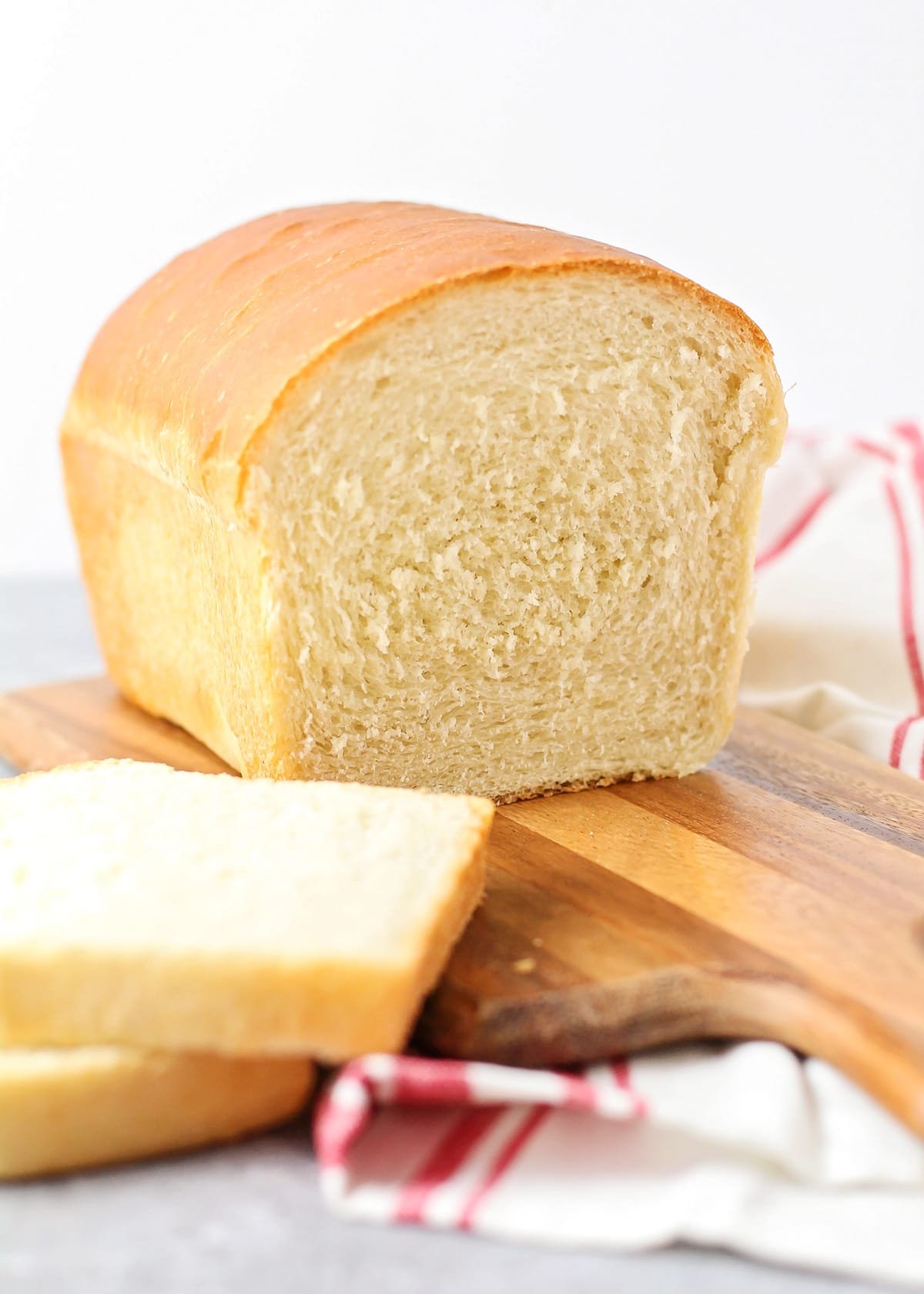
Image source: Web (Bing) / lilluna.com (Web image (fair-use with source credit))
Avoid feeding birds:
- Bread, crackers, chips, and pretzels
- Salted nuts or salted popcorn
- Chocolate
- Avocado
- Alcohol
- Caffeine
- Fried food
- Moldy seed or spoiled scraps
- Processed meats
- Sugary cereal or candy
- Honey in hummingbird feeders
- Red-dyed nectar
Bread is especially risky around ducks, geese, gulls, and pigeons because it draws crowds. Crowding increases droppings, aggression, and disease risk. It can also attract rats.
Mold is another big warning sign. Damp birdseed can grow fungi, and spoiled nectar can ferment. If food smells musty, clumps together, looks fuzzy, or has insects crawling through it, throw it out.
Don’t feed baby birds you find outside. Most young birds on the ground are fledglings, and their parents are usually nearby. If a bird is injured, cold, bleeding, or in clear danger, contact a licensed wildlife rehabilitator or your state wildlife agency.
The USDA Animal and Plant Health Inspection Service posts updates on avian influenza and other animal health concerns. If local officials advise pausing feeder use during an outbreak, follow that guidance.
How to Match Bird Food to the Birds in Your Yard
Matching food to birds is easier than it sounds. Watch how birds feed. Birds that cling to branches often like suet or sunflower.
Birds hopping on the ground often prefer millet or cracked corn.
Cardinals, Chickadees, Jays, and Woodpeckers
Cardinals like black oil sunflower seeds, sunflower hearts, and safflower. They prefer sturdy feeders with room to perch, such as hopper or platform feeders.
Chickadees and nuthatches grab sunflower seeds and peanuts, then fly off to eat. Jays like peanuts, but offer them in moderation so they don’t dominate the feeder.
Woodpeckers love suet, peanuts, and sunflower hearts. A suet cage on a tree trunk or pole works well.
Finches, Sparrows, Doves, and Ground Feeders
Goldfinches go for nyjer seed and sunflower chips. House finches also eat sunflower seeds readily.
Sparrows, juncos, and doves often feed low. White millet on a clean tray suits them better than seed scattered into wet grass.
Robins, Orioles, Bluebirds, and Fruit Eaters
Robins don’t usually care much about seed. They prefer worms, insects, berries, and fruit.
Orioles may visit orange halves, grape jelly in tiny amounts, and nectar feeders. Bluebirds often take mealworms, especially when insects are scarce.
Hummingbirds
Hummingbirds need nectar, not seed. Use the 1:4 sugar-water mix and keep the feeder clean.
Place nectar feeders in light shade if possible. That slows spoilage and helps reduce overheating.
Safe Outdoor Bird Feeding: Feeders, Placement, and Cleanliness
The safest feeder is one you can clean easily. Feeders with drainage, smooth surfaces, and removable parts are better than decorative feeders that trap wet seed. Wet food and droppings are the main disease risks.
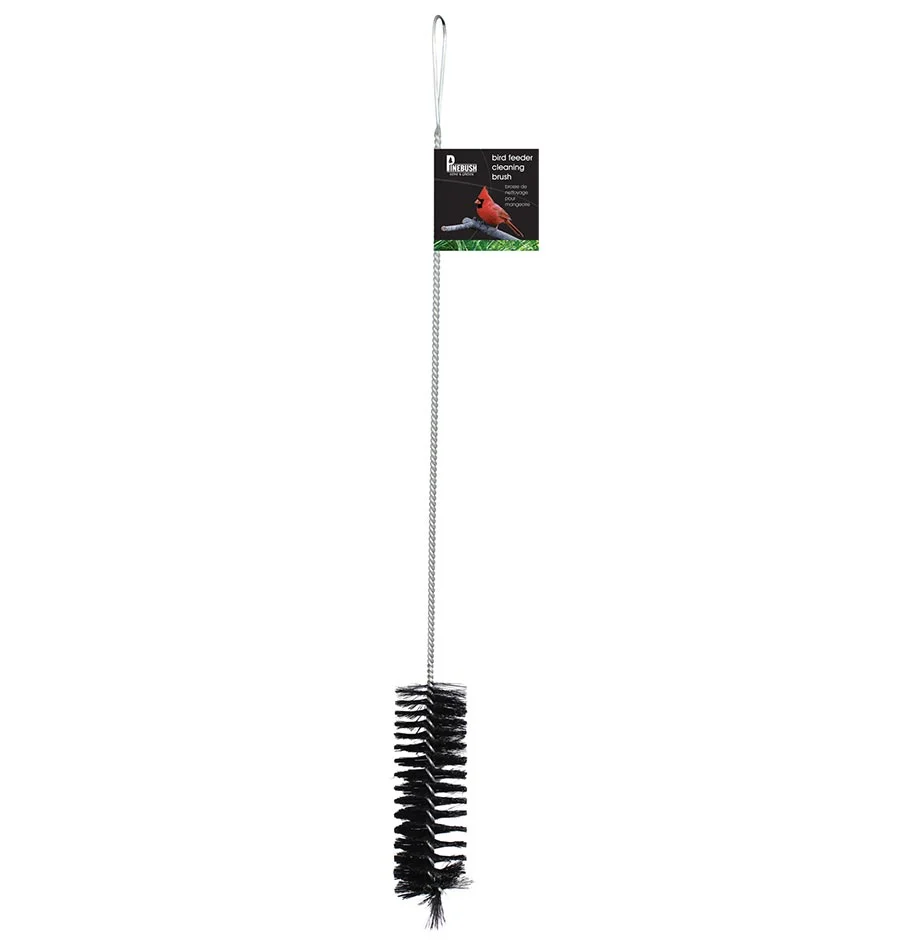
Image source: Bing (Web (fair-use with source credit))
Clean seed feeders about every 1 to 2 weeks in normal weather. Clean more often during rain, heat, heavy traffic, or any sign of sick birds. Hummingbird feeders need attention every 2 to 3 days in warm weather.
Use this basic routine:
- Empty old seed or nectar.
- Scrub the feeder with hot water.
- Disinfect if birds look sick or buildup is heavy.
- Rinse very well.
- Let everything dry fully before refilling.
Feeder placement matters too. Keep feeders away from places where cats can hide. Shrubs nearby are useful, but dense cover right under a feeder can make ambushes easier.
For windows, place feeders either very close to the glass, around 3 feet, or much farther away, around 30 feet or more. Close feeders reduce high-speed impact. Far feeders give birds more room to react.
Store seed in a cool, dry, sealed container. Metal bins or heavy-duty lidded containers help keep out rodents. If you see rats, raccoons, or bears visiting, stop feeding and fix the access problem before restarting.
Seasonal Feeding Tips: Winter, Summer, Migration, and Nesting Season
Birds need different support as the year changes. If the ground is frozen or covered in snow, high-fat foods help most. Sunflower seeds, suet, and unsalted peanuts are strong winter choices.
In summer, food spoils faster. Offer smaller amounts, clean feeders more often, and move suet into shade. If suet turns soft, sour, or greasy, remove it.
Migration seasons can bring birds you don’t usually see. Spring and fall are good times to offer mealworms, fruit, sunflower hearts, and clean water. A shallow bird bath can be just as useful as a feeder during dry spells.
During nesting season, avoid large hard foods that could be risky for young birds. Peanut pieces should be small, and whole peanuts are best kept in mesh feeders. Don’t put out pet hair, dryer lint, or string for nests.
| Season | Best choices | Watch for |
|---|---|---|
| Winter | Sunflower, suet, peanuts | Frozen water and buried feeders |
| Spring | Mealworms, fruit, sunflower hearts | Nesting birds and fledglings |
| Summer | Nectar, fruit, small seed amounts | Spoilage, ants, bees, mold |
| Fall | Sunflower, suet, water | Migration and changing species |
Clean water matters all year. In freezing weather, use a safe heated bird bath if local conditions call for it. In hot weather, refresh water daily.
When to Stop Feeding Birds or Change What You Offer
Stop feeding right away if you see sick birds. Warning signs include swollen eyes, crusty faces, sitting still for long periods, poor balance, or birds that don’t fly away when approached. Remove feeders, throw out leftover food, and clean everything thoroughly.
If dead birds appear near your feeder, contact your state wildlife agency or local wildlife rehabilitator. Don’t handle dead wild birds with bare hands. Use gloves or a bag if local authorities ask you to collect or dispose of one.
You should also pause feeding if pests take over. Rats, raccoons, and bears can turn a bird feeder into a bigger safety problem. In bear country, many wildlife agencies recommend feeding only during colder months, or not at all.
Change the food if birds ignore it. Nyjer seed may be stale, sunflower hearts may be wet, or a cheap seed mix may contain filler seeds birds leave behind. If you see piles of uneaten red millet or cracked corn, switch to a cleaner blend.
Stop ground feeding during wet stretches. Damp seed on soil grows mold quickly and mixes with droppings. Use a tray feeder you can scrub, or wait until conditions dry out.
If window strikes increase, move feeders closer than 3 feet or farther than 30 feet from glass. Add window markings if collisions continue. Feeding birds should never create a trap.
Frequently Asked Questions
Can birds eat bread outside?
Birds can eat small bits of bread, but it’s a poor food and not worth offering. Bread fills birds up without giving enough nutrition. Around ducks, geese, and pigeons, it also encourages crowding and dirty feeding areas.
Use seed, oats, fruit, or greens instead.
Can I feed birds kitchen scraps?
You can offer a few plain kitchen foods, but keep it limited. Safe options include plain oats, cooked plain rice, apple pieces, berries, and unsalted nuts. Avoid anything salty, seasoned, fried, buttery, sugary, moldy, or spoiled.
When in doubt, leave it out.
What is the best food for birds in winter?
Black oil sunflower seeds are the best all-round winter food for many backyard birds. Suet and unsalted peanuts are also excellent because they’re rich in fat. Keep feeders full during storms if you feed regularly.
Birds burn more energy staying warm in freezing weather.
Should I feed birds all year?
You can feed birds year-round if you keep feeders clean and manage pests. Many birds also rely on natural foods, so feeders should be a supplement. Native plants, seed heads, berries, insects, and clean water support birds with less disease risk.
What should I do if a sick bird visits my feeder?
Take feeders down for at least several days, and clean them before putting them back. Throw away exposed seed. Rake or clean the ground below the feeder if droppings and hulls have built up.
If several birds look sick, contact local wildlife officials.

One thought on “What Can I Feed Birds Outside? Safe Foods to Offer”