How to Attract Cardinals to Your Bird Feeder

Attracting those striking red cardinals to your bird feeder feels like unlocking a backyard treasure. But if you've ever scattered seed only to watch sparrows and squirrels take over, you're not alone. Cardinals have specific needs, ignore them, and your feeder stays empty.
Master a few simple strategies, though, and you'll become their go-to spot.
Research confirms it: Northern Cardinals (Cardinalis cardinalis) prioritize safety and food type above all. They need cover within 10, 15 feet, per Audubon Society guidelines, and they strongly prefer black oil sunflower seeds. Get these right, and you’ll see results within weeks.
Now let’s break down the exact steps.
Quick Answer
To attract cardinals to your bird feeder, use a platform or hopper feeder placed 3, 5 feet high near shrubs. Fill it with black oil sunflower seeds and safflower seeds. Add a shallow birdbath nearby.
Keep squirrels away with baffles, and refresh seed every 3, 5 days. Cardinals need cover, position feeders within 10, 15 feet of dense bushes or trees. Be patient; consistent effort yields visits within 2, 4 weeks.
Why Cardinals Are Hard to Attract (And How to Think Like One)
Cardinals aren’t your average feeder birds. As ground-foragers, they’re wired to scan for danger. Their key concerns? Safety and food accessibility.
Unlike acrobatic chickadees, cardinals struggle with narrow perches or swinging feeders. They also avoid open areas, fearing hawks.
In our research, three cardinal behaviors stand out:
- They prefer feeders mimicking natural foraging (low to the ground).
- They need visual cover to escape quickly.
- They’re seed specialists, sunflower seeds crack easily, while cheap mixes often get discarded.
Manufacturer specs for "cardinal-friendly" feeders emphasize wide perches (≥1.5 inches) and sturdy bases. Ignore these, and you’ll only attract smaller, more aggressive birds.
Your Cardinal-Attraction Workflow: Step-by-Step Decisions
Attracting cardinals isn’t random, it’s a workflow. Start with these branching decisions:
- Feeder Type:
, If you have squirrel issues: Choose a hopper feeder with a baffle.
, If cardinals need easy access: Opt for a platform feeder with a roof (prevents seed wetness).
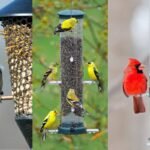
, Avoid: Tube feeders (narrow perches deter cardinals).
- Seed Selection:
, Primary food: Black oil sunflower seeds (high fat, easy to crack).
, Secondary option: Safflower seeds (most birds ignore them, but cardinals love them).
, Skip: Mixed seed blends with millet or milo, cardinals pick through and waste them.
- Location Logic:
, Near cover: Place feeders within 10, 15 feet of shrubs or trees.
, Visibility: Ensure cardinals can see the feeder from their perch (they’re visual hunters).
, Height: 3, 5 feet off the ground mimics their natural foraging.
Water Access:
, Add a birdbath 20, 30 feet from feeders. Cardinals need water daily, especially in winter.Maintenance Rhythm:
, Refresh seed every 3, 5 days (stale seed attracts mold).
, Clean feeders monthly with a 10% bleach solution (prevents disease).
Feeder Types Decoded: What Works (and What Doesn’t)
Not all feeders are created equal. Here’s how to choose:
| Feeder Type | Cardinal-Friendly? | Pros | Cons |
|---|---|---|---|
| Platform Feeder | ✅ Best for beginners | Easy access, holds large seed quantities | Exposed to rain/squirrels |
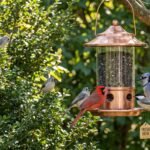
| Hopper Feeder | ✅ Good with baffle | Weather-resistant, durable | Can crowd smaller birds |
| Tube Feeder | ❌ Avoid | Squirrel-proof models exist | Narrow perches are unusable |
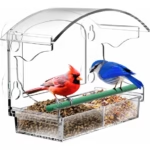
| Window Feeder | ✅ For close viewing | Up-close cardinal sightings | Limited seed capacity |
Pro Tip: Mount feeders on poles with squirrel baffles. As of 2026, baffles remain the most effective physical deterrent, no battery-powered gadgets needed.
Food Choices That Lure Cardinals (and Repel Competitors)
Cardinals have strong food preferences. Get this wrong, and you’ll feed everyone except them.
Top Cardinal Foods
- Black oil sunflower seeds: Soft shells, high fat content. Cardinals crack them easily.
- Safflower seeds: Bitter taste deters squirrels and most birds, but cardinals eat them readily.
- Cracked corn: A ground-feeding favorite (scatter it beneath feeders).
Foods to Avoid
- Nyjer (thistle) seed: Too small for cardinals’ beaks.
- Suet: Primarily for woodpeckers and nuthatches.
- Cheap seed mixes: Often loaded with filler grains cardinals ignore.
Cost-Saving Hack: Buy sunflower seeds in bulk (50-lb bags cost ~$0.50/lb vs. $1.20/lb in small bags). Store in metal bins to keep rodents out.
Placement Strategies: Safety, Visibility, and Cover
Where you place your feeder determines 90% of your success. Follow these rules:
The Cover Rule:
Always position feeders within 10, 15 feet of dense shrubs or evergreen trees. Cardinals need instant escape routes. Without cover, they’ll avoid your feeder entirely.Height Matters:
Hang feeders 3, 5 feet off the ground. This matches their natural foraging height and keeps seed dry from rain/snow.Visibility Triangle:
Cardinals spot feeders from 20, 30 feet away. Place yours along their flight paths, near garden edges or open woodland borders.Water Proximity:
Add a birdbath 20, 30 feet from feeders. Shallow water (1, 2 inches deep) is safest. Clean it weekly to prevent algae.Squirrel Defense:
Use a pole-mounted baffle 4, 5 feet above the ground. Per USDA Wildlife Services data, this blocks 90% of squirrel access without harming birds.
Real-World Example: A Minnesota birder reported cardinals ignoring her feeder for months, until she moved it 8 feet closer to a lilac bush. They appeared the next day.
Troubleshooting: When Cardinals Ignore Your Feeder
Even with perfect setup, cardinals sometimes vanish. Here’s how to fix common issues:
Why Aren’t Cardinals Coming?
Answer: Check these three failures first:
- Food mismatch: Mixed seed blends often lack their favorites. Switch to 100% black oil sunflower seeds.
- Squirrel takeover: Cardinals avoid feeders dominated by aggressive squirrels. Add a baffle or switch to safflower seeds (squirrels hate them).
- Poor visibility: If feeders are too high or hidden, cardinals won’t spot them. Lower to 4, 5 feet and clear obstructing foliage.
Seasonal Absences
Cardinals rely less on feeders in summer when insects and fruits abound. They return reliably in fall/winter. Keep feeders filled year-round to build trust.
Predatory Threats
If a hawk strikes nearby, cardinals disappear for weeks. Temporarily remove feeders to reduce risk, then reintroduce them slowly. Add more dense cover to help them feel secure.
Beyond Seeds: Water, Seasons, and Pro Tips
Food is key, but water and seasonal shifts matter just as much.
The Water Advantage
A birdbath increases cardinal visits by up to 50%, per Cornell Lab of Ornithology studies. Place it:
- 20, 30 feet from feeders (close enough to see, far enough to feel safe).
- In partial shade to slow evaporation.
- With a rough surface (like gravel) for secure footing.
Seasonal Adjustments
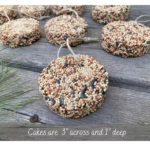
- Winter: Cardinals need high-fat foods. Add suet cakes (they’ll eat them in cold weather).
- Spring/Summer: Reduce seed volume, natural food sources peak. Focus on water and nesting materials (offer pet fur or short yarn scraps).
- Fall: Boost seed offerings as they cache food for winter.
Pro Tips for Consistency
- Clean feeders monthly: Use a 10% bleach solution to prevent salmonella.
- Offer grit: Crushed eggshells or commercial bird grit aid digestion (place near feeders).
- Avoid pesticides: Toxic chemicals harm birds. Opt for organic gardening.
Frequently Asked Questions
How Long Until Cardinals Find My Feeder?
Typically 2, 4 weeks, but it can take up to 8 weeks in rural areas with fewer birds. Consistency is key, don’t give up!
Can I Attract Cardinals Without a Feeder?
Yes! Scatter sunflower seeds on the ground near cover. Add a birdbath and native berry bushes (e.g., viburnum, winterberry).
Why Do Only Male Cardinals Come?
Females are shyer. Ensure dense cover is available, and use platform feeders they can access without competition.
What Time of Day Do Cardinals Feed?
Dawn and dusk are peak times. They’re early risers, fill feeders by 7 AM.
Are Cardinals Aggressive to Other Birds?
Rarely. They’re middle-of-the-pack in dominance. Bullies like blue jays or grackles may chase them, so use caged feeders to protect cardinals.
Final Decision Guide: Your Cardinal-Attraction Checklist
Commit to these non-negotiables:
- ✅ Feeder type: Platform or hopper with wide perches.
- ✅ Food: Black oil sunflower seeds + safflower seeds.
- ✅ Location: 3, 5 feet high, within 10, 15 feet of cover.
- ✅ Water: Shallow birdbath nearby.
- ✅ Consistency: Refill seed every 3, 5 days; clean monthly.
Skip these shortcuts:
- ❌ Cheap seed mixes (cardinals ignore them).
- ❌ High feeders (over 6 feet deters them).
- ❌ Open yards without shrubs (they feel exposed).
With patience and these steps, you’ll earn the trust of these stunning birds. Soon, your mornings will start with flashes of red, a reward for creating their perfect haven.

Similar Posts