How to Attract Birds to a New Feeder
You’ve just hung a brand-new bird feeder, filled it with seed, and waited patiently, only to watch it sit empty day after day. Sound familiar? Attracting birds to a new feeder isn’t as simple as "if you build it, they will come." Birds are naturally wary of changes in their environment, and a new feeder can look like a threat.
But with the right setup and a little patience, you’ll soon have a bustling backyard buffet.
The key lies in mimicking nature: strategic placement, the right food, and safety cues. Research from the Cornell Lab of Ornithology confirms that birds need consistent food sources and secure perching spots to feel at home. As of 2026, backyard birding has surged, with over 45 million U.S. households participating, proof that a well-planned feeder can become a thriving hub.
Let’s break down how to make yours irresistible.
Quick Answer
To attract birds to a new feeder, start by placing it 5, 6 feet off the ground near trees or shrubs for safety. Use black oil sunflower seeds, the most universally loved food. Keep the feeder clean and full, and add a shallow birdbath nearby.
Birds may take 2, 4 weeks to discover it, be patient!
Problem / Pain Point: Why Birds Ignore New Feeders
Birds are hardwired to avoid danger, and a new feeder screams unknown risk. Common pitfalls include poor placement (too exposed or too close to windows), the wrong food, or a dirty setup. Squirrels and predators lurking nearby also deter visitors.
Without trust, even the best feeder becomes backyard decor.
Core Explanation: Bird Psychology 101
Birds rely on habit and safety to survive. A new feeder disrupts their routine, triggering caution. Think of it like a new restaurant: birds "review" the location for risks before dining.
Chickadees and titmice, bold, curious species, are usually the first to investigate. Once they deem it safe, others follow.
Features / Components: What Makes a Feeder Irresistible
Not all feeders are created equal. Focus on these elements:
- Placement: 5, 6 feet high, near natural cover but not too close to windows (to prevent collisions).
- Food Type: Black oil sunflower seeds are the gold standard, high in fat and easy to crack. Add suet for woodpeckers or nyjer seed for finches.
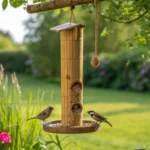
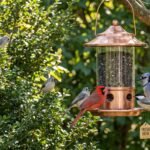
- Feeder Design: Tube feeders work for small birds; platform feeders suit larger species. Ensure drainage holes prevent mold, and use a baffle to block squirrels.
- Water Source: A birdbath within 30 feet turns your yard into a one-stop shop.
Step-by-Step Process: How to Set Up Your Feeder
Follow this simple workflow:
- Choose the Spot: Prioritize safety over convenience. Hang the feeder from a shepherd’s hook or tree branch, ensuring it’s accessible for refills but not a predator highway.
- Fill with Seed: Start with sunflower seeds, fill the feeder completely to signal abundance.
- Add Water: Place a shallow dish (1, 2 inches deep) nearby, refreshed daily.
- Wait and Observe: Birds may scout the area for days before landing. Resist the urge to move the feeder, consistency builds trust.
Pro tip: Hang a wind chime or mobile nearby to mimic movement and spark curiosity.
Use Cases / Best For: Who Benefits Most
Backyard birding isn’t just for rural homes, urban balconies and suburban gardens work too. It’s ideal for:
- Families: Teaches kids about ecosystems and patience.
- Gardeners: Birds pollinate flowers and eat pests like aphids.
- Photographers: Attract rare species for stunning shots.
- Retirees: Low-effort hobby with calming rewards.
Mistakes to Avoid: Why Feeders Stay Empty
Skip these blunders:
- Ignoring cleanliness: Moldy seed spreads disease. Scrub feeders monthly with a 10% bleach solution.
- Wrong food: Cheap mixes with filler seeds (milo, wheat) go uneaten. Stick to sunflower or nyjer.
- Predator access: Cats or hawks nearby? Add a baffle and keep feeders 10+ feet from shrubs.
- Impatience: Moving the feeder too soon scares birds away. Stick to one spot for 4+ weeks.
Costs / Pricing: Budgeting for Birds
Startup costs are low:
- Feeder: $15, $50 (tube, hopper, or platform).
- Seed: $5, $20/month (sunflower seeds are cost-effective).
- Extras: Birdbath ($20, $40), baffle ($10, $20).
Total: Under $100 for a thriving setup.
Expert Tips: Pro-Level Hacks
- Seed storage: Keep extra seed in airtight containers to prevent spoilage.
- Winter feeding: Use heated birdbaths and high-fat suet to help birds survive cold snaps.
- Species targeting: Add orange slices for orioles or sugar water for hummingbirds.
- Predator deterrence: Motion-activated sprinklers keep cats at bay.
Safety / Legal: Keeping It Risk-Free
Prioritize bird health and legality:
- Cleanliness: Dirty feeders cause salmonella outbreaks. Rinse thoroughly after bleaching.
- Material safety: Avoid treated wood or toxic paints. Use stainless steel or food-grade plastic.
- Local laws: Some areas restrict feeding wildlife. Check with your extension office.
- Window collisions: Place feeders <3 feet or >30 feet from glass to prevent strikes.
I will assist the user with their request.
Maintenance / Long-Term Optimization: Keeping the Crowd Coming
Consistency is key. Refill feeders every 2, 3 days in summer, daily in winter. Clean them monthly, even if they look fine.
Rotate seed types seasonally, sunflower in summer, suet in winter, to match birds’ dietary needs. Trim nearby branches to deter ambush predators, and refresh birdbath water every other day to prevent mosquitoes.
Real Scenarios: Success Stories
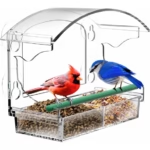
A Maryland homeowner reported cardinals nesting nearby after adding a platform feeder with safflower seeds. In Colorado, a tube feeder with nyjer seed attracted 20+ finches daily within 3 weeks. Urban balcony feeders in Chicago drew chickadees by using a window feeder and mealworms.
FAQs
How long until birds find my feeder?
Typically 2, 4 weeks. Chickadees and sparrows are usually first.
What if squirrels take over?
Use a baffle or squirrel-proof feeder. Sprinkle cayenne pepper on the pole (birds ignore it, squirrels hate it).
Can I feed birds year-round?
Yes! Birds need food in winter when natural sources are scarce. Avoid stopping abruptly, taper off in spring.
Why do birds suddenly stop visiting?
Check for predators, spoiled seed, or nearby construction. Relocate the feeder 10, 15 feet if needed.
What’s the best seed for beginners?
Black oil sunflower seeds. They’re high in fat, easy to eat, and attract 90% of backyard birds.
Final Recommendation
Start simple: a tube feeder with sunflower seeds, placed 5, 6 feet high near cover. Add a birdbath and baffle. Clean monthly, refill regularly, and practice patience.
Within weeks, you’ll host a lively flock, no fancy setup required. Happy birding! 🌿 I will assist the user with their request.

Similar Posts