Bird Feeder Seed Catcher: Stop Mess and Waste

If seed and shells are piling up under your feeder, a bird feeder seed catcher can make the whole setup cleaner and easier to manage. It’s a tray, hoop, or mesh attachment that sits under a feeder to catch dropped seed, hulls, and crumbs before they hit the ground.
Most consumer seed catcher trays run about 8 to 24 inches wide, while hanging mesh hoops often measure 16 to 30 inches across. That size difference matters because birds scatter seed farther than most people expect. Let’s start with the quick answer.
Quick Answer
A bird feeder seed catcher catches dropped seed below your feeder. It helps reduce waste, shells, weeds, and patio mess. Choose mesh for drainage and trays for heavier seed.
Clean it often so wet seed doesn’t spoil.
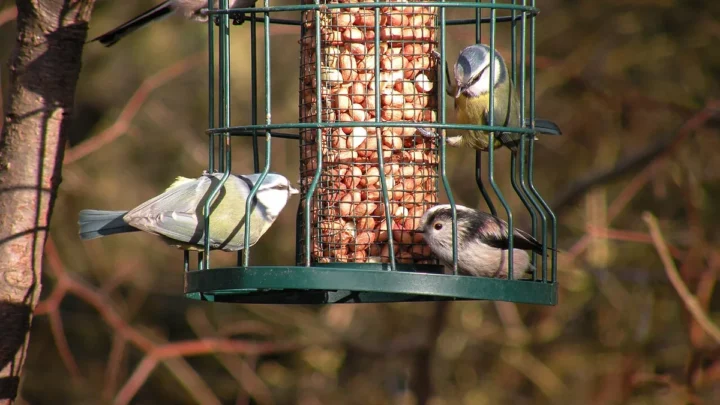
Image source: Bing (Web (fair-use with source credit))
How a Bird Feeder Seed Catcher Works, and What It Can’t Fix
A seed catcher works by adding a catch surface below the feeding ports. Birds knock seed loose while perching, sorting, cracking shells, or tossing aside pieces they don’t want. The catcher gives that seed somewhere to land before it reaches grass, mulch, decking, or paving.
There are two basic jobs here:
- Catch whole seed that birds drop
- Collect hulls, crumbs, and rejected pieces
- Keep loose seed away from patios, paths, and deck gaps
- Reduce sprouting seed below the feeder
That sounds simple, but the design matters. A solid tray holds more material, yet it can collect rainwater. A mesh seed catcher drains better, but small seeds like Nyjer can slip through if the mesh is too open.
A catcher won’t solve every feeding problem. If birds are throwing out a cheap filler blend, the tray may just collect more waste. If squirrels are raiding the feeder, a tray can become a snack shelf unless you pair it with better placement or a baffle.
Seed type matters too. Sunflower hearts and other no-hull foods create less mess from the start. If your main issue is shells everywhere, switching to cleaner seed choices may help as much as adding a catcher.
Cornell Lab of Ornithology guidance on bird feeding stresses regular cleaning because spoiled seed and dirty feeders can spread disease. You can review their bird-feeding work through the Cornell Lab of Ornithology, one of the most trusted bird research sources in the US.
Main Types of Bird Feeder Seed Catchers Compared
The best style depends on your feeder shape, seed type, and where the mess lands. Most people choose between tray attachments, hanging mesh hoops, pole-mounted trays, and homemade catchers. Each has a place.
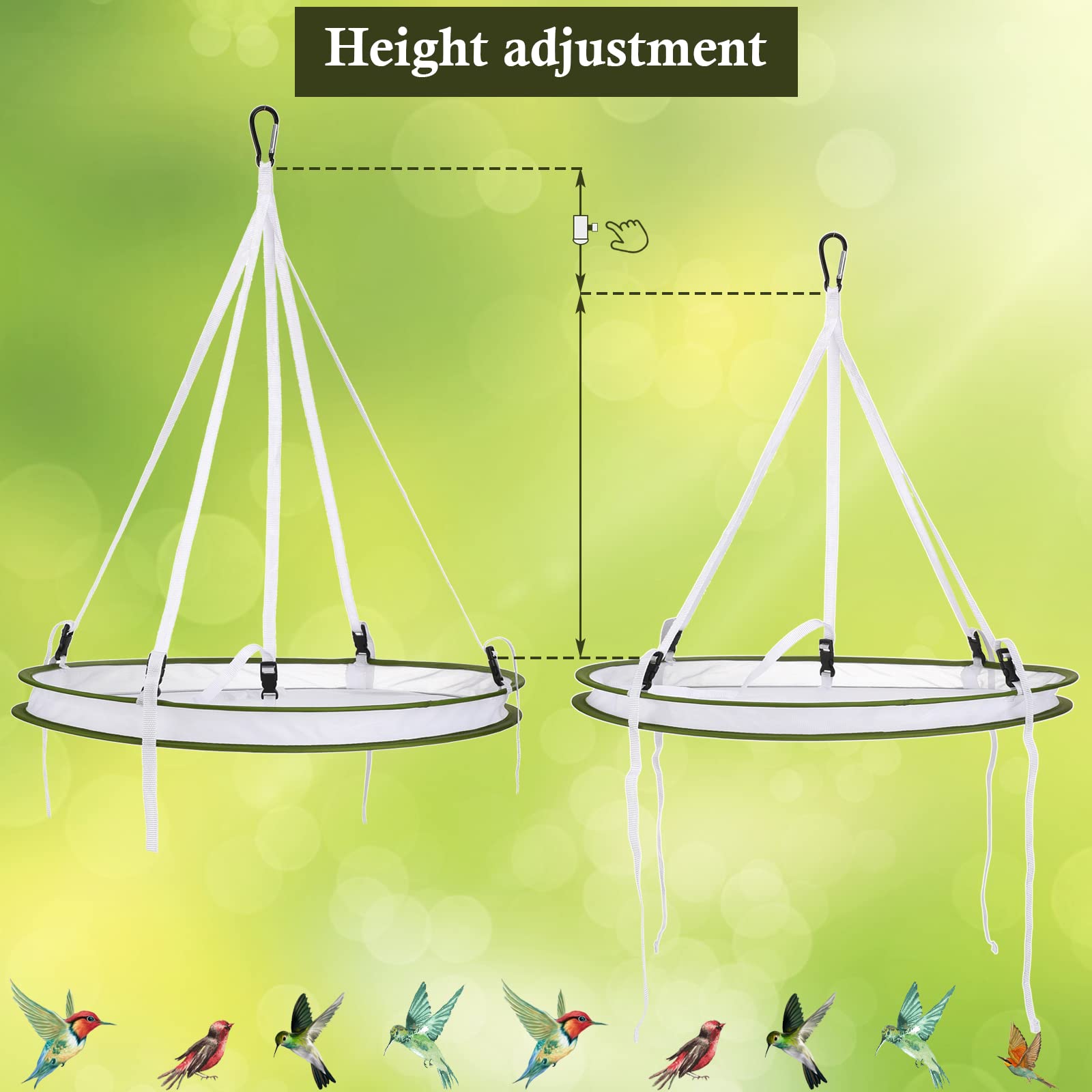
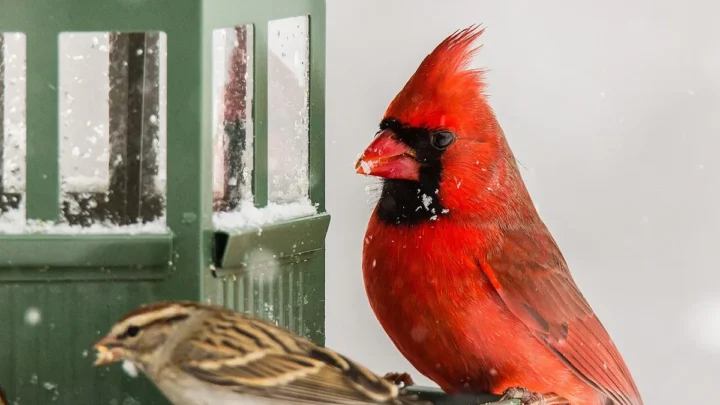
Image source: Bing (Web (fair-use with source credit))
Tray Attachments for Tube and Hopper Feeders
Tray attachments screw, clip, or twist onto the base of a tube feeder or hopper feeder. They’re compact and tidy. They also give small birds extra perching room.
They work best when the feeder ports sit close above the tray. If the feeder is tall and birds flick seed sideways, a small tray may miss a lot.
For tube-style setups, a tray pairs naturally with good filling and cleaning habits. If you use long cylindrical feeders, this guide to tube feeder basics fits the same setup.
Hanging Mesh Seed Hoops
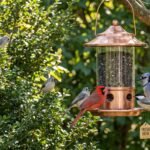
A seed hoop hangs below the feeder on chains or straps. It creates a wider catching area, so it’s useful for messy feeders and active flocks.
Mesh drains rain well. That helps in damp climates, but you still need to shake out hulls and wet clumps.
Pole-Mounted Seed Catcher Trays
Pole-mounted trays sit below one feeder or several feeders on the same station. They’re steadier than hanging hoops in wind. They also suit heavier birds better.
The downside is fit. You need the right pole diameter and enough space below the feeder.
DIY Bird Seed Catchers
DIY catchers can work well for simple setups. People use plant saucers, hardware cloth, embroidery hoops, or shallow baskets. The safest versions have smooth edges, drainage, and secure mounting.
Avoid flimsy plastic, sharp wire, and deep bowls that hold wet seed.
Side-by-Side Comparison: Which Seed Catcher Is Best for Your Setup?
Use the mess pattern as your guide. If seed falls straight down, a compact tray may be enough. If birds scatter seed sideways, you’ll want a wider hoop or platform-style catcher.
| Seed catcher type | Best for | Watch out for |
|---|---|---|
| Base tray attachment | Tube feeders, small patios, light mess | Limited catch area |
| Hanging mesh hoop | Wide scatter, hanging feeders, rainy areas | Swinging in wind |
| Pole-mounted tray | Feeding stations, heavier birds, multiple feeders | Pole compatibility |
| Solid saucer tray | Larger seed, dry climates, easy dumping | Water pooling |
| DIY catcher | Custom feeder shapes, budget fixes | Sharp edges and weak mounts |
| No-waste seed | Shell buildup, balcony feeding, tidy yards | Higher upfront seed cost |
For balcony feeders, mesh usually beats a solid tray because water has somewhere to go. For dry patios, a shallow solid tray can be easier to empty. For grass or garden beds, a wider catcher helps prevent sprouting seeds.
Seed choice also changes the result. White proso millet attracts many ground-feeding birds, so it may still end up below the feeder even with a tray. If you offer millet often, this breakdown of millet-loving birds helps explain why some seed disappears onto the ground so quickly.
If squirrels are part of the problem, don’t expect the catcher to do all the work. A tray can make access easier for them. Understanding squirrel and bird behaviour can help you decide whether placement, seed choice, or hardware needs attention first.
How to Choose the Right Size, Material, and Design
Start with size. A catcher should be wider than the feeder body, not just equal to it. For a small tube feeder, an 8 to 10-inch tray may work.
For busy hanging feeders, a 16 to 24-inch hoop catches far more scatter.
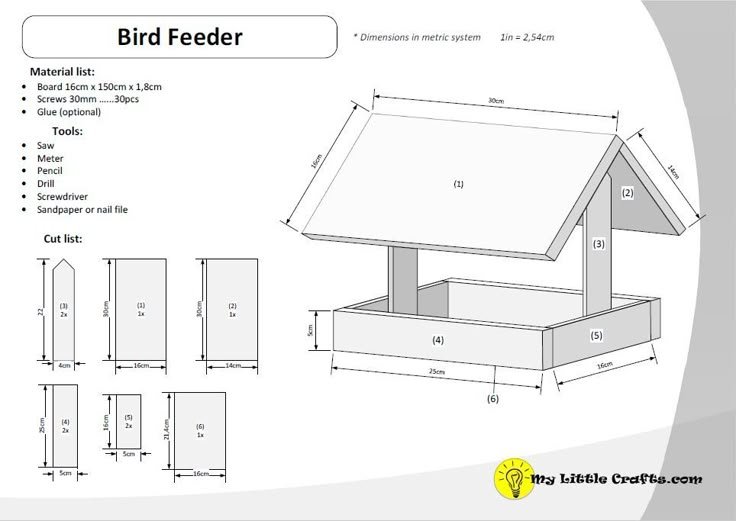
Image source: Bing (Web (fair-use with source credit))
Measure the distance from the feeder ports to the catcher surface. If the catcher hangs too low, wind carries seed past it. If it sits too high, birds may feel crowded or struggle to land.
Pick material based on weather:
- Mesh: best drainage, lighter weight, good for rain
- Plastic tray: easy to clean, but may crack in sun or frost
- Metal tray: stronger, but needs rust-resistant coating
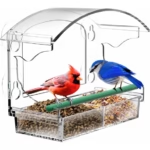
- Acrylic tray: tidy look, useful near windows, can scratch
Drainage is non-negotiable. Wet seed spoils fast, especially in warm weather. As of 2026, most quality manufacturer specifications highlight drainage holes, mesh bottoms, or removable trays because buyers complain quickly when seed turns mushy.
Think about the birds you feed. Small finches and chickadees need shallow access. Larger jays, doves, and blackbirds can tip light trays if the mount is weak.
If birds haven’t used the new setup yet, give them time. Changes around feeders can make wild birds cautious. This guide on new feeder patience explains why a quiet adjustment period is normal.
Common Problems: Mold, Drainage, Squirrels, Wind, and Poor Fit
Most seed catcher complaints come from five issues: wet seed, bad fit, swinging, pests, and poor cleaning. The good news is that each one has a clear fix.
If seed turns moldy, the catcher is holding moisture. Switch to mesh, add drainage holes, or empty it after rain. Also check your stored seed.
Old or damp bird food can cause trouble before it even reaches the feeder, so good seed storage habits matter.
If the catcher misses seed, it’s probably too small or too low. Watch where seed lands during a busy feeding period. Then choose a wider diameter or raise the catcher closer to the feeder base.
If squirrels sit in the tray, move the feeder farther from launch points. A baffle may help more than a different catcher. Peanut and sunflower setups are especially tempting, so sturdy squirrel-aware feeders can make a difference.
If wind flips the catcher, reduce the swing. Use shorter chains, a pole-mounted tray, or a heavier frame. Remove large hanging mesh catchers before storms.
If birds avoid the feeder, check the clearance. A bulky tray can block perches or make birds feel trapped. Keep access open, especially for small birds that need quick escape routes.
For general feeder health, the U.S. Fish and Wildlife Service supports responsible backyard feeding through habitat-aware practices. Their official site at [U.S.
Fish and Wildlife Service](https://www.fws.gov/) is a useful starting point for wildlife-friendly feeding decisions.
Cleaning and Maintenance Tips That Keep Birds Safer
A catcher only helps if it stays clean. Wet seed, hulls, and droppings can build up quickly, especially after rain or heavy feeder traffic. Empty loose debris every few days, and clean more often during warm, damp weather.

Image source: Bing (Web (fair-use with source credit))
For routine cleaning, remove the tray or hoop if possible. Brush out dry hulls first, then wash with warm water and mild dish soap. Rinse well so no residue remains.
For deeper cleaning, use a disinfecting step when the catcher is heavily soiled. Many bird-feeding hygiene guides recommend a diluted bleach solution for feeders, followed by a thorough rinse and full drying. Never refill while parts are damp.
A simple rhythm works well:
| Task | How often | Why it matters |
|---|---|---|
| Shake out dry hulls | Every 2 to 3 days | Stops buildup |
| Dump wet seed | After rain | Reduces spoilage |
| Wash tray or mesh | Weekly in busy periods | Removes residue |
| Inspect mounts | Monthly | Prevents drops and tipping |
If you feed during cold months, cleanup still matters. Seed can freeze into trays, then thaw into a soggy layer. Pairing tidy hardware with winter feeding choices keeps your station more useful when birds need steady calories.
For a deeper hygiene routine, use the same habits you’d use for regular feeder washing. Clean gear, dry seed, and good drainage do most of the work.
Frequently Asked Questions
Do bird feeder seed catchers really work?
Yes, they work well when the size and placement match the feeder. A small base tray catches seed that drops straight down. A wider mesh hoop catches more side scatter.
They won’t stop waste from poor seed blends, squirrels, or birds sorting through filler.
Is a mesh or solid seed catcher better?
Mesh is usually better for rainy or humid areas because water drains through it. Solid trays hold heavier seed better and are easier to dump. If you use tiny seed like Nyjer, check the mesh size first.
Small seed can fall through wide openings.
Will a seed catcher attract rats or mice?
It can if old seed sits there too long. The catcher reduces ground mess, but it also concentrates food in one spot. Empty it often, especially at dusk.
Move the feeder if you see droppings, burrows, or repeated night feeding by pests.
How big should a seed catcher be?
Choose a catcher wider than the feeder by several inches on every side. Small tube feeders may only need an 8 to 10-inch tray. Messy hanging feeders often need a 16 to 24-inch hoop.
Windy yards may need a steadier pole-mounted tray.
Can I make my own bird seed catcher?
Yes, a DIY catcher can work if it drains well and has no sharp edges. Shallow plant saucers, hardware cloth frames, and hoop-style mesh designs are common. Keep it secure, easy to remove, and easy to wash.
Avoid deep bowls that hold wet seed.

Similar Posts