How to Attract Birds to Your Backyard

You don’t need a huge garden or an expensive feeding station to learn how to attract birds to your backyard. Birds look for four basics: suitable food, fresh water, protective cover, and safe nesting space. The right combination depends on your region, season, and local species.
A useful starting specification is a birdbath depth of about 1 to 2 inches. Deeper water can be difficult for small songbirds to use safely. As of 2026, habitat loss, window collisions, cats, pesticides, and disease remain key concerns, so attracting birds safely matters as much as attracting them.
Quick Answer
To attract birds to your backyard, provide food, water, shelter, and nesting sites. Plant locally native trees, shrubs, grasses, and flowers. Add clean water and feeders suited to local species.
Reduce pesticides, control cats, and make windows visible to birds.
Assess Your Yard Before Adding Feeders
Start by watching your yard for several days. Note which birds already visit, where they perch, and how they enter or leave. Existing visitors tell you more than a generic seed recommendation ever could.
Identify the birds that live in your region
Check regional range maps and seasonal records before targeting a species. A hummingbird feeder won’t produce visitors when hummingbirds are outside their local migration range.
The Cornell Lab of Ornithology provides species identification, range, habitat, and migration information. Local wildlife agencies and university extension services can also help with regional plant choices.
Check the four habitat essentials
A useful backyard assessment covers four needs:
| Need | What to look for | First improvement |
|---|---|---|
| Food | Seeds, berries, nectar, insects | Add native plants or one feeder |
| Water | Shallow, clean, accessible water | Set out a textured basin |
| Cover | Dense shrubs and evergreen branches | Add layered vegetation |
| Nesting | Cavities, shrubs, or safe ledges | Install suitable plants or a nest box |
Also check for hazards. Reflective windows, free-roaming cats, pesticide use, and exposed feeding areas can turn an attractive yard into a dangerous one.
If your yard lacks cover, fix that before installing several feeders. If squirrels, bears, or rodents are common, plan food storage and feeder placement first.
Choose the Right Attraction Strategy for Your Target Birds
Different birds use different foods and feeding levels. If you know what you want to attract, match the food and feeder to that bird’s natural behavior.
For finches, cardinals, and chickadees
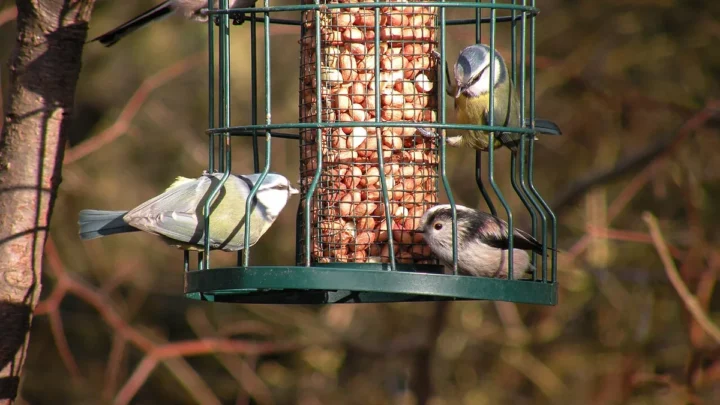
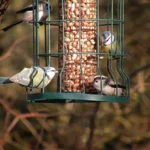
Offer black-oil sunflower seed in a tube or hopper feeder. It appeals to many seed-eating birds and usually creates less rejected waste than filler-heavy mixes.
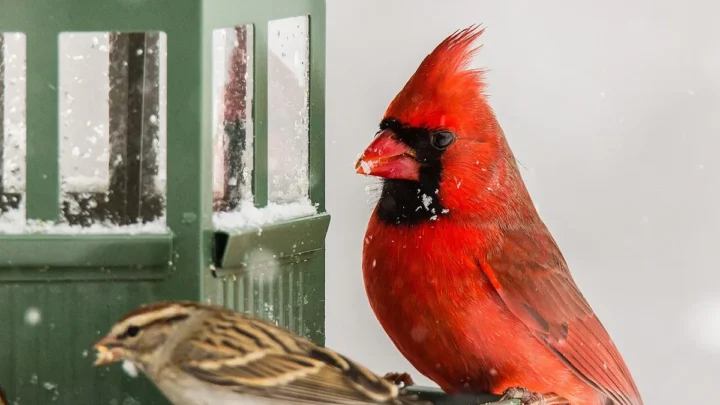
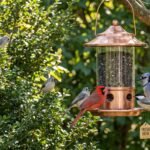
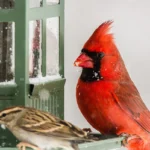
Finches also use Nyjer feeders with small ports or fine mesh. Cardinals prefer wider perches and open trays because their larger bodies don’t suit every tube feeder.
For woodpeckers and nuthatches
Use a securely mounted suet cage, especially in cool weather. Unsalted peanuts can also attract nuthatches, woodpeckers, jays, and chickadees.
Place these foods near mature trees or wooded edges. Don’t offer salted, flavored, or moldy nuts.
For hummingbirds and orioles
Plant tubular native flowers that produce nectar. For supplemental hummingbird nectar, mix one part plain white granulated sugar with four parts water.
Don’t add red dye, honey, brown sugar, or artificial sweeteners. Orioles may visit nectar feeders, halved oranges, and suitable native flowering plants.
For ground-feeding birds
Robins, thrushes, doves, and some sparrows often forage below shrubs or across open ground. Leaf litter supports insects and other natural prey.
If you scatter seed, use small amounts and remove leftovers. Persistent ground feeding can attract rodents and create crowded, unhygienic feeding sites.
Build a Bird-Friendly Backyard Step by Step
The strongest setup combines natural habitat with carefully managed feeders. Work through these steps in order.
1. Plant native vegetation
Choose locally native trees, shrubs, flowers, and grasses. Native plants can provide berries, seeds, nectar, nesting material, and insects.
Build several vegetation layers where space allows:
- Tall trees for canopy and nesting cover
- Shrubs for berries and quick escape
- Perennials for seeds and nectar
- Ground cover and leaf litter for insects
- Evergreens for winter shelter
Leave some seed heads standing through winter. Reduce lawn gradually rather than redesigning everything at once.
2. Add shallow, clean water
Use a stable birdbath with gently sloping sides and a rough surface. Keep the water around 1 to 2 inches deep, with a shallower edge for small birds.
A dripper, mister, or bubbler makes water easier for birds to notice. Place the bath near protective cover, but not directly inside dense growth where a cat could hide.
3. Position feeders carefully
Place feeders where birds can retreat to nearby branches. Avoid putting them beside low shrubs that conceal predators.
For window safety, place feeders within about 3 feet of the glass or more than 30 feet away. Close placement limits collision speed, while greater distance gives birds more room to recognize the barrier.
4. Add nesting support
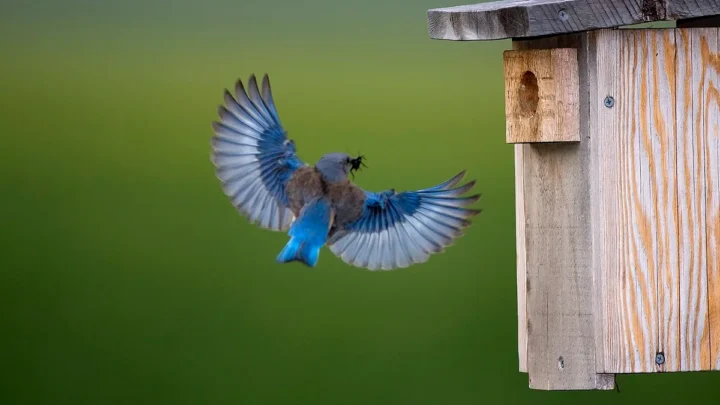
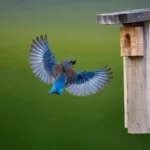
Use species-specific nest boxes rather than decorative birdhouses. Entrance diameter, internal dimensions, mounting height, and surrounding habitat must suit the intended bird.
Choose untreated wood with drainage and ventilation. Skip external perches, which aren’t needed and may help predators.
Keep Feeders, Birdbaths, and Nest Boxes Safe
Once birds gather in one place, cleanliness and predator control become essential. Shared feeding surfaces can spread pathogens through droppings, saliva, and spoiled food.
Maintain food and water
Fill feeders with only as much food as birds will eat before it becomes damp or stale. Check seed for mold, clumping, insects, webbing, or an unpleasant smell.
Under normal conditions, clean feeders about every two weeks. Clean them more often during warm, wet weather or heavy use. Replace birdbath water frequently and scrub away algae and droppings.
Hummingbird nectar spoils quickly. Change it every few days in mild weather, and daily or every one to two days during high heat.
Reduce common hazards
Take these precautions:
- Keep cats indoors or use a secure outdoor enclosure.
- Apply closely spaced markers to the outside of reflective windows.
- Store seed in sealed, rodent-resistant containers.
- Use pole baffles to limit squirrel and raccoon access.
- Avoid insecticides near flowers and feeding areas.
- Never provide yarn, dryer lint, fishing line, or plastic as nesting material.
The U.S. Fish and Wildlife Service provides official guidance on migratory bird protection and bird-safe habitat.
If birds appear weak, unusually tame, swollen-eyed, or unable to feed, stop feeding temporarily. Clean and disinfect equipment, then follow local wildlife-agency advice. In bear country, remove feeders whenever local rules or seasonal guidance require it.
Troubleshoot Common Backyard Bird Problems
No birds are visiting
Give a new feeder several days or even a few weeks. If it stays quiet, confirm that your food suits local species and replace anything stale. Then move the feeder closer to visible cover, add fresh water, and reduce activity nearby.
Squirrels, raccoons, or rats take over
If squirrels dominate, mount the feeder on a pole with a baffle. Position it beyond jumping distance from roofs, fences, trunks, and branches. For rodents, stop scattering seed, add a catch tray, reduce refill amounts, and clean beneath feeders.
Seed gets wet, moldy, or ignored
Discard wet or moldy seed immediately. Clean and dry the feeder, then refill it with a smaller amount. If birds reject a mixed blend, try black-oil sunflower seed without filler grains.
Hummingbirds avoid the nectar feeder
First, confirm that hummingbirds are present in your region that season. Use the correct 1-to-4 sugar-water ratio and clean blocked feeding ports. Move the feeder away from exposed, noisy areas if visits remain low.
Aggressive birds crowd out smaller species
Spread several feeding points across the yard. Use caged feeders or short perches that favor smaller birds. Offering different foods in separate locations also prevents one large flock from controlling every resource.
Birds hit windows or face predator pressure
Treat the outside of reflective glass with closely spaced markers or an exterior screen. If a cat patrols the feeder, remove the feeder until you can create a safer location. Moving it a few feet rarely fixes an active ambush site.
Your Backyard Bird-Attraction Decision Guide
Choose the setup that fits your space rather than adding every feature at once.
| Your situation | Start with | Add next |
|---|---|---|
| Balcony or tiny yard | Shallow water and container-grown native flowers | One compact, low-mess feeder |
| Suburban garden | Native shrubs and a birdbath | Sunflower feeder and safe nest box |
| Rural or wooded edge | Layered native habitat | Suet, water, and selective nest boxes |
| Rodent or bear pressure | Native food plants and water | Feeders only when local conditions allow |
For the biggest immediate improvement, add clean water. Birds that ignore seed may still visit a shallow bath. Moving water is especially noticeable during dry weather and migration.
If you want lower maintenance, prioritize native plants over multiple feeders. They provide insects, seeds, fruit, shelter, and nesting cover without daily refilling.
Adjust the setup by season:
- Spring: Protect active nests and offer clean water.
- Summer: Replace nectar often and keep baths cool and clean.
- Autumn: Leave seed heads standing for migrating and resident birds.
- Winter: Offer high-energy sunflower seed and suet where appropriate.
If your yard is exposed, plant cover first. If it already has dense vegetation, add water next. Feeders work best as a supplement, not as a replacement for habitat.
Frequently Asked Questions
How long does it take birds to find a new feeder?
Birds may find a feeder within hours, but several days to several weeks is normal. Discovery depends on season, local bird movement, food type, and nearby cover. Keep the food fresh and avoid moving the feeder repeatedly during this period.
What food attracts the widest variety of backyard birds?
Black-oil sunflower seed attracts many finches, cardinals, chickadees, nuthatches, and other seed-eating birds. Sunflower hearts create less shell waste but spoil faster when wet. No single food suits every species, so add suet, native plants, or nectar only when local birds use them.
Where should a bird feeder be placed?
Place it near enough to shrubs or branches for quick escape, but away from hiding places used by cats. For window safety, use a location within about 3 feet of glass or more than 30 feet away. Keep the surrounding ground accessible for cleaning.
Should you feed birds throughout the year?
Year-round feeding can be appropriate when food stays fresh and equipment remains clean. Seasonal feeding may be safer in bear country or during wildlife disease advisories. Natural food from native plants should remain the foundation because it supports birds even when feeders are unavailable.
What plants attract birds naturally?
Locally native trees, berry-producing shrubs, seed-bearing flowers, grasses, and caterpillar host plants offer the greatest combined value. Choose species suited to your soil and climate. Aim for overlapping flowering and fruiting periods, plus dense evergreen or thorny cover where appropriate.
Why did birds suddenly stop visiting?
A sudden absence often reflects migration, abundant natural food, predators, disturbance, or spoiled seed. Check for hawks, cats, construction noise, blocked ports, and mold. If sick birds were recently present, follow local wildlife guidance before putting feeders back out.

Similar Posts