Bird Friendly Backyard Ideas

If you've been searching for bird friendly backyard ideas, you've probably noticed most advice starts with buying a feeder. Here's the problem: a feeder alone doesn't make a habitat. Birds need food, water, shelter, and safe places to nest.
The good news is you already have a yard, you just need to tweak how it works.
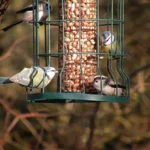
The shift is subtle but real. As of 2026, wildlife gardening has moved past feeders and toward native plants, which feed the insects that young songbirds need. The Cornell Lab of Ornithology suggests placing feeders within 3 feet of a window or more than 30 feet away to reduce fatal collisions.
That single rule shows how the whole project works: small changes, big results.
The Bird-Friendly Backyard in One Sentence
Native plants give birds the insects and fruit they need. Feeders help, but they're a snack, not a meal. Water, shelter, and safe nesting matter just as much.
Remove window collision risks and keep cats inside. Do that, and the birds will find you.
Start Here: 5 Factors That Shape Your Bird Plan
Before you go plant shopping, take an honest look at your yard. The right choices depend on your region, your risk spots, and what birds actually fly through. These five factors decide most of your plan.
| Factor | Why it matters | Quick check |
|---|---|---|
| Native plant region | Native insects and birds evolved with local plants | Look up your ecoregion on a native plant society map |
| Cat access | Cats kill billions of birds every year | Does your cat go outside, even at night? |
| Window risk | Glass reflections cause up to 1 billion bird deaths per year | Stand outside and check if you can see sky reflected |
| Yard size and sun | Sunny spots grow berry shrubs; shade needs understory plants | Sketch which areas get full sun vs. part shade |
| Local bird species | Feeders, nest boxes, and plants should match them | Sit outside 10 minutes and note what appears |
Notice what's not on this list? Feeder style and bird bath bowls. Those are easy to add later.
The five factors above determine whether birds can even visit safely. For example, a window that reflects the sky can kill birds all year, no matter how many feeders you hang.
If you live in a drought zone, skip water-thirsty plants. If you rent, focus on containers and temporary water sources. If you have cats, start with a catio plan.
Your state wildlife agency or the U.S. Fish & Wildlife Service has native plant lists that make this easier to sort out.
Find Your Bird-Planning Path (A Simple Decision Tree)
Answer these four questions in order. Each one routes you to a different action plan.
Does your cat go outside?
- If yes, build a catio or keep the cat indoors. Until that's solved, the rest of your bird plan is pointless. Cats don't just kill adult birds, they wreck nesting success.
- If no, move to the next question.
Have birds hit your windows in the past year?
- If yes, apply window treatments before adding anything else. Use decals, external netting, or thin curtains. Feeders should sit within 3 feet of glass or more than 30 feet away.
- If you're not sure, check outside reflections. If you can see sky in the glass, assume it's a risk.
Is your yard mostly lawn?
- If yes, start with one native shrub or flower bed. A mature oak or dogwood can host hundreds of insect species.
- If no, you still need layers: canopy, shrub, and ground cover.
Do you want birds to eat at your place or nest there?
- Both is ideal, but start with nesting habitat. Feeders are instant, while nesting needs established cover and time.
A decision-tree diagram would show arrows from each question to one of three paths: Safety First, Habitat Build, or Feeders Plus. If you're a total beginner, pick two things from the action guide: one native plant and one water feature. That's the highest-impact combo.
How to Make It Real: The Action Guide
Here's where the plan turns into a yard. You don't need to do all five steps this season. Pick two, do them well, and build from there.
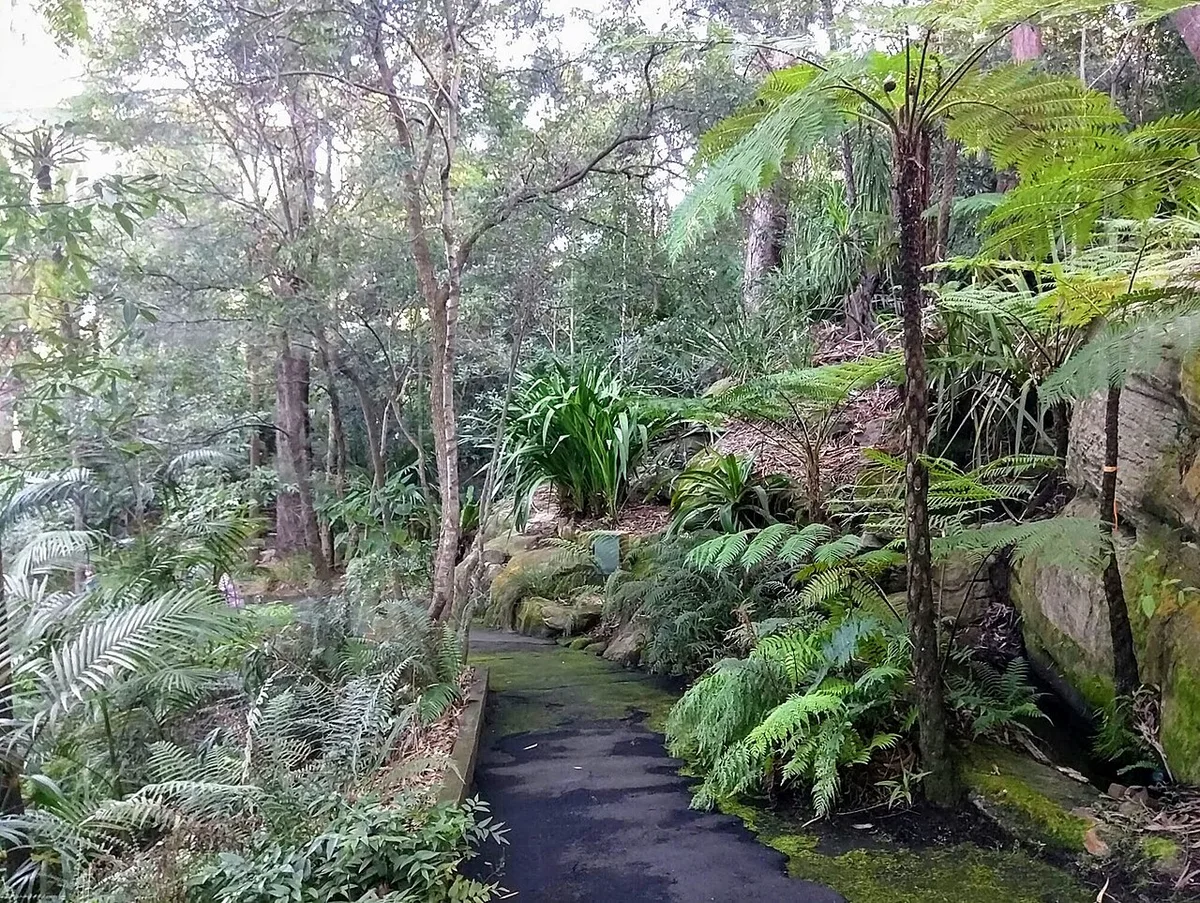
Image source: Wikimedia Commons / Maksym Kozlenko (CC BY-SA)
Step 1: Plant a Native Food Web
Native plants are the backbone of a bird friendly backyard because they feed bugs first. Most songbirds, even seed-eaters, give insects to their chicks. So plant species like oak, cherry, goldenrod, and milkweed.
Check your local ecoregion for specifics. University extensions, like the one at the University of Minnesota Extension, publish free native garden guides for your area.
Step 2: Offer Water the Birds Will Actually Use
Birds need shallow water, no deeper than about 2 inches. Add a sand or stone perch in the middle. A dripper or bubbler keeps water moving, which attracts birds and prevents mosquitoes.
Clean and refill every few days. In winter, a heated birdbath becomes a lifesaver.
Step 3: Give Nesting Birds a Hand (Literally)
Nest boxes work if you match the dimensions to the species. Chickadees need a 1 1/8-inch entrance hole, while bluebirds prefer 1 1/2 inches. Mount boxes 5 to 10 feet high, facing away from wind and cats.
Add a predator guard below the box. Leave dead snags and brush piles where it's safe.
Step 4: Fix the Danger Zones, Windows and Predators
The Cornell rule for windows: place feeders within 3 feet of glass or farther than 30 feet. Inside 3 feet, birds can't build lethal speed. Outside 30 feet, they have room to veer.
Apply external decals or one-way film to cut reflections. Keep cats indoors or build a catio. That's the single biggest wildlife upgrade you can make.
Step 5: Maintain It All Without Overthinking
Once established, native plants need little watering. Clean feeders every few weeks with a diluted bleach solution. Change birdbath water often.
Skip pesticides, even organic ones. Let leaves sit over winter to feed insects.
The 6 Biggest Backyard Bird Mistakes (And What to Do Instead)
Mistakes are the real teacher. Here's what most people get wrong, and what to try instead.
- Feeding birds without protecting windows. Birds hit glass far more in yards with feeders placed too close. Put feeders in the safe zone: under 3 feet or over 30 feet.
- Letting cats roam freely. Even well-fed cats hunt. The fix is a catio, leash training, or keeping cats inside entirely.
- Planting exotic ornamentals that aren't native. They look pretty but support almost no insect life. Swap one flower for a native keystone species.
- Cleaning up every fallen leaf and dead branch. Leaf litter shelters insects that chickadees and wrens eat. Leave them in garden beds instead.
- Forgetting about water. Bird baths work when kept clean. Stagnant water breeds mosquitoes and spreads disease.
- Using pesticides and chemical fertilizers. One application can wipe out the insect population that nesting birds depend on. Go natural instead.
Fix those six, and your yard goes from a place birds pass over to a place they call home.
Quick Answers to Common Backyard Bird Questions
Here are the four questions we hear most often.
Feeders or native plants, which is more important?
Native plants win, and it's not close. Feeders give birds a quick meal, but plants create a whole food web. Insects eat leaves, birds eat insects.
A single native oak supports hundreds of caterpillar species. A tube feeder only helps the few birds that happen to visit. If you only do one thing, plant a native tree or shrub.
Even a small dogwood in a corner beats a feeder for long-term results.
When should I stop feeding in winter?
You don't have to stop at all. In northern regions, keep feeding through winter once you start. Birds come to rely on the calories.
In mild climates, feed year-round but watch for spoiled seed. Always clean feeders every few weeks. Use nyjer and black-oil sunflower, which stay dry in the hopper.
Heated feeders keep seed from freezing solid overnight.
Do I need a birdbath in winter?
Yes, and it matters more than you think. Liquid water is scarce when everything freezes. A heated birdbath keeps a small open spot at 40 to 50 degrees.
It helps many species survive brutal nights. Just rinse it and refill it often to avoid disease. Frozen plastic bowls crack easily, so use a rubber or metal model.
Place it near cover so birds can flee predators quickly.
What if I only have a balcony?
You can still build bird habitat. Use native plants in large containers, especially berry-producing shrubs like winterberry. Add a small dish for water and a window feeder with berries or seeds.
Keep the glass protected with decals to stop collisions. You'll be surprised which birds find a tiny balcony. Even city swifts and house finches will visit once they learn the route.

Similar Posts