Backyard Bird Sanctuary Ideas
Most people search for backyard bird sanctuary ideas because the feeder they hung last month is mostly feeding squirrels. That's normal. A feeder is the last step in building a sanctuary, not the first.
Birds need four things before food: safe water, cover from predators, native plants, and nesting sites.
The National Wildlife Federation's Certified Wildlife Habitat program spells this out plainly. It requires food, water, cover, places to raise young, and sustainable gardening practices. As of 2026, more than 280,000 homes have earned that certification.
That checklist gives us the right build order, so let's walk through it one step at a time.
Quick Answer
The best sanctuary has water, cover, native plants, and a feeder. Start with water, since it attracts birds fastest. Place feeders near cover, but not too close.
Keep cats indoors and clean feeders weekly. Native plants beat feeders for long-term success.
Start Here: What a Backyard Bird Sanctuary Actually Is
Here's the simplest way to think about it: a bird sanctuary is a habitat, not a feeding station. The Cornell Lab of Ornithology notes that dependable water, protective cover, and native plants bring in more songbirds than any feeder can. Feeders just make a good habitat better.
The four pillars of a working sanctuary:
- Water: a bath, dripper, or shallow dish that stays clean and ice-free
- Cover: evergreens, brush piles, and dense shrubs where birds can retreat
- Native plants: species that produce berries, seeds, and insects birds actually eat
- Nesting spots: natural cavities, nest boxes, or thick branches
If a yard has all four, birds treat it as part of their territory. If it only has a feeder, they treat it like a drive-thru. They visit, grab a bite, and leave.
The National Wildlife Federation's Certified Wildlife Habitat program uses this same list as its core standard. In our research, habitat beats feeders in every measurable way. A single native oak hosts hundreds of caterpillar species.
A feeder hosts a handful of bird species.
That doesn't make feeders pointless. Treat them as a topping, not the meal.
Read Your Yard First: The Conditions That Change Your Plan
Your yard isn't a blank slate. Its size, location, and local wildlife all change the right setup. Run through three quick checks before you buy anything else.
If you're working with a small space or a rental, think portable. Window feeders, a hanging bath, and a few potted natives give you a complete micro-sanctuary. Even a balcony can deliver water, cover, and food in a few square feet.
Everything can come down when you move.
If you're in bear country, check your state wildlife agency's rules first. Many areas require feeders down from spring through fall. As of 2026, several western states post season-specific guidance online.
Your local department of natural resources is the right source for exact dates.
If cats roam your neighborhood, skip ground feeding. Keep feeders 10 to 12 feet from dense cover. That gap lets birds spot a waiting cat and still escape if one pounces.
A pole with a baffle also gives birds a clear view in every direction.
On a large rural lot, the plan gets bigger. Add a brush pile, plant a native hedge, and consider a small pond. The formula stays the same: water, cover, native plants, then food.
The Smart Order: Water, Shelter, Native Plants, Then Feeders
Most people buy a feeder first. That's the wrong order. Water brings birds in faster than almost anything else, especially in hot or dry weather.
Start with a bird bath. Put it at ground level or on a low pedestal. Keep the water under two inches deep.
Add a small dripper or solar pump, and the moving water is visible from across the yard. A dozen species that never touch your feeder will stop for a bath.
Next, build cover. A brush pile in the corner, a dense evergreen, or a stack of logs gives birds somewhere to duck when a hawk sweeps through.
Then plant natives. Native plants are the backbone of a sanctuary because they host the insects birds feed their young. Serviceberry, winterberry, oak, and goldenrod all deliver berries, seeds, or caterpillars.
A single oak supports hundreds of caterpillar species during nesting season.
Only after those three layers are in place should you hang a feeder. Feeders handle the slow months. Habitat handles everything else.
Picking Feeders and Seed That Match Your Yard
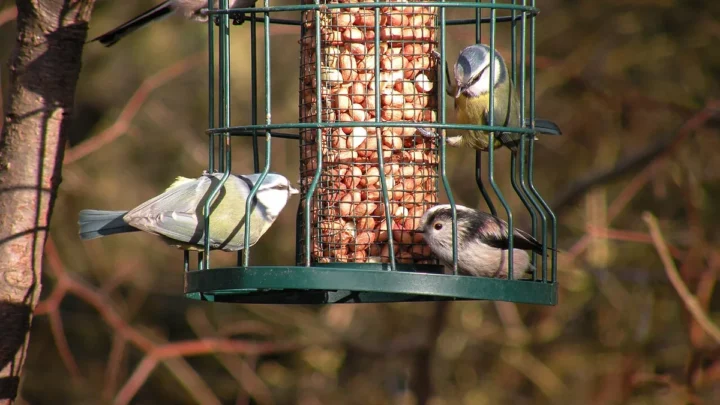
Once your habitat is in place, the right feeder makes a real difference. Different birds feed at different heights and prefer different foods. Matching the two keeps seed from going to waste.
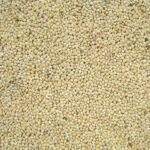
Image source: Wikimedia Commons / Tony Alter from Newport News, USA (CC BY)
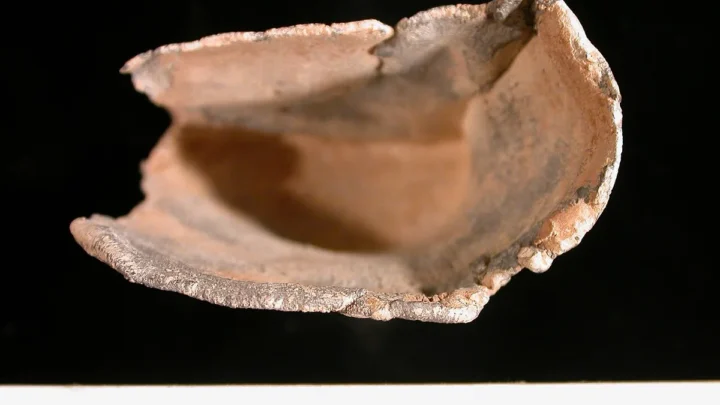
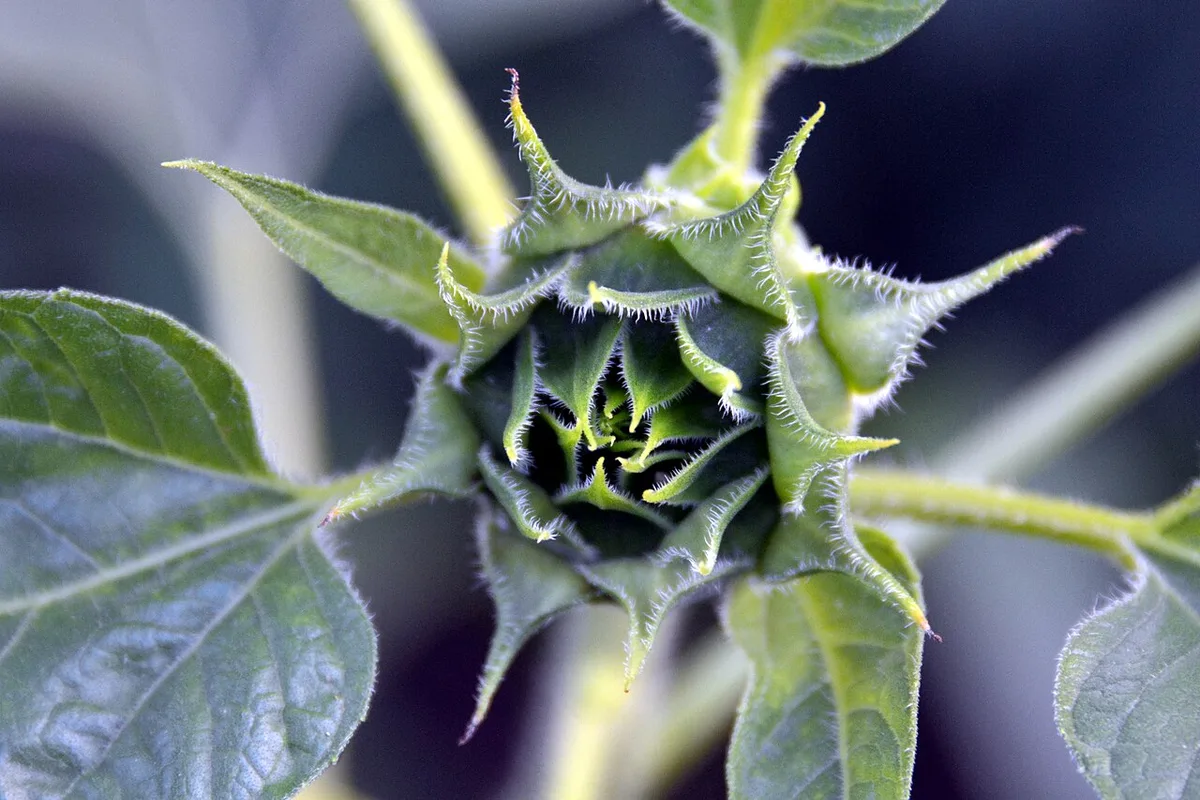
The image here shows black-oil sunflower seed, the best all-around food for most yards. Thin shells and a high meat-to-shell ratio mean even small birds can crack it.
| Feeder type | Best for | Food to fill |
|---|---|---|
| Tube feeder | Chickadees, finches, nuthatches | Black-oil sunflower, nyjer |
| Hopper feeder | Cardinals, grosbeaks, jays | Sunflower, safflower, peanuts |
| Platform or tray | Mourningdoves, juncos, towhees | Mixed seed, cracked corn |
Placement does more work than the feeder brand. Keep feeders within 3 feet of your windows, or farther than 30 feet away. That prevents collisions, because birds hitting glass at speed rarely survive.
Also keep feeders 10 to 12 feet from dense shrubs. That gap gives birds an escape route while keeping cover close enough to vanish into.
For squirrels, a pole-mounted baffle stops most climbers. Put the baffle at least 4 feet off the ground. If you're hanging a feeder, run a wire between two posts with a baffle in the middle.
Squirrels can jump, but a solo wire is a weak perch.
Once birds trust your yard for food and water, they start scouting for nesting spots. That's when a nest box turns a visiting spot into a home.
Nest Boxes: Adding Homes That Actually Get Used
Nest boxes give cavity-nesting birds a place to raise young when old tree snags are gone. Most suburban yards don't have natural cavities. A well-mounted box fills that gap fast.
| Species | Hole size | Floor size | Mounting height |
|---|---|---|---|
| Eastern bluebird | 1 1/2" | 5" x 5" | 5–6 ft |
| Black-capped chickadee | 1 1/8" | 4" x 4" | 5–15 ft |
| House wren | 1 1/8" | 4" x 4" | 6–10 ft |
| Tree swallow | 1 1/2" | 5" x 5" | 5–6 ft |
Mount the box facing east or south, away from the prevailing winter wind. Place it on a pole or tree trunk, and keep it well away from your busiest feeder. Nesting birds don't want a crowd of jays watching their every move.
The entrance hole size matters more than the box color. Starlings need a hole bigger than 1 1/2 inches. House sparrows use 1 1/8-inch holes, so they're harder to exclude.
If starlings move in, remove the nest. If house sparrows become a problem, switch to a box with a smaller entrance or move it farther from buildings.
A good nest box is the final piece. Once birds raise young in your yard, it's officially a sanctuary.
The Mistakes That Keep Birds Away
Birds vanish for specific reasons, and most trace back to a few fixable mistakes. Cheap seed mixes are the big one. Milo, wheat, and red millet are filler that most songbirds ignore, so it rots on the ground or attracts rodents.
Stick with black-oil sunflower, safflower, nyjer, and suet instead.
Dirty feeders and birdbaths send birds packing faster than no food at all. Moldy seed and stale water spread Salmonella and avian conjunctivitis. Clean your feeders every two weeks with dish soap and a diluted bleach solution, then rinse and dry completely.
Placement problems also cut visits. Feeders in open, exposed spots feel unsafe, while feeders buried in dense shrubs hide approaching hawks and cats. Use the 10-to-12-foot rule to balance sightlines with a quick escape route.
Finally, don't slack off in spring or abandon things in summer. Birds use water year-round, and many species nest through July. A dependable bath in August can pull in more birds than a feeder does in December.
Your Quick Decision Guide: Where to Start Tomorrow
Pick the branch that matches your yard. If you're on a balcony or tiny urban lot, the three-piece starter setup is a window feeder, a small hanging birdbath, and one potted native plant like serviceberry. That's enough to draw chickadees, finches, and the occasional goldfinch.
For a standard suburban yard, follow the full five-step build. Install a ground-level birdbath with a dripper. Add a brush pile in a quiet corner.
Plant two or three native shrubs. Mount one nest box for chickadees or wrens. Then hang a pole-mounted tube feeder with baffles.
On larger rural properties, go bigger. Add a small pond with a solar pump, plant a native hedge row, and leave a dead snag standing. Space multiple feeders at least 30 feet apart to cut down on squabbling.
Complete all the core elements in month one, then fill gaps by month three. By month six, your yard should feel like a complete habitat, not a collection of bird supplies. The birds will notice the difference.
Frequently Asked Questions
How long until birds start showing up?
Most yards get visitors within a few days, especially when water is involved. Seed feeders usually build a steady clientele in two to four weeks. Birds have to learn the new food source is safe, so patience matters.
Keep seed fresh and the bath filled.
What's the one bird food that attracts the most species?
Black-oil sunflower seed wins by a wide margin. Its thin shell and high fat content appeal to cardinals, chickadees, nuthatches, finches, and many others. Safflower is the runner-up, and squirrels tend to leave it alone.
Make black-oil sunflower your default fill.
Do I need to take feeders down in spring?
No, leave them up. Birds still hit feeders in spring for quick calories between insect hunts, and it's often peak activity during migration. The exception is bear country, where local regulations may require removal when bears are active.
Clean everything regularly instead.
Is a heated birdbath worth it in winter?
Yes, in freezing climates. Open water gets scarce in winter, and birds burn energy melting snow for a drink. A heated birdbath keeps a small area ice-free for a modest electric cost.
Look for one with a built-in thermostat and a shallow basin.

Similar Posts