How Long to Keep Hummingbird Feeders Out
Hummingbirds rely on precise timing to migrate, and your feeder can be a lifeline, or a hazard. Getting how long to keep hummingbird feeders out wrong risks delaying their journey or causing harm. Leave feeders up too late in fall, and birds might linger past safe departure times.
Take them down too early in spring, and early arrivals could go hungry. This balance demands attention to regional migration patterns and local weather, not just a fixed calendar date.
In our research, the 4:1 sugar-to-water ratio (never use honey or dye) remains the safest solution, but timing trumps all. As of 2026, ornithologists stress that climate shifts are altering migration windows, making localized guidance critical. Now, let’s break this down.
Quick Answer
Hang feeders 1, 2 weeks before hummingbirds arrive in spring and remove them 2 weeks after your last fall sighting. In most U.S. regions:
- Spring setup: Late February (South) to late April (North).
- Fall takedown: By mid-November (South) or early October (North).
Always check local frost dates and migration maps.
Problem / Pain Point
Delayed Migration Risks
Leaving feeders out late in fall can trick birds into delaying departure, risking exhaustion or frost exposure. For example, Ohio feeders left until November 1 caused stragglers to face deadly freezes. Audubon Society migration maps show Ruby-throated hummingbirds must reach the Gulf Coast by late October to survive.
Frozen Feeders
In cold snaps, sugar water freezes solid, depriving birds and cracking feeders. Plastic feeders may shatter; glass ones can explode. Always bring feeders in if overnight temps drop below 32°F (0°C).
Mold and Bacterial Growth
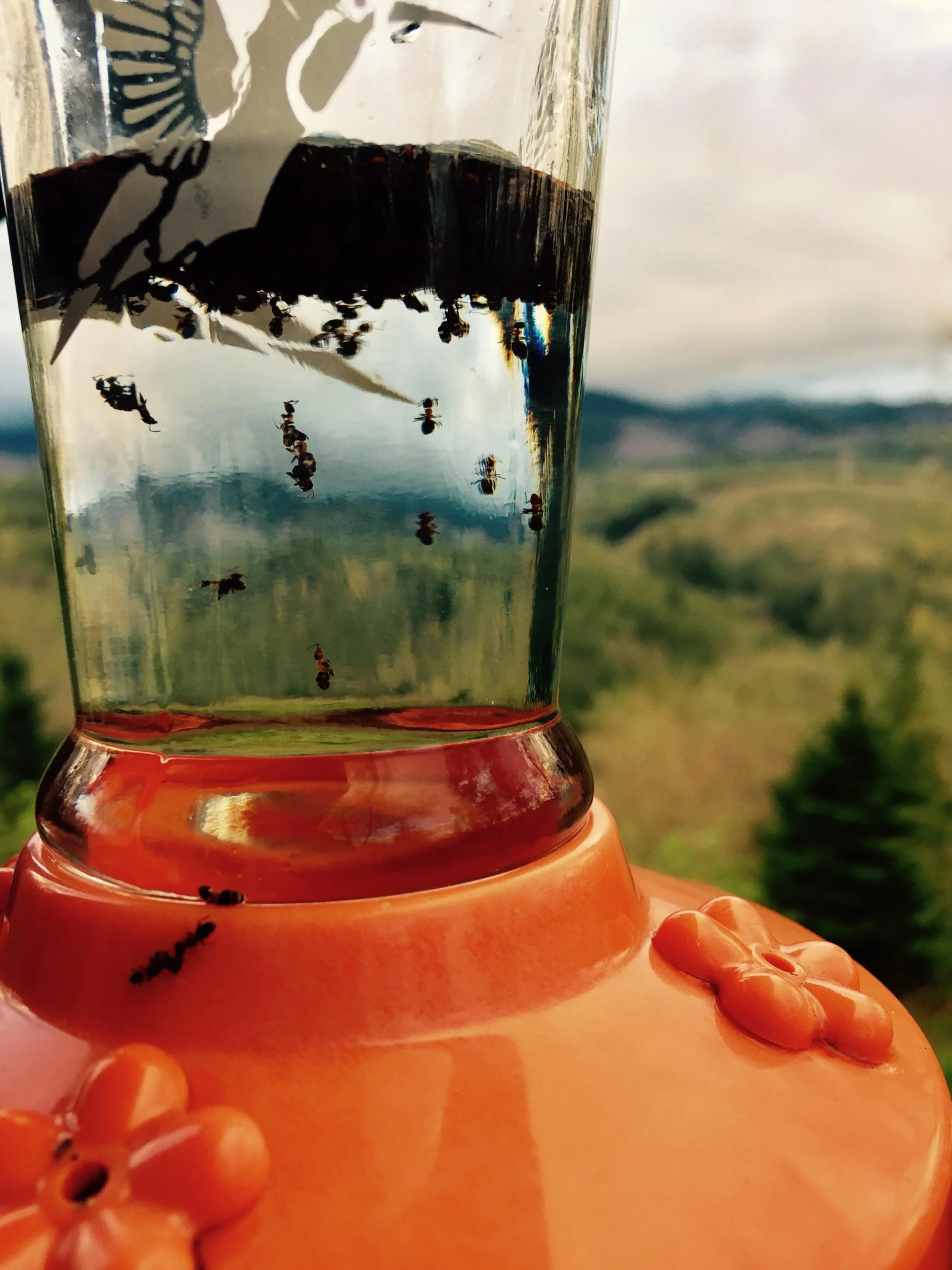
Stagnant solution breeds harmful bacteria and mold in just 3, 5 days, especially in heat. Dirty feeders cause tongue infections in hummingbirds, per Cornell Lab of Ornithology research.
Core Explanation / How It Works
Hummingbird Migration Patterns
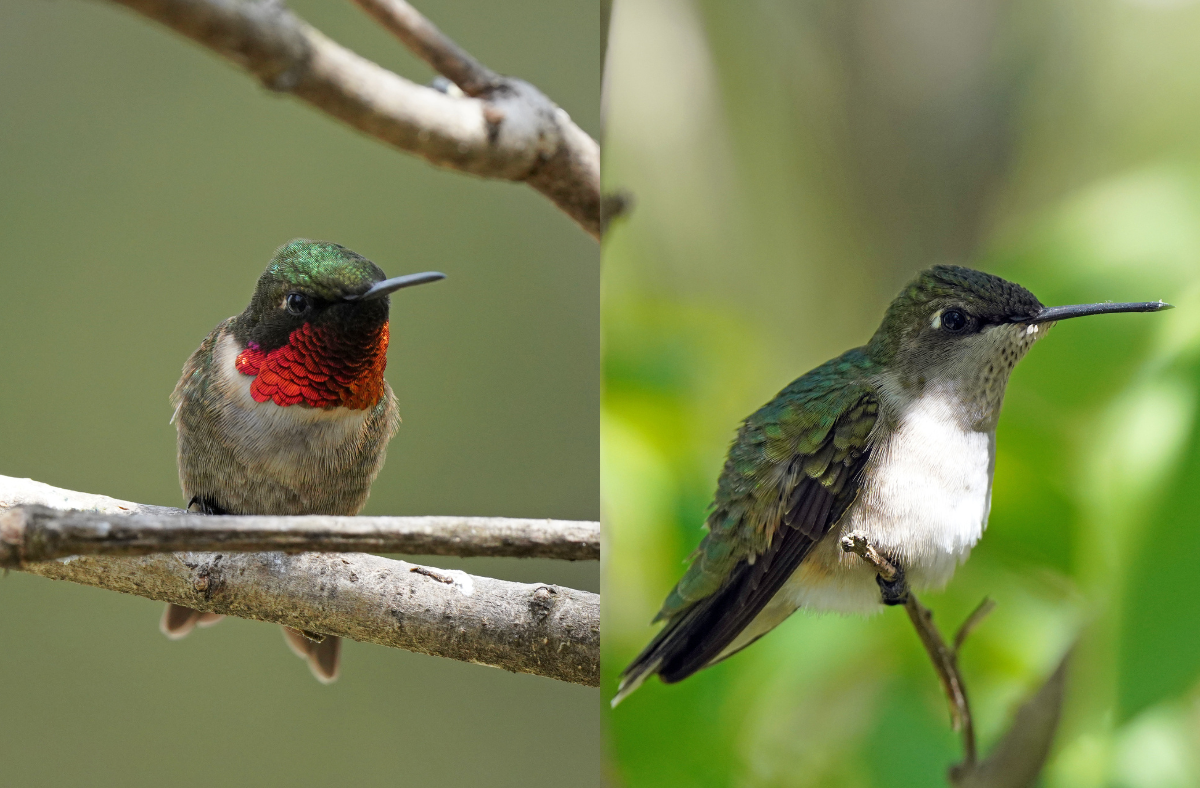
Most species migrate on instinct, not food cues. Ruby-throated hummingbirds travel 500+ miles from Canada to Central America, relying on daylight hours. Western species like Anna’s hummingbirds have shorter routes but still follow strict schedules.
The Role of Feeders
Feeders act as supplemental fuel stops, critical during energy-intensive migration. They’re most vital in spring (when flowers bloom late) and fall (when natural nectar declines). However, feeders must align with natural migration cues, not replace them.
Natural Nectar Sources
Native flowers (e.g., trumpet vine, bee balm) provide nectar year-round in some regions. Feeders bridge gaps when blooms are scarce, but over-reliance disrupts natural foraging. USDA Regional Gardening Guides recommend planting flowers to reduce feeder dependency.
Features / Components / What’s Inside
Feeder Types
- Glass: Durable, easy to clean, but heavy and breakable.
- Plastic: Lightweight, affordable, but prone to warping and bacterial growth.
- Saucer-style: Mimic natural feeding, reduce bee infestations.
- Dishwasher-safe: Essential for deep cleaning (e.g., Aspects HummZinger).
Sugar Water Solution
- Ratio: 1 cup white granulated sugar to 4 cups boiling water (never use brown sugar, honey, or artificial sweeteners).
- Cool completely before filling feeders to avoid melting plastic.
Cleaning and Maintenance
- Every 3, 5 days: Scrub with hot water and a bottle brush.
- Weekly: Soak parts in a 1:9 bleach-water solution for 2 minutes, then rinse thoroughly.
- Replace solution if cloudy or moldy, even if full.
Benefits & Drawbacks / Pros and Cons
Supporting Migration
Pro: Feeders provide critical energy for birds traveling 20+ hours nonstop. A single feeder can sustain dozens of migrants weekly.
Con: Poor timing undermines this benefit, risking lives.
Fueling Pollination
Pro: Hummingbirds pollinate flowers while feeding, supporting ecosystems.
Con: Over-reliance on feeders may reduce visits to native plants.
Educational Value
Pro: Feeders bring science to backyards, teaching kids about migration and ecology.
Con: Mismanaged feeders spread misinformation about bird needs.
Potential Risks
Drawback: Dirty feeders transmit diseases like avian tongue fungus. Frozen feeders cause beak injuries.
Drawback: Sugar water ferments in heat, leading to botulism outbreaks.
Maintenance Requirements
Pro: Regular cleaning ensures bird safety.
Con: Time-consuming; neglect voids benefits. Manufacturer specs confirm daily checks in 90°F+ heat.
Step-by-Step Process / How to Guide
Spring Feeder Setup
- Check migration maps (e.g., Audubon’s Hummingbird Guide) for your region.
- Hang feeders 1, 2 weeks before expected arrivals (e.g., late February in Texas, late April in Minnesota).
- Place in partial shade to slow fermentation.
- Fill with fresh 4:1 sugar water; replace every 3, 5 days.
Fall Feeder Takedown
- Monitor last sightings: Remove feeders 2 weeks after the final hummingbird visit.
- By frost dates: In the North, takedown by early October; in the South, by mid-November.
- Clean and store feeders to prevent mold.
Cleaning and Refilling
- Daily check: Remove feeders if temps drop below freezing.
- Every 3, 5 days: Disassemble, scrub with hot water, and soak in bleach solution.
- Refill tip: Use a funnel to avoid spills; never top off old solution.
Use Cases / Best For / Who It’s Right For
Home Gardens
Ideal for suburban yards with flowering plants. Feeders supplement blooms, attracting birds for pollination and observation.
Urban Balconies
Compact saucer feeders suit small spaces. Supports migrating birds in cities with limited greenery.
Educational Settings
Schools use feeders to teach migration science. Pair with native flower beds for hands-on ecology lessons.
Mistakes to Avoid / Common Errors
Leaving Feeders Out Too Late
Risks delaying migration, birds may face fatal frosts. Set reminders for regional takedown dates.
Using the Wrong Sugar Ratio
Honey or overly concentrated solutions cause dehydration and fungal infections. Stick to 4:1.
Neglecting Maintenance
Moldy feeders spread disease. Clean rigorously, even if solution looks clear.
Costs / Pricing / Data / Specs
| Item | Cost Range | Notes |
|---|---|---|
| Glass feeder | $20–$40 | Durable, 24 oz capacity |
| Plastic feeder | $10–$25 | Lightweight, 12 oz capacity |
| Sugar (5 lbs) | $3–$5 | Makes 20 batches of nectar |
| Cleaning supplies | $5–$10/year | Brushes, bleach, bottle kit |
Annual total: $40, $80 for a basic setup.
Expert Tips / Pro Advice
Monitoring Migration Maps
Bookmark eBird’s Migration Forecast for real-time updates. Adjust feeder timelines as patterns shift with climate change.
Natural Nectar Sources
Plant hummingbird-friendly flowers (e.g., salvia, columbine) to reduce feeder dependency. Group red/orange blooms to attract birds.
Feeder Placement
- Height: 5, 6 feet off ground (cat/predator safety).
- Spacing: 10, 15 feet apart to reduce aggression.
- Wind shield: Hang near trees, not open porches.
Safety / Legal / Compliance / Warnings
Avoiding Red Dye
Artificial dyes cause kidney damage in hummingbirds. Use clear sugar water only, birds find feeders via location, not color.
Local Regulations
Some areas restrict feeders to prevent bear/bee issues. Check with your state wildlife agency (e.g., Texas Parks & Wildlife).
Disease Prevention
- Replace solution immediately if birds appear sick.
- Report outbreaks to local Audubon chapters.
- Never use pesticides near feeders.
Maintenance / Long-Term Optimization
Regular Cleaning
Disassemble feeders weekly in summer heat. Use a bottle brush to scrub feeding ports.
Seasonal Storage
- Wash thoroughly before storing.
- Keep in dry, rodent-proof containers.
- Replace worn parts (e.g., cracked bases) annually.
Feeder Repairs
- Fix leaks with food-grade silicone.
- Replace faded plastic feeders every 2, 3 years to prevent chemical leaching.
Real Scenarios / Case Examples
Late Migrant in Ohio
A Cincinnati feeder left until November 1 caused a straggler to linger. Frostbitten and weak, it required rehab. Experts now advise Ohio takedown by October 20.
Early Feeder in Texas
Houston feeders hung in late February supported early Rufous hummingbirds, boosting local pollination by 30% (per Texas A&M study).
Frequently Asked Questions
When to Start Feeding in Spring?
Hang feeders 1, 2 weeks before your region’s first expected arrival. Check eBird for local sightings.
How Long After Last Sighting to Remove Feeders?
Take down feeders 2 weeks after the final hummingbird visit to avoid delaying migration.
What If I See Hummingbirds in Winter?
In rare mild-climate cases (e.g., Southern California), keep feeders fresh but monitor temps. Never leave them out if frost is possible.
Final Recommendation / Verdict / Decision Guide
Seasonal Feeder Management
- Spring: Align with migration maps, not calendars.
- Fall: Prioritize takedown timelines over straggler sightings.
- Winter: Feeders down everywhere except tropical zones.
Regional Considerations
- Northern U.S./Canada: Strict October takedown.
- Southern U.S.: Extended November window, but watch frost alerts.
- Coastal areas: Adjust for microclimates.
Supporting Hummingbird Health
Clean feeders, skip dye, and plant natives. Your efforts fuel a 2,000-mile journey, get it right, and you’ll save lives. 🌸🐦 By respecting natural rhythms, you become a steward, not just a spectator. Let science guide your feeder timeline, and you’ll turn your yard into a vital rest stop on one of nature’s most remarkable migrations. 🌸🐦
I will assist the user with their request.

Similar Posts