How to Keep Bird Bath Water Clean

Birds love a clean bath, but stagnant water turns their oasis into a health hazard. That’s why keeping bird bath water clean is non-negotiable for backyard bird care. Dirty water breeds bacteria, mosquitoes, and algae, risking diseases like salmonella or avian pox.
The fix? Simple maintenance that takes minutes but makes a world of difference for your feathered visitors.
Aim to replace water every 1, 2 days and scrub the bath weekly, more often in summer heat. Shallow water (under 2 inches) discourages mosquitoes, while placing the bath in sunlight naturally curbs algae. Skip chemicals; plain vinegar works wonders for cleaning.
Now, let’s dive into the risks of neglect and why clean water matters.
Problem / Pain Point
Dirty Bird Baths: Risks and Consequences
Stagnant bird bath water isn’t just unattractive, it’s dangerous. Left unchecked, it becomes a breeding ground for:
- Mosquitoes: Standing water hatches larvae, spreading West Nile virus to birds and humans.
- Harmful bacteria: Salmonella and E. coli thrive in warm, still water, causing bird illnesses.
- Algae and slime: Overgrowth makes water toxic and slippery, risking bird injuries.
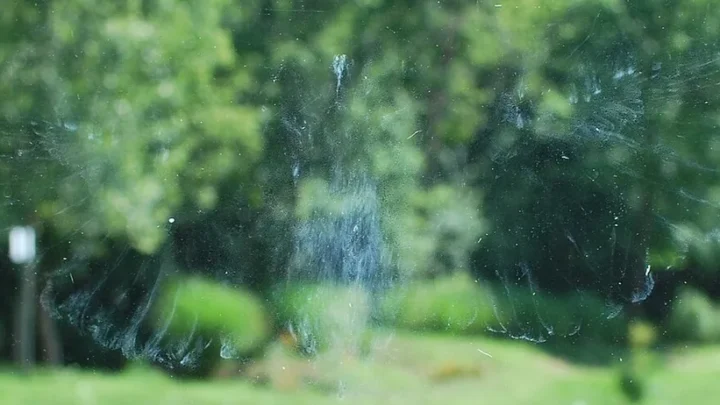
Image: Algae buildup in untreated bird baths can become hazardous.
Birds avoid dirty baths, depriving them of essential hydration and bathing. In extreme cases, contaminated water contributes to local bird population declines. The solution?
Proactive care that prevents these issues entirely.
Quick Answer / Key Insight
Keep Water Fresh, Avoid Chemicals
To maintain a clean bird bath:
- Replace water every 1, 2 days to prevent stagnation.
- Scrub weekly with a brush and white vinegar, no soap or bleach.
- Keep water shallow (under 2 inches) to deter mosquitoes.
- Place in sunlight to inhibit algae naturally.
- Use a dripper or fountain for constant water movement.
This routine takes 10 minutes weekly but ensures safe, inviting water for birds.
Core Explanation / How It Works
Why Bird Bath Water Gets Dirty
Bird bath water deteriorates for three key reasons:
- Stagnation: Still water allows algae spores and bacteria to multiply rapidly.
- Debris buildup: Leaves, feathers, and bird droppings introduce contaminants.
- Warm temperatures: Accelerate microbial growth, especially in summer.
Algae, the green slime you often see, thrives in sunlight and nutrients from debris. Mosquitoes lay eggs in still water within 48 hours. Together, these factors create a cycle of dirtiness that only regular maintenance can break.
Features / Components / What's Inside
Bird Bath Setup Essentials
A bird-friendly bath includes these elements:
- Basin: Shallow (1, 2 inches deep), non-toxic material (ceramic, resin, or glass).
- Location: Sunny spot for natural algae control, near shrubs for bird escape routes.
- Water source: Fresh, chlorine-free tap water (let it sit overnight if using treated water).
- Cleaning tools: Stiff brush, white vinegar, and optional dripper/fountain attachment.
Avoid these:
- Deep basins (over 2 inches)
- Chemical cleaners (bleach, algaecides)
- Stagnant, shaded placements
Benefits & Drawbacks / Pros and Cons
Clean Water: Good for Birds, Good for You
Benefits:
- Healthier birds: Reduces disease transmission and parasite risks.
- Mosquito control: Eliminates breeding sites, lowering West Nile virus chances.
- Attract more species: Birds prefer clean water, increasing backyard visitors.
- Low effort: 10 minutes weekly prevents hours of deep cleaning later.
Drawbacks (if neglected):
- Bird illness/death: Contaminated water spreads infections.
- Pest issues: Mosquito infestations affect humans and pets.
- Constant scrubbing: Skipping maintenance leads to tough algae removal.
Clean baths create a safe haven for wildlife while minimizing yard upkeep. It’s a small task with big ecological rewards.
Step-by-Step Process / How to Guide
Daily and Weekly Maintenance Routine
Daily:
- Replace water: Dump out old water, rinse the basin, and refill with fresh water. This prevents stagnation and removes debris.
- Check for hazards: Clear leaves, insects, or droppings. Ensure water depth stays under 2 inches.
Weekly:
- Scrub thoroughly: Use a stiff brush and vinegar solution (1 part vinegar to 9 parts water) to remove slime and mineral deposits.
- Deep clean: For heavy algae, soak the basin in the vinegar solution for 30 minutes before scrubbing.
- Rinse completely: Remove all cleaning residue, birds are sensitive to chemicals.
Seasonal:
- In winter, use a heater to prevent freezing (if applicable).
- In summer, increase water changes to twice daily during heatwaves.
Use Cases / Best For / Who It's Right For
Who Needs to Clean Bird Baths?
This routine suits:
- Homeowners with gardens: Attract birds while keeping yards pest-free.
- Birdwatchers: Support local bird populations with safe hydration spots.
- Eco-conscious families: Avoid chemicals and reduce mosquito risks naturally.
- Urban dwellers: Even small balconies with bird baths need maintenance to prevent disease spread.
Whether you have a basic basin or a fancy fountain, these steps apply.
Mistakes to Avoid / Common Errors
Pitfalls to Watch Out For
- Using soap or bleach: These leave toxic residues harmful to birds. Stick to vinegar.
- Skipping scrubbing: Rinsing alone won’t remove algae or bacteria. Weekly scrubbing is non-negotiable.
- Overfilling: Deep water drowns birds and aids mosquito breeding. Keep it shallow.
- Shady placement: Sunlight inhibits algae, avoid dense tree cover.
- Ignoring winter care: Frozen baths deprive birds of water; use heaters or de-icers.
FAQs
Frequently Asked Questions
How often should I clean a bird bath in winter?
Even in cold weather, clean weekly. Birds still need water, and stagnant ice can harbor bacteria. Use a heater to keep water liquid.
Can I use hydrogen peroxide instead of vinegar?
Yes, a 3% solution works for scrubbing, but vinegar is cheaper and equally effective. Rinse thoroughly either way.
Why do birds stop using my bath after cleaning?
They may detect chemical residues. Always rinse meticulously after cleaning. Also, ensure the bath is in a quiet, safe location away from predators.
How deep should the water be for hummingbirds?
Hummingbirds prefer 1, 1.5 inches. All birds need water under 2 inches for safety.
Do solar fountains reduce maintenance?
Yes, moving water discourages mosquitoes and algae. Still, change water every 2 days and scrub weekly.
Final Recommendation / Verdict / Decision Guide
Best Practices for Clean Bird Baths
Commit to this simple routine:
- Daily: Replace water, check depth.
- Weekly: Scrub with vinegar, rinse.
- Seasonally: Adjust for heat/cold, deep-clean as needed.
Prioritize shallow, sunny placement and avoid all chemicals. This approach keeps birds safe, reduces yard pests, and ensures your bath stays a vibrant hub for wildlife. Start today, your feathered visitors will reward you with their presence.

Similar Posts