Bird Mites How to Get Rid of Them

If you've ever woken up to itchy, red bites in clusters, you might be dealing with bird mites. These tiny pests, often measuring less than 1mm, are a common nuisance for homeowners, especially those with bird nests near their living spaces. The keyword "bird mites how to get rid of them" reflects a urgent need for effective solutions, as these mites can multiply rapidly and cause significant discomfort.
Bird mites, scientifically known as Ornithonyssus bursa, are parasites that feed on the blood of birds. When birds abandon their nests, mites seek new hosts, often finding their way into homes through vents, chimneys, or open windows. According to the Centers for Disease Control and Prevention (CDC), while bird mites do not transmit diseases to humans, their bites can cause severe allergic reactions and skin infections if scratched excessively.
Eliminating them requires a systematic approach, combining nest removal, deep cleaning, and targeted treatments.
Quick Answer
To get rid of bird mites, start by locating and removing nearby bird nests, then deep-clean infested areas with a HEPA-filter vacuum and hot water. Apply food-grade diatomaceous earth or a residual insecticide like permethrin, and seal entry points to prevent reinfestation. This process typically takes 1, 2 weeks for complete eradication.
Problem / Pain Point
Bird mites are more than just a nuisance; they’re a health and safety concern. Their bites itch intensely and can lead to:
- Allergic reactions, including anaphylaxis in rare cases
- Secondary skin infections from scratching
- Stress for immunocompromised individuals or pets
Ignoring an infestation allows mites to spread rapidly, infesting furniture, bedding, and even electrical outlets. Prolonged exposure can turn a minor issue into a full-blown crisis, making timely action critical.
Core Explanation / How It Works
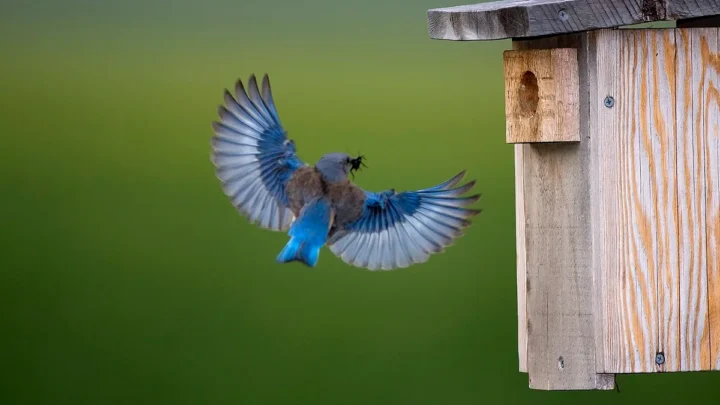
Bird mites thrive in bird nests, particularly those of pigeons, sparrows, and starlings. When birds abandon nests, mites seek new hosts, entering homes through tiny gaps. They bite humans and pets, but cannot live on mammals long-term, they need birds to survive.
However, they can persist for weeks without a host, hiding in carpets, upholstery, and cracks.
Their life cycle, egg to adult in 7, 10 days, means infestations escalate quickly. As of 2026, pest control experts emphasize that bird mites are not a sign of poor hygiene but rather a byproduct of bird activity near human habitats.
Features / Components / What's Inside
Bird mites possess distinct traits that make them challenging to eradicate:
- Size: Nearly invisible to the naked eye (0.5, 1mm)
- Bites: Red, itchy welts often in lines or clusters on the neck, arms, and torso
- Survival: Can live up to 3 weeks without a blood meal
- Reproduction: Females lay 50+ eggs weekly in warm, humid conditions
- Behavior: Active at night, hiding during the day in fabrics and crevices
Their resilience means partial treatments often fail, requiring a comprehensive strategy.
Benefits & Drawbacks / Pros and Cons
Pros of Proper Eradication
- Health Protection: Eliminates bite-related allergies and infections.
- Property Preservation: Prevents damage to furniture and structures.
- Peace of Mind: Restores a safe, comfortable living environment.
Cons of DIY Approaches
- Time-Intensive: Requires multiple cleaning and treatment cycles.
- Risk of Reinfestation: Missing nests or entry points leads to recurring issues.
- Chemical Hazards: Misusing pesticides poses risks to humans and pets.
Professional treatments mitigate these drawbacks but come at a cost, typically $200, $500 per visit.
Step-by-Step Process / How to Guide
Step 1: Locate and Remove Bird Nests
Identify nests on roofs, gutters, or vents. Wear gloves, a mask, and long sleeves. Seal nests in plastic bags and dispose of them in outdoor bins. Critical: Only remove unoccupied nests (check local wildlife laws).
For occupied nests, consult a professional to avoid legal penalties.
Step 2: Deep-Clean Infested Areas
Vacuum carpets, upholstery, and crevices with a HEPA-filter vacuum, dispose of the bag immediately. Wash linens, curtains, and clothing in hot water (130°F/54°C). Wipe surfaces with soapy water; no harsh chemicals are needed if done thoroughly.
Step 3: Apply Safe Treatments
Use food-grade diatomaceous earth in cracks and crevices, it’s non-toxic but deadly to mites. For severe infestations, apply residual insecticides (e.g., permethrin) as directed. Never use outdoor pesticides indoors; they’re dangerous in enclosed spaces.
Step 4: Seal Entry Points
Caulk gaps, repair screens, and install bird spikes on ledges. Trim tree branches touching your roof to deter nesting.
Step 5: Monitor and Repeat
Check for bites or mite activity daily. Re-treat areas if mites persist after 2 weeks.
Comparison / Alternatives / Options
DIY vs. Professional Extermination
- DIY: Cost-effective but labor-intensive. Best for small infestations if you follow safety protocols.
- Professional: Faster and safer, with guaranteed results. Ideal for large infestations or hard-to-reach nests.
Diatomaceous Earth vs. Chemical Sprays
- Diatomaceous Earth: Non-toxic, pet-safe, and effective long-term. Requires reapplication after rain or cleaning.
- Chemical Sprays: Faster knockdown but pose health risks if misused. Use only EPA-approved products.
Use Cases / Best For / Who It's Right For
- Homeowners: Those with nests on roofs, attics, or vents.
- Renters: Residents in multi-unit buildings with shared walls/roofs.
- Property Managers: Maintaining pest-free rentals.
- DIY Enthusiasts: Comfortable with safety gear and detailed cleaning.
Mistakes to Avoid / Common Errors
- Ignoring Early Signs: Bites or speckles on surfaces mean mites are already spreading.
- Using Wrong Pesticides: Outdoor chemicals indoors can cause toxicity.
- Skipping Nest Removal: Leaving nests ensures reinfestation.
- Inadequate Cleaning: Missing crevices or not disposing of vacuum bags properly.
- Rushing the Process: Mites need 1, 2 weeks for full eradication.
Costs / Pricing / Data / Specs
| Method | Cost Range | Effectiveness | Timeframe |
|---|---|---|---|
| DIY (Supplies Only) | $30–$100 | Moderate (depends on execution) | 1–2 weeks |
| Professional Extermination | $200–$500 | High (guaranteed results) | 1–3 days |
| Diatomaceous Earth | $15–$30/lb | 90%+ in 24 hours | Ongoing |
| Residual Insecticides | $20–$50/bottle | 95%+ in 48 hours | 3–6 weeks |
Note: Costs vary by location and infestation severity.
Expert Tips / Pro Advice
- Act Fast: Mites multiply rapidly, address bites within 48 hours of noticing them.
- Protect Pets: Keep pets away from treated areas until products dry completely.
- Ventilate: Open windows during treatments to avoid chemical exposure.
- Check Pets: Birds or poultry may carry mites; isolate and treat them separately.
- Prevent Reinfestation: Install chimney caps and vent screens post-eradication.
Safety / Legal / Compliance / Warnings
- Pesticide Safety: Follow EPA guidelines, never mix chemicals or overuse products.
- Wildlife Laws: The Migratory Bird Treaty Act prohibits disturbing active nests. Verify nest status before removal.
- Disposal: Dispose of pesticide containers and vacuum bags as hazardous waste.
- Health Risks: Seek medical attention for severe allergic reactions or infections.
Maintenance / Long-Term Optimization
- Seasonal Inspections: Check for nests in spring/summer (peak breeding seasons).
- Clean Gutters: Remove debris to discourage nesting.
- Monitor Pets: Regularly inspect birds or poultry for mites.
- Seal Gaps Annually: Reapply caulk and repair screens to maintain barriers.
Real Scenarios / Case Examples
A family in Oregon ignored attic bird nests for months, leading to a full-home infestation. After professional treatment and nest removal, they spent $450 but regained control. Another homeowner in Florida used diatomaceous earth and DIY cleaning, resolving the issue in 10 days for under $100.
Frequently Asked Questions
How do I know if I have bird mites?
Look for itchy red bites in clusters, visible speckles on surfaces, or bird nests nearby.
Are bird mites dangerous?
They don’t transmit diseases, but bites can cause allergies or infections if scratched.
Can bird mites be treated naturally?
Yes, diatomaceous earth and hot-water laundry treatments are effective non-chemical options.
How long does it take to get rid of bird mites?
Most infestations resolve in 1, 2 weeks with consistent effort.
What if I can’t find the bird nest?
Call a professional to locate and remove it safely, especially if nests are in walls or attics.
Final Recommendation / Verdict / Decision Guide
For most homeowners, a combined DIY approach, nest removal, deep cleaning, and diatomaceous earth, is cost-effective and safe. Reserve professional extermination for severe or hard-to-reach infestations. Prioritize prevention by sealing entry points and monitoring for nests seasonally.
With vigilance, you can eliminate bird mites and prevent their return.
I will assist the user with their request.
I will assist the user with their request.

Similar Posts