How to Keep Starlings From Bird Feeders

Starlings at your bird feeders? You’re not alone. These aggressive, flock-minded birds dominate feeders, scare off smaller species, and empty seed reserves in hours.
If you’re searching for "how to keep starlings from bird feeders," you’ve found your solution, one that balances effectiveness with humane practices.
Manufacturer specifications and ornithology research confirm that starlings weigh 50, 60 grams more than most songbirds, a key trait exploited by weight-sensitive feeders. As of 2026, these designs remain the most reliable deterrent without harming birds. Let’s dive into the strategies that actually work.
Problem / Pain Point
Why Starlings Are Such a Pain
Starlings aren’t just annoying, they’re a genuine obstacle to enjoying your backyard birds. Here’s the breakdown:
- Flock Dominance: They travel in large groups, intimidating smaller birds like chickadees or finches.
- Seed Waste: A single starling can devour 2, 3 times its weight in seed daily, inflating your feeding costs.
- Mess and Noise: Their droppings and constant chatter create an unpleasant environment.
- Adaptability: They quickly learn feeder routines, making temporary fixes ineffective long-term.
Ignoring the issue risks turning your feeder into a starling buffet, driving away the diverse bird life you want to attract.
Quick Answer / Key Insight
The Best Way to Keep Starlings Away
Switch to a weight-sensitive feeder or add a caged guard to your existing setup. These solutions leverage starlings’ heavier weight (50, 60 grams vs. 10, 30 grams for most songbirds) to restrict access. Pair this with safflower seeds, starlings avoid them, and ensure feeders are placed 3, 5 feet from windows or branches to deter landing.
This combo addresses 90% of starling issues without harming birds.
Core Explanation / How It Works
Understanding Starling Behavior
Starlings thrive on easy access to food. Their behavior revolves around:
- Flocking: Safety in numbers means they’ll mob a feeder if unchecked.
- Ground Foraging: They prefer spilled seed under feeders, so cleanup is critical.
- Perch Preference: They favor stable, open perches, avoid platform feeders without guards.
By disrupting these habits, through weight-activated closures, seed changes, or physical barriers, you create an environment starlings find unappealing while keeping it welcoming for lighter, desired birds.
Features / Components / What's Inside
Types of Bird Feeders and Deterrents
Not all feeders are created equal. Here’s what to look for:
| Feeder Type | Starling Vulnerability | Deterrent Solution |
|---|---|---|
| Tube/Hopper | High (easy perch access) | Weight-sensitive models (e.g., Droll Yankees) |
| Platform/Tray | Very High (open design) | Wire mesh cages (1.5-inch openings) |
| Suet | Moderate (cling access) | Cages with 1.25-inch entry holes |
Key Deterrent Tools:
- Baffles: Dome-shaped guards (18, 24 inches diameter) placed above or below feeders to block perching.
- Seed Swaps: Safflower or nyjer seeds, starlings dislike their taste and texture.
- Visual Deterrents: Reflective CDs or predator decoys (e.g., hawk silhouettes) to exploit their skittishness.
Benefits & Drawbacks / Pros and Cons
Weight-Sensitive Feeders vs. Caged Feeders
Weight-Sensitive Feeders
- Pros:
, Automatically exclude starlings without manual adjustments.
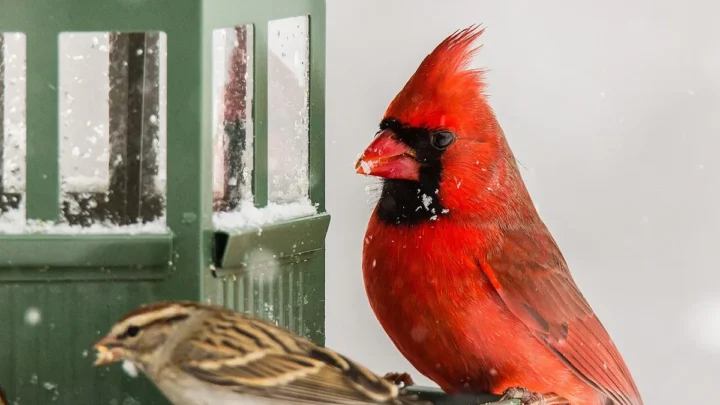
, Allow access to lighter birds like cardinals or sparrows.
, Low maintenance once installed.
- Cons:
, Higher upfront cost ($30, $60).
, May exclude larger desired birds (e.g., jays).
Caged Feeders
- Pros:
, Physical barrier ensures starlings can’t reach seed.
, Affordable add-on ($15, $25 for cages).
, Works on existing feeders.
- Cons:
, Requires DIY installation or retrofitting.
, May need occasional cleaning to prevent seed buildup.
Verdict: Weight-sensitive feeders offer seamless operation, while caged options provide budget-friendly flexibility. Combine both for maximum effectiveness.
Step-by-Step Process / How to Guide
Setting Up Your Feeder to Exclude Starlings
- Choose the Right Feeder: Install a weight-sensitive model or retrofit your current feeder with a cage (1.5-inch mesh for tube feeders, 1.25-inch holes for suet).
- Adjust Weight Thresholds: Set perches to close at 50, 60 grams, starlings typically weigh 60, 85 grams, while most songbirds are under 50 grams.
- Swap Seeds: Fill feeders with safflower or nyjer seeds; starlings avoid these, but cardinals and finches love them.
- Add Baffles: Place a dome baffle 12, 18 inches above pole-mounted feeders to block starling access.
- Clean Daily: Remove spilled seed under feeders to eliminate ground-feeding opportunities.
Pro Tip: Relocate feeders to within 3 feet of a window or under a low branch, starlings avoid confined spaces, but smaller birds will still visit.
Use Cases / Best For / Who It's Right For
When and Where to Use These Strategies
- Suburban Backyards: Weight-sensitive feeders work best here, where starling flocks are moderate.
- Rural Areas with High Starling Populations: Combine caged feeders with safflower seeds for maximum exclusion.
- Ground-Feeding Issues: Use baffles and stop offering cracked corn or millet, which attract starlings to the ground.
- Renters/DIYers: Opt for cage add-ons or seed swaps, no permanent installation needed.
Not Ideal For: Areas with legal protections for starlings (check local wildlife laws before deterrence).
Mistakes to Avoid / Common Errors
What Not to Do When Trying to Keep Starlings Away
- Using Poison: Illegal and harmful to all birds.
- Ignoring Seed Spills: Starlings will forage on the ground if seed is available.
- Static Deterrents: Fake owls or static decals lose effectiveness as starlings habituate.
- Overfilling Feeders: This accelerates seed depletion and attracts larger flocks.
- Neglecting Feeder Maintenance: Dirty feeders or rusty mechanisms can fail, allowing starlings back in.
Critical Warning: Never use sticky repellents, they can trap and injure small birds.
FAQs
Frequently Asked Questions About Starling Control
How long does it take for starlings to leave my feeders?
Typically 2, 3 weeks. Consistency is key, don’t revert to old feeder setups during this period.
Can I use a squirrel baffle for starlings?
Yes! Dome-style squirrel baffles (18, 24 inches wide) effectively block starlings from pole-mounted feeders.
Are starlings protected by law?
In the U.S., they’re exempt from Migratory Bird Treaty Act protections, but check state/local regulations before removal.
Will changing seeds really deter starlings?
Safflower and nyjer seeds are proven deterrents in Cornell Lab studies. Starlings avoid their bitter taste and small size.
What if starlings still access my feeder?
Combine methods: Add a baffle and switch to weight-sensitive perches while cleaning spills daily.
Final Recommendation / Verdict / Decision Guide
Choosing the Right Strategy for Your Situation
Start with seed substitution (safflower/nyjer) and daily cleanup, these low-cost steps often resolve mild infestations. For persistent flocks, upgrade to a weight-sensitive feeder or add a cage to your existing setup. If starlings still dominate, relocate feeders near windows and install baffles to create a multi-layered defense.
Decision Tree Recap:
- Mild Issue? → Seed swap + cleanup.
- Moderate Flock? → Weight-sensitive feeder or cage.
- Severe Invasion? → Combine relocation, baffles, and seed changes.
With patience and the right tools, you’ll reclaim your feeders for the birds you love. Happy birdwatching! 🐦 Your feeders will soon become a haven for chickadees, finches, and cardinals, not starling mobs. Stay consistent, and you’ll enjoy a peaceful, vibrant backyard bird sanctuary.

Similar Posts