Backyard Bird Bath Ideas
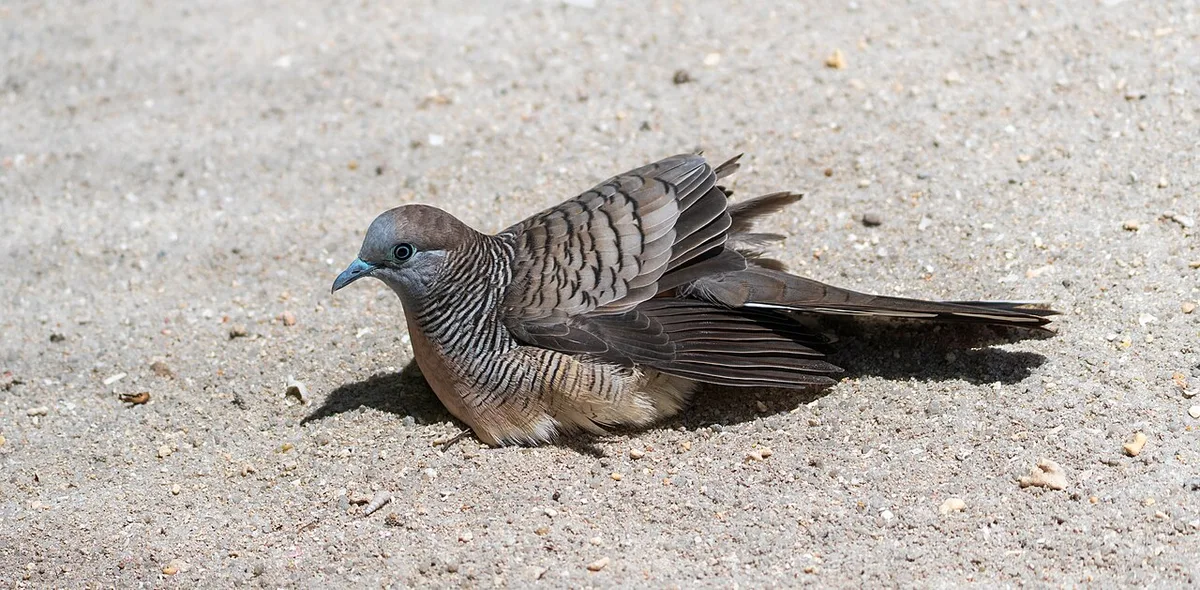
Most backyard bird baths look beautiful for about a week, then the water turns green and the birds stay away. The best backyard bird bath ideas aren't about buying a prettier ornament. They're about understanding how birds actually find and trust water.
Research from the Cornell Lab of Ornithology shows that birds rely on shallow, open water every day, and they'll pass up a bath that feels exposed or too deep. The standard spec is a basin that holds water just 1 to 2 inches deep at the center, with a textured surface for grip. As of 2026, those two details matter more than any style or material.
Get them right, and the right design follows.
Why Bird Bath Design Matters More Than You Think
Birds are cautious by nature. A bath might look perfect to you, but a chickadee sees exposed open water, possible predators, and an unknown surface. If anything feels wrong, it flies on.
Three things every bird checks before landing:
- Clear sightlines. Birds want to spot a cat or a hawk before committing.
- A shallow, wadable edge. Deep water forces a plunge, which many small species avoid.
- A non-slip footing. Wet, glossy bowls feel insecure under tiny claws.
If any one of those is missing, the bath fails, no matter how elegant it looks. That's why design beats decoration here.
A photo of a busy bird bath often looks unassuming. The birds aren't in the middle of the water. They're on the rim, easing in one foot at a time.
That's the design working quietly.
So before you compare styles, compare dimensions and exposure. A ground-level basin works because robins and sparrows prefer low, open water. A pedestal bath works because it gives small birds a safe perch with a view.
A hanging bath works because it offers a quick escape route.
Match the bath to your local birds and your yard's layout. If you're in a wide-open lawn with dense tree lines, a pedestal bath near the edge gives birds the confidence to come down. If you've got a quiet flower bed, a ground bath tucked beside it will get hammered with traffic.
The 5 Bird Bath Styles That Actually Work
Every style has a purpose, and the right one depends on your space and the birds you're hoping to attract. Here's the short version before we dig in.
Image source: Wikimedia Commons / NorbertNagel (CC BY-SA)
Pedestal Baths: The Backyard Classic
The traditional elevated bowl on a column, usually concrete or glazed ceramic. It stands 30 to 36 inches tall, which keeps water well above ground predators. Best for open lawns where you want a permanent garden centerpiece.
Hanging Baths: Small Spaces, Action at Eye Level
Lightweight basins that hook onto a branch or a shepherd's pole. They give small birds a fast escape route, and you can watch activity at eye level from a patio or deck. Best for balconies, courtyards, and tiny city yards.
Ground Baths: The Robin Magnet
A low basin set level with the grass, often made of stone or thick ceramic. Robins, thrushes, and sparrows prefer bathing where they naturally feed. Best for quiet corners near flower beds or under a tree's edge.
Solar Fountains: Moving Water Multiplies Visitors
A solar-powered pump turns a still bath into a gentle fountain. The sound and ripple of moving water catch birds' attention from surprising distances. Best for sunny spots where you want steady traffic and a soft trickle sound.
Heated Baths: A Winter Lifeline
A built-in heater keeps water liquid down to freezing. Birds need bathing water in winter, not just drinking water, and ice can coat their feathers. Best for cold-climate yards and year-round watchers.
If you're deciding quickly: pedestal for a classic lawn, hanging for small spaces, ground for robins, solar for sunny yards, heated for freezing winters.
Visual Placement Guide: Where to Position a Bird Bath for Maximum Traffic
Placement is where most bird baths fail. You can own the perfect basin, set it in the wrong spot, and it will sit untouched all summer.
The 10-12 Foot Cover Rule (and How to See It)
Birds want an escape route to nearby branches, but they don't want predators hiding in them. Place the bath roughly 10 to 12 feet from dense shrubs or tree lines. Picture a circle around the bath.
Close enough that birds feel safe, far enough that a cat can't pounce from cover.
Reading Sun and Shade Patterns in Your Yard
Full sun heats the water and feeds algae fast. Full shade keeps the bath cold and hides it from birds overhead. Walk your yard on a sunny day and note which spots get morning sun and afternoon shade.
That combination is the sweet spot.
Framing the Bath for the Best View From Your Window
Position the bath where you'll actually watch it. If you spend mornings in the kitchen, set it 20 to 40 feet from that window, close enough for detail but far enough that your movement doesn't scare birds. Leave open airspace above so passing birds spot it from the sky.
If the spot feels exposed, add a nearby perch, like a dead branch or a trellis, as a staging point. Birds check it before they commit to the water.
What a Bird-Safe Bath Looks Like: Depth, Grip, and Materials
Birds don't care about decorative curves. They care about how the water feels under their feet. A bath that's too deep or too slippery is worse than no bath at all.
The 1-2 Inch Depth Rule (Visually Explained)
The water at the center should be no deeper than 2 inches. Deeper than that and small birds risk waterlogged feathers. Picture a shallow cereal bowl, not a mixing bowl.
Most store-bought baths are too deep, which is why adding a few flat stones to the center solves most problems.
Texture and Grip: Why Shiny Bowls Fail
Glazed ceramic and polished stone get slick when wet. Birds grip with their toes, so they avoid surfaces that make them slide. Look for unfinished concrete, rough stone, or a textured interior.
If you already own a shiny bath, scatter a layer of small pebbles across the center to create traction.
Materials That Last, Don't Leach, and Look Good Aging
Concrete cracks if water freezes inside it, so move it or cover it before hard frosts. Copper develops a natural patina but can bake in full sun. Resin stays lightweight and UV-resistant, though it doesn't age as gracefully as stone.
Natural stone lasts decades with zero maintenance. Conservation guidelines, including those from the U.S. Fish & Wildlife Service, suggest avoiding galvanized metal where birds drink, since zinc can leach into standing water.
DIY Bird Bath Ideas That Look Made by a Pro
DIY doesn't mean pouring concrete molds or buying craft kits. The best homemade baths come from repurposed kitchen and garden items, and they look intentional if you stick to one material palette.
Repurposed Saucers, Bowls, and Planters
A wide terracotta saucer, a ceramic mixing bowl, or a plant pot tray can all become baths. The secret is grip: add a thin layer of aquarium gravel or flat pebbles inside before filling. Set the saucer on an inverted flower pot or a sturdy log, and it looks curated instead of thrown together.
Leveled Natural Stone: The Barely-Built Look
A flat rock with a natural depression in its middle is the most organic bath you can build. Set it on a level base of smaller stones or a concrete paver, and make sure it's actually level. Water spills over a low edge if it's off by even half an inch.
Tilted Pot and Stacked Stone Baths
For a different silhouette, tilt a wide terracotta pot on its side and prop it with a wedge. Nestle a saucer underneath to catch overflow from a dripper. Or stack flat field stones two or three high and top them with a hollow stone basin.
Keep the joints tight so the structure doesn't wobble.
Before you let birds in, scrub the new bath with a vinegar-water solution and rinse thoroughly. Let it dry in the sun for a day. Then fill it, step back, and wait.
It's usually a matter of hours, not days.
Bird Bath Mistakes You Can Spot From Your Kitchen Window
You don't need to go outside to diagnose most bird bath problems. A few minutes of watching from your window reveals what's wrong. Here are the four most common failures and the quick fix for each.
Algae, Slime, and Stagnant Water
Green water means the bath sits in full sun and lacks movement. Algae need light and warm temperatures, and a still bath provides both. The fix is simple: move the bath to partial shade or add a solar fountain.
Also scrub the basin with a vinegar-water solution every 2 to 3 days in hot weather. A clean bath gets ten times more traffic than a slimy one.
Slick Surfaces Birds Can't Grip
If birds land, then immediately flutter away, the surface is too slippery. Glazed ceramic and polished stone are the usual suspects. Fix it by scattering small pebbles across the center or replacing the basin with unfinished concrete.
The texture gives birds a secure footing, and they'll return all day.
The Danger Zone: Baths Placed Too Close to Cover
A bath tucked against a bush seems safe, but it's a cat's hunting blind. Birds know this, and they'll avoid the spot. Move the bath 10 to 12 feet from dense shrubs.
Keep open sightlines on every side. That way birds can see predators approaching long before they commit to the water.
Winter Cracks and Freeze-Outs
Concrete baths crack when trapped water freezes and expands. If you live where it frosts, drain the bath and cover it before the first hard freeze. Heated baths stay ice-free, but they still need regular cleaning.
A cracked bath leaks slowly, which in winter turns into a slick ice hazard on your lawn.
Bird Bath FAQs
How often should I clean a bird bath?
In hot weather, scrub every 2 to 3 days. In cooler months, a weekly rinse usually works. The rule is simple: if the water looks green or cloudy, clean it.
A quick vinegar-water scrub and rinse beats any chemical cleaner.
Why aren't birds using my bath?
Check three things: depth, placement, and texture. Water deeper than 2 inches scares small birds. A bath in open full sun or too close to cover gets skipped.
And a slippery surface sends birds away. Fix all three, and the birds usually show up within days.
Can I put a bird bath in direct sun?
You can, but the water heats up and algae grows fast. Morning sun with afternoon shade is the sweet spot. If full sun is your only option, add a solar fountain and clean it often.
Moving water keeps temperatures down.
Is a fountain or dripper worth it?
Yes, moving water is the strongest attractant. A solar fountain adds sound and ripple that birds spot from a distance. A dripper works in shade and uses less water.
Either one turns an empty bath into a busy one.
Should I leave my bird bath out in winter?
That depends on your climate. If it's concrete, drain and cover it before freezing. If it's resin or metal, you can leave it out.
Heated baths give birds a crucial winter water source when everything else is frozen.
The Bottom Line on Backyard Bird Bath Ideas
The best bird bath in the world is one that's shallow, textured, and placed where birds feel safe. Style matters less than the details. Focus on the 1 to 2 inch depth rule, a rough surface, and a spot 10 to 12 feet from cover.
Then keep it clean and watch the yard come alive.
Start with one bath and watch it for a week. You'll learn what your local birds want. Then you can add a fountain, a dripper, or a second bath in another corner.
Small changes make a huge difference, and the birds will always let you know what's working.

Similar Posts