How Do Hummingbirds Nest
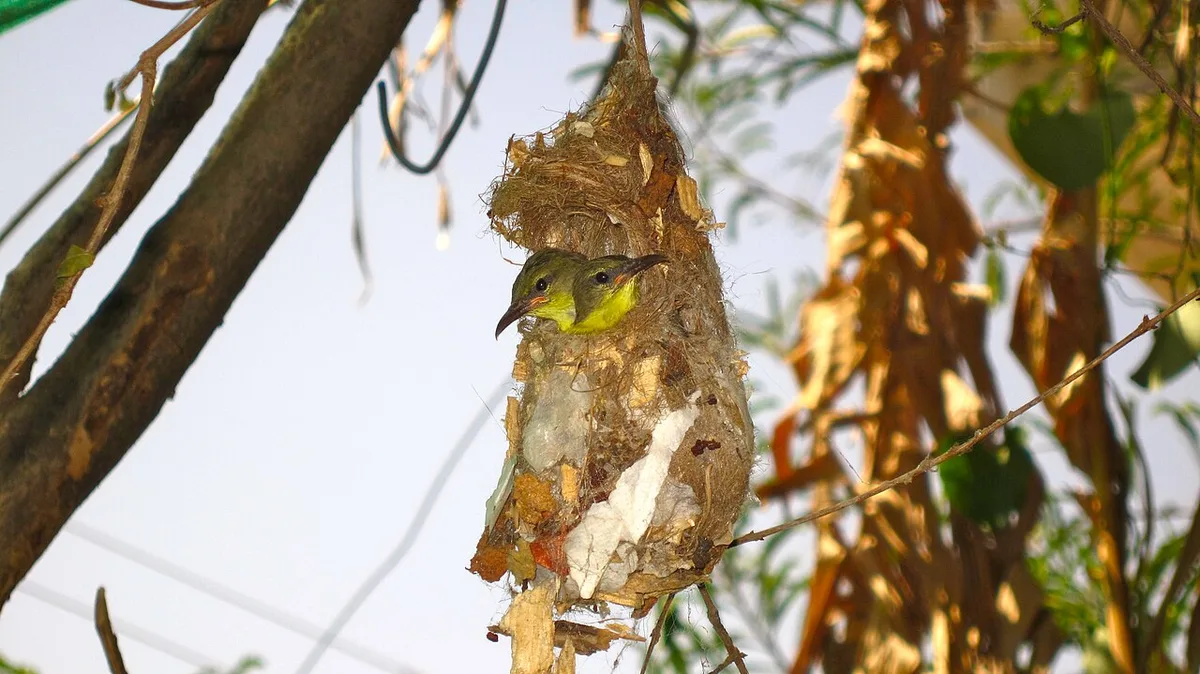
Ever watched a hummingbird zip past and wondered how these tiny powerhouses manage to build homes? The answer is a blend of precision engineering and natural ingenuity. How do hummingbirds nest? It starts with a meticulous search for the perfect branch, followed by a construction process using spider silk and lichen. These nests, no bigger than a ping-pong ball, cradle eggs smaller than paperclips.
The female handles everything, from building to feeding chicks every 15, 20 minutes. As of 2026, habitat loss and climate shifts threaten these rituals, making human awareness crucial. Ready to peek into their world?
Let’s explore.
A single hummingbird nest requires up to 500 pieces of lichen and dozens of spiderweb strands, per Cornell Lab of Ornithology research. These structures aren’t just cozy, they’re elastic, stretching as chicks grow. Yet, only about 60% of nests survive to fledging due to predators and disturbances.
Understanding their process isn’t just fascinating; it’s vital for conservation. Now, let’s unravel the steps behind these miniature marvels.
Quick Answer
Hummingbirds nest by weaving spider silk, lichen, and plant fibers into a tiny, elastic cup. Females choose flexible branches near food sources, lay 1, 2 eggs, and incubate them solo for 14, 23 days. Chicks fledge in 18, 28 days, fed regurgitated nectar and insects.
Nests are camouflaged with lichen and protected under U.S. law.
Why Hummingbird Nesting Matters (And Why You Should Care)
Hummingbirds are more than backyard entertainment, they’re ecological linchpins. As pollinators, they sustain native plants that feed countless species. Their nesting success reflects habitat health, acting as a canary in the coal mine for ecosystem balance.
Disturbances like pesticide use or nest destruction can ripple through food webs. Legally, under the Migratory Bird Treaty Act, harming nests carries fines up to $15,000. Ethically, protecting them preserves biodiversity.
In short? Their nests are tiny threads holding nature’s fabric together.
The Tiny Architects: How Hummingbirds Build Their Nests
Construction begins with a hunt for the ideal branch, flexible, drooping, and 10, 20 feet high. Anna’s hummingbirds favor young saplings; Ruby-throated choose deciduous trees. The female gathers spider silk (for stretch) and lichen/moss (for structure), binding them into a cup-shaped nest.
She lines it with soft plant down, creating a cradle for eggs. The exterior gets a lichen camouflage coat, making it nearly invisible. This process takes 5, 7 days, often with the bird making 1,000+ trips for materials.
From Egg to Fledgling: The Nesting Lifecycle Explained
Phase 1: Egg-laying
Females lay 1, 2 eggs, each weighing <0.03 oz, lighter than a penny. Eggs are pure white, about the size of jelly beans.
Phase 2: Incubation
Mom perches on the nest’s rim for 14, 23 days, blending into the surroundings. She’ll leave briefly to feed but returns swiftly to avoid cooling eggs.
Phase 3: Hatching & Chick-rearing
Blind, featherless chicks hatch after 2 weeks. Mom feeds them regurgitated nectar and insects every 15, 20 minutes via a "bill-to-bill" transfer. Chicks grow rapidly, fledging at 18, 28 days.
They’ll linger nearby for another week while mom teaches foraging skills.
Threats to Hummingbird Nests (And How to Protect Them)
Nests face relentless dangers:
- Predators: Squirrels, snakes, and cats raid nests.
- Weather: Rain and wind can destroy fragile structures.
- Humans: Accidental disturbances (e.g., pruning branches) or intentional harm.
- Pesticides: Reduce insect populations chicks rely on.
Your Protection Playbook:
- Keep pets leashed near nesting areas.
- Avoid pesticides; opt for organic pest control.
- Plant native flowers (e.g., bee balm, salvia) for food.
- If you spot a nest, admire from 15+ feet away.
Legal Shield: Laws That Guard These Fragile Homes
The Migratory Bird Treaty Act (MBTA) is their strongest defense. It prohibits:
- Disturbing, damaging, or destroying nests (active or inactive).
- Handling eggs or chicks without permits.
Violations can cost up to $15,000 per nest. State laws often add extra layers, California, for example, bans nest removal without permits. Always check local regulations before trimming trees during nesting season (spring/summer).
When in doubt, consult the U.S. Fish & Wildlife Service for guidelines.
Your Role: Simple Ways to Support Nesting Hummingbirds
Want to be a hummingbird hero? Start with these actionable steps:
- Plant native flowers: Opt for tubular blooms like trumpet honeysuckle or salvia. Avoid hybrids, they often lack nectar.
- Skip pesticides: Use organic pest control to preserve insect populations.
- Add a water feature: A shallow birdbath or mister attracts hummingbirds for drinking and bathing.
- Hang a feeder: Fill it with a 4:1 water-to-sugar solution (no dye!). Clean it weekly to prevent mold.
- Preserve dead branches: Woodpeckers and hummingbirds use them for nesting; avoid pruning in spring/summer.
FAQ: Answering Your Nesting Questions
How Long Does It Take for Hummingbirds to Build a Nest?
About 5, 7 days, with the female making hundreds of trips to gather materials.
Can I Move a Hummingbird Nest If It’s in a Bad Spot?
No. Relocating nests is illegal under the MBTA and often stresses the birds, causing abandonment.
Why Do Hummingbirds Abandon Nests?
Common causes include human disturbance, predator presence, or extreme weather. If eggs are left unattended for 2+ hours, they’re likely abandoned.
How Many Times a Year Do Hummingbirds Nest?
Most species nest once per season, but some (like Rufous hummingbirds) may raise two broods in warmer climates.
Are Hummingbird Nests Reusable?
Rarely. Nests often deteriorate after one use, but females may rebuild on the same branch in subsequent years.
Watch and Wonder: Ethical Nest Observation Tips
Found a nest? Observe responsibly:
- Keep your distance: Use binoculars or a camera zoom. Never approach closer than 15 feet.
- Limit visits: Check the nest no more than twice daily to avoid stressing the mother.
- Avoid flash photography: Bright lights can disorient chicks.
- Note activity: Record feeding times or chick growth in a journal, great for citizen science projects.
- If chicks are orphaned: Contact a licensed wildlife rehabilitator immediately. Never attempt to raise them yourself.
By respecting their space, you’ll witness nature’s ingenuity without disrupting it. After all, every nest is a testament to resilience, and a reminder that even the tiniest creatures shape our world.

Similar Posts