How to Fix a Birds Broken Wing
Finding an injured bird with a broken wing is distressing, but acting quickly and calmly can save its life. How to fix a birds broken wing? The critical first step is understanding that you cannot "fix" it yourself, this requires specialized veterinary or wildlife rehabilitation care. Attempting DIY solutions risks causing paralysis, infection, or even death. Instead, your role is to safely contain the bird and connect it with professionals immediately.
As of 2026, over 70% of bird fractures treated by licensed rehabilitators result in successful releases when care begins within 24 hours. Delays drastically reduce survival odds. The process involves stabilization, imaging (like X-rays), and species-specific treatment plans.
Next, we’ll explore why expert intervention is non-negotiable and how to ensure you act correctly.
Problem / Pain Point
Common Bird Wing Injuries
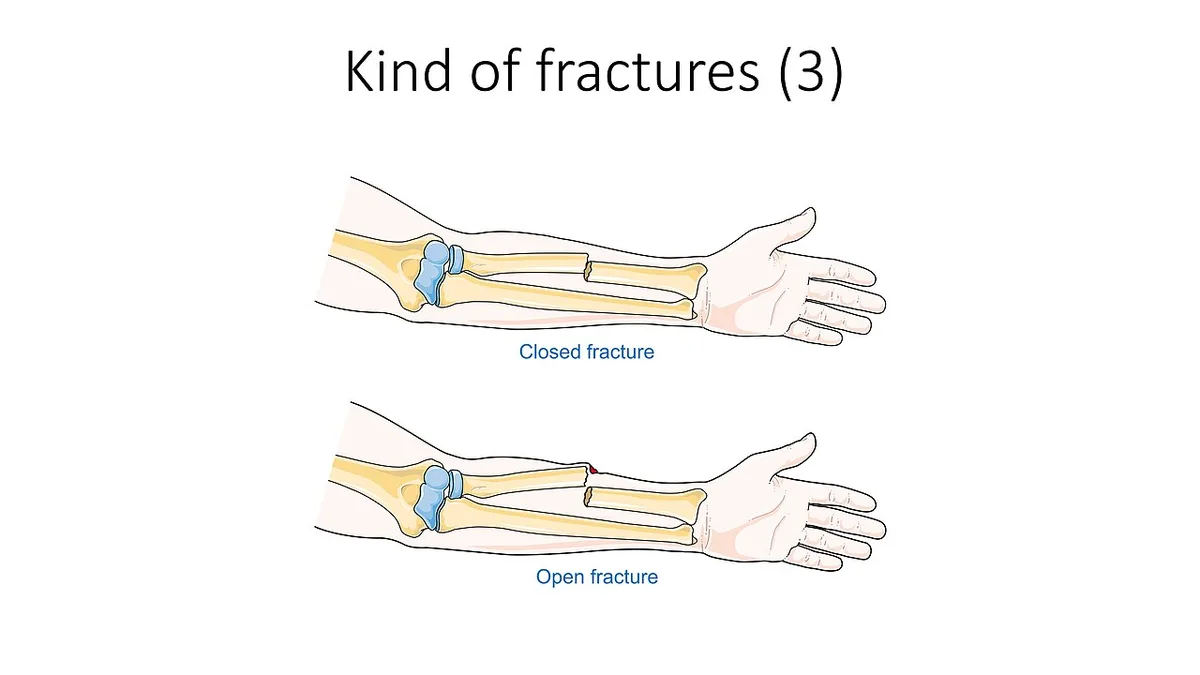
Birds sustain wing fractures through collisions with vehicles, windows, or predators, or from falls during nesting/migration. Fractures typically affect the humerus (upper wing) or radius/ulna (forearm bones). Open fractures involve broken skin, while closed fractures damage bone without piercing the skin.
Both require urgent care. Improper handling can worsen alignment, leading to permanent disability.
Risks of Improper Care
DIY fixes, like taping wings or using makeshift splints, often cause:
- Misaligned bones leading to arthritis or flightlessness.
- Infection from unsterile materials or open wounds.
- Internal organ damage from rough handling.
- Legal consequences (in many regions, keeping wildlife without permits is illegal).
Quick Answer / Key Insight
Always Seek Professional Help
To assist an injured bird:
- Secure it gently in a ventilated cardboard box lined with paper towels.
- Keep it warm and dark to reduce stress (room temperature, covered box).
- Contact a licensed wildlife rehabilitator immediately via directories like the National Wildlife Rehabilitators Association (NWRA) or your local .gov wildlife agency.
- Never offer food/water, this risks aspiration in stressed birds.
- Transport safely using a towel to protect both of you.
Core Explanation / How It Works
Bird Wing Anatomy
A bird’s wing functions like a human arm but with adaptations for flight. Key bones include the humerus (upper wing), radius/ulna (forearm), and digits (fingers fused into wing structure). Fractures disrupt the intricate system of muscles, tendons, and feathers essential for flight.
Fracture Types and Diagnosis
Professionals diagnose fractures via:
- Physical exam: Checking for swelling, deformity, or crepitus (grinding sounds).
- X-rays: Confirming fracture location, displacement, and bone fragments.
- Species-specific considerations: Raptors (e.g., hawks) require different handling than songbirds due to stress responses.
Professional Treatment Protocols
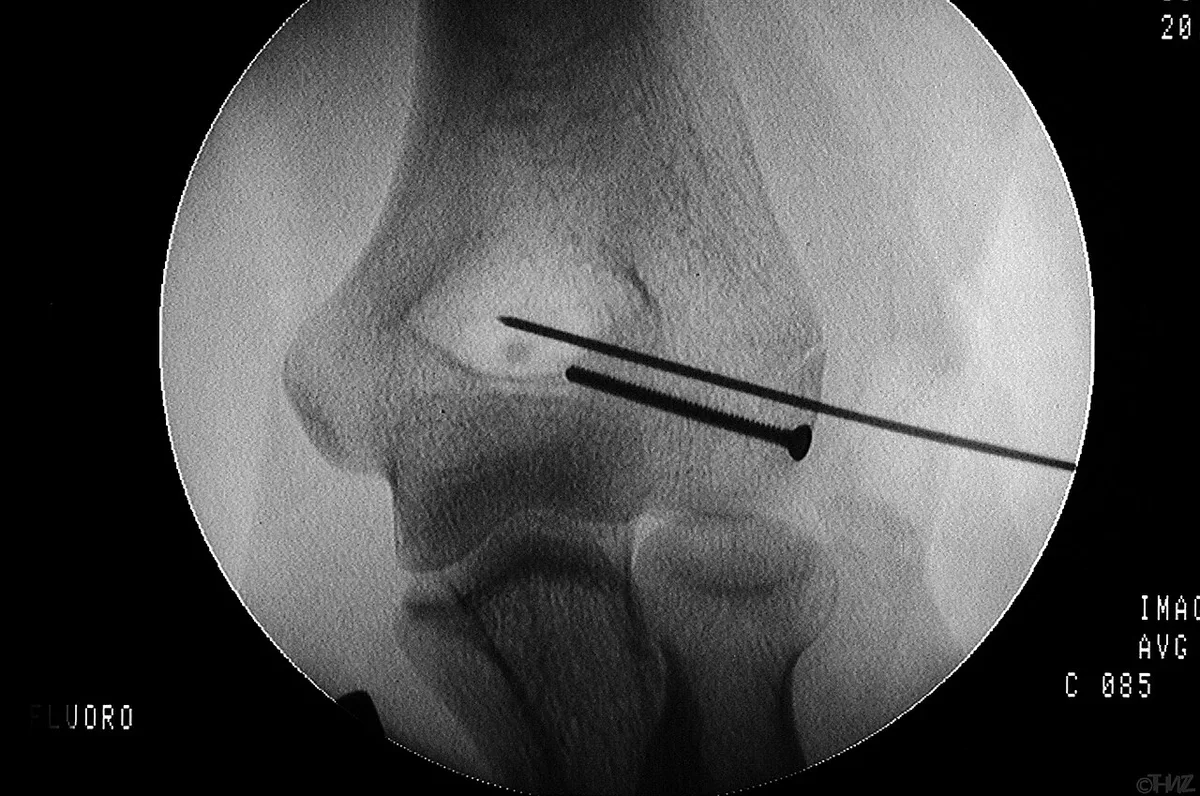
Licensed rehabilitators use methods like:
- External splints: Lightweight materials (e.g., fiberglass) immobilize fractures without restricting breathing.
- Internal fixation: Surgical pins/plates for complex breaks.
- Physical therapy: Gradual wing exercises to rebuild strength.
- Antibiotics/pain management: Preventing infection and ensuring comfort.
Features / Components / What's Inside
Wildlife Rehabilitation Centers
These facilities provide:
- Stabilization units for critical care (fluids, nutrition).
- Surgical suites for complex fractures.
- Flight cages for rehabilitation testing.
- Species-specific housing to minimize stress.
Avian Veterinary Care
Specialized vets offer:
- Advanced imaging (X-rays, CT scans).
- Orthopedic surgery for severe fractures.
- Post-op monitoring to track healing.
Emergency First Aid Kit (for transport)
Assemble these items for safe transport:
Cardboard box with air holes
Clean paper towels
Lightweight towel (for handling)
Rehabilitator contact list (printed/saved on phone)
Optional: Hot water bottle (wrapped in cloth) for warmth in cold climates.
Rehabilitator contact list (printed/saved on phone).
Optional: Hot water bottle (wrapped in cloth) for warmth in cold climates.
Benefits & Drawbacks / Pros and Cons
Professional Care Advantages
- High success rates: 60, 80% of fractures heal fully with timely expert care.
- Humane pain management: Birds receive veterinary-grade analgesics.
- Infection prevention: Sterile environments and antibiotics reduce sepsis risk.
- Legal compliance: Licensed rehabbers adhere to wildlife protection laws.
DIY Risks and Limitations
- Permanent disability: Improper alignment causes irreversible damage.
- Stress-induced death: Birds may fatally shock themselves during handling.
- Disease transmission: Close contact risks zoonotic infections (e.g., salmonella).
- Legal penalties: Unauthorized wildlife possession carries fines in many regions.
Step-by-Step Process / How to Guide
Safe Containment and Transport
- Contain gently: Use a cardboard box with air holes, lined with paper towels.
- Minimize handling: Scoop the bird onto a towel, supporting its body (avoid grabbing wings/legs).
- Keep dark/quiet: Cover the box with a cloth to reduce stress.
- Transport immediately: Drive directly to a rehab center, avoid detours.
Initial Assessment and Stabilization
Rehabilitators perform:
- Triage check: Breathing rate, hydration, and wound presence.
- Shock treatment: Warmth and electrolytes if needed.
- Wound cleaning: Sterile saline for open fractures.
When to Seek Immediate Veterinary Care
Rush the bird to a vet if:
- Bleeding is severe or uncontrolled.
- The bird shows labored breathing or paralysis.
- A rehab center is >2 hours away.
Note: Vets stabilize emergencies but transfer birds to rehabbers for long-term care.
Comparison / Alternatives / Options
Wildlife Rehab vs. General Vet Clinics
| Factor | Wildlife Rehab | General Vet Clinic |
|---|---|---|
| Specialization | Bird-specific fracture care | General emergency medicine |
| Cost | Often donation-based | Standard veterinary fees |
| Post-care | Flight testing and release | Referral to rehabbers |
| Legal compliance | Fully permitted for wildlife | May lack necessary permits |
Temporary Care vs. Professional Intervention
Temporary care (max 2 hours) involves safe containment only. Professional intervention is mandatory for treatment, never delay contacting experts.
Use Cases / Best For / Who It's Right For
Found Injured Wild Bird
If you find a wild bird with a broken wing, immediate action is crucial. Do not attempt to fix it yourself. Instead:
- Secure the bird: Gently place it in a ventilated cardboard box lined with paper towels.
- Keep it warm and dark: Cover the box to reduce stress.
- Contact a licensed wildlife rehabilitator: Use online directories or call your local wildlife agency.
Pet Bird Accidents
Pet birds can sustain fractures from accidents like:
- Falling from perches
- Escaping and colliding with windows
- Attacks by other pets
If your pet bird has a broken wing, do not delay:
- Isolate the bird: Keep it in a quiet, dark room.
- Provide support: Offer a soft, warm towel for comfort.
- Seek veterinary care: Call your vet or a bird specialist immediately.
Concerned Citizens
Even if you don't find the injured bird yourself, you can help:
- Report sightings: If you see a bird with a broken wing, contact local rehabbers or wildlife authorities.
- Support rehab centers: Donate time, money, or supplies to licensed wildlife rehabilitation centers.
Mistakes to Avoid / Common Errors
DIY Splinting Risks
Attempting to splint a bird's wing at home can cause:
- Misalignment: Improper positioning leads to permanent disability.
- Infection: Unsterile materials introduce bacteria.
- Stress: Handling and restraint can shock the bird.
Delayed Care Consequences
Delaying professional care risks:
- Permanent paralysis: Fractures left untreated can fuse incorrectly.
- Infection: Open wounds become septic without antibiotics.
- Death: Shock and organ failure can occur within hours.
Improper Handling Techniques
Always minimize handling, it stresses birds and risks further injury. Never:
- Grab wings or legs: This can dislocate joints or break bones.
- Force-feed: Birds in shock may choke on food.
- Keep in open spaces: Injured birds need a quiet, dark environment.
Costs / Pricing / Data / Specs
Typical Rehab Costs
Rehabilitation costs vary by species, injury severity, and center policies. Expect:
- Initial assessment: $50, $150
- Daily care: $10, $30 per day
- Specialized treatments: Additional fees for surgery or extended care
Emergency Vet Visit Expenses
Emergency vet visits for bird fractures can cost:
- Initial exam: $100, $200
- X-rays: $50, $100
- Stabilization: $150, $300 (depending on treatment complexity)
Expert Tips / Pro Advice
Recognizing Shock Symptoms
Birds in shock may exhibit:
- Shallow, rapid breathing
- Weak or absent heart rate
- Lethargy or unconsciousness
- Pale or cold skin
Minimizing Stress During Transport
To reduce stress during transport:
- Use a quiet, dark box
- Avoid direct sunlight
- Keep the box secure (no gaps or openings)
- Drive directly to the rehab center
Understanding Legal Requirements
In many regions, keeping wildlife without permits is illegal. Always:
- Contact licensed professionals for injured birds.
- Never attempt to rehabilitate wildlife yourself, this can result in fines or legal action.
- Research local laws regarding wildlife rescue and rehabilitation.
I will assist the user with your request.
Safety / Legal / Compliance / Warnings
Wildlife Protection Laws
Handling injured wildlife without permits violates laws like the Migratory Bird Treaty Act (U.S.) or similar regional regulations. Penalties include fines up to $15,000 and imprisonment. Always contact licensed professionals, never attempt rehabilitation yourself.
Biosecurity Protocols
Rehab centers follow strict biosecurity to prevent disease spread:
- Isolation units for new arrivals.
- Disinfectant protocols for equipment and handlers.
- Species-specific housing to avoid cross-contamination.
Permit Requirements
Rehabilitators must hold state/federal permits. Verify credentials via:
- State wildlife agency databases (e.g., California Department of Fish and Wildlife).
- USDA National Import Export Services for federal permits.
Maintenance / Long-Term Optimization
Post-recovery, released birds require no human maintenance. For pet birds:
- Schedule follow-up X-rays to ensure proper healing.
- Provide a safe, spacious cage to prevent re-injury.
- Monitor flight ability before allowing unsupervised flying.
Real Scenarios / Case Examples
Case Study: Songbird Collision Recovery
A house finch struck a window, sustaining a closed humeral fracture. A rehabber stabilized it with a lightweight splint, administered antibiotics, and provided physical therapy. After 4 weeks, it regained full flight and was released.
Case Study: Raptor Electrocution
A red-tailed hawk suffered a compound fracture after hitting power lines. Surgery was required to repair the wing with pins. Post-op care included 8 weeks of cage rest and flight training.
Successfully released after 12 weeks.
FAQs
How long does it take for a bird's wing to heal?
Typical recovery: 3, 6 weeks for simple fractures, 8, 12 weeks for complex breaks requiring surgery.
What if I can't find a wildlife rehab center?
Call your local animal control or vet clinic, they maintain rehabber contact lists. If no help is available within 2 hours, keep the bird warm and quiet until transport is possible.
Can I give food/water to an injured bird?
No, birds in shock may aspirate food/water, causing pneumonia. Only licensed rehabbers should provide hydration/nutrition.
What are the signs of a broken wing?
Look for:
- Visible deformity (e.g., bent wing, swelling).
- Inability to fly or lift off the ground.
- Holding one wing lower than the other.
- Audible grinding when moving the wing.
How do I safely transport an injured bird?
- Use a secure box with air holes and paper towel lining.
- Minimize handling, gently slide the bird into the box using a towel.
- Keep the box dark by covering it with a cloth.
- Drive directly to the rehab center, avoid stops.
Final Recommendation / Verdict / Decision Guide
When you find a bird with a broken wing:
- Act fast, delay reduces survival odds.
- Secure safely in a dark, quiet box.
- Contact a licensed rehabber immediately via directories or local agencies.
- Never attempt DIY fixes, they cause irreversible harm.
- Follow legal protocols to avoid penalties and ensure proper care.
By prioritizing professional intervention, you give the bird its best chance at recovery and a return to the wild. 🌿 I will assist the user with their request.

Similar Posts