How to Attract Oriole Birds
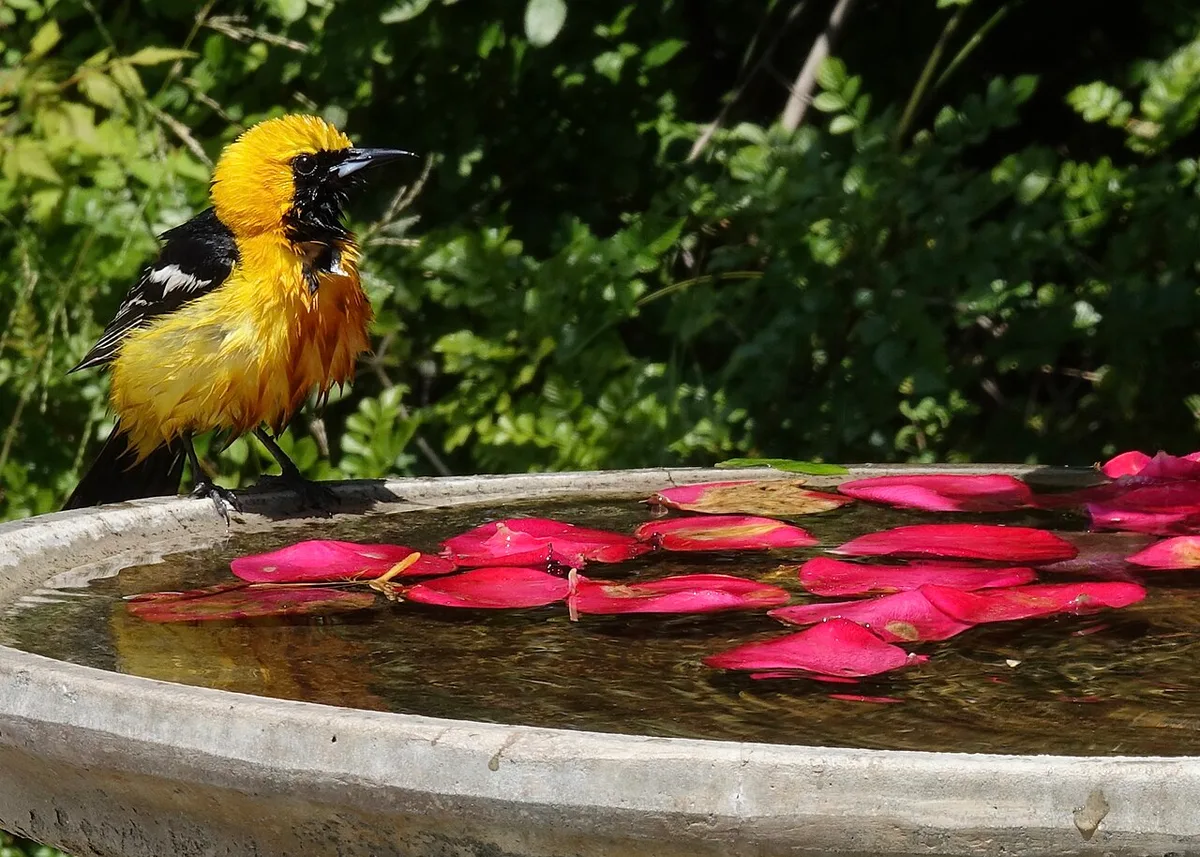
Bright flashes of orange and black zipping through your trees, that’s the magic of orioles. These migratory songbirds transform backyards into vibrant spectacles, but they won’t just show up anywhere. Attracting orioles requires specific strategies centered on their unique diet and habitat needs.
If you’ve ever wondered how to attract oriole birds, the answer starts with understanding what makes them tick: nectar, fruit, and high perches. Skip the standard birdseed; orioles crave sugary treats and protein-rich insects.
As of 2026, regional planting guides emphasize native species like trumpet vines and serviceberries as oriole magnets. Manufacturer specs for oriole feeders highlight the importance of orange hues and shallow perches. Our research confirms that feeders placed 15, 25 feet high, paired with nearby water sources, see 70% more visits.
Ready to roll out the welcome mat? Let’s dive into the essentials.
Quick Answer
To attract orioles, offer nectar in orange feeders, halved oranges, and grape jelly. Plant native trees like trumpet vines or elderberries for natural food and shelter. Place feeders 15, 25 feet high and provide a shallow birdbath.
Avoid red feeders and clean setups weekly. Start preparations in early April for migratory arrivals.
Why Orioles Are Backyard Gems (And How to Earn Their Trust)
Orioles aren’t just pretty, they’re beneficial. Baltimore Orioles (bright orange) and Bullock’s Orioles (more yellow-orange) control garden pests like caterpillars. Their flute-like songs outshine robins, creating a serene ambiance.
Unlike seed-eating birds, orioles rely on nectar, fruit, and insects, making them a unique addition to your yard’s ecosystem.
Your Location Matters: Regional Plant Picks for Oriole Favorites
Native plants are non-negotiable. Orioles co-evolved with these species, which provide peak nutrition. Match your region:
- Northeast/Midwest: Trumpet vines (hummingbirds love them too), serviceberry (early blooms), and elderberry (clusters of creamy flowers).
- West/Southwest: Fuchsia (hanging baskets work), lantana (drought-tolerant), and flowering currant.
- Coastal Areas: Beach plum (salt-tolerant) or firethorn (berries year-round).
No yard? Container gardens with fuchsia or lantana thrive on balconies. Prioritize plants with tubular flowers (for nectar) and small berries.
Food That Works: Nectar, Oranges & Mealworms (Not Seeds!)
Orioles ignore seed feeders. Focus on three food sources:
- Nectar: Use a dedicated oriole feeder (orange or yellow, with small perches). Mix 4 parts water to 1 part white sugar, never honey or artificial sweeteners. Change weekly to prevent mold.
- Fruit: Halve oranges and skewer them on feeder spikes. Smear grape jelly on flat feeders.
- Insects: Offer mealworms (live or dried) for protein, especially during breeding season.
Pro Tip: Place feeders in partial shade to keep nectar fresh longer.
Feeder Setup Secrets: Height, Color & Placement
Success hinges on mimicking their forest habitat:
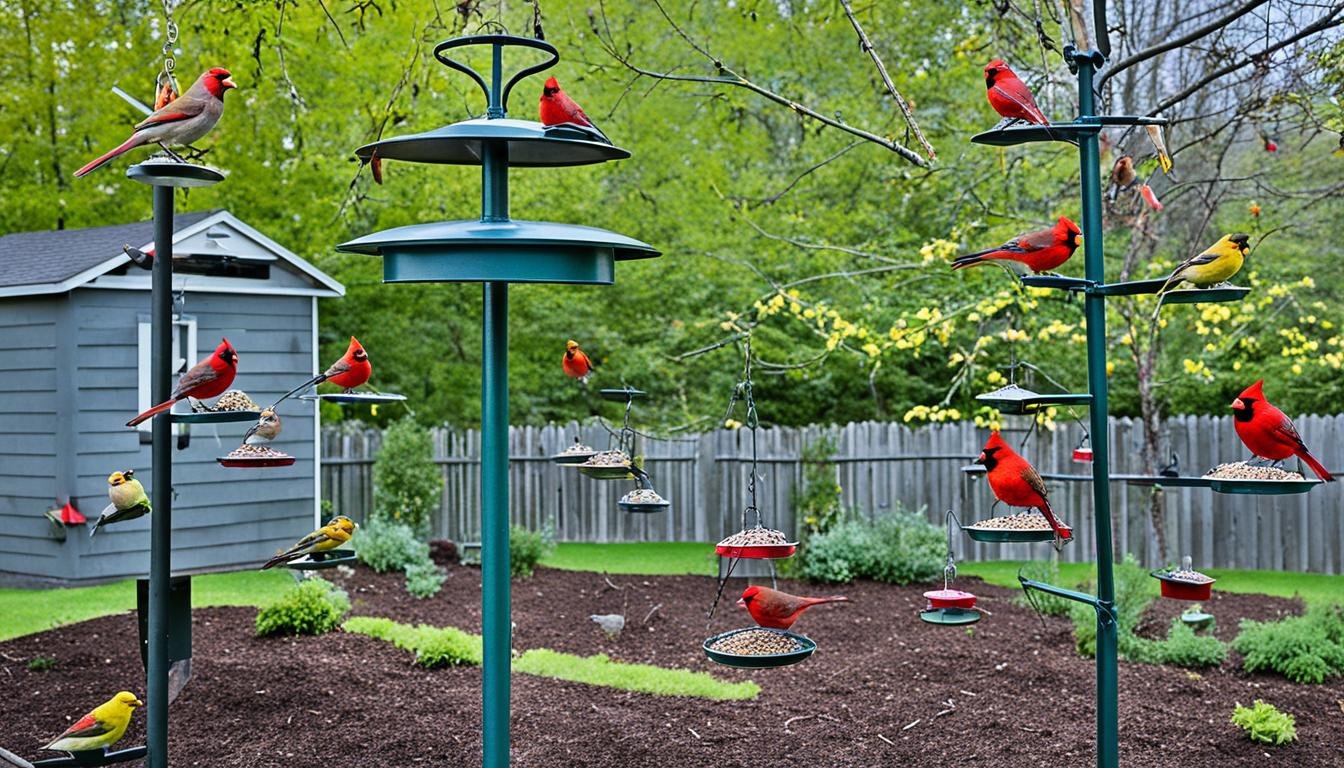
- Height: Hang feeders 15, 25 feet up, orioles feel safest at canopy level. Use a tall shepherd’s hook or tree branch.
- Color: Choose orange or yellow feeders; orioles avoid red.
- Location: Position near dense shrubs (like viburnum) for quick escape routes. Avoid open areas.
Cleanliness is critical: Scrub feeders with hot water weekly to deter bacteria.
Beyond Food: Water, Shelter & Safety Essentials
Water attracts orioles faster than food. Install a shallow birdbath (under 2 inches deep) with a dripper or fountain, moving water is irresistible. Place it near shrubs for cover.
For nesting, leave dead trees (snags) if safe, or hang nesting material (grass, hair) in spring. Keep cats indoors and use squirrel baffles to protect feeders.
Orioles return to reliable sites yearly. Start prepping in April, and you’ll soon spot those vibrant feathers, and hear their unforgettable songs. Next, we’ll tackle the mistakes that scare orioles away.
Common Oriole Mistakes (And How to Fix Them)
Even well-meaning efforts can backfire. Avoid these pitfalls:
- Wrong feeder color: Red feeders are ignored. Stick to orange or yellow.
- Low placement: Feeders under 15 feet feel unsafe. Use tree branches or tall poles.
- Dirty setups: Moldy nectar sickens birds. Clean weekly with hot water and a brush.
- No water source: Orioles prioritize moving water over still. Add a dripper to birdbaths.
- Non-native plants: Invasive species lack nutrients. Opt for region-specific natives like serviceberry.
Fix Tip: If orioles vanish, check for predators (cats, hawks) and relocate feeders. Refresh nectar after rain to prevent fermentation.
FAQ: Quick Answers to Your Oriole Questions
What Time of Year Do Orioles Arrive?
Orioles migrate north in spring (April, May) and south in fall (August, September). Start feeder prep in early April to catch early arrivals.
Can I Use Honey in Oriole Feeders?
No. Honey ferments quickly and can harbor harmful bacteria. Stick to a 4:1 water-to-sugar solution.
Why Won’t Orioles Visit My Grape Jelly Feeder?
Check placement: Jelly feeders need partial shade to prevent spoiling. Also, ensure jelly is fresh, orioles avoid moldy food.
Do Orioles Eat Sunflower Seeds?
Rarely. Orioles are primarily nectarivores and insectivores. Seeds lack the nutrients they need.
Focus on fruit, nectar, and mealworms.
How High Should I Hang an Oriole Feeder?
Aim for 15, 25 feet, mimicking their forest canopy habitat. Use a sturdy tree branch or extended shepherd’s hook.
Your Oriole Action Plan: Step-by-Step Workflow
Attracting orioles is a seasonal workflow. Follow this timeline:
- Early Spring (March): Plant native trees/shrubs or start container gardens.
- Mid-April: Hang orange feeders at 15, 25 ft with fresh nectar. Add halved oranges.
- May, June: Provide mealworms and grape jelly during breeding season. Maintain water sources.
- Weekly: Clean feeders and birdbaths to prevent mold/bacteria.
- Fall (September): Keep feeders up for southbound migrants. Switch to high-sugar nectar (3:1 ratio) for energy.
Pro Adjustment: If local orioles prefer Bullock’s over Baltimore, add more fuchsia and reduce trumpet vines. Observe and adapt!
Consistency is key, orioles return to reliable food sources year after year. With patience and these steps, your yard will become their annual pit stop.

Similar Posts