How to Attract Goldfinch Birds
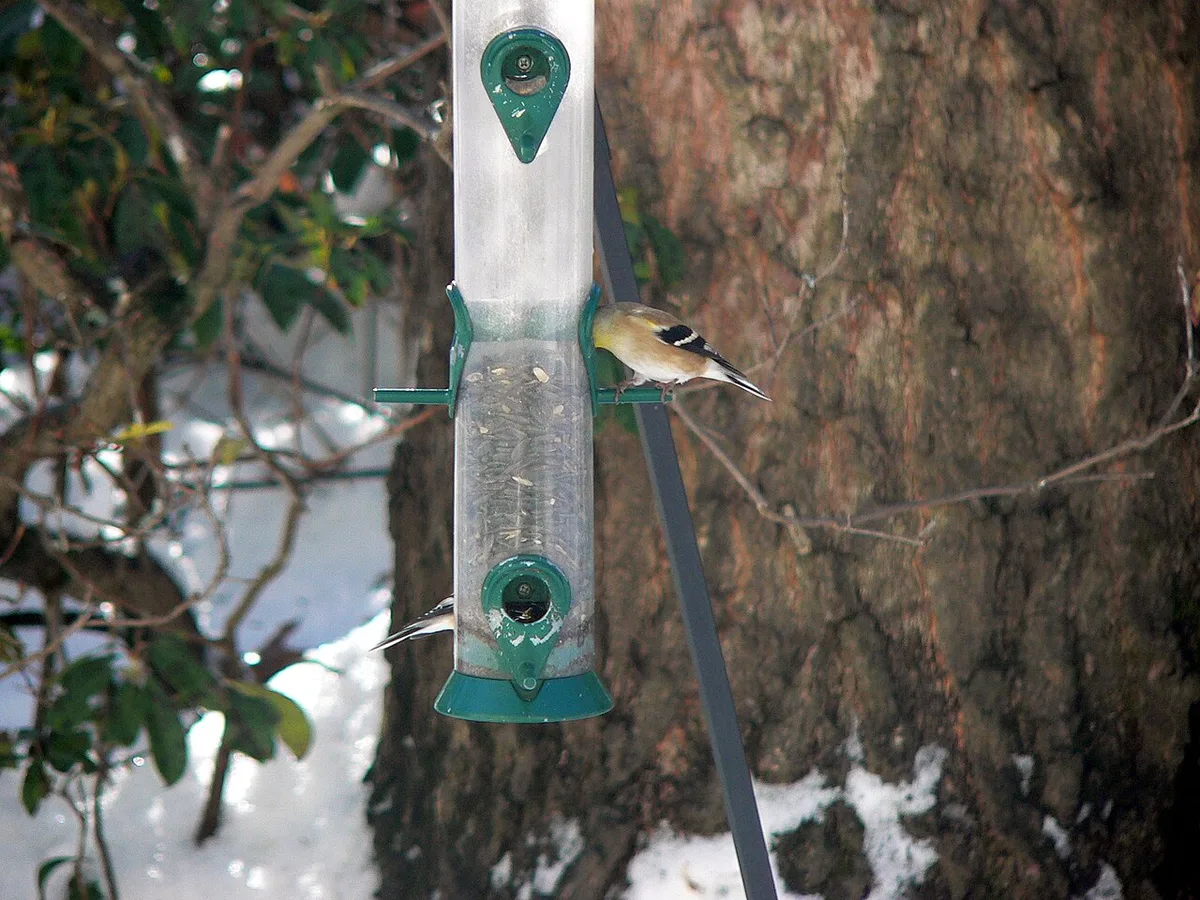
Bright yellow feathers, cheerful chirps, and acrobatic feeder antics, goldfinches bring pure joy to any backyard or balcony. If you’ve ever wondered how to attract goldfinch birds, the secret lies in simple, species-specific choices. These playful birds aren’t after fancy setups; they crave safety, their favorite foods, and a reliable routine.
Ignore generic birdfeeding advice, goldfinches have distinct preferences, from seed type to feeder design. Get it right, and you’ll host a flock of tiny "wild canaries" year after year.
Our research confirms that nyjer (thistle) seed is their top food choice, with tube feeders being the most effective delivery method. As of 2026, studies from the Cornell Lab of Ornithology still emphasize native plants and water sources as critical habitat components. Start with these fundamentals, and you’ll create an irresistible goldfinch haven.
Now, let’s break down the essentials.
Why Goldfinches Are Worth the Effort
Goldfinches aren’t just pretty faces, they’re hardworking garden allies. Each bird consumes thousands of aphids and weed seeds annually, acting as natural pest control. Their social flocks and playful behavior also transform quiet yards into lively spectacles.
Unlike messy birds that dominate feeders, goldfinches are neat eaters, leaving minimal waste. Plus, their bright plumage and distinctive flight patterns make them easy to spot, even for beginner birders. Invest in attracting them, and you’ll gain both beauty and utility.
Assess Your Space: Urban Balcony vs. Backyard Garden
Your location shapes your goldfinch strategy. Urban dwellers with balconies can succeed with compact setups, while backyard gardens offer more flexibility.
Apartment/Condo Approach:
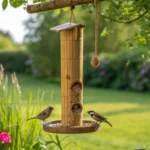
- Use hook-mounted tube feeders outside windows, goldfinches adapt well to human proximity.
- Opt for drip-style birdbaths to conserve space.
- Grow native flowers in containers (e.g., cosmos or sunflowers).
Backyard Strategy:
- Place feeders 15+ feet from dense shrubs for escape routes.
- Install ground-level birdbaths near feeding stations.
- Dedicate garden beds to goldfinch-friendly plants like coneflowers and milkweed.
Universal Tip: Avoid placing feeders near reflective windows to prevent bird collisions.
The Goldfinch Menu: Seed Choices & Feeder Strategies
Goldfinches are seed specialists, generic mixes won’t cut it. Focus on these essentials:
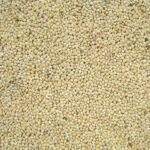
Top Food: Nyjer (Thistle) Seed
- High in oil and protein, this tiny seed is their favorite.
- Store it in airtight containers; it spoils quickly in humidity.
- Refresh feeders every 1, 2 weeks in summer, more frequently in winter.
Feeder Must-Haves:
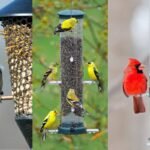
- Tube feeders with small ports (under 0.5" diameter) exclude larger birds.
- Mesh socks for nyjer seed dispersion.
- Squirrel baffles to block rodents.
Supplemental Foods:
- Sunflower chips (no shells) as a winter treat.
- Dandelion/chicory seeds from your lawn, let them grow!
Feeder Placement: Hang at 5, 6 feet high, near but not under trees. Clean feeders monthly with a 10% bleach solution to prevent mold.
Habitat Hack: Water, Plants, and Safety Zones
Goldfinches need more than food, they seek holistic habitats.
Water Sources:
- Shallow birdbaths (1, 2" deep) with rough textures for grip.
- Add a dripper or mister to mimic natural springs.
- Clean water features weekly to prevent algae and mosquitoes.
Native Plant Power:
- Sunflowers: Provide seeds and shelter.
- Coneflowers (Echinacea): Seed heads persist into winter.
- Milkweed: Supports caterpillars for nesting goldfinches.
- Cosmos: Delicate seeds goldfinches harvest daily.
Safety First:
- Keep cats indoors; goldfinches avoid yards with predators.
- Avoid pesticides, they rely on insects during breeding season.
- Space feeders apart to reduce crowding stress.
Pro Tip: Let dead flower heads stand through winter for natural seed storage.
Outsmart the Challenges: Squirrels, Predators & Seed Sprouts
Even perfect setups face hurdles. Tackle these common issues:
Squirrel Intruders:
- Use metal baffles above and below feeders.
- Try weight-sensitive feeders that close under a squirrel’s weight.
- Place feeders 10+ feet from jump-off points (trees, fences).
Predator Prevention:
- Position feeders where hawks can’t ambush (open areas, near thorny shrubs).
- Add spiky twigs near birdbaths to deter cats.
Seed Sprouting:
- Rake under feeders regularly to remove germinating seeds.
- Use seed trays to catch fallout and simplify cleanup.
- Switch to sterilized nyjer seed (heat-treated to prevent growth).
Weather Woes:
- In heavy rain, move feeders under eaves temporarily.
- In winter, ensure water sources aren’t frozen (use heated birdbaths if needed).
Seasonal Tweaks: Keeping Them Coming Back Year-Round
Goldfinch behavior shifts with the seasons, adjust your setup to match their needs.
Spring (Breeding Season):
- Add mealworms (live or dried) for protein-rich nesting support.
- Plant dandelions and clover, goldfinches feed these to chicks.
- Keep birdbaths scrubbed; females need clean water for egg-laying.
Summer (Molting):
- Maintain nyjer seed supply; molting birds need extra calories.
- Provide dust baths (shallow trays of fine soil) for feather care.
Fall (Migration Prep):
- Increase feeder capacity, flocks gather before heading south.
- Trim branches near feeders to prevent ambush by migrating hawks.
Winter (Survival Mode):
- Use heated birdbaths to prevent ice (critical in freezing temps).
- Offer sunflower hearts for high-fat energy.
- Clear snow from under feeders to ease seed access.
Migration Note: Northern U.S. goldfinches may vanish in winter, don’t panic. They’ll return in spring if your habitat remains reliable.
Troubleshooting Guide: When Goldfinches Don’t Show
Even perfect setups sometimes miss the mark. Fix these common issues:
Problem: No Birds Visit
- Cause: Feeders too close to predators/reflective windows.
- Fix: Move feeders 15+ feet from cover and apply window decals.
Problem: Seed Goes Uneaten
- Cause: Stale/moldy seed or wrong type (e.g., large sunflower seeds).
- Fix: Replace seed weekly in humid weather; use only fresh nyjer.
Problem: Bullies Dominate Feeders
- Cause: Larger birds (grackles, starlings) outcompete goldfinches.
- Fix: Install mesh feeders with small perches or add caged guards.
Problem: Squirrels Raid Feeders
- Cause: Easy access from trees/roofs.
- Fix: Mount baffles and place feeders 10+ feet from jump points.
Problem: Birds Stop Coming in Summer
- Cause: Natural food sources (weed seeds) peak; they forage elsewhere.
- Fix: Keep feeders filled, goldfinches return when wild food declines.
Quick Check: If you’ve covered food, water, safety, and cleanliness, patience is key. Goldfinches may take 2, 4 weeks to discover new feeders.
FAQ: Your Goldfinch Questions Answered
How long does it take to attract goldfinches?
Typically 2, 6 weeks, but it can take months if your area has low populations. Consistency is critical, keep feeders full year-round.
Can I attract goldfinches without a yard?
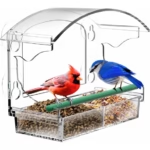
Absolutely! Balcony birding works with window feeders and container plants like cosmos or sunflowers. Ensure safety from cats and predators.
Why do goldfinches disappear in winter?
Northern populations migrate south, while southern flocks may stay if food/water are available. In regions with harsh winters, they’ll return in spring.
What’s the best goldfinch feeder type?
Tube feeders with small ports (under 0.5") are ideal. Mesh socks work well for nyjer seed but require frequent refills. Avoid platform feeders, they attract larger birds.
Do goldfinches eat from hummingbird feeders?
Rarely. They prefer seeds over nectar, but they’ll occasionally sip sugar water if seed sources are scarce. Stick to nyjer for reliability.
How often should I clean feeders?
Every 2, 4 weeks in mild weather, weekly in humidity or rain. Use a 10% bleach solution, rinse thoroughly, and dry completely.
Are goldfinches protected by law?
Yes, under the Migratory Bird Treaty Act in the U.S. Never handle birds or disturb nests. Enjoy them from a distance!
What plants are best for goldfinch nests?
They prefer thistle, milkweed, and native grasses for nesting material. Let dandelions and clover grow in lawns for food and shelter.

Similar Posts