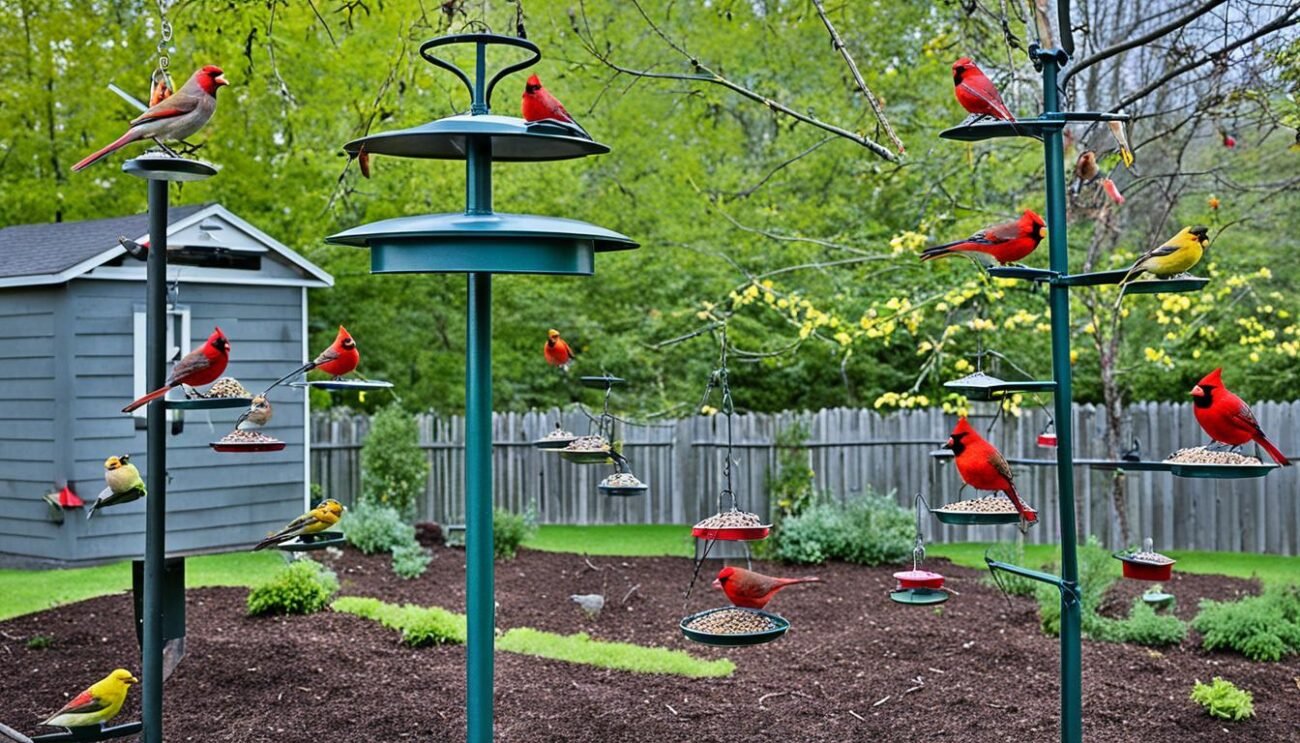
Attracting birds to your yard isn't about luck. It comes down to giving them what they actually need. Most bird-free yards are missing food, water, or safe cover.
Fix that gap and birds show up within days, not months.
Your climate zone changes everything about this. The USDA Plant Hardiness Zone map splits North America into 13 zones, and each one favors different species and plants. A feeder setup that works in Georgia won't pull the same birds in Minnesota.
As of 2026, that regional mismatch is still the number one reason yards stay quiet.
Quick Answer
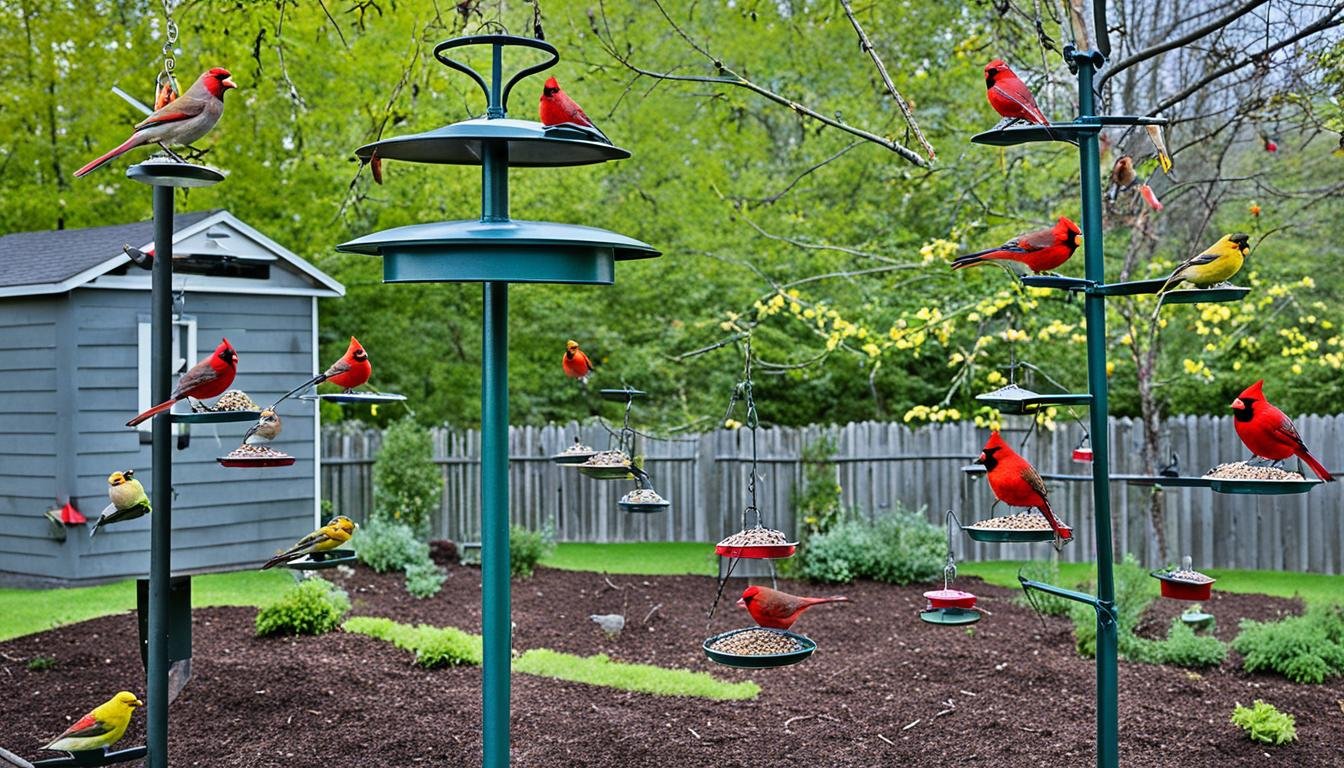
Attracting birds to your yard needs food, water, and shelter together. Feeders alone rarely work without nearby cover. Native plants supply natural food year-round.
Clean, moving water pulls in more species than seed. Safe feeder placement away from predators keeps birds coming back.
Why No Birds Are Showing Up in Your Yard (And What Actually Decides It)
If your yard sits empty, it's almost always one of four gaps: no food source, no water, no shelter, or too much predator risk. Birds make quick decisions. They won't linger somewhere that feels unsafe, even if the feeder is full.
Here's the logic birds actually run through:
- If there's no natural food or feeder nearby, they'll pass over your yard entirely.
- If there's no water source, they'll fly to a neighbor's yard instead.
- If there's no cover for hiding from hawks or cats, they won't risk landing.
- If the seed is wrong for local species, you'll get squirrels and pigeons instead of songbirds.
This is why a single bird feeder rarely does the job on its own. Research from the Cornell Lab of Ornithology backs this up. Yards with layered habitat, food, water, and cover together, attract far more species than yards with a feeder alone.
Think of your yard as a checklist, not a single purchase. Every missing piece cuts your odds of a visit.
What Kind of Yard Do You Have? (Space, Climate, and Bird Species Determine Your Approach)
Your yard's size and climate decide which setup actually works. A balcony in Phoenix needs a different plan than a half-acre lot in Ohio. Start by identifying your zone and space before buying anything.
Check your zone on the USDA Plant Hardiness Zone map. It tells you which native plants and feeding seasons fit your region.
| Yard Type | Best Setup | Priority |
|---|---|---|
| Small urban balcony | Compact tube feeder, small nectar feeder | Vertical space, hanging plants |
| Suburban yard | Multiple feeders, birdbath, native shrubs | Layered habitat |
| Rural or large property | Ground feeders, brush piles, nest boxes | Natural cover, tree lines |
| Cold winter climate | High-fat suet, heated birdbath | Year-round feeding |
| Warm or dry climate | Water features, shade-tolerant natives | Reliable water access |
If you're in an apartment or have a tiny yard, don't skip birds altogether. A single hanging feeder and a shallow water dish can still pull in chickadees, finches, and sparrows within a season.
Building the Right Setup: Feeders, Water, Shelter, and Native Plants
Once you know your zone and space, it's time to build the actual setup. Four elements work together here: feeders, water, shelter, and native plants. Skip one, and the other three work harder than they should.
Choosing Feeders and Seed by the Birds You Want
Different feeders pull in different birds. That's the short version. Tube feeders with small ports suit finches and chickadees.
Platform feeders draw cardinals and jays. Suet cages bring in woodpeckers and nuthatches.
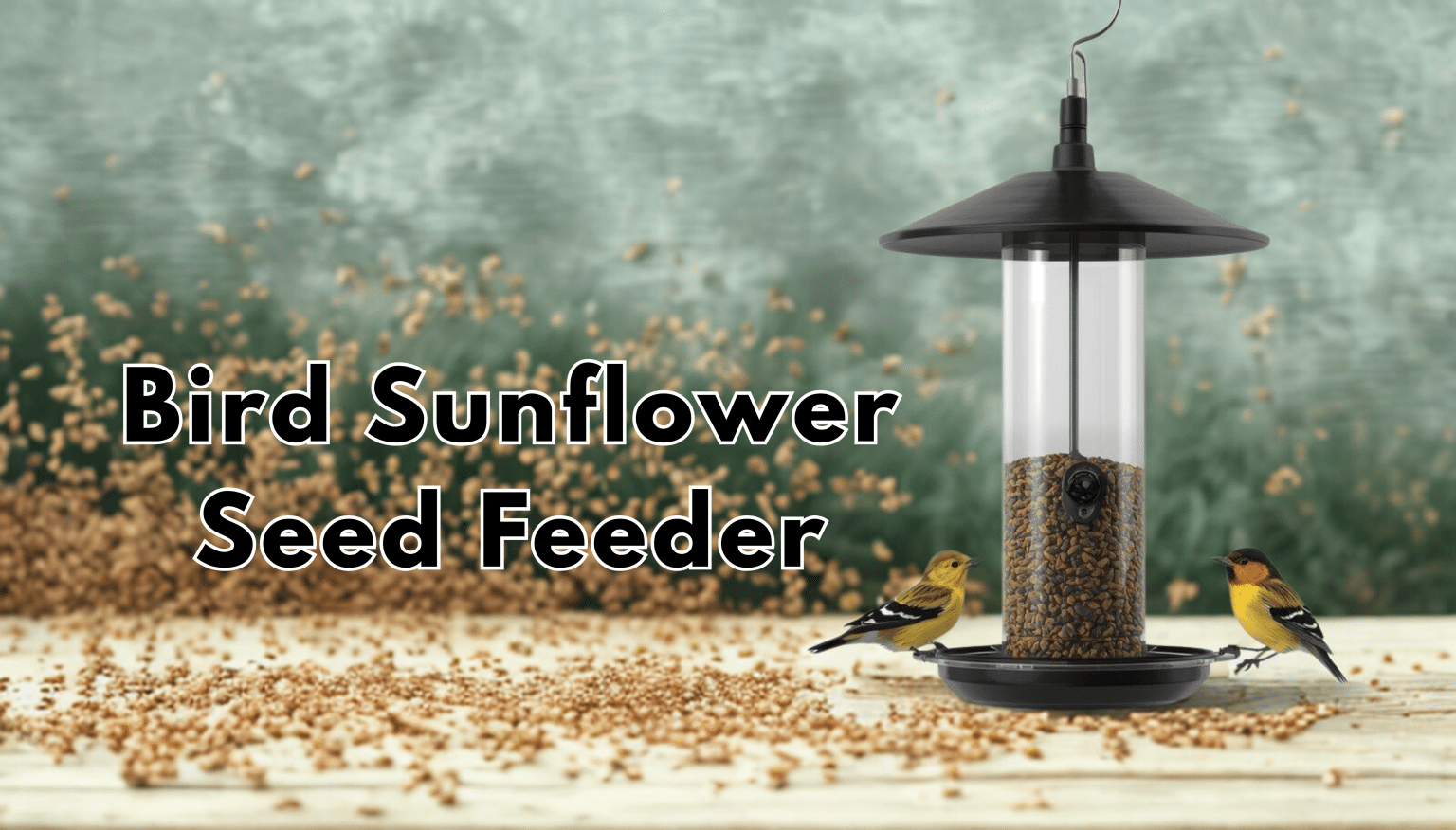
Seed choice matters just as much as feeder type. Black oil sunflower seed attracts the widest range of songbirds. Nyjer, also called thistle, draws finches specifically.
Millet and cracked corn tend to bring ground feeders and, unfortunately, more pigeons.
If you're getting the wrong crowd, swap the seed before swapping the feeder. Mixed seed with fillers like milo often sits untouched and rots. Stick to single-type seed for the birds you actually want to see.
Adding Water Without Creating a Mosquito Problem
Water pulls in more species than any feeder can. Birds that never touch seed will still stop for a bath or a drink. But still water breeds mosquitoes fast.
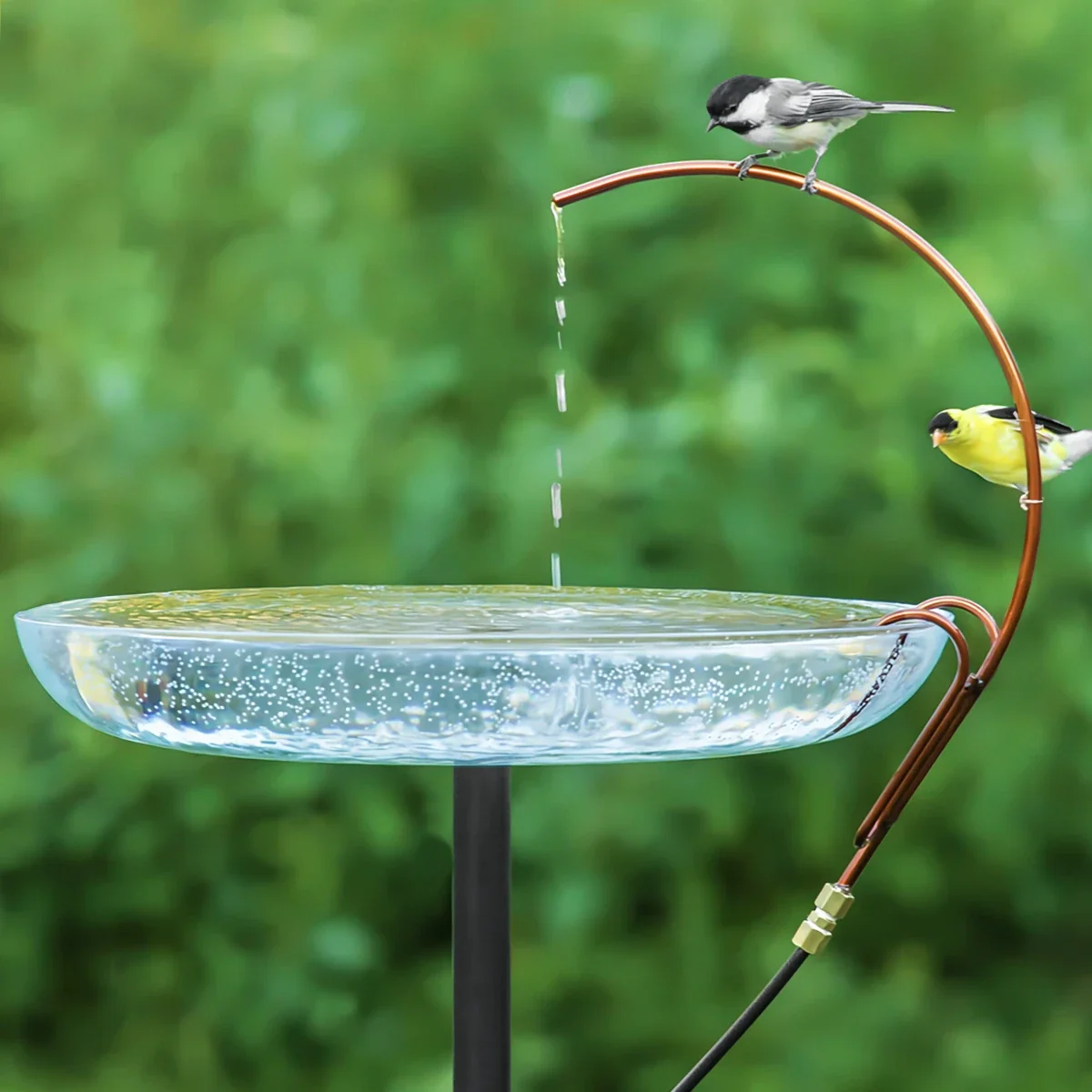
Keep the water moving with a small solar fountain or dripper. Change the water every 2 to 3 days if you don't have a mover. Keep the basin shallow, around 1 to 2 inches deep, since most songbirds won't use deep water.
If you're adding a hummingbird feeder, treat it separately from a birdbath. Mix nectar at a 1:4 sugar-to-water ratio, no dye, no honey. Swap it every 3 to 4 days in hot weather or it ferments.
Native Plants and Shelter for Year-Round Cover
Feeders and water get birds to visit. Plants and shelter get them to stay. Native shrubs and trees supply natural seed, berries, and insects that no feeder can match.
Layer your planting: tall trees for canopy nesting, mid-height shrubs for cover, and ground plants for foraging. Leave a brush pile or dead branches in a back corner. That messy patch is exactly what birds use to hide from hawks and cats.
Evergreens matter more than people think. They give year-round shelter when deciduous trees go bare in winter. If you only add one thing this season, a native berry-producing shrub does more long-term work than another feeder.
Placement and Safety: Where to Put Everything to Keep Birds Coming (and Alive)
Where you put things matters as much as what you buy. Bad placement turns a good setup into a death trap.
Window strikes kill hundreds of millions of birds a year in the US, according to U.S. Fish and Wildlife Service research. Feeders placed within 3 feet of a window are actually safer than ones 10 to 20 feet away.
Birds don't build enough speed at that range to hurt themselves.
Follow this placement logic:
- If a feeder sits 10 to 20 feet from a window, move it closer or farther. That middle zone causes the most collisions.
- If you have outdoor cats, keep feeders and baths at least 10 feet from dense cover where cats can hide.
- If squirrels are raiding feeders, add a baffle below or above the feeder, not just a cage marketed as squirrel-proof.
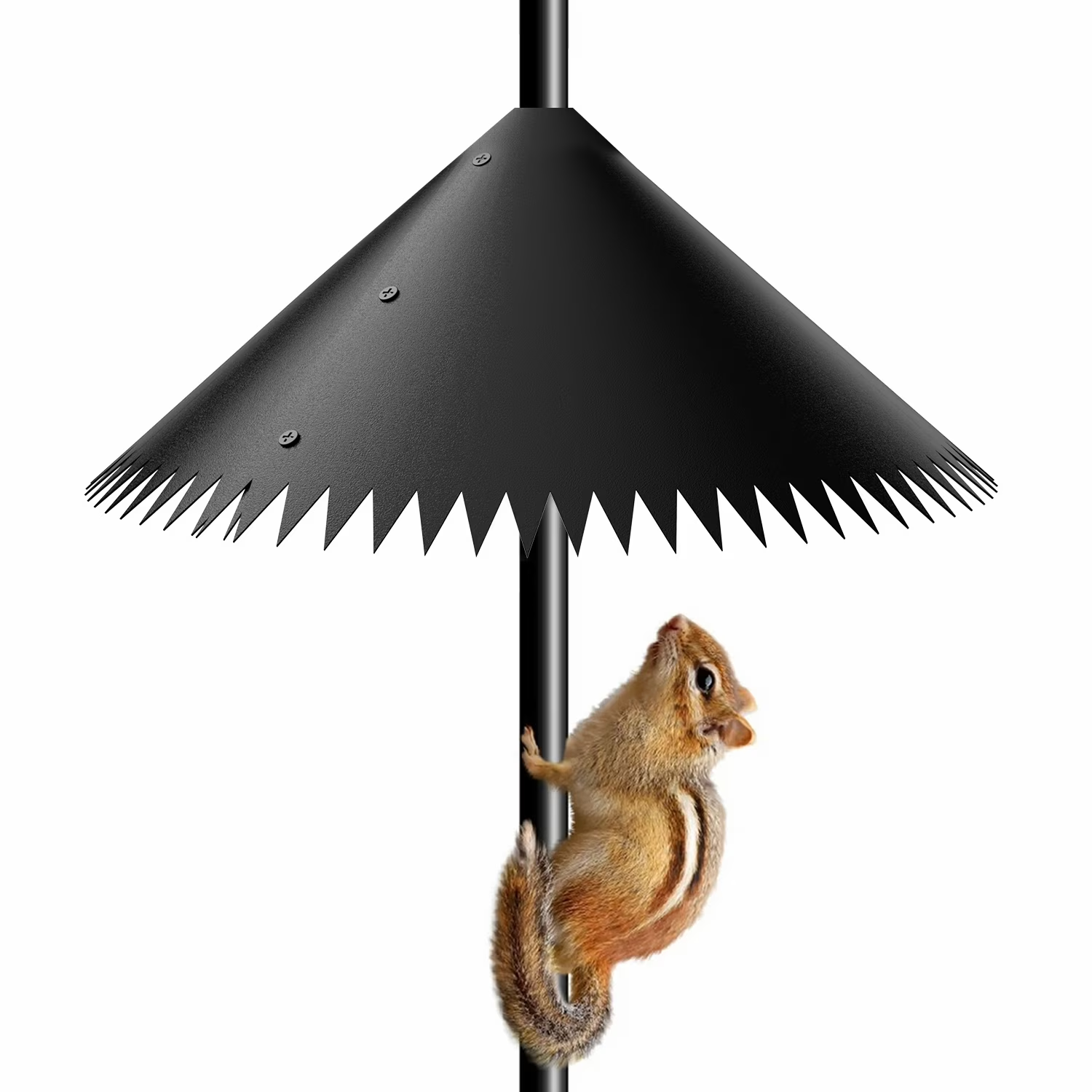
Mount feeders on a pole with a baffle rather than hanging them from a tree branch. Branches give squirrels and climbing predators a straight shot in.
Mistakes That Drive Birds Away (Squirrels, Disease, Wrong Seed, Bad Placement)
Even a well-planned setup fails if you make these errors. Most of them are easy fixes once you spot them.
- Letting seed sit wet and moldy: rinse and dry feeders weekly, and dump seed that's clumped or smells off.
- Skipping feeder cleaning: dirty feeders spread salmonella and other diseases between birds. Wash with a 1:9 bleach-to-water solution every 2 weeks.
- Using pesticides near feeding areas: this poisons the exact insects birds rely on and can harm birds directly.
- Ignoring nesting protections: it's illegal under federal law to disturb active nests of most native species, so check before trimming trees or removing nest boxes in spring.
- Overfilling feeders: uneaten seed rots faster than it gets eaten. Fill only what clears in 2 to 3 days.
- Placing feeders too close to dense shrubs: this gives cats a hiding spot within striking distance.
If you've done everything right and still see no activity, give it 2 to 4 weeks. Birds need time to find a new food source, especially outside migration season.
Keeping It Going: Cleaning, Refilling, and Seasonal Adjustments
A setup that worked in spring can go quiet by winter if you don't adjust it. Birds shift what they need as temperatures and food sources change through the year.
| Season | Priority Task | Frequency |
|---|---|---|
| Spring | Clean nest boxes, refresh nectar | Weekly nectar changes |
| Summer | Keep water fresh, watch for mold | Every 2 to 3 days |
| Fall | Add high-fat suet, reduce nectar | Weekly feeder check |
| Winter | Increase seed volume, consider heated bath | Daily in freezing temps |
Clean feeders every 2 weeks with a 1:9 bleach solution, then rinse and air-dry fully before refilling. Skipping this is how disease spreads fastest between visiting birds.
If activity drops suddenly, check three things first: spoiled seed, a predator that's moved in nearby, or a natural food source that's just come into season. Birds always choose the easiest calories, so a blooming tree next door can pull them away temporarily.
Nest boxes need a fall cleanout too. Empty old nesting material once breeding season ends, since mites and parasites build up inside over summer.
Frequently Asked Questions
How long does it take to attract birds to a new feeder?
Most yards see activity within 1 to 2 weeks of a new feeder. Birds need time to discover a new food source, especially outside spring and fall migration. Placing feeders near existing trees or shrubs speeds this up since birds scout from cover first.
What's the best all-around bird seed?
Black oil sunflower seed attracts the widest range of songbirds. It's got a thin shell and high fat content, which works for cardinals, chickadees, finches, and jays alike. Skip mixed seed with milo or wheat filler since most birds pick around it.
Do bird feeders attract rats or unwanted pests?
Yes, spilled seed on the ground can draw rodents if it's not cleaned up regularly. Use a tray or catch basin under feeders and sweep up debris weekly. Switching to hulled seed also cuts down on mess since there's no shell waste.
Is it bad to stop feeding birds suddenly?
No, birds don't become dependent on feeders the way some assume. Most of their diet still comes from natural sources even when feeders are available. It's fine to pause feeding, though a gradual reduction avoids a sudden crowd shift to neighboring yards.
What time of year is best to start attracting birds?
Early spring works best for setting up feeders, water, and nest boxes before breeding season. Fall is a close second since migrating birds need extra fuel and year-round residents are stocking up. Avoid starting in peak summer heat when nectar and seed spoil faster.
Your Backyard Birding Decision Guide: What to Do Based on Your Situation
Use this quick logic to figure out your next move.
- If your yard has activity but the wrong birds (pigeons, starlings), swap to single-type sunflower or nyjer seed and remove mixed blends.
- If you've got feeders but zero visitors after a month, check placement first, then add water since it pulls in species feeders can't.
- If squirrels dominate every feeder, add a pole-mounted baffle before buying a new "proof" feeder.
- If birds visit but won't stay, you're likely missing shelter. Add a native shrub or leave a brush pile nearby.
- If you're in a small space, prioritize one feeder and one water source over trying to build a full habitat at once.
Start with water and one native plant if you do nothing else. Those two moves pull in more species than any feeder alone, and they cost less to get wrong.

2 thoughts on “How to Attract More Birds to Your Yard (Simple Tips That”