
If you’re looking for a solar heater for bird bath use, the honest answer is this: solar can help, but it’s rarely a magic fix for frozen water. Most small “solar bird bath heater” setups struggle once temperatures stay below freezing. That’s especially true overnight, when birds may still need liquid water in the morning.
Manufacturer specifications show many plug-in bird bath de-icers run around 50W to 250W. Small solar fountain panels often produce only 1W to 10W. That wattage gap explains why the right setup depends on your climate, sunlight, basin size, and safety needs.
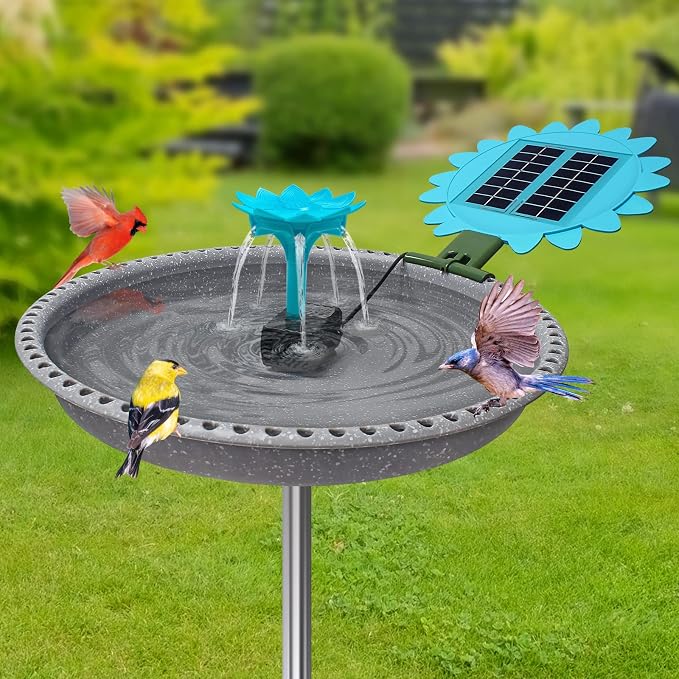
Image source: Web (Bing) / amazon.com (Web image (fair-use with source credit))
Quick Answer
A solar heater for bird bath use works best in mild freezes. It needs strong winter sun and enough battery storage. Small solar fountain panels usually won’t stop ice.
For hard freezes, a plug-in de-icer is usually more reliable.
How Solar Bird Bath Heaters Actually Work
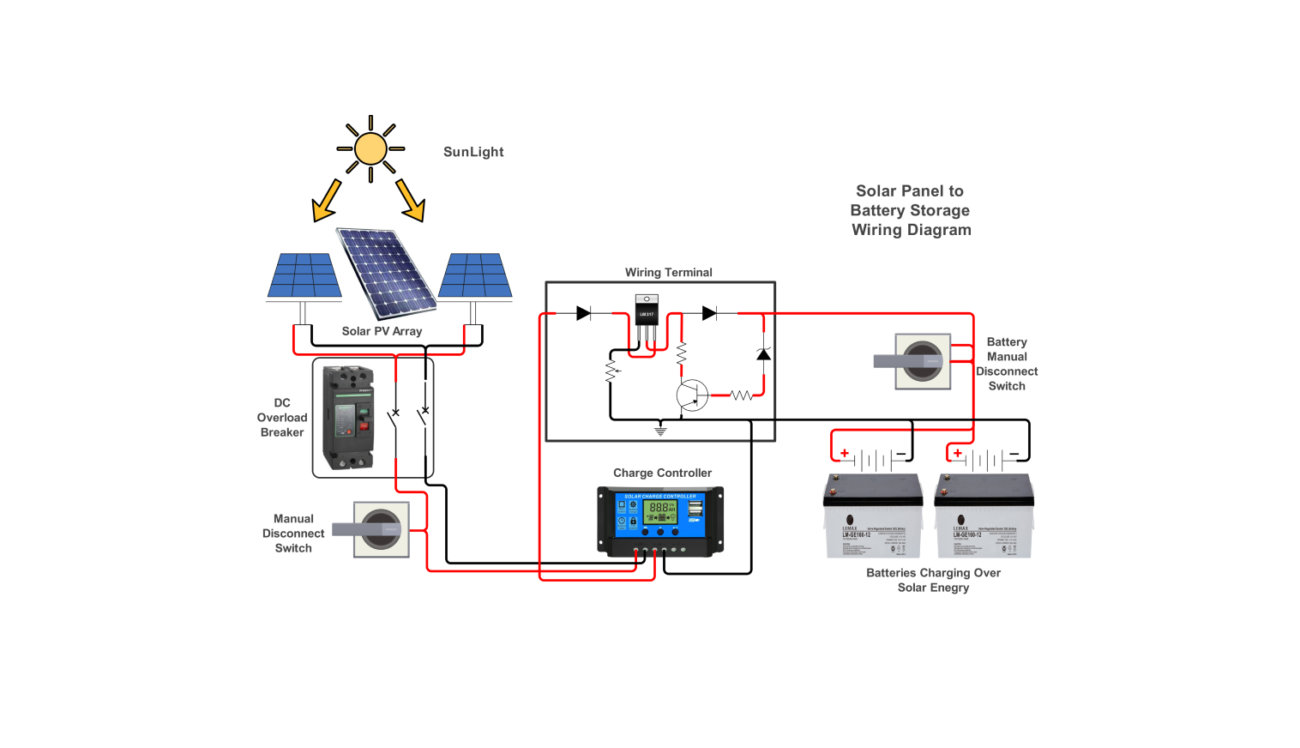
A solar bird bath heater uses a photovoltaic panel to turn sunlight into electricity. That electricity powers a small heating element, either directly or through a battery. A true de-icer is different from a solar fountain pump, which mainly moves water.
The basic parts are simple:
- Solar panel
- Charge controller
- Battery, if you need overnight power
- Low-voltage heating element
- Weatherproof wiring
- Thermostat, if included
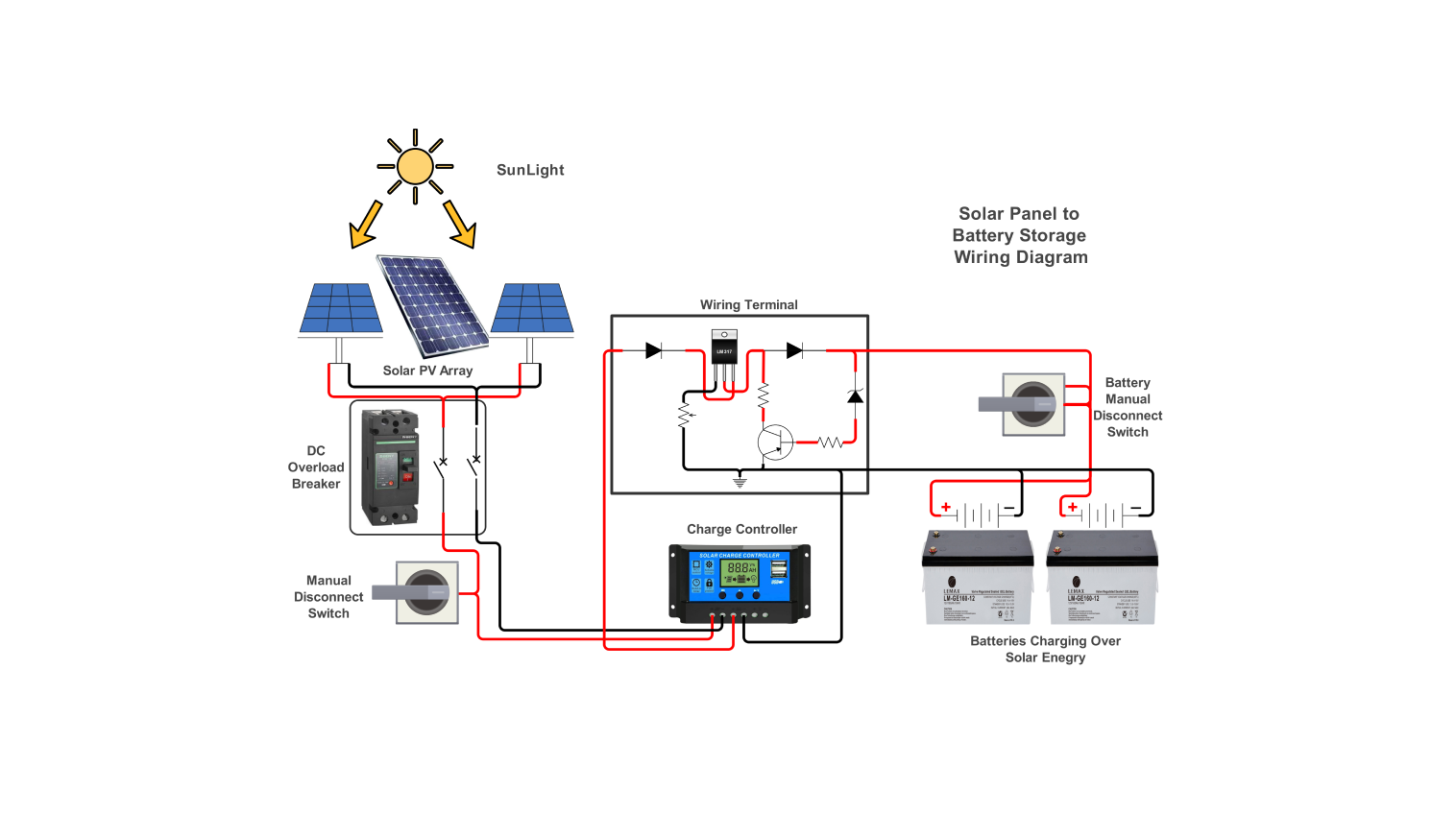
Image source: Bing (Web (fair-use with source credit))
The catch is heat demand. Heating water takes far more energy than running a tiny fountain pump. That’s why many products labelled “solar bird bath” are really solar bubblers, not heaters.
If the panel powers the heater directly, it only works well in sun. If the system includes a battery, it can work after dark. Runtime then depends on battery capacity and heater wattage.
Here’s a simple example. A 100Wh battery running a 50W heater gives about two hours before losses. In cold weather, real runtime may be lower.
Winter makes this harder. Days are shorter, the sun sits lower, and clouds or snow can cut output fast. The National Renewable Energy Laboratory publishes solar resource data that helps explain why the same panel performs very differently in Arizona, Maine, Scotland, or Ontario.
The Decision Tree: Which Bird Bath Heating Setup Fits Your Yard?
The best choice starts with your lowest winter temperatures, not the product label. If your water only gets a thin skin of ice, solar may be enough. If your bird bath freezes solid, you need more heat than most compact solar kits can provide.
Use this quick decision path:
| Your situation | Better choice | Why it fits |
|---|---|---|
| Light frost, good sun | Solar heater or solar-assisted setup | Low heat demand |
| Hard freezes, outdoor outlet nearby | Plug-in thermostatic de-icer | Reliable overnight heat |
| No outlet, sunny yard | Larger solar panel plus battery | Works off-grid with sizing |
| No outlet, poor sun | Manual water changes or outlet install | Solar output will be weak |
| Concrete or ceramic basin | Add heat carefully or switch basin | Freeze expansion can crack it |
If you get mild overnight frosts
If frost is occasional, a solar setup has a real chance. Choose a shallow, bird-friendly basin and place it where winter sun hits early. Morning sun matters because birds often drink soon after dawn.
A dark basin can help a little by absorbing more sun. It won’t replace a heater, but it can support the setup. Keep the water shallow so there’s less volume to warm.
If you get regular hard freezes
If temperatures sit below 32°F or 0°C for long stretches, choose a plug-in de-icer or a heated bird bath. Solar can still support the setup, but it needs a much larger panel and battery than most shoppers expect.
This is where many people get disappointed. A small panel that runs a summer fountain won’t produce enough stored energy for a freezing January night.
If your yard gets poor winter sun
If the panel sits in shade, solar won’t do much. A shaded 20W panel can behave like a tiny trickle charger. In that case, move the water station or use a safer wired option.
Check sun exposure at the actual bird bath location. Winter shade is different from summer shade. Bare trees help, but low sun angles can put fences and houses in the way.
Solar vs Plug-In vs Heated Bird Bath: Best Option by Situation
Solar is best when you need off-grid help and your winters are fairly mild. Plug-in de-icers are best when reliability matters most. Heated bird baths are best when you want an all-in-one winter setup.

Image source: Bing (Web (fair-use with source credit))
Here’s the practical breakdown:
| Option | Best for | Main drawback |
|---|---|---|
| Solar heater | Mild freezes, sunny yards, no outlet | Weak overnight performance |
| Battery-backed solar | Off-grid sites with good sun | Higher cost and sizing work |
| Plug-in de-icer | Cold climates and hard freezes | Needs safe outdoor power |
| Heated bird bath | Simple winter setup | Less decorative flexibility |
| Manual warm-water refill | Occasional freezes | Needs daily attention |
As of 2026, true solar bird bath heaters are still a niche category. Many listings use “solar” because they include a fountain pump. That doesn’t mean they can prevent freezing.
For outdoor electrical safety, plug-in systems should use a GFCI-protected outlet and outdoor-rated cords. The National Fire Protection Association publishes the National Electrical Code, which covers outdoor electrical safety in the United States. If you’re unsure about an outlet, ask a licensed electrician before running winter power outside.
A plug-in de-icer is not automatically better for every yard. It just has a clearer power supply. Solar makes sense when an outlet is far away and your winter sun is strong enough to charge a battery.
How to Set Up a Bird-Safe Winter Water Station
A safe winter bird bath starts with shallow water. Birds need drinking water more than a deep bath in freezing weather. A depth of about 1 to 2 inches at the edge is easier for small birds to use.
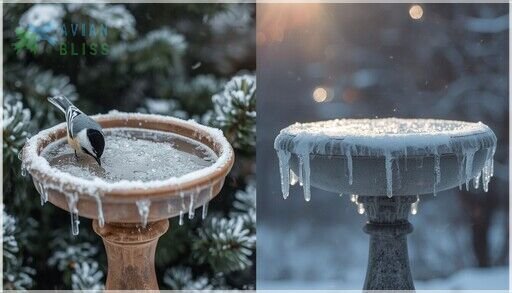
Image source: Bing (Web (fair-use with source credit))
Follow this workflow:
- Pick the warmest sunny spot you have.
- Use a shallow basin with stable footing.
- Keep the heater fully submerged if the manufacturer requires it.
- Route cords away from walkways and chewing wildlife.
- Check the water every morning during freezing weather.
- Clean the basin often to limit droppings, algae, and mineral scale.
The Cornell Lab of Ornithology encourages providing clean water for birds, especially when natural sources are frozen. Clean matters as much as liquid. Dirty water can discourage use and may spread disease at crowded backyard stations.
Avoid adding salt, antifreeze, glycerin, or chemicals. Birds drink from the bath and preen with that water. Clean liquid water is the goal, not chemically treated water.
Don’t pour boiling water into a frozen ceramic or concrete basin. Sudden temperature changes can crack the material. Warm water is safer if you’re loosening a thin layer of ice by hand.
For solar systems, place the panel where snow won’t sit on it all day. Face it toward the strongest winter sun. A slightly steeper angle often helps shed snow and catch low winter light.
Common Mistakes That Make Solar Bird Bath Heaters Disappointing
The biggest mistake is buying a solar fountain and expecting it to work like a heater. A fountain pump moves water, but it doesn’t add much heat. Moving water may delay a thin skim of ice, but it won’t beat a cold night.
Another common problem is undersizing the panel. A 5W or 10W panel is fine for a small pump in summer. It’s not enough for steady winter heating.
Watch for these trouble spots:
- Panel shaded by trees, fences, gutters, or the house
- Snow left on the panel after a storm
- Battery stored in a wet or unprotected location
- Heating element exposed above the waterline
- Basin too deep, wide, or poorly insulated
- Ceramic bowl left to freeze solid
- Indoor-rated cords used outside
- Product listing that gives no heater wattage
If your setup works at noon but freezes by sunrise, the issue is usually battery capacity. Solar panels charge during the day. The hardest part is overnight, when there’s no incoming solar power.
Don’t try to “help” the water with salt, antifreeze, or de-icing chemicals. Birds drink from the bath and preen with that water. Those additives don’t belong in wildlife water.
If you hear popping, see cracks, or notice the basin leaking, stop using that bird bath in freezing weather. Freeze-thaw damage can make concrete, stone, and ceramic unsafe over time.
Costs, Wattage, Runtime, and Realistic Performance Expectations
The simplest way to judge any setup is to compare heater watts with available solar watts. Heat is energy-hungry. That’s why a small decorative solar panel often looks promising online but fails outside in January.
Here’s a realistic sizing snapshot:
| Setup detail | Typical range | What it means |
|---|---|---|
| Solar fountain panel | 1W to 10W | Usually not a heater |
| Small solar panel kit | 20W to 50W | May help in mild frost |
| Larger solar kit | 100W+ | Better for battery charging |
| Plug-in de-icer | 50W to 250W | More reliable heat |
| Bird bath depth | 1 to 3 inches | Shallow warms faster |
Runtime math is simple. Divide battery watt-hours by heater watts. A 300Wh battery powering a 50W heater gives about six hours before real-world losses.
Cold weather can reduce usable battery performance. Battery chemistry also matters. Lithium batteries may need low-temperature charging protection, while lead-acid batteries get heavy fast.
Cost varies by build. A basic plug-in de-icer is usually cheaper than a full solar panel, charge controller, battery, and outdoor enclosure. Solar starts making more sense when there’s no outlet nearby or trenching power would cost far more.
If you want a low-effort setup, choose thermostatic control. It turns heat on only near freezing, which saves power. Always-on heaters waste energy and can drain batteries quickly.
For solar, think in tiers:
- Mild frost: small panel plus shallow basin may help
- Regular freeze: battery-backed solar needs careful sizing
- Deep winter: plug-in heat is usually the dependable choice
The real performance test is the morning check. If water is liquid at dawn after the coldest part of the night, the system is doing its job.
Frequently Asked Questions
Do solar bird bath heaters work in winter?
They can work in mild winter conditions with good sun. They struggle during long freezes, cloudy stretches, and cold nights. Most small solar panels don’t produce enough power for reliable de-icing.
For steady subfreezing weather, a plug-in thermostatic de-icer usually performs better.
Can I use a solar fountain to stop a bird bath from freezing?
A solar fountain can delay light surface ice, but it won’t heat the water much. It may help during a brief frost if the day is sunny. Once temperatures stay below freezing, moving water alone usually isn’t enough.
Treat it as circulation, not freeze protection.
How many watts does a bird bath heater need?
Many plug-in bird bath de-icers use about 50W to 250W. Smaller basins in mild weather need less heat. Larger basins and hard freezes need more.
For solar, you also need enough battery storage to cover the night, not just daytime operation.
Is a solar bird bath heater safe for birds?
It can be safe if every part is outdoor-rated and installed correctly. Keep heating elements submerged when required. Use shallow water, stable footing, and clean the basin often.
Never add salt, antifreeze, glycerin, or chemicals to stop freezing.
What’s the best option if I don’t have an outdoor outlet?
If you have strong winter sun, use a properly sized solar panel, battery, charge controller, and low-voltage heater. If your yard is shaded, solar will disappoint. In that case, consider a safer bird bath location, manual refills, or hiring an electrician to install a GFCI-protected outdoor outlet.
