If you’re wondering what do small birds eat and drink, the safest answer depends on the bird. A healthy adult wild bird needs very different food from a pet budgie, a hummingbird, or a baby bird on the ground. Most small birds drink plain clean water, not milk, juice, or sweet drinks.
For hummingbirds, the standard homemade nectar ratio is 1 part plain white sugar to 4 parts water. As of 2026, wildlife groups still advise against red dye, honey, and forcing water into any wild bird’s beak. Let’s start with the simple answer first.
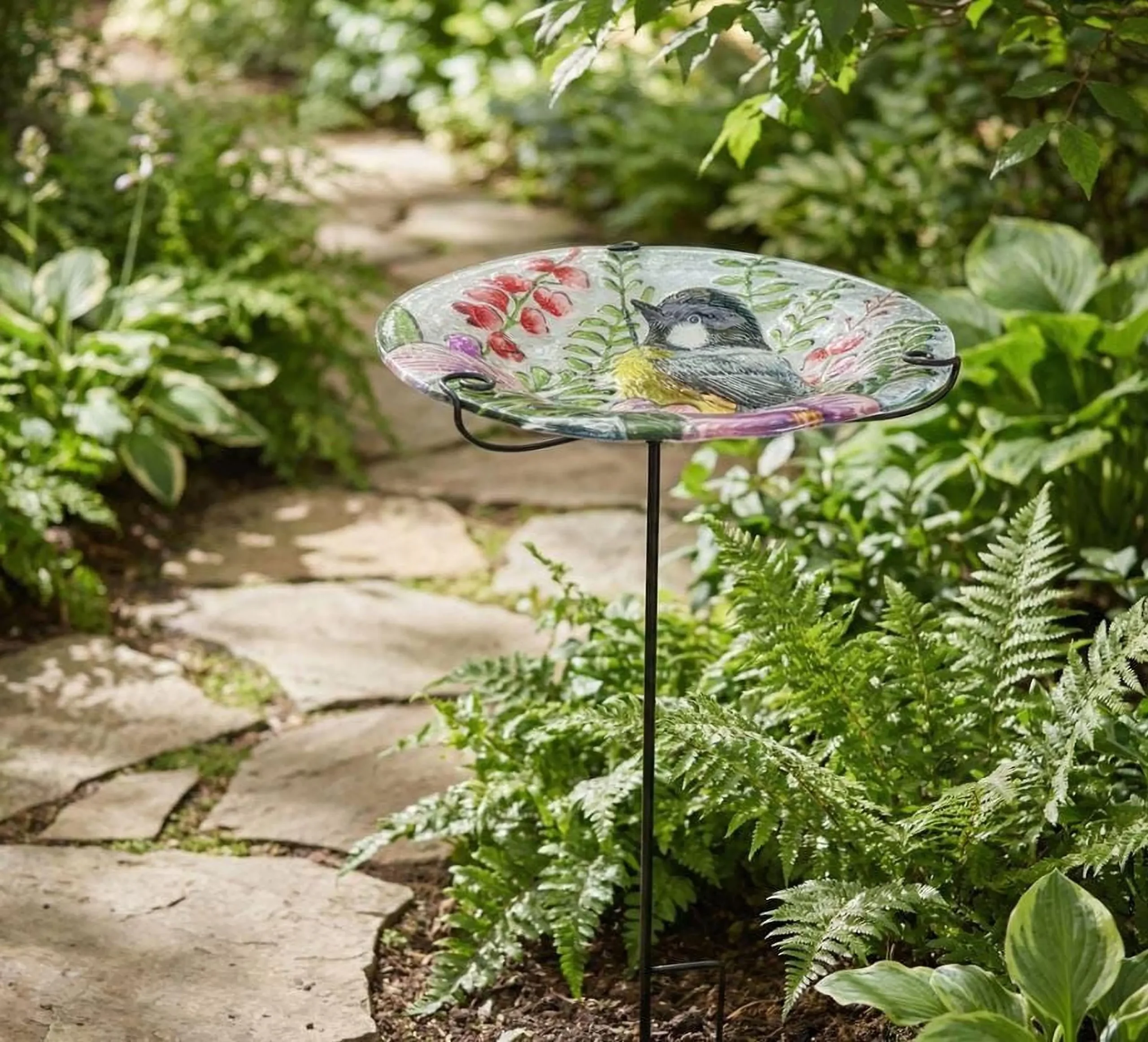
Image source: Bing (Web (fair-use with source credit))
Quick Answer
What do small birds eat and drink depends on species and age. Most eat seeds, insects, fruit, nectar, or pellets. They drink clean, fresh water from shallow sources.
Pet birds often need pellets and fresh greens. Baby or injured birds need expert help first.
Why the Right Food and Water Matters for Small Birds
Small birds have fast metabolisms. They burn energy quickly, especially during cold weather, migration, breeding, and feather growth. A tiny bird can look lively one hour and weak the next if food, water, or warmth is wrong.
The biggest risk is well-meant help. Bread fills a bird’s stomach without giving enough nutrition. Milk can upset digestion because birds aren’t mammals.
Salty snacks, chocolate, caffeine, alcohol, and avocado can be dangerous, especially for pet birds.
Water matters just as much. Birds drink, bathe, and keep feathers in working order with clean water. Dirty feeders and bird baths can spread disease, so fresh water isn’t a nice extra.
It’s basic bird care.
For wild birds, the safest rule is simple:
- Feed adult birds only suitable bird foods.
- Keep water shallow and clean.
- Don’t handle wild birds unless necessary.
- Don’t force food or water.
- Call a licensed wildlife rehabilitator for baby, injured, or weak birds.
The U.S. Fish and Wildlife Service oversees native bird protections in the United States, including rules around keeping or handling many wild birds. If a wild bird seems injured or abandoned, feeding it is rarely the first step.
Safety and correct triage come first.
What Adult Small Wild Birds Eat by Diet Type
Adult small wild birds don’t all eat the same thing. Their beak shape, season, and natural habitat tell you a lot. A finch cracking seed has different needs from a wren hunting insects or a hummingbird sipping nectar.
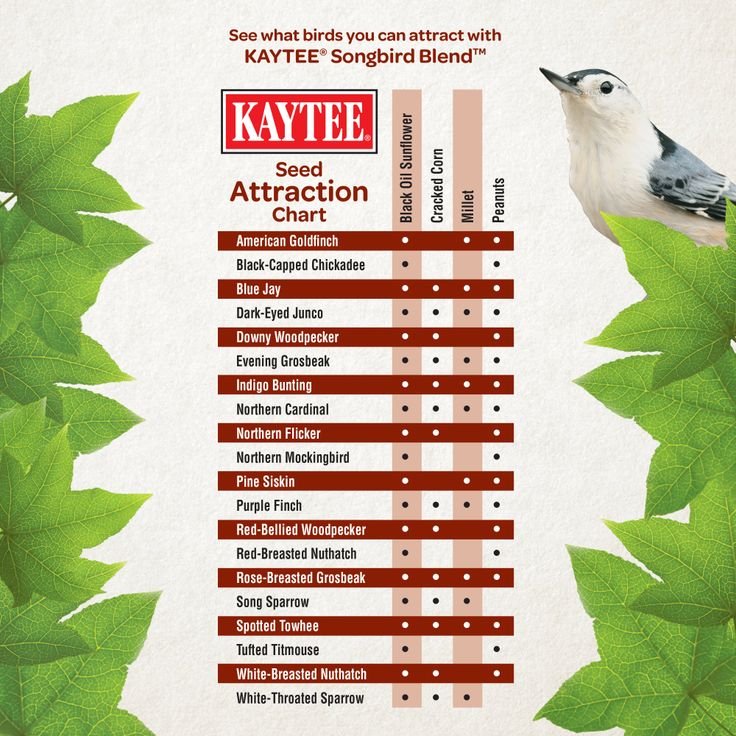
Image source: Bing (Web (fair-use with source credit))
Here’s the practical breakdown.
| Bird type | Common examples | Safe foods they commonly eat |
|---|---|---|
| Seed-eaters | Finches, sparrows, chickadees | Sunflower seed, millet, nyjer seed |
| Insect-eaters | Wrens, warblers, bluebirds | Mealworms, insects, larvae |
| Fruit-eaters | Robins, waxwings, orioles | Berries, chopped apple, soft fruit |
| Nectar-feeders | Hummingbirds | 1:4 white sugar nectar, flower nectar |
| Omnivores | Chickadees, robins | Seeds, insects, fruit, suet |
Seed-eating birds often do well with black oil sunflower seed because it’s energy-rich and easier to crack than thick-shelled seed. Nyjer seed attracts finches. White millet is popular with many ground-feeding sparrows.
Insect-eating birds need protein. Mealworms can help bluebirds, robins, and wrens, especially during breeding season. Natural insects from pesticide-free plants are even better long term.
Hummingbirds are different. They don’t drink bird bath water as their main food source. They sip nectar for quick energy and also eat tiny insects for protein.
What Small Pet Birds Should Eat and Drink
Small pet birds need a steadier, more controlled diet than wild birds. Budgies, canaries, finches, and cockatiels often live healthier lives when they’re not fed seed alone. Seeds are tasty, but they’re usually high in fat and short on key nutrients.
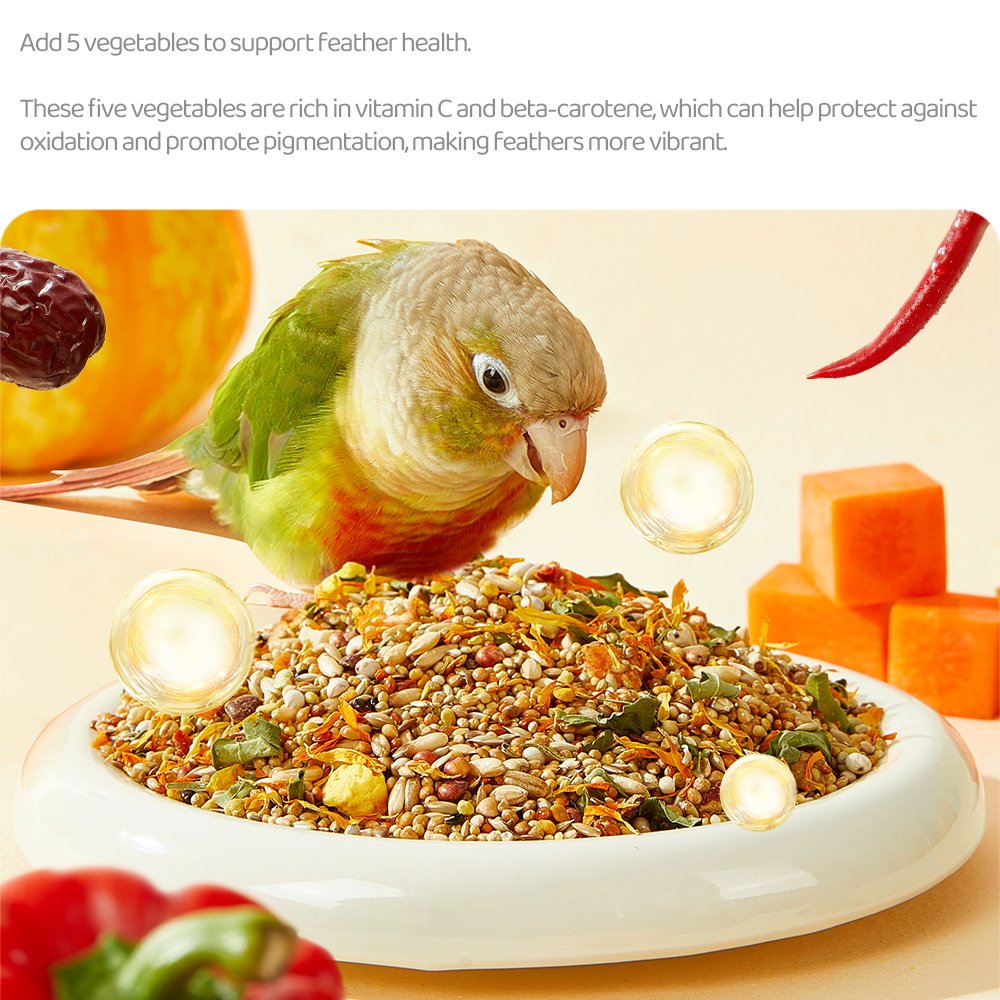
Image source: Bing (Web (fair-use with source credit))
For many common pet birds, a good daily diet includes:
- Species-appropriate formulated pellets
- Fresh leafy greens
- Small amounts of bird-safe vegetables
- Limited seeds or seed mix
- Clean drinking water every day
- Cuttlebone or mineral support when advised
Pellets are designed to reduce the guesswork. They don’t let a picky bird eat only its favorite seeds. That matters because selective eating is one reason pet birds become overweight or nutrient deficient.
Fresh foods should be clean, chopped to a safe size, and removed before they spoil. Good options often include leafy greens, carrot, broccoli, peas, bell pepper, and small fruit portions. Fruit is useful, but it’s sugary, so it shouldn’t take over the bowl.
Avoid chocolate, avocado, caffeine, alcohol, salty chips, onion-heavy foods, and sugary human snacks. Pet birds are small, and small bodies don’t leave much room for error. If your bird stops eating, sits fluffed up, or has unusual droppings, contact an avian veterinarian quickly.
What Baby, Injured, or Weak Birds Need
A baby or weak bird is the situation where people make the most dangerous mistakes. The first move is not feeding. The first move is figuring out what you’re looking at.
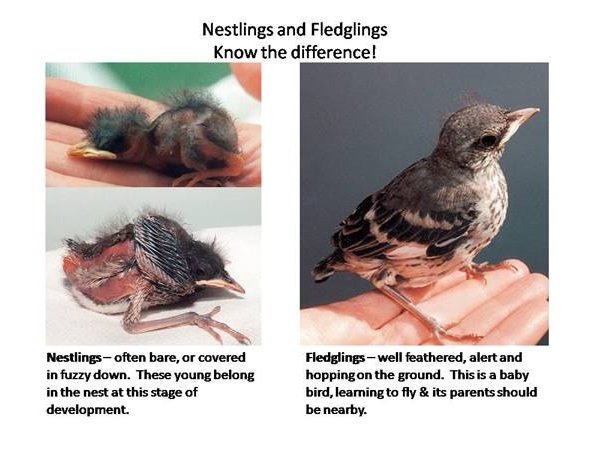
Image source: Bing (Web (fair-use with source credit))
A nestling is a baby bird with little or no feathering. It usually can’t hop well and should be back in the nest if possible. A fledgling is feathered, mobile, and often found on the ground while its parents keep feeding it nearby.
Use this quick decision guide:
| If you see | What it likely means | Safer action |
|---|---|---|
| Bare or partly feathered baby | Nestling | Return to nest or call a rehabilitator |
| Feathered baby hopping around | Fledgling | Keep pets away and watch from a distance |
| Bleeding, drooping wing, cat contact | Injured bird | Contact a wildlife rehabilitator fast |
| Cold, weak, or unresponsive bird | Emergency | Keep warm, dark, and quiet while seeking help |
Don’t drip water into a bird’s mouth. Birds can aspirate fluid into the lungs, which can be fatal. Don’t feed worms, bread, milk, or pet food unless a rehabilitator tells you exactly what to do.
The Cornell Lab of Ornithology is a strong educational source for bird identification and behavior. For hands-on care, though, you need a licensed rehabilitator or avian vet. Baby bird diets are species-specific, and guessing can do real harm.
Safe Foods, Unsafe Foods, and Better Alternatives
Safe feeding is mostly about matching the food to the bird. For backyard birds, plain foods beat kitchen leftovers almost every time. Think seeds, insects, fruit, suet, nectar, and clean water.
Good options for many adult wild birds include:
- Black oil sunflower seed for finches, chickadees, and sparrows
- Nyjer seed for goldfinches and siskins
- White millet for ground-feeding birds
- Mealworms for bluebirds, robins, and wrens
- Unsalted suet in cold weather
- Small pieces of apple, berries, or grapes for fruit-eating birds
- Plain white sugar nectar for hummingbirds
Unsafe foods are where the real trouble starts. Don’t give birds milk, bread as a main food, chocolate, alcohol, caffeine, salty snacks, or moldy scraps. For many pet birds, avocado is also a major concern.
Honey should not go in hummingbird nectar. Red dye is unnecessary too. A clean 1:4 sugar-water mix is the standard, and it’s safer than brightly colored mixes with additives.
If you want a better alternative to bread, offer seed or fruit instead. If you want a better alternative to random worms from the yard, use clean mealworms from a trusted source. Avoid insects exposed to pesticides.
How to Offer Food and Water Without Causing Harm
Food placement matters. A feeder that attracts birds but also exposes them to cats, dirty seed, or window strikes can create new risks. Good bird feeding is part nutrition and part setup.
Use shallow water for small birds. A bird bath or dish around 1 to 2 inches deep is usually enough. Add a few clean stones if the surface is slippery or too deep at the center.
Keep feeders and baths clean. Wet seed grows mold fast, especially in warm weather. If seed smells sour, clumps together, or looks fuzzy, throw it out.
A simple routine works well:
| Task | How often |
|---|---|
| Replace drinking water | Daily, more often in heat |
| Rinse bird bath | Daily if dirty |
| Scrub feeders | Regularly, and after sick birds appear |
| Change hummingbird nectar | Every 1 to 2 days in hot weather |
| Remove spoiled fruit or suet | Same day if soft or rancid |
Place feeders either very close to windows or well away from them. Many bird safety groups use the “within 3 feet or more than 30 feet” guidance to reduce high-speed window collisions. Keep feeders away from shrubs where cats can hide.
If you see sick birds, pause feeding and clean everything. Watch for swollen eyes, fluffed posture, crusty faces, or birds sitting still near feeders. Shared feeding stations can spread salmonella, avian pox, and other diseases.
Frequently Asked Questions
Can small birds drink tap water?
Yes, most small birds can drink clean tap water if it’s safe for people in your area. Use a shallow dish or bird bath, and replace the water daily. Don’t add sugar, salt, vitamins, or flavoring unless an avian veterinarian tells you to.
Is bread okay for small birds?
Bread is a poor food for small birds. A tiny amount usually won’t cause instant harm, but it fills them up without giving enough protein, fat, calcium, or vitamins. Seeds, mealworms, fruit, suet, or species-appropriate pellets are much better choices.
What should I feed a small bird I found on the ground?
If it’s feathered and hopping, it’s probably a fledgling. Leave it nearby and keep cats, dogs, and children away. If it’s bare, injured, cold, or weak, contact a licensed wildlife rehabilitator.
Don’t force food or water into its mouth.
Do small birds need water in winter?
Yes, small birds still need water in winter. Snow can help some birds, but liquid water saves energy. A shallow bird bath or safe heated bird bath can help during freezing weather.
Keep it clean, and make sure the water is not too deep.
What do tiny pet birds eat every day?
Tiny pet birds usually need a species-appropriate daily diet with pellets, fresh greens, vegetables, limited seeds, and clean water. Exact needs vary between budgies, finches, canaries, and cockatiels. Avoid seed-only feeding unless your avian vet has advised it for a specific reason.
