
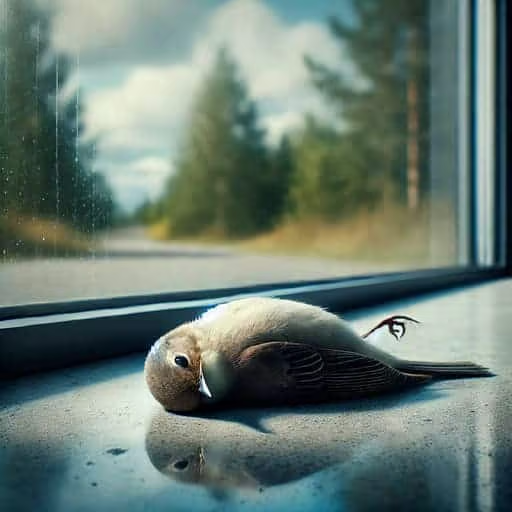
A bird just slammed into your window and now it's lying on the patio, stunned or not moving. Knowing how to help a bird that hit a window comes down to giving it space, warmth, and a few quiet minutes before deciding what's next. Most birds actually survive a window strike if those first few minutes are handled right.
Grabbing it, poking it, or rushing it into a cage can do more harm than the crash itself.
Federal wildlife estimates put annual bird deaths from window collisions in the billions across the US. Most of those deaths happen because people don't know a stunned bird needs 15 to 60 minutes of undisturbed recovery time. As of 2026, wildlife rehabilitators still recommend the same simple shoebox method that's worked for decades.
Here's what to check first, and when it's time to call in a professional.
Quick Answer
Move the bird to a quiet spot away from predators. Place it in a ventilated box lined with soft cloth. Keep the box dark and warm for 30 to 60 minutes.
Release it outside once it grips and stands normally. Call a wildlife rehabilitator if there's no improvement.
Why Birds Fly Into Windows
Birds don't see glass. They see the reflection of sky or trees bouncing off it, and they fly straight at what looks like open air.
That's why window strikes spike during migration season, when tired birds move fast through unfamiliar territory. Songbirds hit low windows near feeders. Larger birds, including hawks, can strike upper-floor glass at full speed.
On impact, a bird can suffer a concussion, internal bleeding, or a fractured wing. Some die instantly. Others are just stunned and need time to recover.
You usually can't tell which one you're dealing with just by looking, so the next steps matter.
Check the Bird's Condition Before You Touch It
Don't touch the bird right away. Watch it first.
Check these signs from a few feet back:
- Is it breathing? Watch the chest rise and fall.
- Are its eyes open and blinking?
- Does it react to sound or movement nearby?
- Is a cat, dog, or other predator nearby?
If it's alert but can't get airborne, it likely has an injury. If it's sitting quietly with closed eyes, it's probably in shock. If there's no breathing and no response after a minute, it may already be gone.
Move to the decision guide next.
Decision Guide: What to Do Based on the Bird's Reaction
| Condition | What It Usually Means | What To Do |
|---|---|---|
| Stunned, breathing, eyes closed | Shock or mild concussion | Box it, keep quiet and warm |
| Unconscious, not moving | Serious injury or shock | Box it gently, monitor closely |
| Bleeding or drooping wing | Fracture or trauma | Box it, call a rehabilitator |
| Predator nearby | Immediate danger | Move bird to safety first |
If the Bird Is Stunned But Breathing
Give it 15 to 30 minutes alone in a dark, ventilated box. No food, no water, no handling.
If the Bird Is Unconscious or Not Moving
Place it in the box anyway. Some birds recover fully after appearing lifeless for several minutes.
If There's Blood or a Visible Injury
Box the bird and contact a wildlife rehabilitator right away. Don't try to splint or treat the injury yourself.
If a Predator Is Nearby
Move the bird to safety immediately, even before you've finished assessing it. Predator risk always comes first.
How to Safely Handle and Box a Stunned Bird
Wash your hands or wear gloves before picking the bird up. Approach slowly and cup it gently with both hands, supporting the body without squeezing.
| Item | Purpose |
|---|---|
| Shoebox or similar container | Safe, enclosed recovery space |
| Soft cloth or paper towel | Cushions the bird, reduces stress |
| Small air holes | Ventilation without escape risk |
| Secure lid | Prevents the bird bolting too soon |
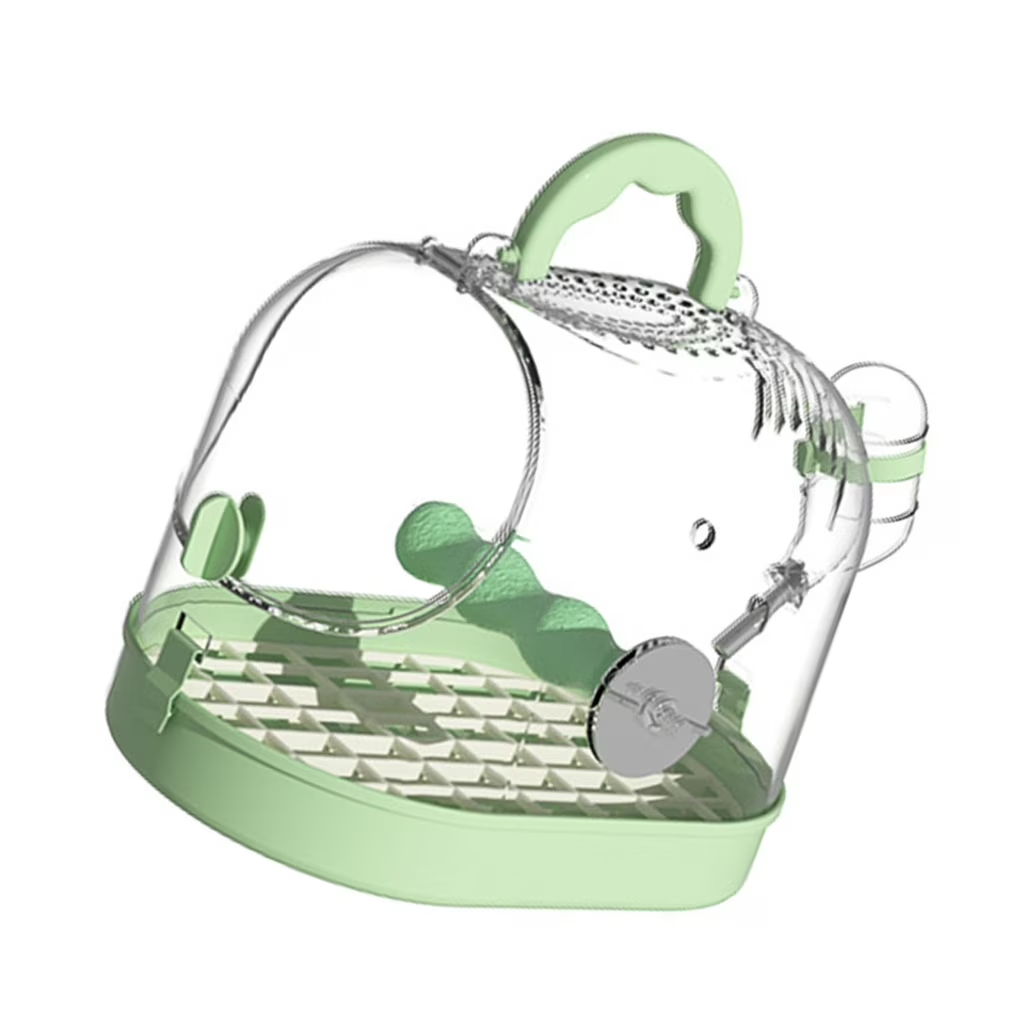
Place the box somewhere warm, dark, and quiet, away from pets and noise. Don't offer food or water. Darkness lowers stress hormones in birds, which is why rehabilitators recommend it as standard first response, according to the Cornell Lab of Ornithology.
Recovery, Release, and Knowing When It's Ready to Fly
Check the box after 30 to 60 minutes without opening it fully. Listen for movement or scratching first.
| Time Since Injury | What to Expect |
|---|---|
| 0 to 15 minutes | Bird often still stunned, motionless |
| 15 to 30 minutes | Eyes open, may shift position |
| 30 to 60 minutes | Standing, gripping, attempting to fly |
| Over 60 minutes, no change | Contact a rehabilitator |
When you're ready, take the box outside, away from windows and predators. Open the lid and step back.

A healthy bird will fly off strong and direct. If it flutters weakly, falls, or can't grip a branch, it needs professional care instead of release.
Mistakes That Can Hurt an Injured Bird
Giving water or food is one of the biggest mistakes people make. A stunned bird can inhale liquid into its lungs, which can be fatal.
Handling the bird too much is another problem. Repeated checking or picking it up spikes its stress hormones and slows recovery.
Releasing too early is just as risky. If the bird can't grip properly or fly straight, putting it back outside sets it up for another crash or a predator attack.
Other errors to avoid:
- Leaving the bird in direct sunlight or a hot car
- Using a box without air holes
- Trying to splint a wing yourself
- Assuming a motionless bird is dead too soon
- Keeping a wild bird for days without contacting a rehabilitator
Each mistake seems small on its own. Together, they're why recoverable birds sometimes don't make it.
When to Call a Wildlife Rehabilitator
Call a rehabilitator if the bird shows no improvement after 60 minutes in the box. That's the clearest sign something's wrong beyond simple shock.
Other red flags include a visibly broken wing or leg, blood around the beak or eyes, or a bird that stands but never attempts flight. Baby birds and fledglings need a rehabilitator too, since caring for young birds is a different process entirely.
Under the Migratory Bird Treaty Act, it's illegal to keep most native wild birds without a permit. That's not a technicality. It's why rehabilitators exist: they're trained and licensed to give injured birds real medical care.
Search "wildlife rehabilitator near me" or check your state wildlife agency's website for a local directory. Most will walk you through transport instructions over the phone.
Stopping the Next Strike: Bird-Proofing Your Windows
If a bird has hit the same window before, it'll likely happen again. Windows reflecting trees or sky are the biggest repeat offenders.
The fix is breaking up the reflection so birds see glass instead of open space. Space markers no more than 2 inches apart vertically or 4 inches apart horizontally. Birds won't try to fly through gaps smaller than their body width.

Options that actually work:
- Exterior window decals spaced in a grid pattern
- One-way transparent film applied to the outside of the glass
- Screens or netting mounted a few inches off the glass
- Closing blinds or curtains partway during peak migration
Moving bird feeders either closer than 3 feet or farther than 30 feet from windows also helps. That distance changes the angle and speed at which birds approach the glass.
Frequently Asked Questions
How long does it take a bird to recover after hitting a window?
Most stunned birds recover within 15 to 60 minutes if left undisturbed in a dark, quiet box. Birds with internal injuries may need longer or may not recover without professional care.
Should I give a stunned bird water?
No, never give water to a stunned bird. It can inhale the liquid into its lungs, which can be fatal even if the collision wasn't serious.
What if the bird is dead when I find it?
If there's no breathing, no eye movement, and no response after several minutes, the bird likely died on impact. Leave it undisturbed and consider adding window decals to prevent future strikes.
Can I keep the bird as a pet if it recovers?
No, keeping most native wild birds is illegal under federal law without a special permit. Release healthy birds outdoors once they're alert and flying normally.
Do bird feeders cause more window strikes?
Feeders placed 3 to 30 feet from windows can increase strikes because birds gain enough speed to hit hard. Moving feeders closer or farther away reduces collision risk significantly.
