
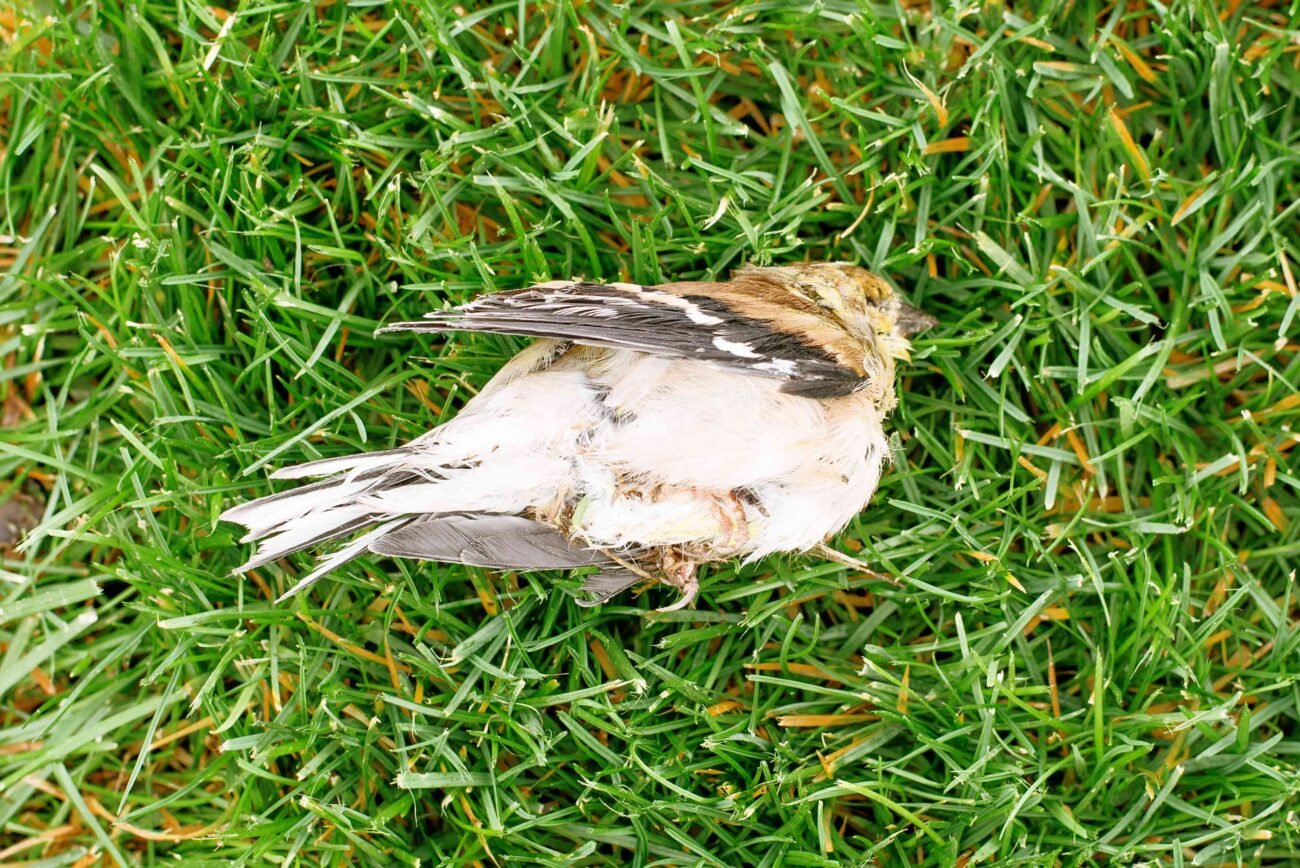
Finding a dead bird in your yard is more common than you'd think. Most people freeze for a second, wondering what to do next.
Knowing how to dispose of a dead bird properly protects you from disease and keeps you within wildlife law. It's not as simple as "toss it in the trash."
The right method depends on where you found it, how many birds you've spotted, and whether it looks sick. As of 2026, health agencies are watching bird die-offs closely because of ongoing avian flu concerns, so a little know-how goes a long way.
Quick Answer
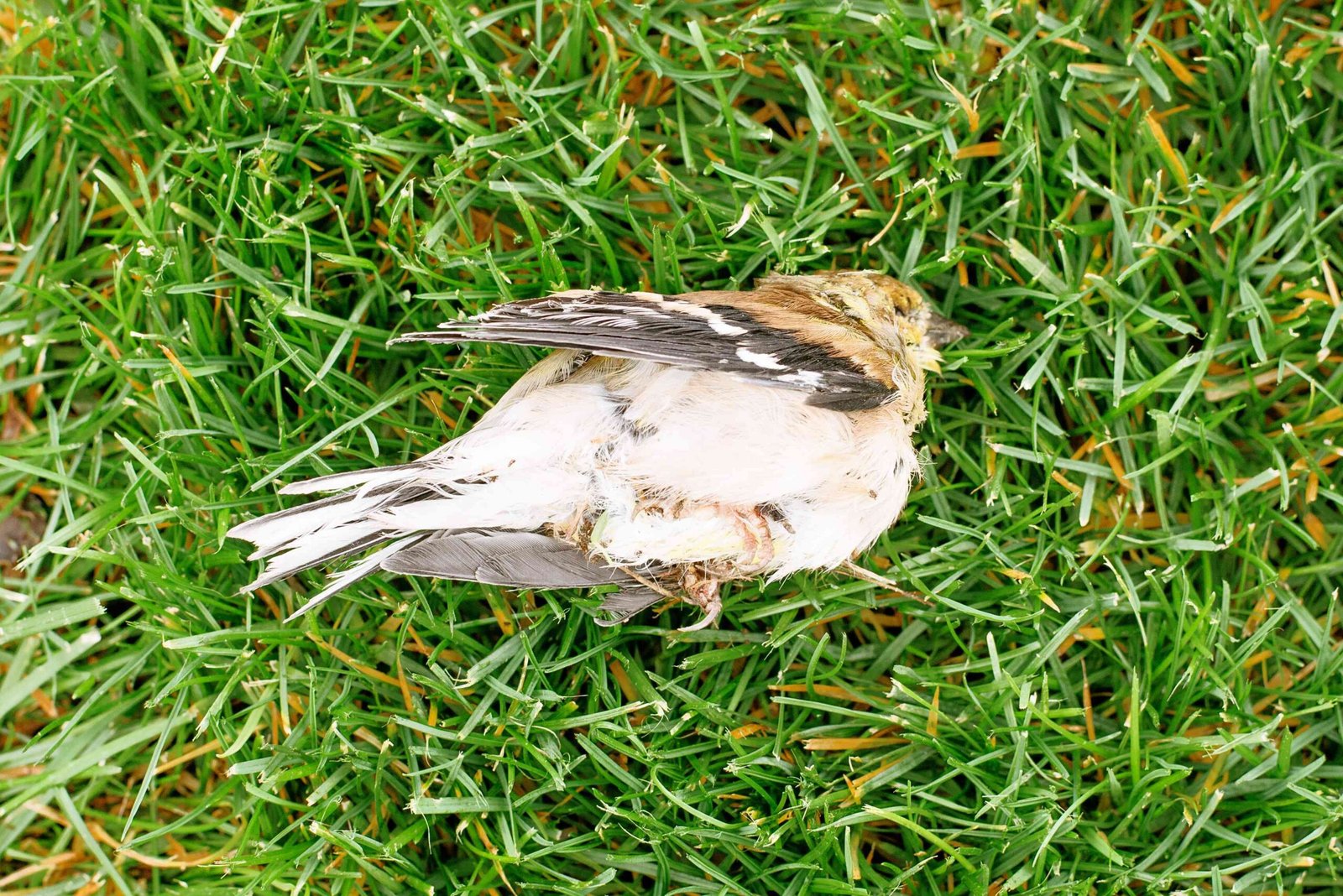
Put on disposable gloves before touching a dead bird. Scoop it into a plastic bag. Double-bag the carcass and seal it tight.
Place it in an outdoor trash bin. Wash your hands for 20 seconds afterward. Report five or more dead birds to your state wildlife agency.
First, What Kind of Dead Bird Are You Dealing With?
Not every dead bird gets handled the same way. The right move depends on the situation in front of you.
Ask yourself these questions first:
- Is it a single bird, or are there several nearby?
- Does it look freshly dead, or has it been decomposing a while?
- Is it a wild songbird, a pet bird, or a backyard chicken?
- Does it have a leg band or tag?
- Does it show signs of illness, like discharge or odd body position?
One wild bird with no signs of disease means a simple, low-risk cleanup. Several dead birds in one spot shifts the job toward reporting instead of just bagging and binning.
A banded leg matters too. That bird was part of a research or monitoring program. Reporting the band number helps track migration and survival data, and we'll cover exactly where that goes shortly.
Is It Safe to Touch? Gloves, Handwashing, and Real Health Risks
No, you shouldn't touch a dead bird with bare hands. Wild birds can carry salmonella, avian influenza, and parasites that survive after death.

The Centers for Disease Control and Prevention advises using gloves and avoiding direct skin contact with any dead wild bird, especially during avian flu outbreaks. You can check current guidance on the CDC avian influenza page.
Here's what proper protection looks like:
- Wear disposable gloves (nitrile or latex work fine).
- Avoid touching your face while handling the carcass.
- Never handle a dead bird if you have open cuts on your hands.
- Wash hands with soap for at least 20 seconds immediately after.
- Disinfect any tools or surfaces the bird touched.
Skipping gloves risks bacterial exposure for no good reason. It takes ten extra seconds and removes almost all the risk.
Step-by-Step: How to Dispose of a Single Dead Bird
If it's just one bird with no signs of illness, this takes under five minutes.
Follow these steps in order:
- Put on disposable gloves.
- Turn a plastic bag inside out over your hand like a mitt.
- Pick up the bird using the bagged hand.
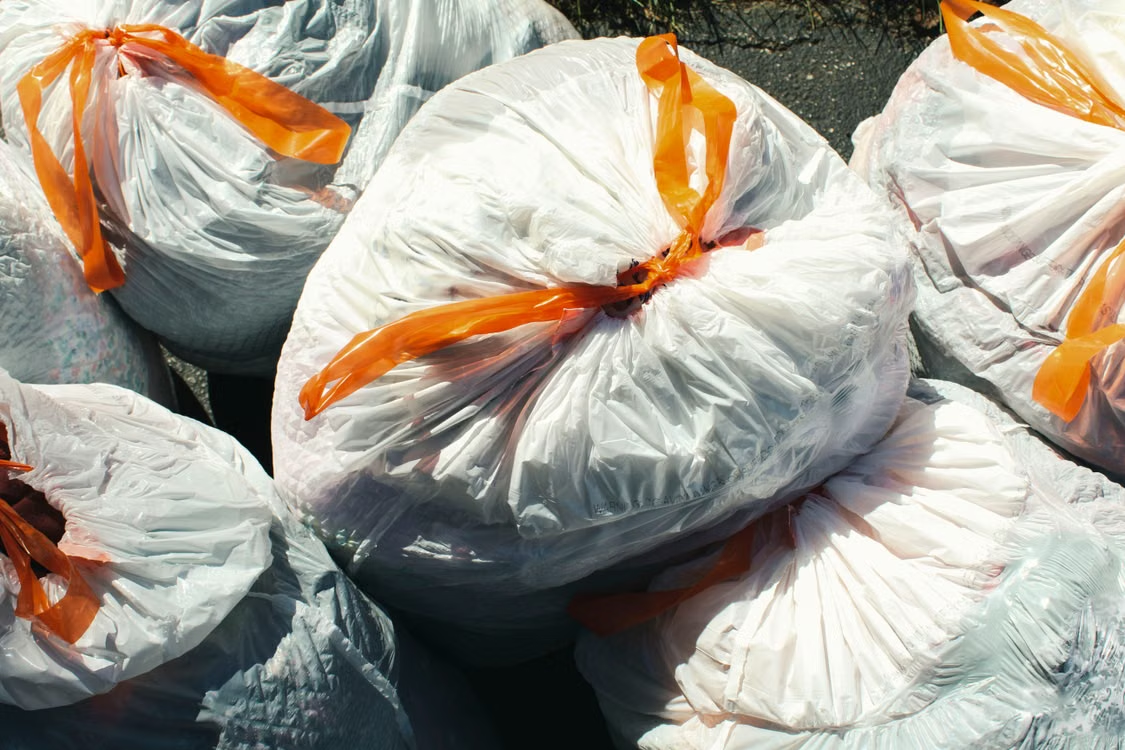
- Pull the bag back over the bird and seal it.
- Place that bag inside a second bag for extra protection.
- Tie the outer bag tightly.
- Drop it in an outdoor trash bin, not an indoor one.
- Remove your gloves and throw them away too.
- Wash your hands thoroughly.
No gloves handy? Use a shovel or scoop instead, then clean the tool afterward. Never use bare hands, even just once.
Found Multiple Dead Birds? When to Report Instead of Just Tossing It
Multiple dead birds in one area is a different situation. It can signal disease spread, pesticide exposure, or an avian flu event.

Most states ask residents to report clusters of dead birds rather than disposing of them right away. Reporting thresholds vary, but many agencies flag five or more birds in one location.
Here's what to do:
- Don't touch the birds until you've contacted your state wildlife agency.
- Note the exact location and number of birds.
- Take photos if possible, without handling the carcasses.
- Call your state's wildlife health hotline or department of natural resources.
- Follow their instructions. They may want to collect samples first.
Die-off reports help agencies catch outbreaks early, before they spread further into local bird or poultry populations.
Special Cases: Protected Species, Pet Birds, and Backyard Chickens
Wild birds fall under different rules than pets or poultry. This is where people often break the law without realizing it.
Most wild bird species in the US are protected under the Migratory Bird Treaty Act, enforced by the U.S. Fish and Wildlife Service. This law makes it illegal to keep feathers, nests, eggs, or body parts from protected species, even if you found them dead.
Here's how the categories break down:
| Bird Type | Disposal Rule | Special Note |
|---|---|---|
| Wild songbird | Bag and trash, or bury | Don't keep feathers or parts |
| Protected raptor or eagle | Contact wildlife agency first | Federal permits required to handle |
| Banded bird | Report band number before disposal | Report to USGS Bird Banding Lab |
| Pet bird (parakeet, etc.) | Bag and trash, or home burial | No legal restrictions |
| Backyard chicken | Bury or bag per local ag rules | Check state poultry mortality guidelines |
Found a banded bird? Don't remove the band. Report the number through the North American bird banding program before disposal.
It takes a couple of minutes online and genuinely helps conservation research.
Backyard chicken keepers face extra rules during avian flu season. Many states require poultry deaths to be reported when multiple birds die within a short window, since flocks are more vulnerable to fast-spreading outbreaks.
Mistakes to Avoid
Small mistakes here can turn a five-minute task into a real health risk. Here's what trips people up most.
- Touching with bare hands. Even a quick grab exposes you to bacteria and parasites.
- Using a single bag. One layer isn't enough protection against leaks or odor.
- Burying too shallow. Scavengers can dig up carcasses buried less than 2 feet deep.
- Ignoring multiple deaths. Treating a die-off like a one-off bird delays outbreak detection.
- Keeping feathers or parts. This violates federal law, even with good intentions.
- Skipping handwashing. Gloves reduce risk, but they don't replace washing up after.
- Handling near kids or pets. Keep both away until the area's cleared and disinfected.
Most of these mistakes come from rushing. Slowing down for two extra minutes avoids nearly all of them.
Quick Decision Guide: What to Do Based on Your Situation
Use this logic to figure out your next move fast.
- One bird, no visible illness: Glove up, double-bag it, trash it, wash your hands.
- One bird with a leg band: Report the band number, then dispose as usual.
- Five or more dead birds nearby: Don't touch them. Call your state wildlife agency first.
- Backyard chicken or poultry death: Check your state's agriculture department for reporting rules before disposal.
- Protected species like a raptor or owl: Contact wildlife authorities before moving it at all.
- Bird showed illness symptoms before death: Treat it as a possible disease case and report it.
When in doubt, reporting costs you nothing but a phone call. Skipping that step when it mattered is the bigger risk.
Frequently Asked Questions
Can I bury a dead bird in my backyard?
Yes, burying works fine for a single bird with no signs of illness. Dig at least 2 feet deep to keep scavengers from digging it up. Avoid burying near water sources or vegetable gardens.
Is it illegal to keep bird feathers I found?
Yes, in most cases. The Migratory Bird Treaty Act makes it illegal to possess feathers or parts from most native wild bird species, even if you didn't kill the bird yourself.
How do I know if a bird died from avian flu?
You usually can't tell by looking at one bird. Multiple deaths in one area, especially among waterfowl or raptors, are the biggest red flag. Report clusters to your state wildlife agency instead of guessing.
Should I wear a mask when handling a dead bird?
It's a smart extra precaution, especially during active avian flu outbreaks in your region. Gloves are the minimum requirement, but a mask adds protection against airborne particles during cleanup.
What do I do if my cat brings home a dead bird?
Handle it the same way as any single dead bird: glove up, bag it, and dispose of it. Check for a leg band first, since indoor-outdoor cats often catch banded research birds.
Who do I call about a large bird die-off?
Contact your state's department of natural resources or wildlife health agency. Many states also run dedicated bird mortality hotlines separate from general wildlife services.
