If you've got a half-full bag of birdseed sitting in the garage since last winter, you're probably asking: does bird food expire? The short answer is yes. Most bird food has a real shelf life, and using it past that point can do more harm than good.
Seed, suet, mealworms, and nectar all break down in different ways over time.
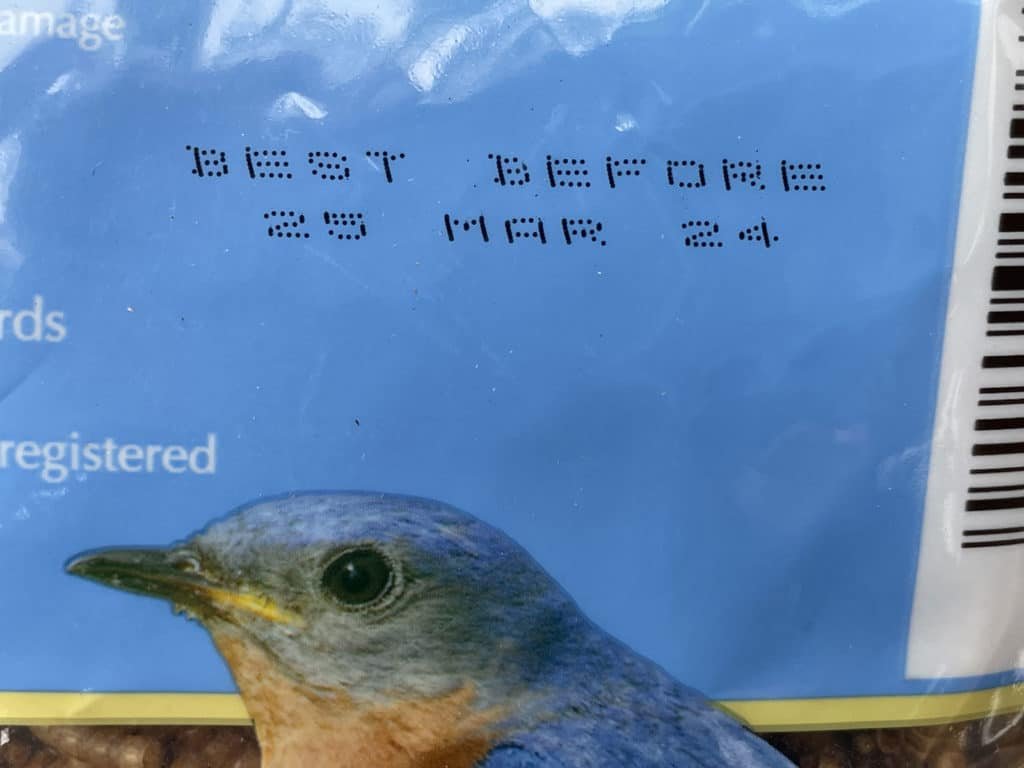
As of 2026, most birdseed manufacturers print a best-by date roughly 6 to 12 months from packaging. That date isn't just a formality. Here's what actually happens to bird food as it ages, and how to tell when it's crossed the line.
Quick Answer
Yes, bird food expires and quality drops over time.
Birdseed typically lasts 6 to 12 months unopened.
Suet and mealworms spoil faster in warm weather.
Nectar can ferment within 2 to 4 days.
Moldy or rancid bird food can harm wild birds.
What Makes Birdseed, Suet, and Nectar Go Bad
Bird food doesn't spoil the way bread does on your counter. It breaks down slowly, and three things drive that process: moisture, oxygen, and pests.
Moisture, Mold, and Rancid Oils
Seeds like black-oil sunflower and nyjer carry natural oils. Those oils turn rancid once they sit exposed to air and heat too long.
Moisture is the bigger problem. Damp seed grows mold fast. Some mold produces aflatoxin, a toxin that's genuinely dangerous to birds.
Per FDA guidance on mold and mycotoxins in food, even low-level contamination in feed products carries real risk.
Pantry Pests and Infestation Signs
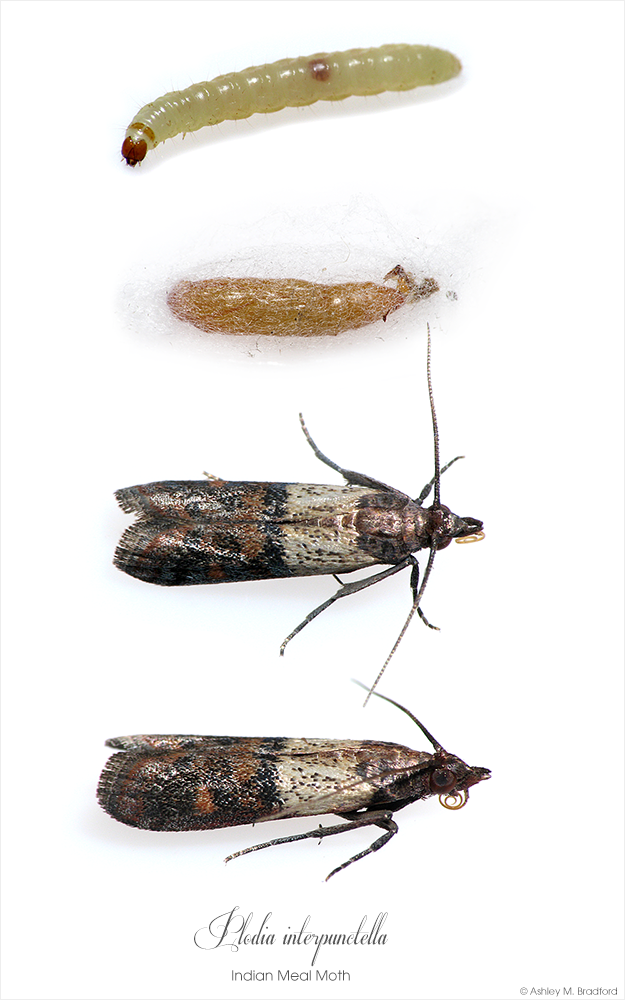
Warm, humid storage invites weevils and Indian meal moths. These pests lay eggs directly inside the seed bag.
You'll spot webbing, tiny holes, or small larvae if infestation has taken hold. Suet and mealworms attract the same pests, just faster.
Shelf Life by Type: Seed, Suet, Mealworms, and Nectar
Not all bird food ages the same way. Oily seeds and protein-based food spoil quicker than dry grains.
| Food Type | Unopened Shelf Life | After Opening | Storage Notes |
|---|---|---|---|
| Mixed birdseed | 6 to 12 months | 2 to 3 months | Keep dry, sealed container |
| Black-oil sunflower seed | 6 to 9 months | 1 to 2 months | Oils go rancid fastest |
| Suet cakes | 6 to 9 months | Days to weeks once out | Melts and spoils in heat |
| Dried mealworms | 12 months | 3 to 6 months | Needs airtight, dry storage |
| Nectar (sugar water) | N/A, made fresh | 2 to 4 days | Ferments quickly in heat |
If you're buying in bulk, match the quantity to how fast your birds actually go through it.
Signs Your Bird Food Has Spoiled
Spoiled bird food usually announces itself. Trust your senses before you fill the feeder.
Look and smell for these warning signs:
- Musty or sour odor coming from the bag
- Clumping or caking, a sign moisture got in
- Visible mold, usually gray, black, or greenish specks
- Webbing, small holes, or larvae in the seed
- Suet that's gone soft, greasy, or discolored
- Nectar that's cloudy or has a fermented smell
If you notice any of these, don't feed it to birds. Toss it and start fresh.
How to Store Bird Food to Make It Last Longer
Good storage is the single biggest factor in how long bird food actually lasts. It's also the easiest problem to fix.
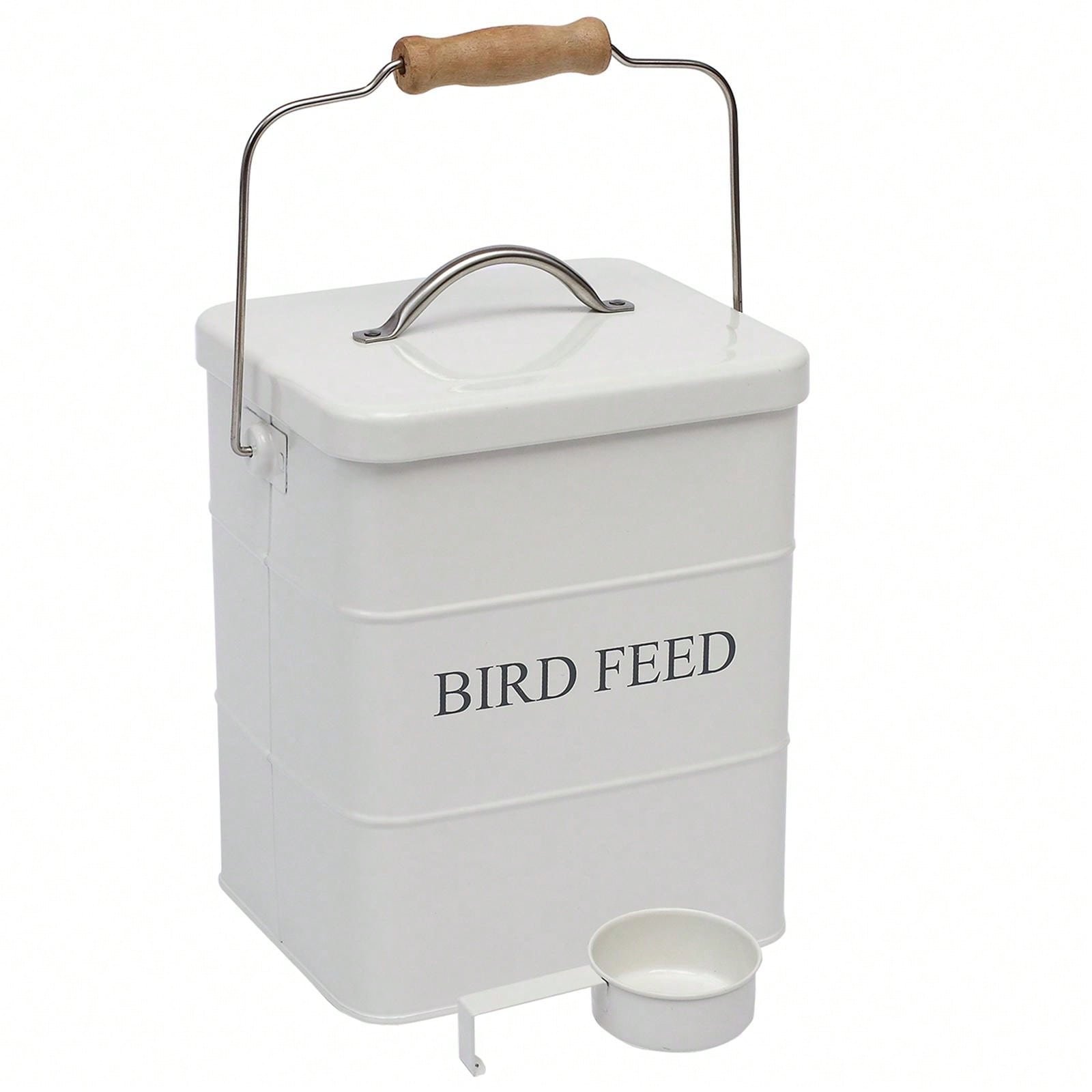
Follow these habits:
- Store seed in airtight, rodent-proof containers, not the original paper bag
- Keep containers in a cool, dry spot away from direct sunlight
- Freeze seed for 48 hours before storing to kill pest eggs
- Buy smaller quantities if you live somewhere humid
- Refill nectar feeders every 2 to 4 days, more often in heat
- Rotate stock so older seed gets used first
If you follow these steps, most seed will stay fresh for the full shelf-life window.
Risks of Feeding Birds Spoiled or Moldy Food
Spoiled bird food isn't just wasted money. It can genuinely harm the birds you're trying to help.
Moldy seed carries mycotoxins, and aflatoxin is the most dangerous of the bunch. Birds that eat contaminated seed can develop liver damage or respiratory issues. Young and weak birds are hit hardest.
Rancid suet causes digestive upset in many species. It also melts faster in warm weather, turning greasy and unappealing before birds even get to it.
Fermented nectar poses a different risk. It attracts stinging insects, and the alcohol from fermentation isn't good for hummingbirds. Research from the Cornell Lab of Ornithology shows regular feeder cleaning cuts disease transmission risk, and that includes swapping out old nectar before it turns.
If you're ever unsure whether food is safe, the rule is simple: when in doubt, throw it out. A fresh bag of seed costs far less than dealing with sick birds at your feeder.
Common Mistakes People Make With Old Bird Food
Most spoilage problems come down to a handful of repeat habits. Fixing these solves the majority of storage issues.
- Buying bulk seed without a plan to use it fast enough
- Leaving bags open in a garage or shed with humidity swings
- Ignoring the best-by date and assuming seed lasts forever
- Topping off feeders instead of emptying and cleaning them first
- Storing suet in direct sun during warm months
- Forgetting nectar feeders for a week or more between refills
- Mixing new seed on top of old seed in the same container
If you've made any of these mistakes, you're not alone. Most backyard feeders learn this the hard way after finding a moldy bag or an infested container.
The fix is usually a simple routine change. Check stock monthly, store it properly, and buy only what you'll use in a few months.
Frequently Asked Questions
How long does unopened birdseed last?
Unopened birdseed typically lasts 6 to 12 months in a cool, dry place. Heat and humidity shorten that window. Always check the bag's best-by date as a starting point.
Can birds get sick from old bird food?
Yes, birds can get sick from moldy or rancid bird food. Mold can produce aflatoxin, which damages the liver. Rancid oils and fermented nectar also cause digestive problems in birds.
Does freezing birdseed extend its shelf life?
Yes, freezing birdseed extends its shelf life and kills pest eggs. Freeze new seed for 48 hours before storing it long-term. This step prevents weevils and moths from hatching inside your container.
How often should I change hummingbird nectar?
Change hummingbird nectar every 2 to 4 days, and daily once temperatures pass 90°F. Fermented nectar can harm hummingbirds and attracts insects. Fresh nectar also draws more visitors to your feeder.
Is it safe to feed birds seed past the best-by date?
It depends on how the seed looks and smells. If there's no mold, no odd smell, and no pest activity, seed a bit past the date is often still fine. When any spoilage sign shows up, discard it instead.
